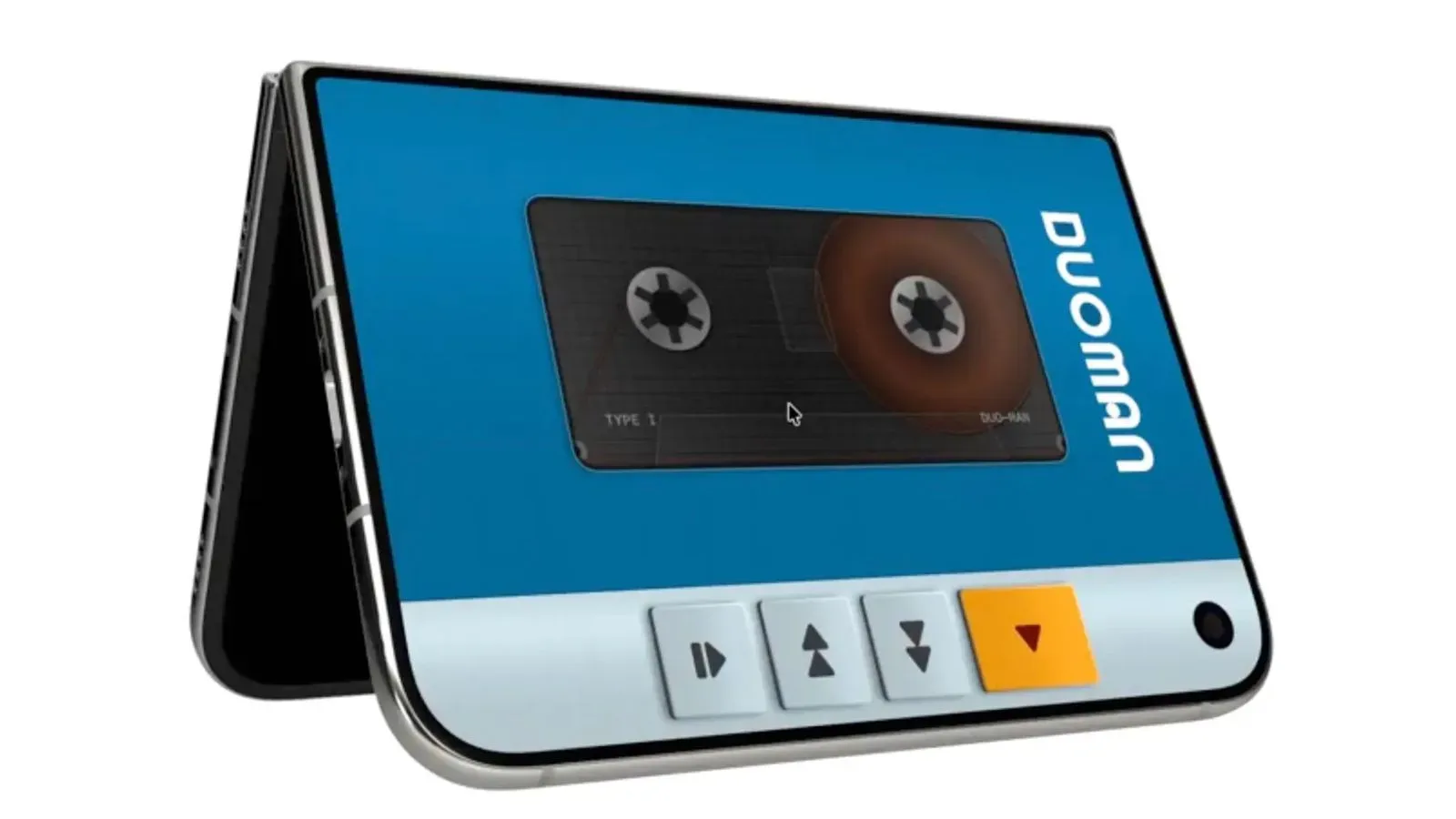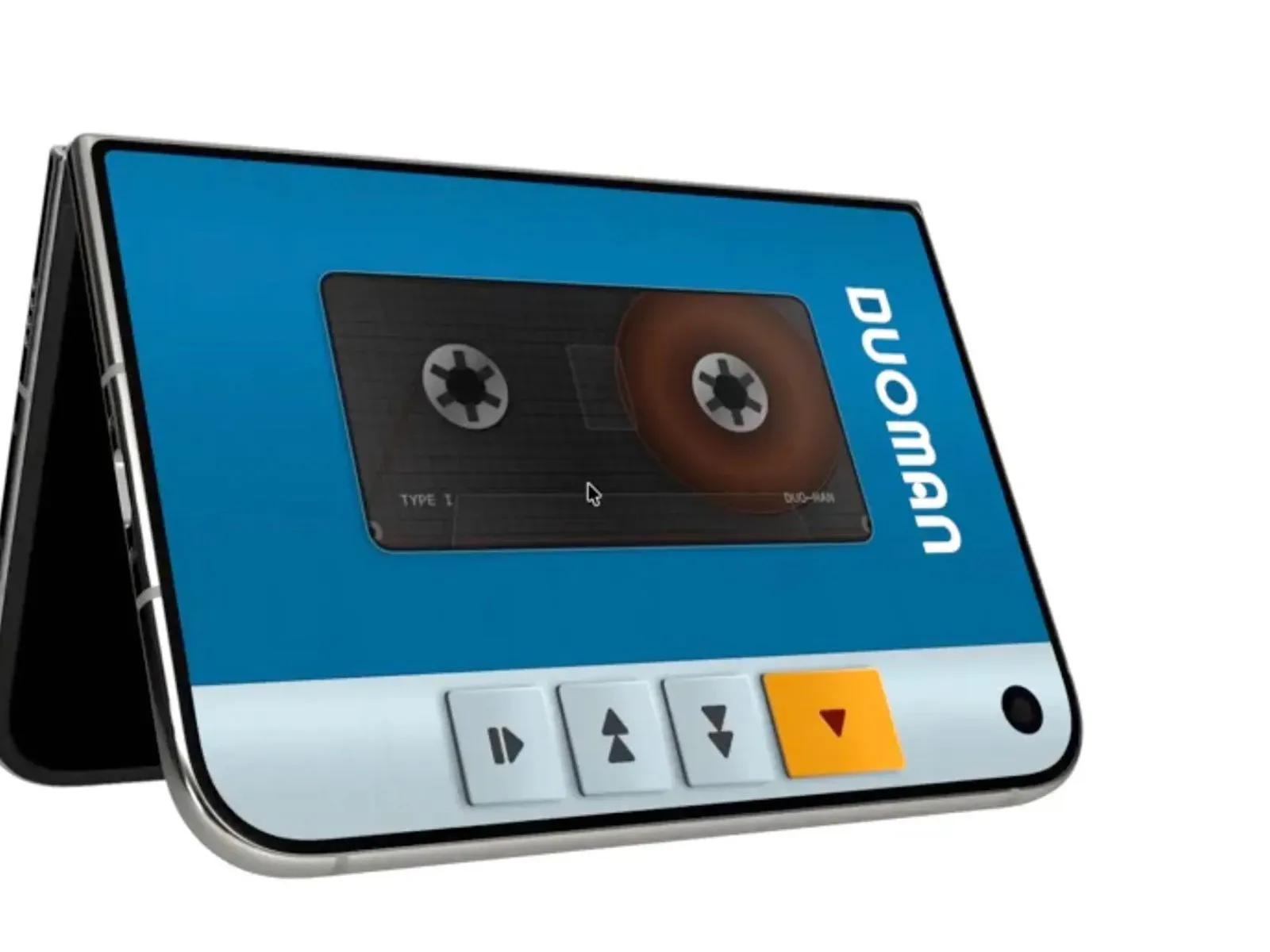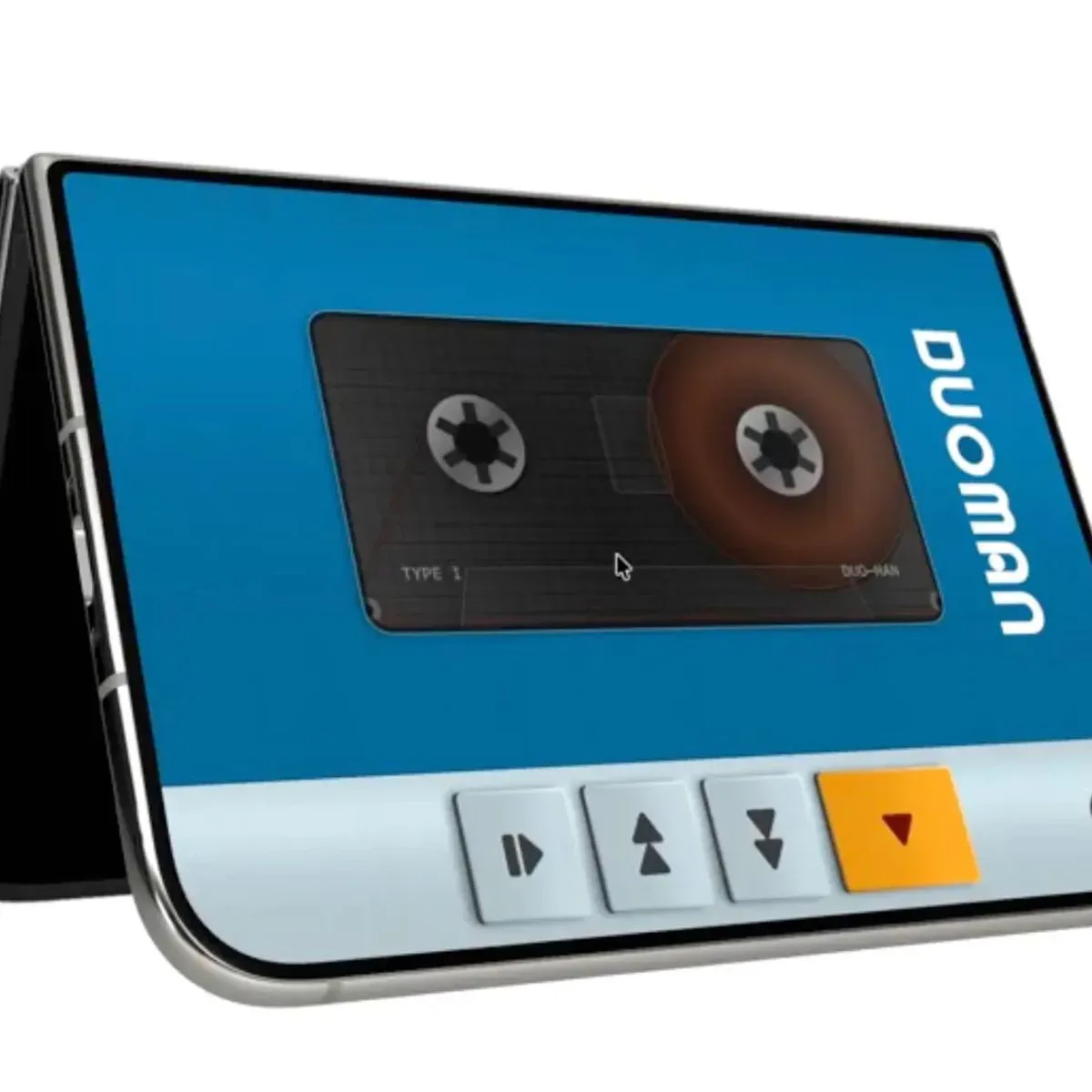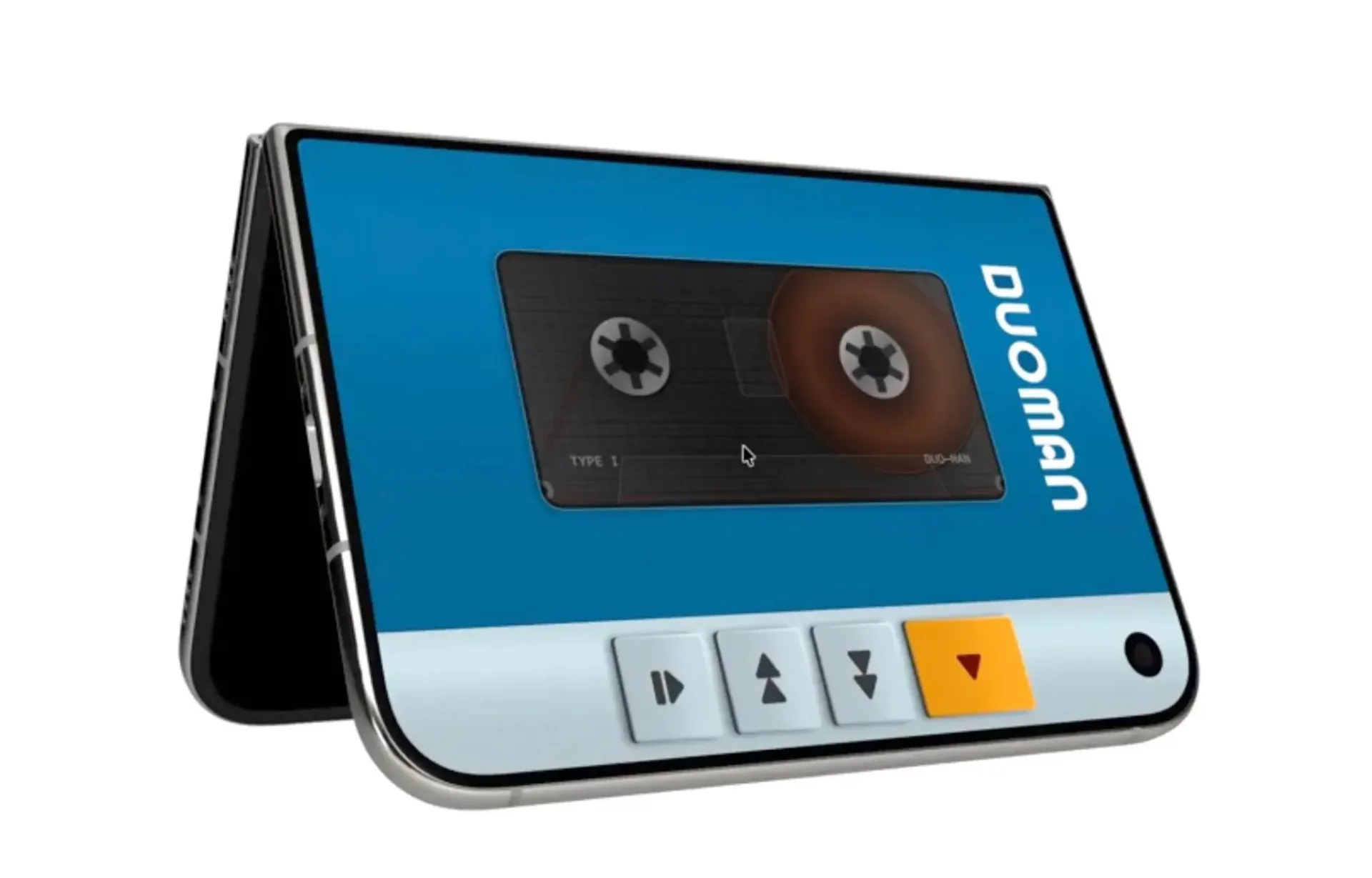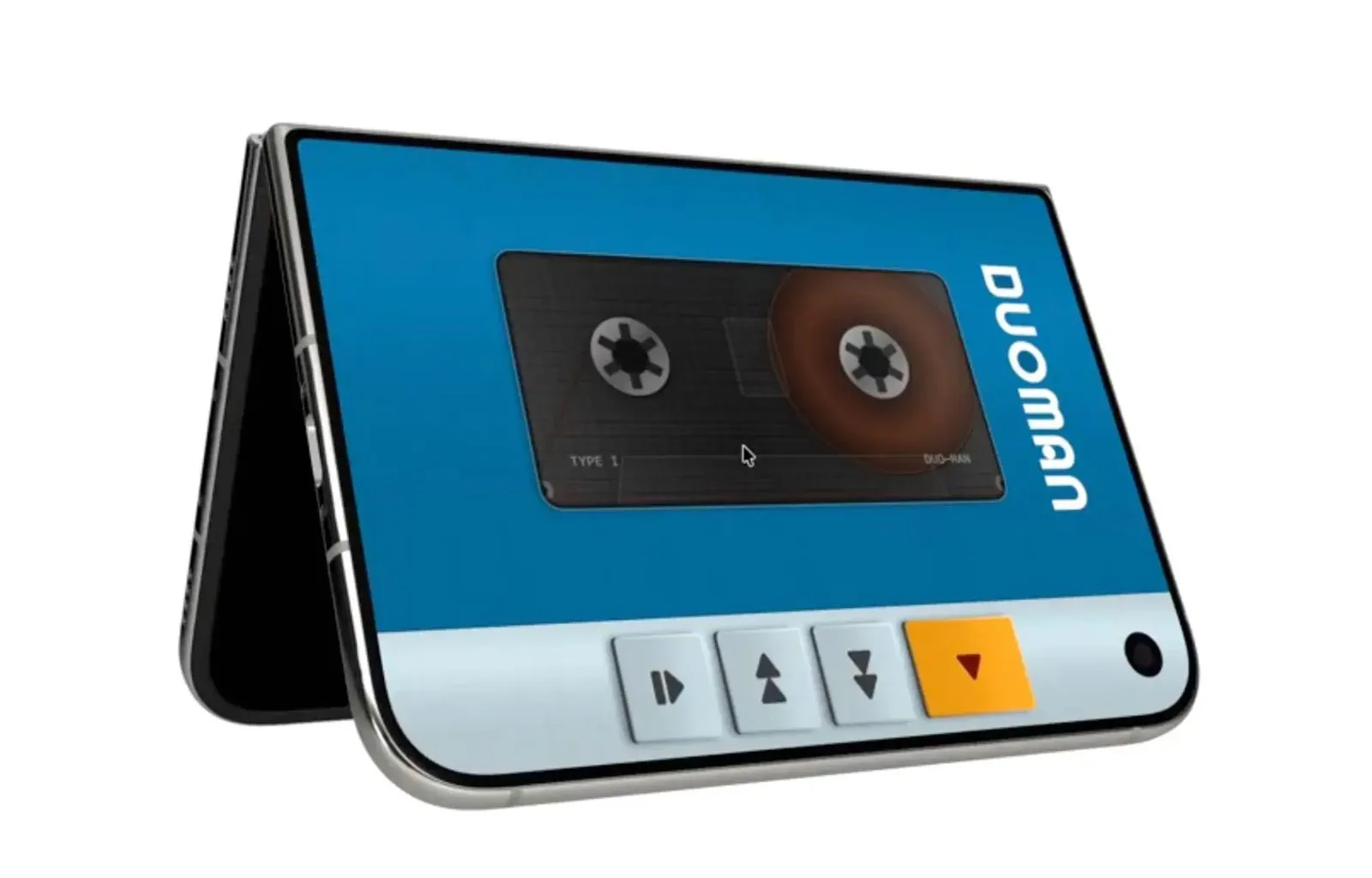
A foldable phone’s hinge is usually discussed in practical terms: durability, display creases, multitasking and how well the hardware survives being opened thousands of times. Duo-Man takes a much less utilitarian approach. The app, made by indie developer Vidit Bhargava, uses the reported iPhone Duo’s opening-and-closing motion as the central part of a virtual Sony Walkman experience.
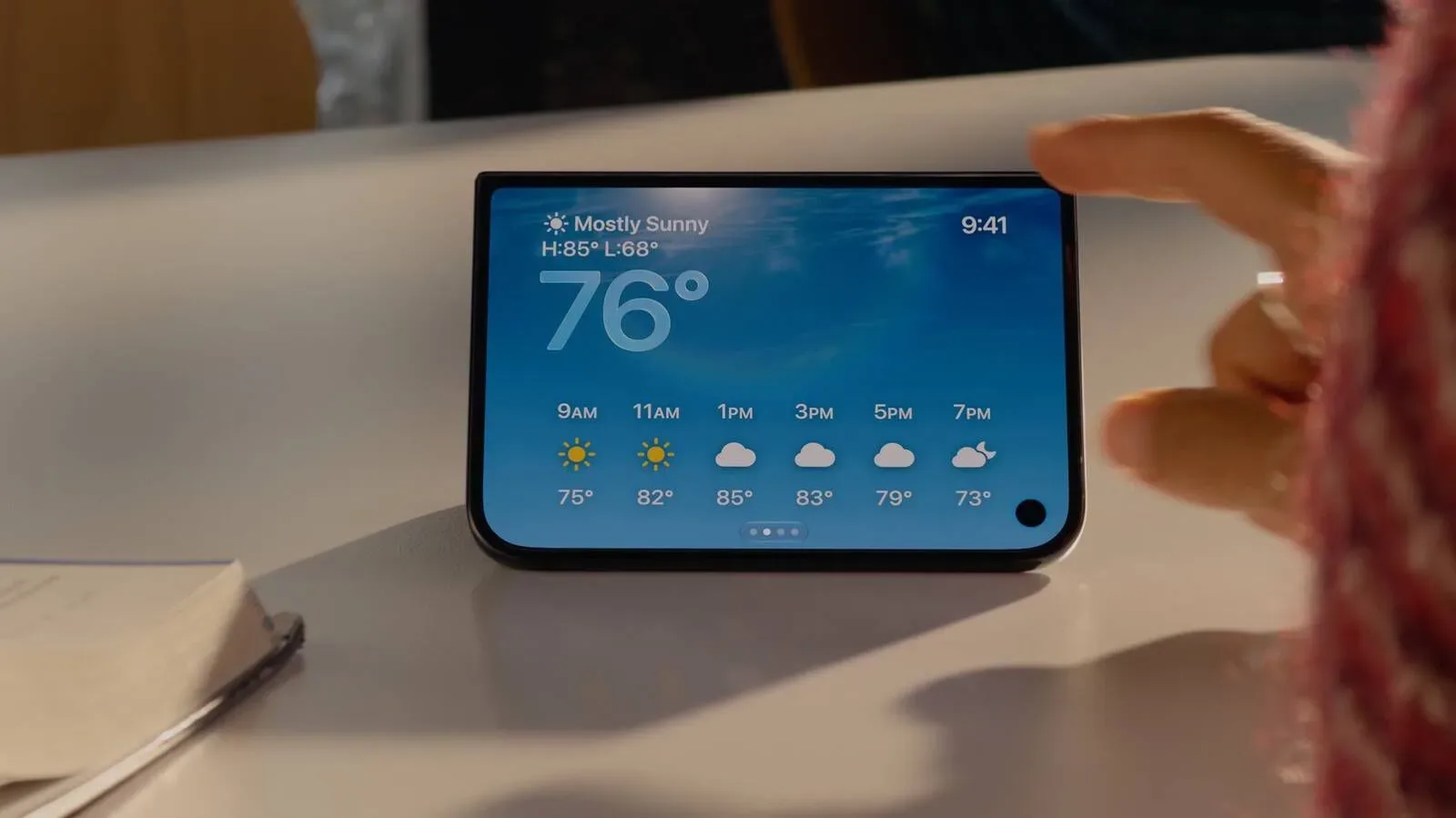
Rather than treating a foldable solely as a bigger screen that fits into a smaller pocket, the concept turns the device’s physical gesture into interface theater. Users would open the iPhone Duo, choose music and “insert” a cassette on its 7.6-inch inner display. Closing the phone then begins playback, imitating the satisfying final motion of shutting a cassette player.
It is a deliberately playful idea, but not an arbitrary one. A Walkman is remembered not only as a way to hear music, but as an object with a sequence: open the door, put in the tape, close it, press play. Modern phone playback removes nearly all of that ceremony in pursuit of speed. Duo-Man appears designed to put a little of it back.
A hinge becomes part of the interface
Bhargava built Duo-Man in BitRig’s iPhone Duo development environment. The basic premise is clear: folding hardware can offer an interaction that a conventional slab phone cannot reproduce as naturally. The device’s own movement becomes a meaningful input, rather than merely a means of revealing or hiding a display.
That distinction matters. On a standard phone, a cassette simulation would be mostly visual: tap a button, watch an animation, hear a sound. On a foldable, the open-and-shut gesture can be tied to the software’s metaphor. The hardware is not literally accepting a tape, of course, but the action can make the digital pretend-play feel more coherent.
Interface metaphor is the useful term here. It means presenting a digital task through a familiar real-world comparison. Files might be shown as documents, a deleted item might go in a trash bin, and Duo-Man frames music selection as cassette handling. The metaphor is most effective when its actions match the device in the user’s hands. A hinge that behaves like a cassette door is a closer fit than a flat touchscreen asking someone to tap a picture of one.
There is also an important limit to the concept. Duo-Man has no announced release date, and the app’s reported behavior should not be confused with a confirmed shipping feature of the iPhone Duo itself. The project is a developer-made software experience, not evidence that the phone will arrive with a Walkman mode or an Apple-sanctioned retro music interface.
The small audio details are doing serious work
Bhargava did not stop at an animated cassette. To make the experience more convincing, he recorded button clicks and static from a real Walkman for use in the app. Those choices point to an understanding that nostalgia is often sensory rather than merely visual.
A cassette player’s clicks, mechanical movement and low-level noise are not necessities for digital playback. In fact, contemporary audio products often try to minimize anything that interrupts clean playback. Here, those imperfections are the point: they signal that the listener is entering a specific imagined relationship with the music.
Diegetic sound is a useful way to think about it. In this context, it means audio that seems to come from the object or action being represented: a button click as a control is pressed, or static as a tape-like player begins. Such sounds can give an interface physical character even when the underlying music remains digital.
The idea overlaps with game design. Games frequently use visual feedback, controller rumble and carefully selected sound effects to make menu choices, weapon swaps or inventory actions feel responsive. Duo-Man applies a comparable principle to a music app. The goal is not greater efficiency; it is to make a simple action feel tangible and memorable.
That does not mean every music player should insert faux friction. Fast access is one of streaming’s strengths, and plenty of listeners simply want to press play. But a deliberately stylized app can serve a different preference: listeners who want an album or playlist to feel selected, loaded and started rather than instantly summoned.
Why the concept has attracted attention
Duo-Man took second place at a recent BitRig hackathon in San Francisco. Bhargava’s social post showing the app has also passed 2.1 million views. Both signals suggest the project has connected with people beyond the narrow audience that normally follows development tools for unreleased hardware.
The attention likely comes from the clean match between form and function. Foldables are still often explained through productivity arguments—more room for apps, more flexible layouts and the ability to carry a larger display. Duo-Man presents a much more immediate answer to what a hinge can mean creatively: it can make a device behave a little like another object.
It also helps that the chosen object is culturally legible. Even people who never used a cassette Walkman can understand the broad idea from its silhouette and ritual. The app does not need a lengthy tutorial to explain why opening a device, placing a cassette and snapping it shut might be pleasing.
For gaming audiences, the appeal may be particularly familiar. Retro-inspired games routinely borrow the look, sounds and limitations of older platforms, even when they run on modern hardware. Duo-Man is adjacent to that design instinct. It is not recreating cassette audio’s technical constraints as a requirement; it is borrowing the emotional language of an older device to make a current interaction more expressive.
What Duo-Man suggests about foldable software
The strongest implication of this early project is not that every foldable needs an old-school skin. It is that hardware-specific software can be more interesting when it acknowledges physical shape rather than treating the foldable as two generic screens joined together.
For developers, the hinge creates states that ordinary phones do not have: closed, partially open and fully open. A thoughtful app can assign a different meaning to each state. Duo-Man’s apparent flow is especially simple: open to prepare the music, close to play it. Whether that becomes a broadly useful model or remains a charming novelty will depend on the app’s final design and eventual availability.
For users, the project is a reminder that convenience and character are not always opposites. A person can still use a conventional music app for immediate playback, while keeping a more theatrical player for a particular album, commute or mood. That is not unlike choosing a themed controller, a specialized launcher or a visually distinctive handheld interface: the core task remains familiar, but the route to it changes the feeling.
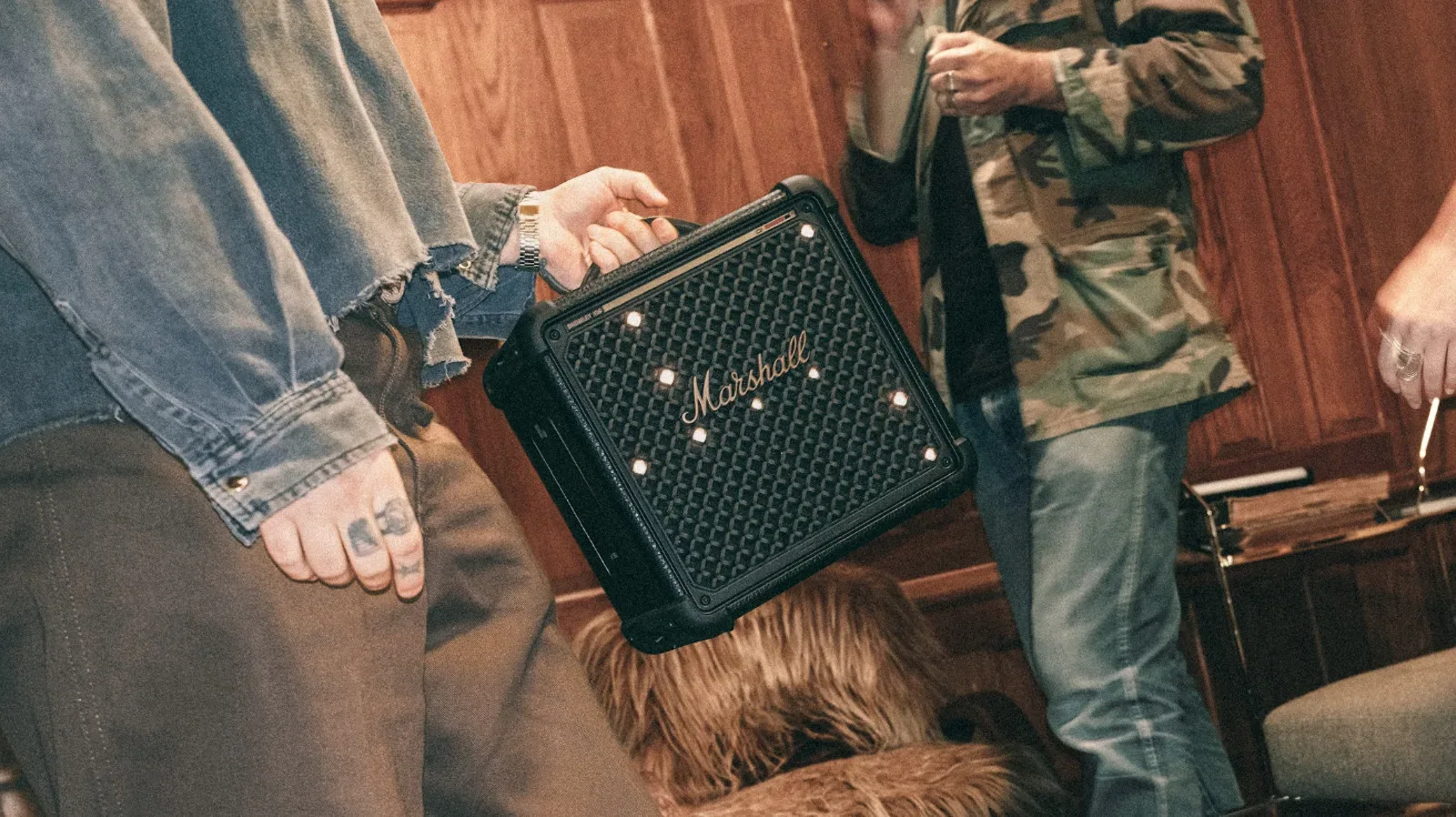
Music hardware is already being framed in different ways, from portable speakers focused on long battery claims to stylized personal listening experiences. Marshall’s compact party-speaker approach, for example, sits at a very different point on that spectrum. Duo-Man is not trying to solve the same problem. It is about making a personal library feel like an object interaction again.
Release timing remains the practical question
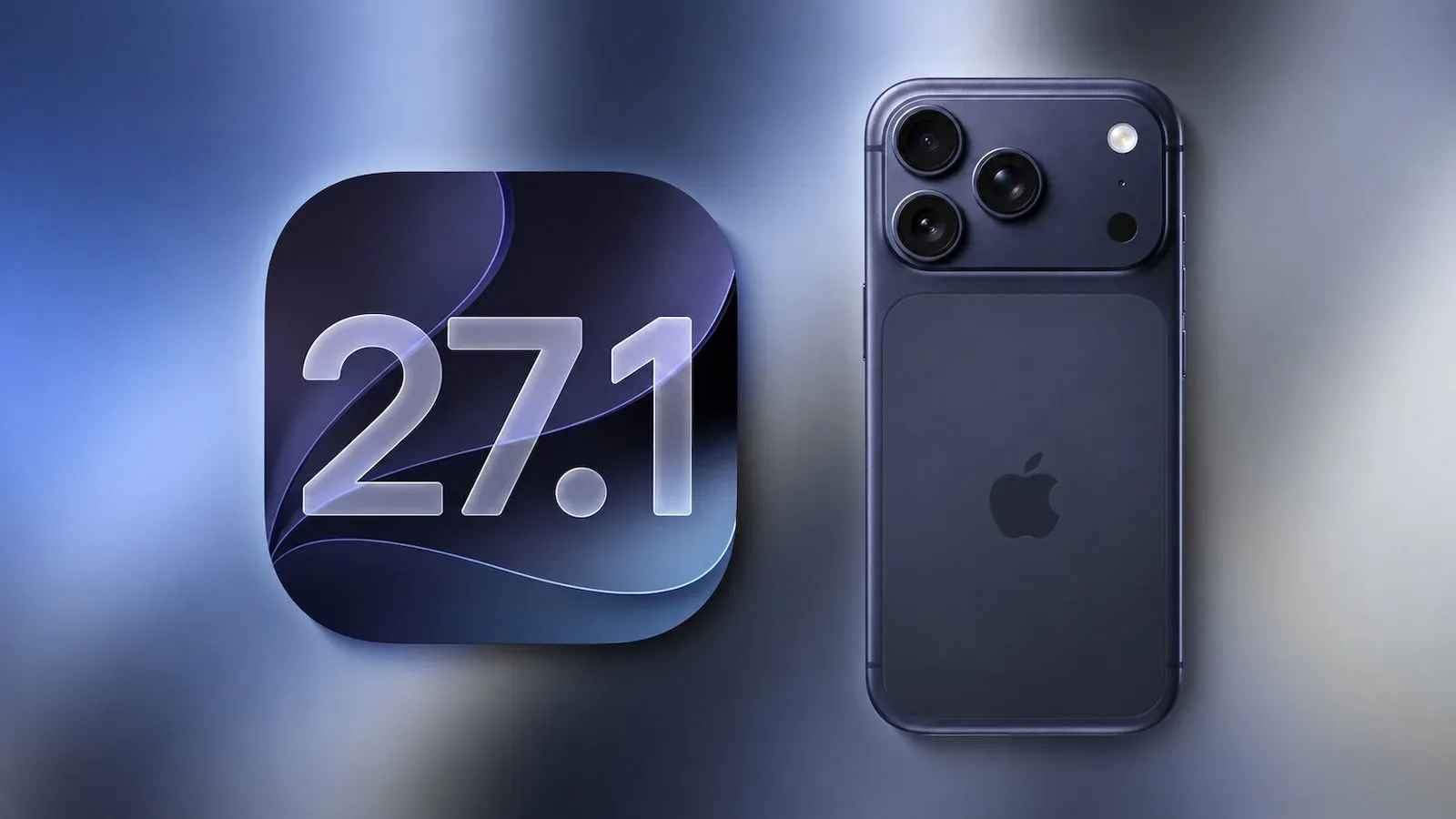
There is currently no announced release date for Duo-Man. The reported iPhone Duo schedule places pre-orders on Friday, October 16, with availability beginning October 23. Those dates clarify when the device is expected to reach buyers, but they do not establish whether Duo-Man will be ready at launch, how it may be distributed or what final features it could include.
That uncertainty is worth keeping front and center. Hackathon work can demonstrate a compelling direction without becoming a public product in the same form. An eventual release could differ in polish, supported music sources or interaction details, and it may not materialize at all.
Still, the prototype has already made its case as a piece of foldable-specific design. Duo-Man’s cleverness is not simply that it draws a cassette on a screen. It asks the phone to participate in the fiction: open it to load the music, close it to let the tape “play.” For a device category often sold on flexibility, that is a neat, unusually human use for the fold.