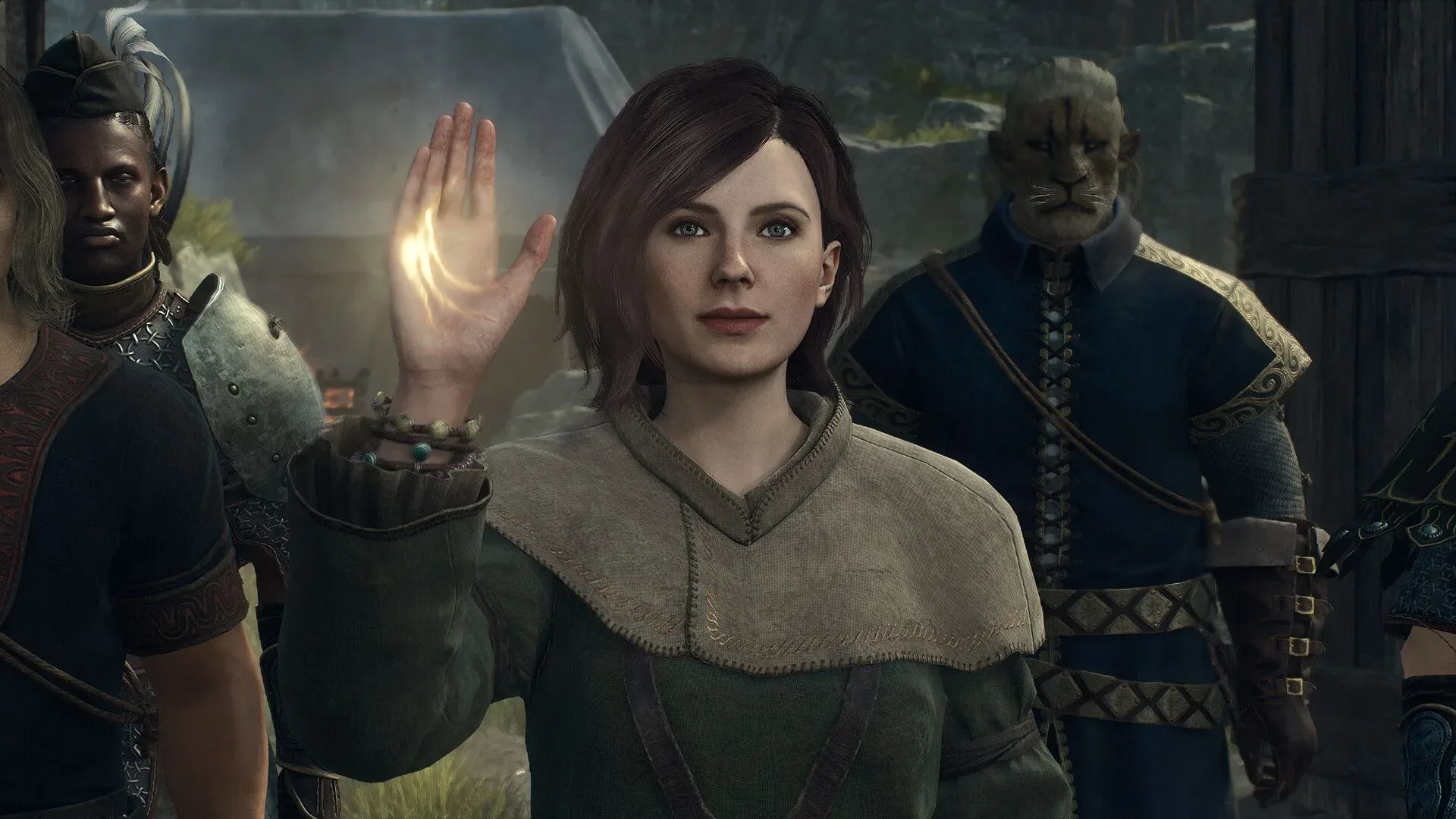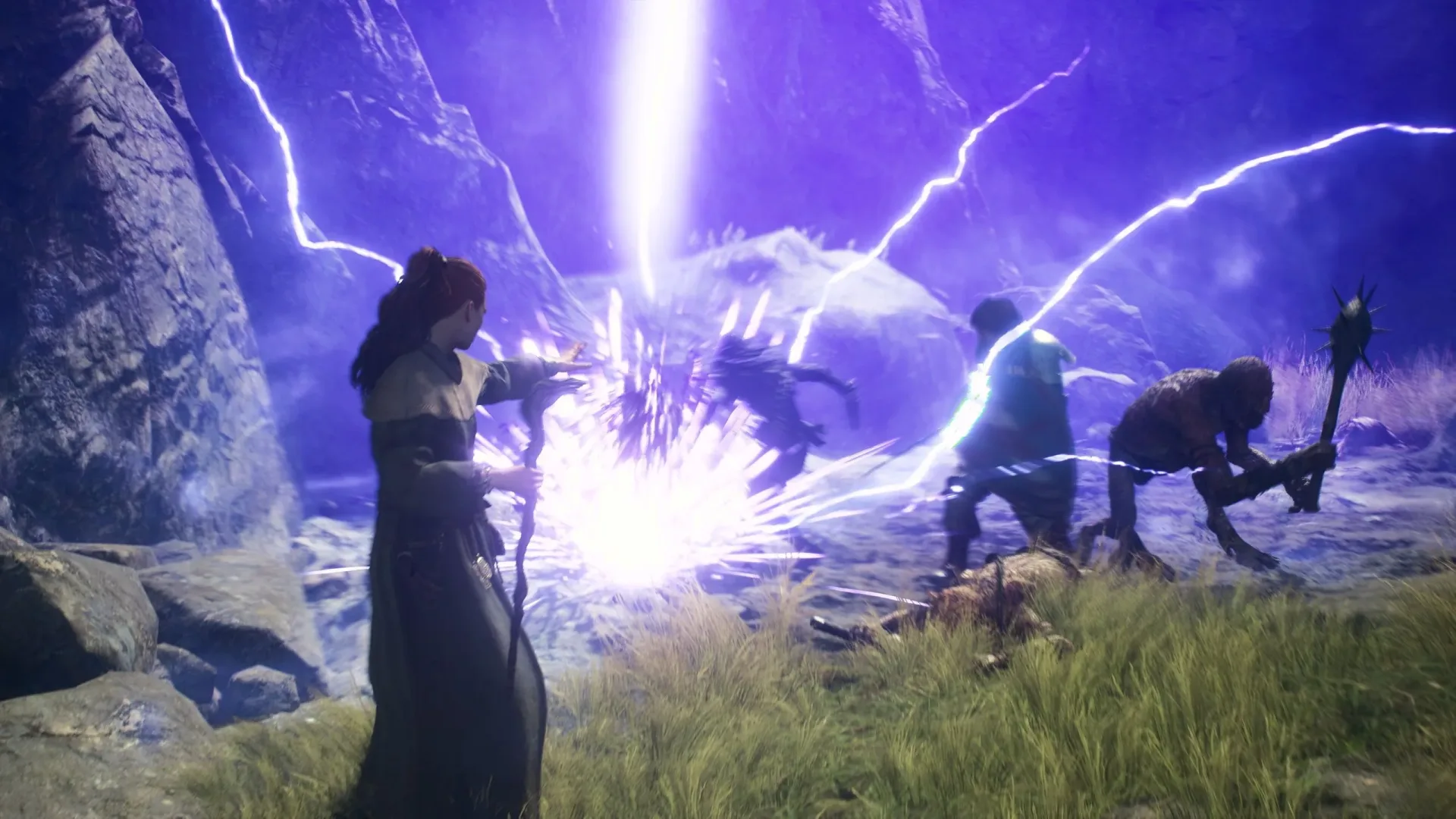
Dragon’s Dogma 2: Dark Arisen is approaching release with an early aggregate critic score of 84, putting the new expansion three points ahead of the 81 associated with the original Dragon’s Dogma expansion of the same name. The comparison is a small numerical gap, but it is a favorable opening for a follow-up carrying the weight of a well-regarded predecessor.
The DLC is set to launch tomorrow, returning attention to Dragon’s Dogma 2 after the base game’s 2024 release. Its early critical reception has been positive enough to frame the expansion as more than a nostalgic reuse of an old subtitle: some early assessments characterize it as an addition that significantly strengthens the larger RPG package.
For players watching from the battlements rather than immediately charging into the snow, the important caveat is that an aggregate score is an early snapshot, not a universal verdict. It combines published critical reviews on a shared scale; it is not the same thing as a player score, a sales measure, or proof that every part of the expansion will suit every returning Arisen. Still, it provides a useful first comparison between two DLC releases separated by roughly 13 years.
An 84 start, versus 81 for the first Dark Arisen
The original Dragon’s Dogma received its Dark Arisen expansion in 2013. That release is associated with Bitterblack Isle and formidable enemies, establishing a particularly tough and distinct piece of content within the original RPG’s legacy. Its critic aggregate stands at 81, while its user score is 7.9.
For more context, explore Turnstile Sets Free Washington Monument Charity Show Supporting Aid in Palestine, Sudan and Lebanon.
The new Dark Arisen begins at 84. Three points should not be treated as a clean declaration that one expansion is objectively superior in every category—aggregate scores round a broad range of individual opinions into one easy-to-read number—but the direction is clear: the newer DLC has opened with a stronger critical average.
That result matters because a sequel expansion is often judged on two fronts at once. It must work within the systems, world, and character progression of the newer game, while also answering the unavoidable question of whether it captures the appeal of the prior expansion. Early commentary suggests the new content is being viewed as accomplishing the role of the original follow-up and extending it further.
Readers can see the reported opening-score discussion in this overview of Dark Arisen’s early 84 aggregate.
What the new expansion says it adds
The supplied details point to several pillars for the new content: enhanced gameplay, new adventures in the snowy and unforgiving region of Norgan, and an improved character creator. Each speaks to a different kind of player expectation.
- Enhanced gameplay refers broadly to changes or improvements in how the game plays, rather than simply new narrative or map content. The available information does not specify individual mechanics, balance changes, classes, or combat systems, so those details should not be assumed.
- Norgan is the newly identified snowy setting for the expansion’s adventures. Its cold, hostile description establishes a different atmosphere, but does not by itself confirm its size, structure, enemy roster, or quest count.
- An improved character creator is notable in an RPG because character creation is where players establish an avatar before spending extensive time in a world. The precise upgrades have not been detailed here, so prospective players should avoid reading unconfirmed options into that promise.
That combination gives the DLC a practical identity beyond a score comparison. New geography offers a destination, gameplay enhancements suggest adjustments to the moment-to-moment experience, and creator improvements affect how players begin or revisit their journey. It is a broad expansion pitch, but not one that currently supports assumptions about every individual feature.
Why Bitterblack Isle still matters to this comparison
Bitterblack Isle remains the natural reference point because it was a defining element of the first Dark Arisen. When a successor uses the same expansion name, players are likely to look for a similar sense of danger and memorable encounters, not merely a label on a downloadable package.
That does not mean Norgan needs to be Bitterblack Isle with the thermostat turned down several alarming notches. A sequel expansion can succeed by interpreting its predecessor’s purpose rather than duplicating its exact setting. In this case, the available description emphasizes a snowbound, unforgiving adventure, while the early reviews indicate that critics see value in what the DLC brings to Dragon’s Dogma 2 as a whole.
The score advantage is therefore best read as encouraging evidence, not as a final ladder ranking. The older DLC’s 81 remains a strong result, and its 7.9 user score gives a separate view of audience response. Critic and user scores measure different pools of opinion, collected in different ways, and should not be mashed together as if they were interchangeable dragon scales.
What prospective players can take from the early reception
For existing Dragon’s Dogma 2 players, the initial 84 suggests that the expansion is receiving a warm critical welcome ahead of release. For people who admired the 2013 DLC, the more meaningful signal is that early reviewers see the new release as a credible successor rather than a purely cosmetic callback.
For everyone else, the sensible takeaway is narrower. The expansion appears positioned as substantial new RPG content with a hostile snowy locale, gameplay enhancements, and character-creation improvements. It has not yet established a final player consensus. That will develop only after the DLC is broadly available and audiences have time to assess it for themselves.
Dragon’s Dogma 2: Dark Arisen is listed at $30 on Steam and other platforms. The provided information confirms Steam availability but does not identify the full platform list, so buyers should check their preferred storefront directly before assuming support for a particular system.
The real test comes after launch
The 84-to-81 comparison gives the new Dark Arisen a tidy early headline, and it is certainly more flattering than being chased through Norgan by a giant monster with a bad attitude. But an aggregate critic score is only one part of an expansion’s reception. The next measure will be how players respond to its new adventures, its gameplay changes, and its revised character-creation tools.
For now, the sequel DLC has cleared an encouraging first hurdle: it is opening above the original expansion’s critic average while inheriting a name with meaningful history for the series. Whether it ultimately earns a stronger audience score than the original’s 7.9 remains an open question—not a prophecy, not a quest marker, and definitely not something an 84 can settle on its own.