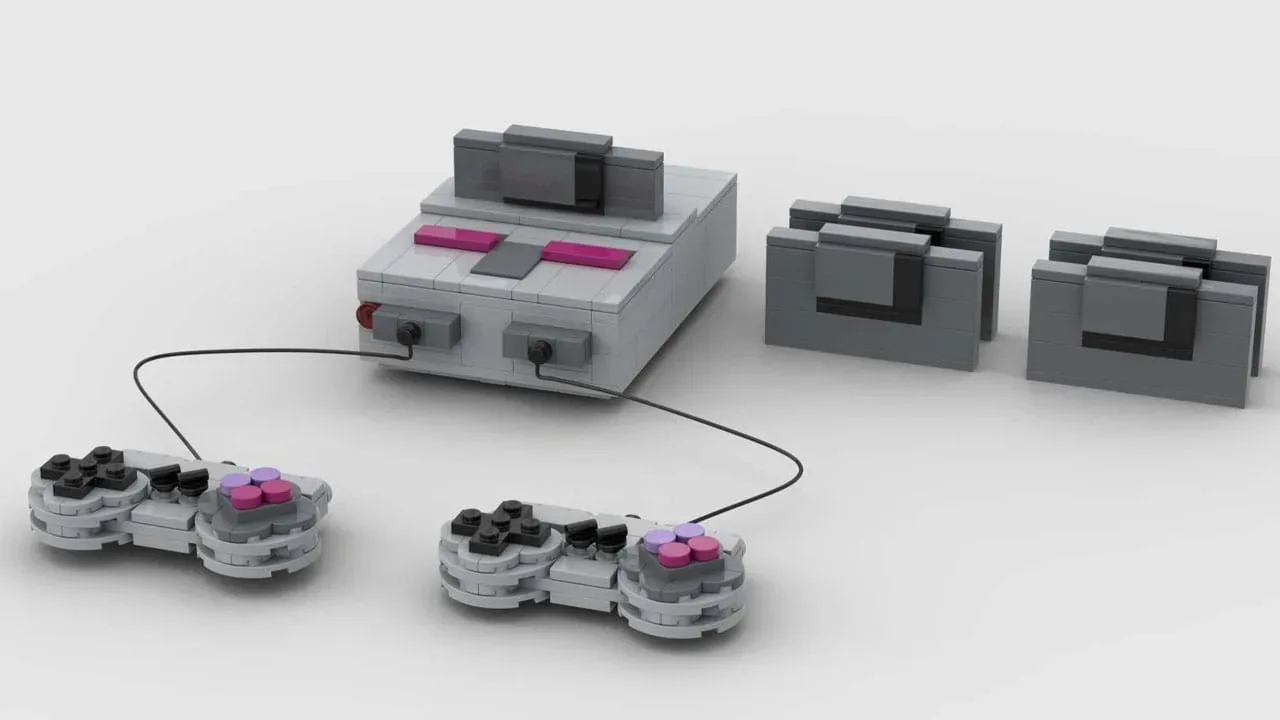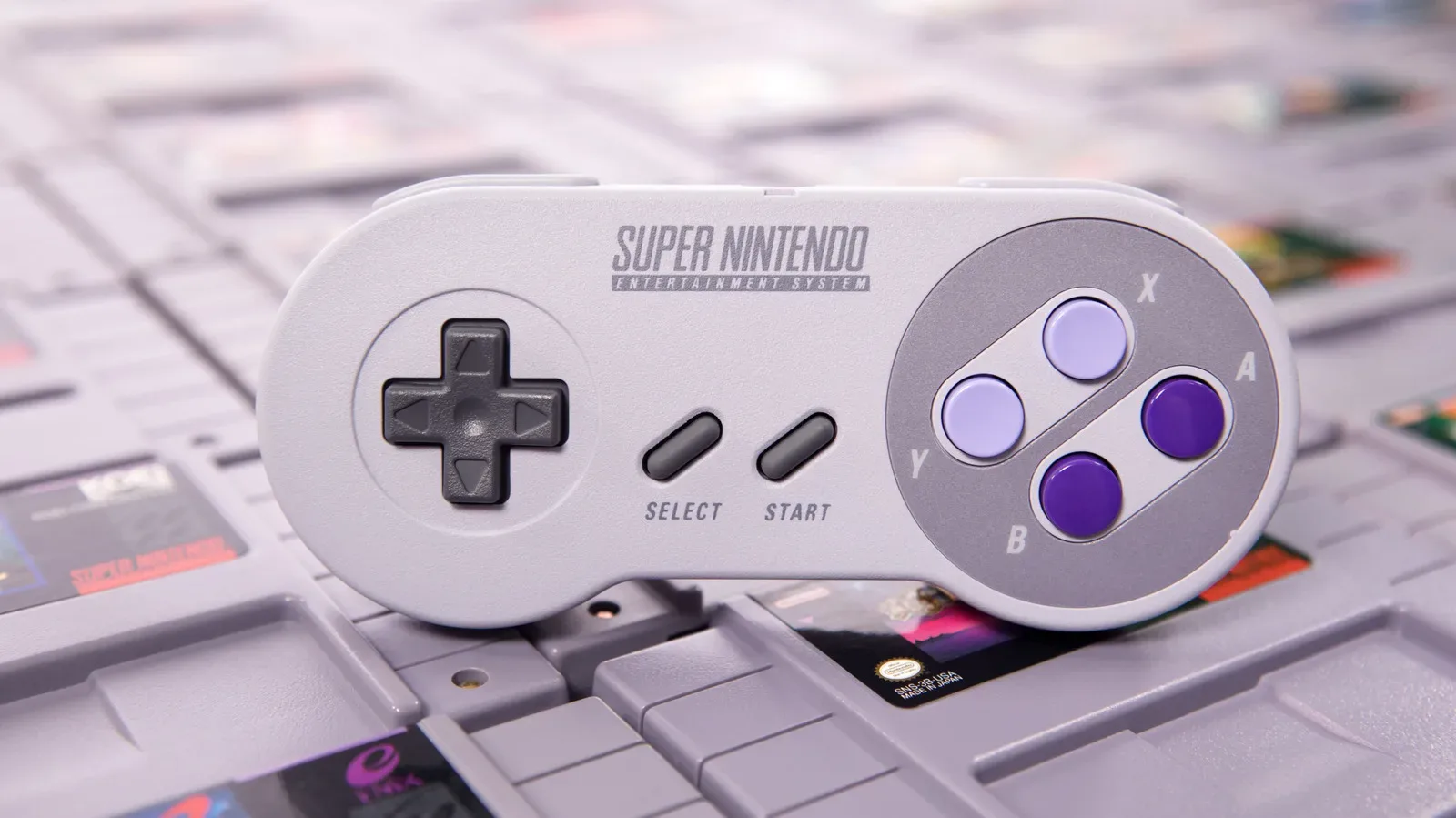
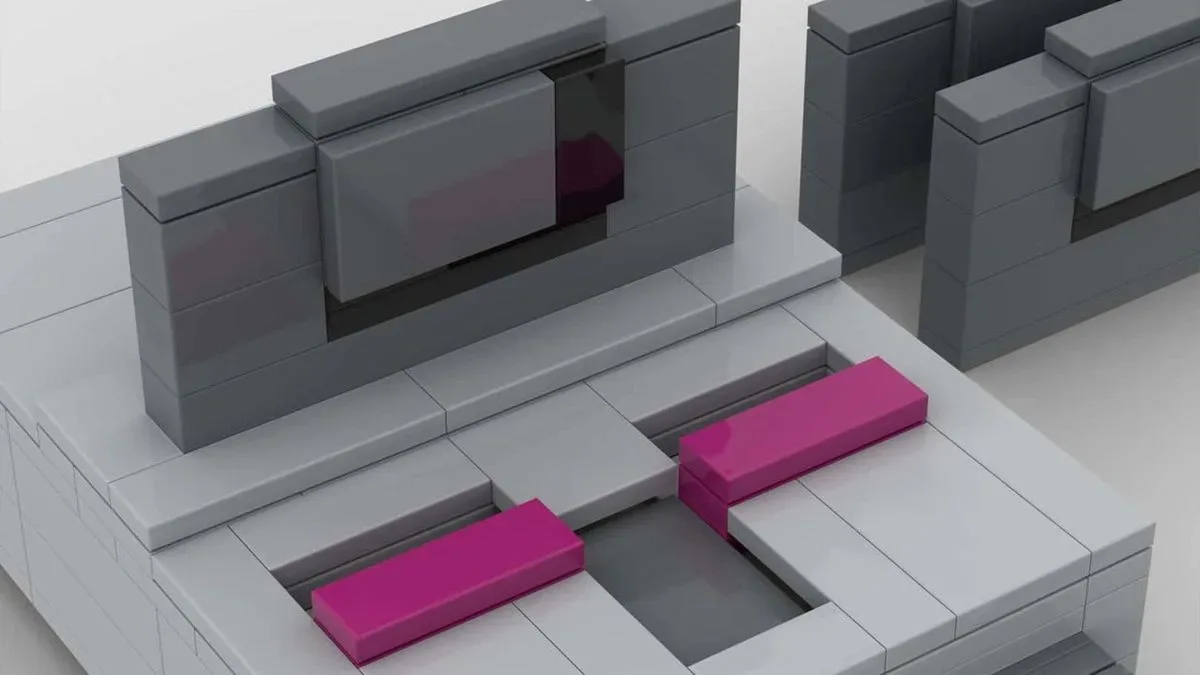
A fan-made, SNES-inspired console project has begun gathering support on LEGO Ideas, offering a compact brick-built tribute to Nintendo’s 16-bit hardware rather than an official product announcement. Created by LEGO Ideas user FoxDude5795, the model is designed around the North American, or NTSC, Super Nintendo look: the familiar rectangular console shape, purple-and-lavender controller styling, and pink power and reset controls are all part of the concept.
The proposal is still at the very beginning of its campaign. It was reported to be at 99 supporters shortly after going live, putting it close to its first 100-supporter milestone. Reaching that point is only the opening level, however. The project must ultimately attract 10,000 supporters before it can be submitted to the LEGO Ideas judging process.
That distinction matters. Supporting a project is free, but a successful supporter total does not mean the design has been approved, licensed, manufactured, or scheduled for sale. It earns the proposal consideration; any decision to turn it into a retail set would come later and would depend on the review process.
A brick-built SNES display piece with working details
The proposed set is described as a medium-scale build intended for display. Its relatively compact format is a key part of the appeal: a console model that can sit on a desk or shelf without demanding the footprint of a full-size recreation. Visually, it recalls the SNES Mini-style silhouette, but the project’s details point back to the original cartridge-era machine.
FoxDude5795’s concept includes:
- One SNES-inspired main console;
- Two matching controllers;
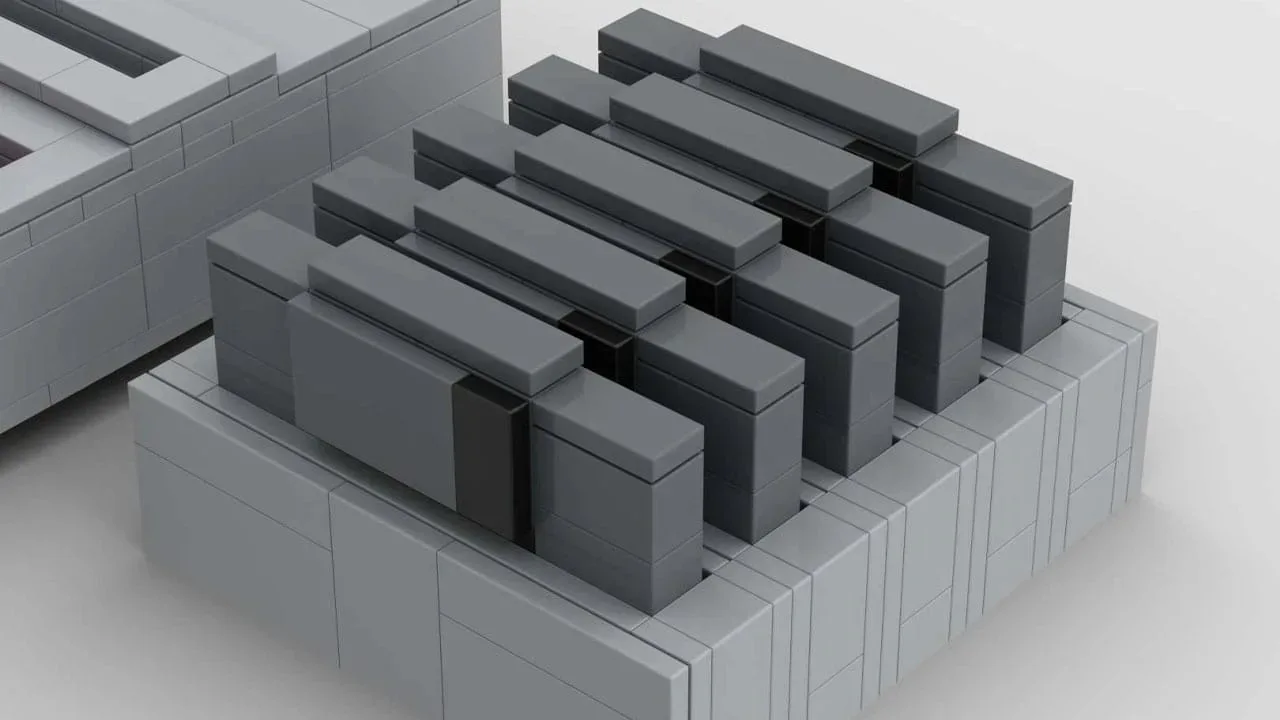
- Five cartridges that can be inserted into the console;
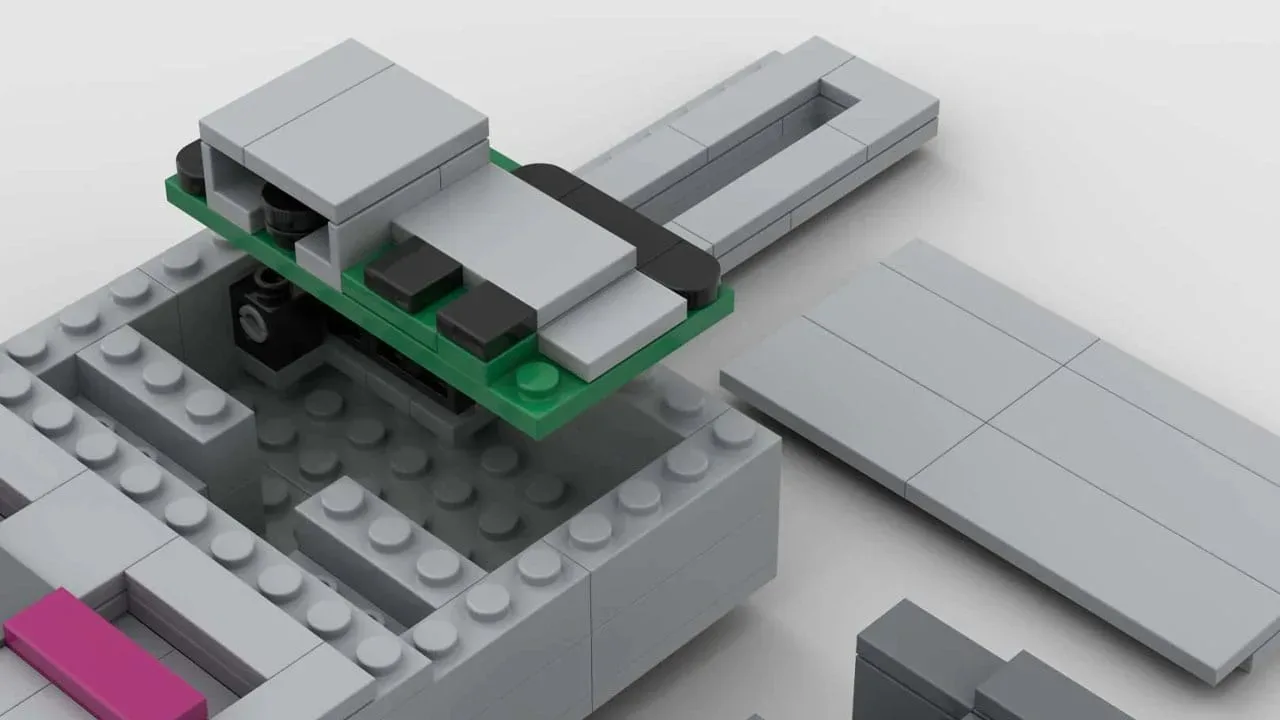
- Switching or spring-loaded controls, including the power, reset, and eject functions;
- The NTSC-style pink console buttons.
Those interactive parts are important because they turn a static model into an object with a little of the ritual associated with older game hardware. A cartridge going into a slot, an eject control moving, and a power switch changing position are small mechanical gestures, yet they carry much of the identity of a physical console. In a brick build, they also give the construction a purpose beyond simply reproducing the outline of a familiar machine.
NTSC refers to the television standard historically used in North America and certain other regions. In this case, the term helps distinguish the console design being referenced. The project uses the North American SNES appearance rather than treating every regional version as identical.
The 10,000-supporter route, explained
LEGO Ideas is a platform for fan-created product concepts. A designer uploads a proposal and seeks community support through a series of thresholds. For this SNES-inspired submission, the initial goal is 100 supporters within 60 days. Once that milestone is met, the project receives an additional 360 days to pursue 1,000 supporters. From there, it must continue through the larger 5,000 and 10,000 targets.
Related coverage includes SNES-Inspired LEGO Ideas Build Nears Its First Supporter Milestone.
The final number is substantial, which makes early momentum encouraging but far from decisive. A project can be attractive to retro-game fans and still face a long campaign: it needs continued visibility well after the excitement of its first day online has passed. The presence of a recognizable console form, moving components, controllers, and swappable cartridges gives supporters several tangible features to rally around, rather than asking them to back a simple decorative sculpture.
Still, 10,000 supporters is a gateway, not a finish line. The judging stage is where questions outside the fan design itself become central. Licensing, the suitability of the final product, and the feasibility of translating a community concept into a commercial set all sit beyond the supporter campaign. Until then, this remains a fan proposal, not confirmation of an official LEGO SNES.
Why a Super Nintendo build has obvious appeal
The project arrives in a landscape where game-console brick sets already have a clear audience. LEGO has previously released a Nintendo Entertainment System set and a Game Boy set, while Sega’s Mega Drive has also appeared in brick form. That context makes a Super Nintendo-inspired project easy to understand: it fills an apparent gap for people who want a build centered on Nintendo’s next home-console generation.
It also aims at a particular kind of gaming nostalgia. Software may define what players remember from a system, but hardware defines the place those memories lived. The color of the buttons, the feel of a controller shape, and the act of loading a cartridge are all visual shorthand for the period. A display-oriented set can capture that without needing to recreate a working console or bundle playable games.
The five cartridge pieces are especially useful in that respect. They give the model variety and encourage customization through labels or game-themed stickers if the concept ever developed further. At present, though, no final component count, sticker sheet, game branding, price, release date, or official retail plan has been established.
Could it ever play games? That is a modding question, not a promise
The project also invites a more technical thought: could a skilled hobbyist modify a brick-built console so that it actually runs games? Brick-based gaming projects and console-themed kits have shown why the idea is tempting. A modder could theoretically use the empty interior of a display build to house electronics, with the cartridges serving as themed components or enclosures.
But that possibility should be kept firmly separate from the proposal’s stated features. This LEGO Ideas submission is presented as a build with movable controls and insertable cartridges; it is not described as playable hardware. No electronics, emulation functions, display output, or compatible software are promised.
Modding means altering a product after the fact, often to add functionality its original design did not provide. In a hypothetical playable brick console, that could involve fitting a small computer, controller hardware, power components, and other electronics inside the model. The practical hurdles are considerable: space, wiring, heat, input reliability, and preserving the exterior build all need attention. The idea is a creative extension for individual hobbyists, not an indication of what a finished retail set would do.
For readers interested in the broader technical side of how older games are studied and reconstructed, retro game decompilation and AI projects offer adjacent context, though a display build and a playable restoration project are fundamentally different undertakings.
What supporters are backing right now
Backing the project means backing the possibility of an official consideration for a compact SNES-inspired construction set—not reserving a copy and not purchasing a finished product. The most concrete elements are the fan design’s current visual direction: an NTSC-styled console, two controllers, five insertable cartridges, and mechanical controls intended to mimic the movements of the original hardware.
For retro gaming collectors and LEGO builders, that may be enough to make the campaign worth watching. The design understands that a console is more than a grey box on a shelf. Its appeal rests in those small, recognizable actions: selecting a cartridge, pushing it into place, flicking a power control, and seeing the hardware’s shape rendered in bricks. Whether it can sustain momentum through the remaining LEGO Ideas milestones is the real challenge now.