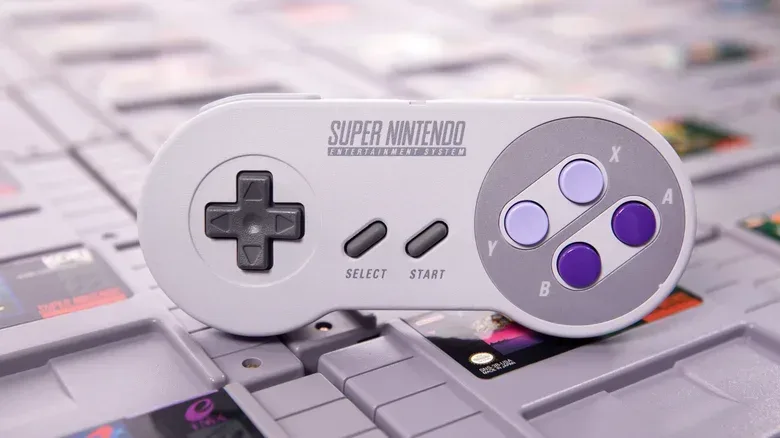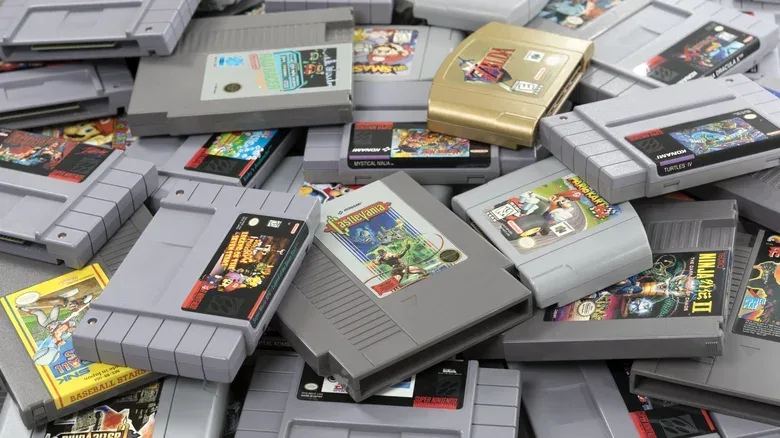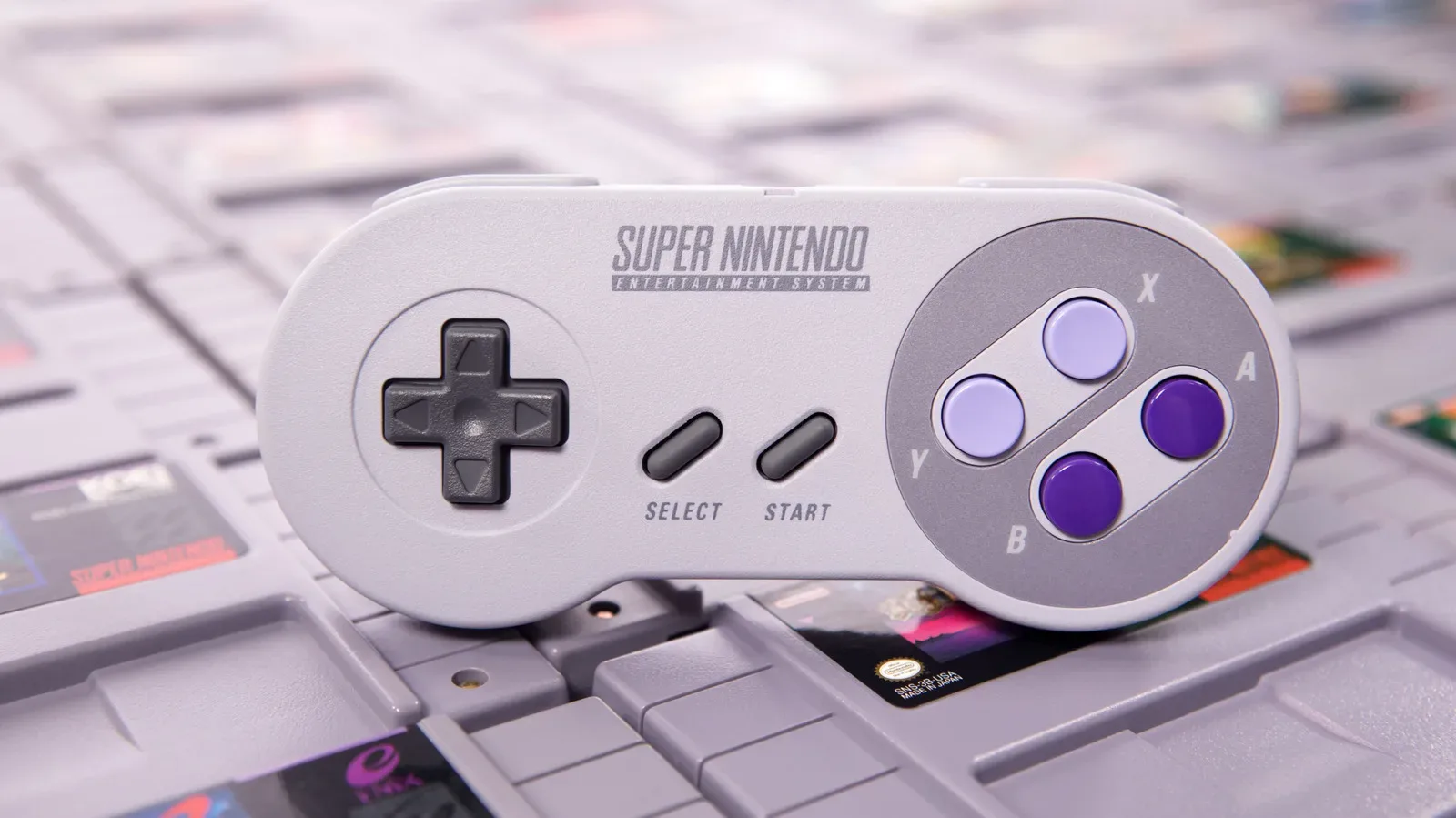
For a machine that reached the United States in 1991, the Super Nintendo Entertainment System has a remarkably expensive afterlife. A player can access many older games through rereleases, remakes, or emulation, but none of those routes quite replaces an original cartridge resting on a shelf—or clicking into an actual SNES. That distinction is central to why the market for original games can feel so strange in 2026.
The basic explanation is not that every SNES title has become rare or that every old cartridge is automatically valuable. The market is far more uneven than that. A loose copy of Super Mario World, a game produced in enormous numbers, can still sell for roughly $17 on eBay. Meanwhile, a loose EarthBound averages close to $400. The gap is the story: original SNES games are priced by the collision of limited surviving supply, a game's original sales footprint, its cultural reputation, and the number of people who now want a physical copy.
That is enough to make the hobby feel costly, especially for anyone returning to a childhood favorite after years away. But it also provides a useful way to separate broad market forces from the individual games that attract the fiercest competition.
A finite cartridge supply meets lasting interest
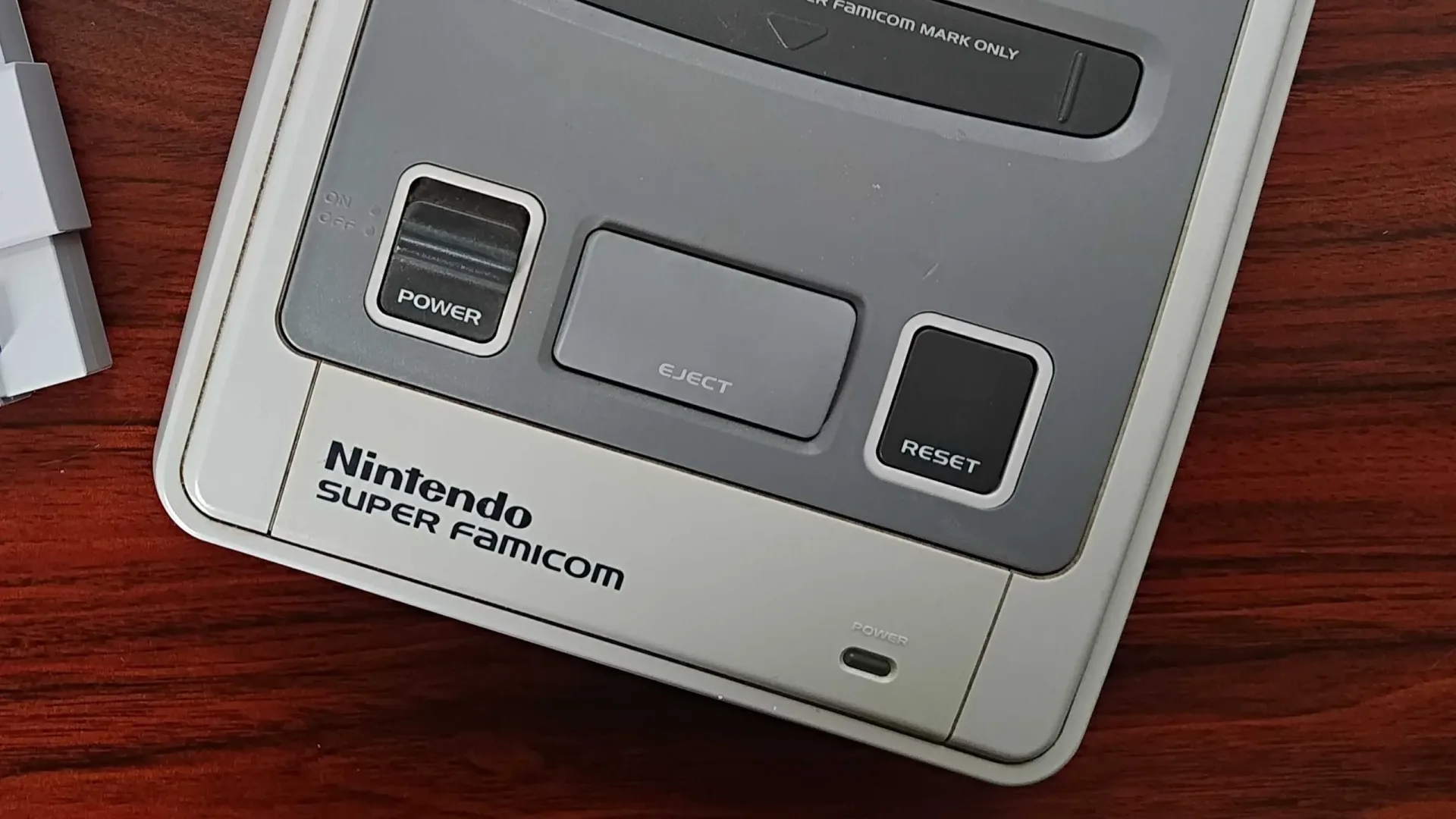
The SNES launched in Japan in late 1990 as the Super Famicom and arrived in the United States in 1991. It sold just over 49 million consoles worldwide. During its lifetime, more than 379 million pieces of software were sold for the system—a substantial total, but one that looks much smaller beside the Wii's more than 921 million software units.
More importantly, production stopped long ago. Every original SNES game being sold today comes from the pool made decades earlier. That does not mean the number of cartridges is frozen in a practical sense: copies are found in closets, sold from personal collections, and move between owners. But no new official stock is entering the market. A cartridge that was discarded, damaged, misplaced, or simply wore out is no longer part of the usable collector pool.
Scarcity, in this context, does not merely mean that a game had a low print run. It means the available number of desirable surviving copies is limited relative to the people trying to buy them. A game may have had healthy sales in its day and still be difficult to find in especially attractive condition decades later. Conversely, a game that was a blockbuster can remain comparatively affordable because enough copies endured.
That supply-and-demand tension is not unique to Nintendo hardware. GameCube titles are another prominent example of a library where limited original supply can push prices upward. The SNES stands out because its major games retain an unusually visible place in gaming culture while the cartridges themselves have become artifacts of a much earlier retail era.
Not every expensive game is expensive for the same reason
The market makes more sense once buyers stop treating “SNES game” as a single category. The cartridge alone is one product state, while a boxed copy, a copy with its manual, and a particularly well-preserved example can appeal to different buyers. The evidence behind the headline prices here is specifically for loose copies—meaning the cartridge without the original box and paperwork. Even at that entry point, availability varies sharply.
Related coverage includes Why Original SNES Games Still Command High Prices.
EarthBound is the clearest illustration. It sold about 140,000 copies in the United States, then developed a cult-classic reputation. Those are two separate market drivers working together. Its lower sales base limits the number of copies that could potentially be circulating, while its later esteem widens the group of people who want one. A cartridge can therefore become much more expensive than a more common game, even though both were once ordinary store products.
Super Mario World demonstrates the opposite side. It is one of the best-known games in the SNES catalog, but enormous production means an original cartridge still has a comparatively accessible market price. Popularity does not always produce extreme prices. If supply is deep enough, demand can be high without turning every listing into a bidding war.
The same principle helps explain why a familiar title can change meaning over time. In 2010, a copy of The Legend of Zelda: A Link to the Past could be purchased for about $17. Its current average is around $45, more than double that earlier figure. The game did not suddenly become new, and its original cartridge production did not resume. Rather, the original physical edition has had more time to be lost or degraded, while interest in returning to the SNES era has expanded.
Nostalgia is buying power, not just sentiment
There is a practical financial element behind retro demand. People who played SNES games as children are now adults, and some have discretionary income to spend on objects that once felt out of reach. For those buyers, the purchase can be about replaying a favorite. For others, it may be about finally obtaining the game they wanted but did not own at the time.
A 2025 survey of the British public underlines that broader urge: 71% of respondents said there was a particular piece of retro technology they wished they had owned as children, and 45% of that group were exploring a purchase. That does not measure SNES demand alone, nor does it establish what any one cartridge should cost. It does show that retro hardware and software have an audience whose interest is tied to both memory and unfinished childhood wish lists.
That distinction matters. A remake or a digital library may satisfy the desire to play, but it cannot fully satisfy the desire to possess the original object. An original label, plastic shell, and shelf presence are part of what some buyers believe they are paying for. The physical cartridge is therefore not interchangeable with access to the game, even when the game is legally available elsewhere.
For a seller, past willingness to pay becomes part of the market signal. If buyers repeatedly pay high amounts for a particular game, there is little incentive to offer it at a much lower price. That is not proof that every asking price is sensible or that a listed price equals a completed sale. It is simply how a limited-supply collector market sustains itself: transactions at higher levels shape expectations for the next transaction.
New audiences keep finding old games
SNES demand is not powered exclusively by people who grew up with the console. Older games have continued to reach new players through video culture, competitive communities, official libraries, and modern remakes.
Let’s Plays on YouTube made it easier for viewers to encounter classic games as entertainment and discover games they never had access to in the 1990s. The platform’s 2012 shift toward prioritizing overall watch time rather than clicks is one potential piece of that longer change, encouraging extended viewing formats. Whatever mix of factors drove an individual viewer to older games, the result is that a title no longer needs to rely solely on word of mouth from its original release period.
Speedrunning has also kept classic games in public view. A speedrun is a playthrough aimed at completing a game as quickly as possible under a chosen ruleset. Older games often have extensive documentation and more widely studied exploits—unintended behaviors that players can use to save time—which can make them especially durable within that scene. Events such as Awesome Games Done Quick feature a high concentration of classic titles for those reasons.
Super Metroid is one of the most frequently featured games across the history of that event and averages a little more than $90 for a loose copy. Its price cannot be reduced to speedrunning alone, but repeated high-profile exposure helps explain why a decades-old cartridge remains desirable to people who may not have experienced its original release.
Official access and remakes create another route in. Nintendo Switch Online has continued to build its classic-game library, while remake projects can introduce a recognizable name to a new generation. Nintendo’s broader modern presence also keeps its older series visible; for example, the company continues to spotlight its catalog through initiatives such as its Pikmin Day plans and Pikmin 4 demo coverage.
Super Mario RPG shows why modern availability does not automatically deflate original-cartridge prices. Its Nintendo Switch remake arrived in 2023 and retails for $60, while the original SNES edition averages around $65. A player who only wants to experience the adventure has a modern alternative. A buyer looking for the original cartridge is purchasing something different: an older version of the game and a physical item from the SNES era.
What a high price does—and does not—tell a buyer
High prices can make it tempting to assume every SNES game is an investment, but the available evidence supports a narrower conclusion: demand is selective. The market rewards some titles far more strongly than others, and it distinguishes between common cartridges and those with smaller original sales or unusually strong long-term reputations.
For someone building a personal SNES library, the most useful first question is whether they want to play a game, display an original, or do both. Those goals can lead to different choices. A remake, rerelease, or emulator can be a practical way to experience a title without competing for a decades-old cartridge. Original media is the option for buyers who specifically value the object and its historical format.
It is also worth keeping the language precise. “Rare” should not be a blanket label for any game carrying a high price. A title may be expensive because surviving supply is constrained, because its fanbase is unusually devoted, because it has sustained visibility through speedrunning and online video, or because several of those conditions apply at once. The $17 Super Mario World example is a useful corrective: one of the SNES’s most famous games can still be relatively affordable when its supply remains abundant.
Ultimately, the original SNES market reflects more than software access. The console’s library sits at the meeting point of preservation, nostalgia, cultural rediscovery, and physical collecting. There are only so many authentic cartridges still circulating, and an expanding range of buyers—returning players and newcomers alike—want particular games for reasons digital convenience cannot completely replace. That is why an old gray cartridge can still produce very modern sticker shock.