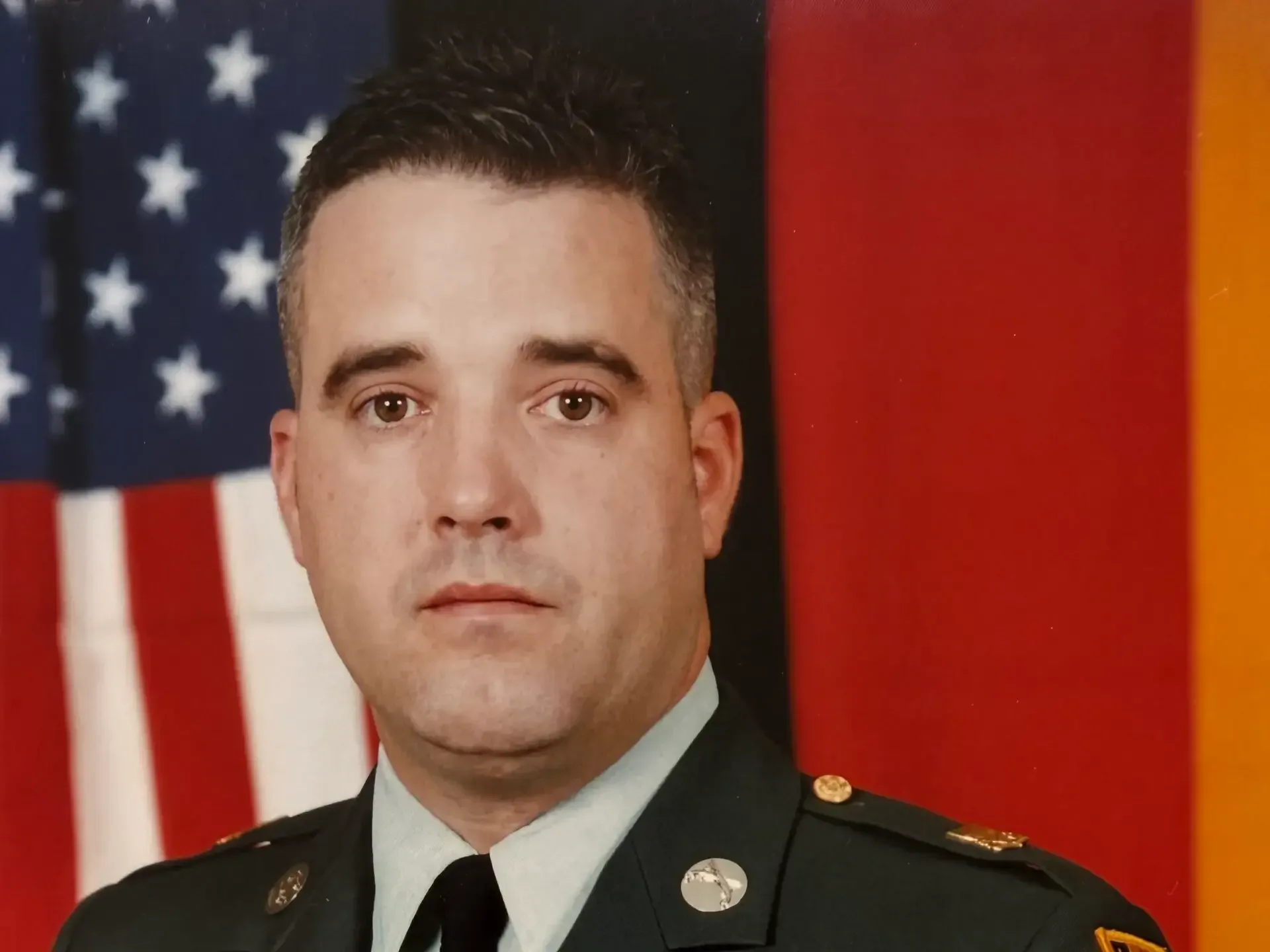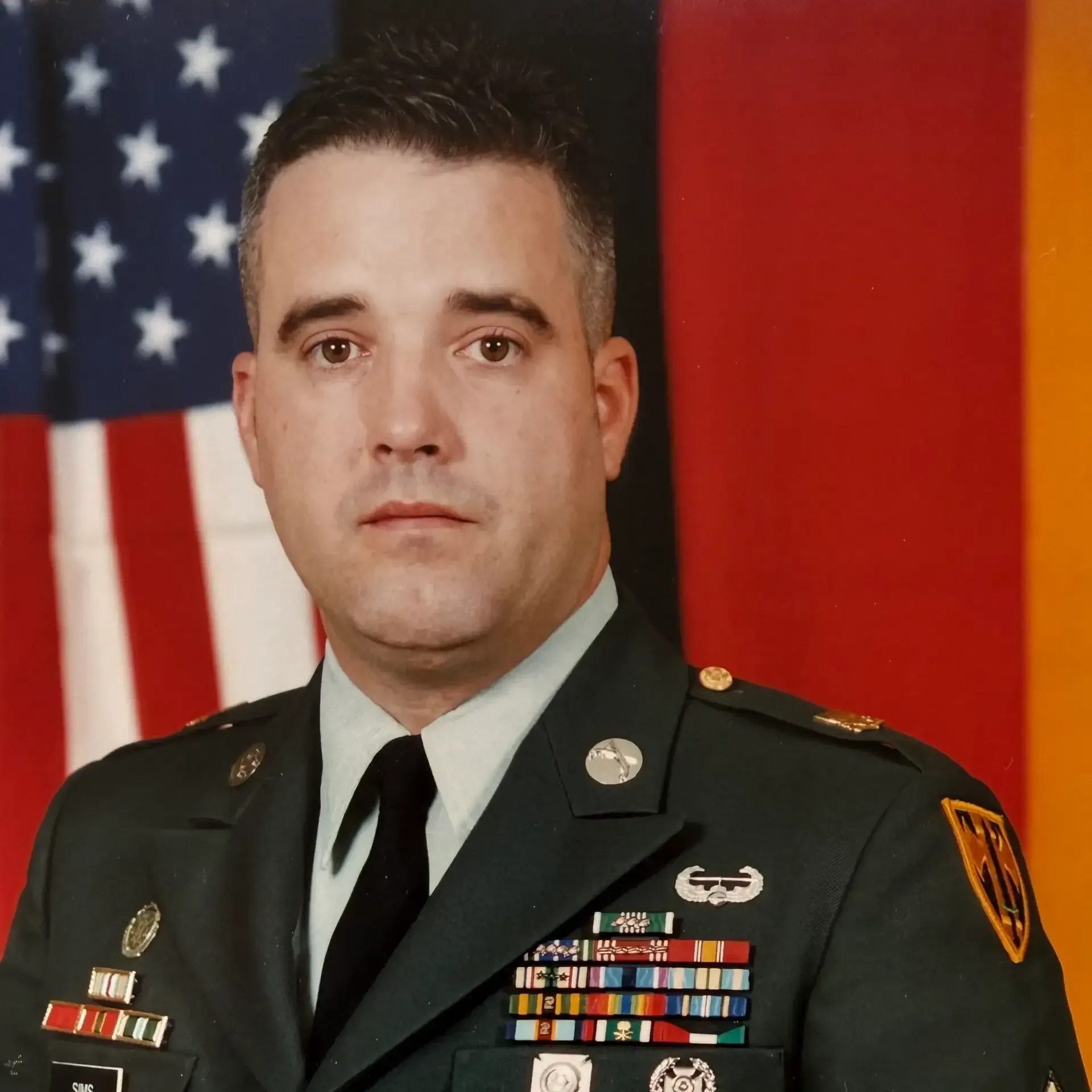
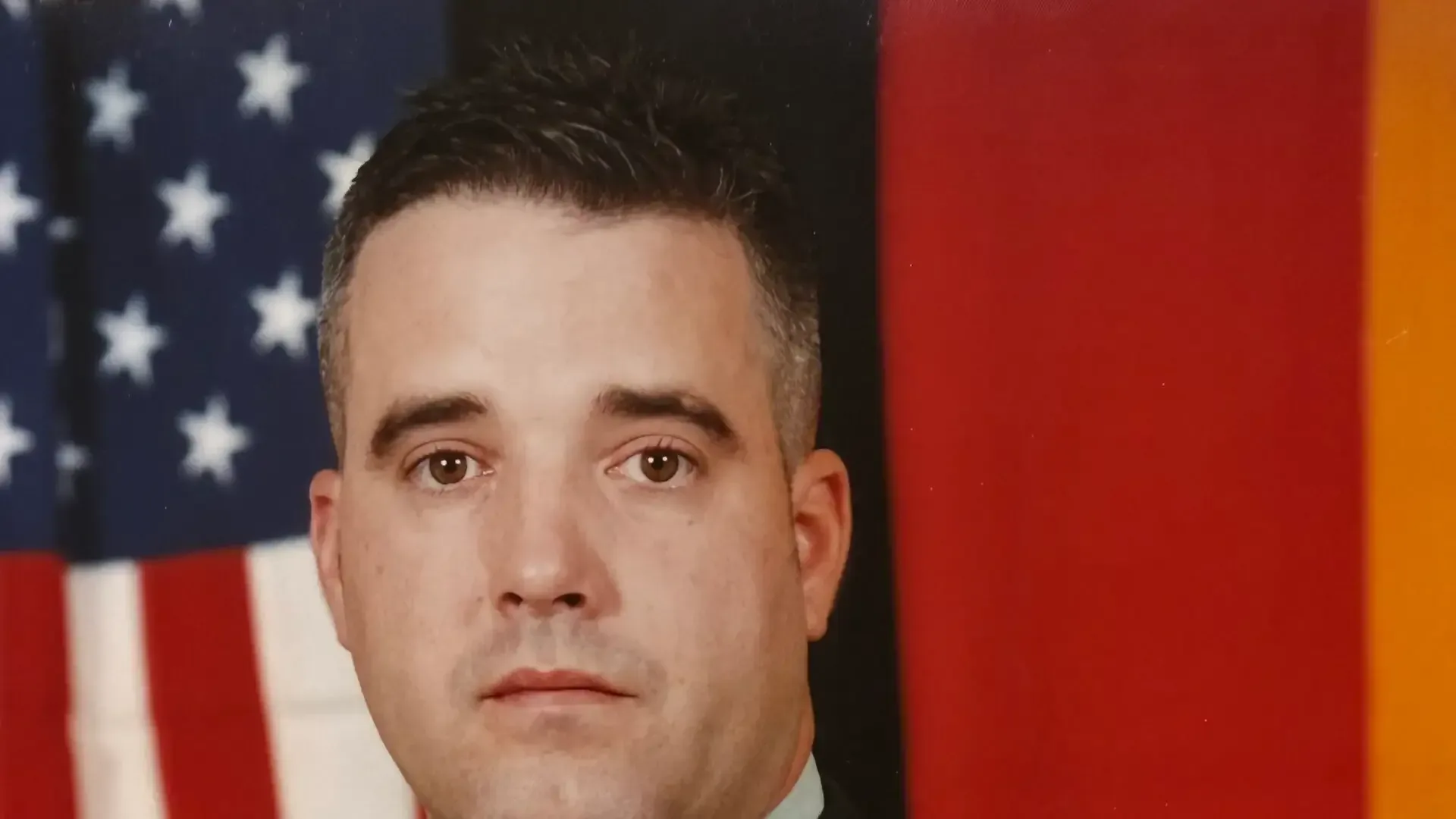
Donald “Billy” Anthony Sims II collected far more than sports cards and signed memorabilia. The collection left behind after his unexpected death in August at 60 is also a detailed record of fandom, military service, family outings, careful organization and decades spent seeking out the athletes who mattered to him.
Sims, a Pittsburgh native who made his home in Laurel, Maryland, was a lifelong Steelers and Pirates fan. He served 20 years in the U.S. Army as a Military Policeman, including deployments to Germany, Kosovo, Operations Desert Storm and Desert Shield, and Iraqi Freedom. Following his military retirement, he worked another 20 years for the Army at Fort Meade as a civilian contractor. He and his wife, Kristen, had recently retired and were preparing to move closer to family in Chattanooga, Tennessee.
Now, his niece Rachel Brossfield and nephew Tyler Griffin are working through the collection. The scale of that task is substantial, but so is the purpose: preserving an uncle’s enthusiasm for the hobby and the personal histories attached to individual pieces.
A childhood collection lost, then rebuilt
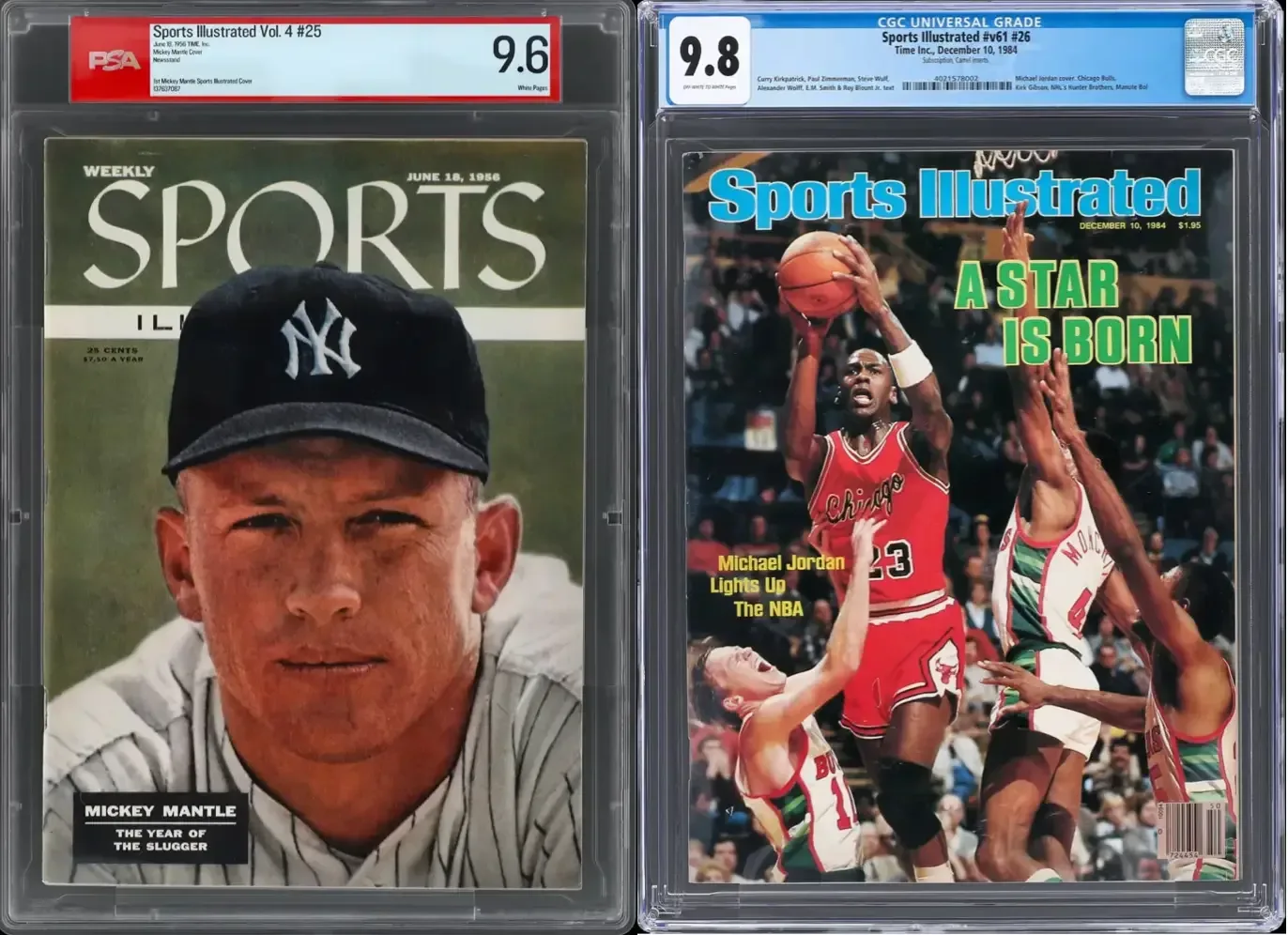
Sims began in the familiar way many longtime collectors do: as a child, opening and saving cards. His first collection reflected the teams and stars of a Pittsburgh childhood, including Steelers cards and cards of Mickey Mantle, Hank Aaron, Roberto Clemente and Dick Groat.
After high school and joining the Army, Sims returned home to learn that the early collection had been discarded. That setback did not end his involvement in the hobby. Instead, he collected throughout the rest of his life, expanding from cards into signed equipment, jerseys, helmets, artwork and other sports artifacts.
That persistence gives the collection its most meaningful through-line. It was not built as a short-term project around one player, one product or a market trend. It became a durable personal pursuit, reaching across baseball, football and golf while remaining rooted in Pittsburgh sports.
For Griffin, the hobby was also something passed down. Sims took him to card shops and shows from an early age, with the simple goal of sharing the enjoyment he got from sorting through cards, meeting other collectors and tracking down pieces for the collection. Griffin still collects, extending that connection in a practical, living way rather than treating the material solely as an inheritance.
More than a display: a collecting network
Sims regularly visited Sports Card Hero in Laurel. The shop was a social center as much as a retail stop: a place to buy and sort cards, talk with fellow collectors and seek help arranging autograph opportunities. He also attended card shows.
Related coverage includes Sgt. Billy Sims’ Collection Carries a Lifetime of Sports, Service and Family.
That is an important part of the story for anyone who sees a finished collection only as a list of objects. Collections of this kind are often built through relationships and routines. A local shop can connect a collector with signings, fellow fans and specialists. Shows can offer access to dealers, autograph opportunities and conversations that do not exist in an online listing. In Sims’ case, those hobby spaces were also places where he spent time with family.
His approach to autographs was flexible. At times he obtained signatures himself; at others, he arranged for someone else to get an item signed when he could not attend. His family found charts and photographs among his materials, with arrows identifying the signatures on particular items. That documentation matters because a signature is only one element of an autograph collectible. Notes about who signed, when it was obtained and how it entered a collection can protect the context that makes a piece understandable years later.
There is no indication that Sims collected only within easy reach of home. Brossfield recalled that he was organized about sending pieces out for signatures, even while stationed in Germany, whenever an opportunity appeared. An Army friend also said Sims met Hall of Fame quarterback Terry Bradshaw at Ramstein Air Force Base through the USO. The result is a collection shaped by travel, service and the opportunities encountered along the way.
Steelers history at the center
The Steelers were Sims’ clearest collecting focus. Among the standout items are a signed “Steel Curtain” jersey and helmet, a Jack Lambert-signed jersey, a team football autographed by players from the franchise’s early Super Bowl era and an autographed Ben Roethlisberger card. He also owned multiple Bradshaw-signed pieces.
The range of those objects captures how a team collection can cover multiple eras without becoming random. The Steel Curtain references the defining Pittsburgh defenses of the 1970s. Lambert and Bradshaw represent cornerstone figures from that period, while the Roethlisberger card carries the collection into a later Steelers chapter. The through-line is not merely the autograph; it is the fan’s relationship with a franchise across generations.
Pittsburgh’s influence extended beyond the Steelers. Sims owned autographed jerseys of Joe Namath, Johnny Unitas and Joe Montana, three famed quarterbacks with Pittsburgh-area roots. A Dick Groat-signed batting helmet linked the collection to the Pirates and to Groat’s unusual legacy as both a baseball standout and a Duke basketball player.
Other football pieces broadened the scope. Sims had Heisman Trophy and Pro Football Hall of Fame helmets bearing several signatures, along with a Washington Redskins helmet signed by Hall of Famers and Super Bowl MVPs Doug Williams and Mark Rypien. Kristen’s favorite player was Rypien. A University of Oklahoma mini-helmet was signed by Heisman winner Steve Owens.
One particularly personal item was a University of Tennessee football signed by Reggie White. Griffin said Sims admired both White’s style of play and his character. The connection became more poignant because White was from Chattanooga, the city Sims and Kristen were preparing to call home.
Baseball art with a long signature trail
One of the collection’s most significant pieces is a one-of-a-kind baseball artwork work carrying roughly 75 signatures collected over the years. Many are from Baseball Hall of Famers, including Ted Williams, Hank Aaron, Pee Wee Reese, Stan Musial, Frank Robinson, Carlton Fisk and Mantle.
Sims took the piece to a televised appraisal appearance in 2014, where it received an estimated value of about $100,000. That figure should be understood as a historical appraisal estimate for the work at that time, not a present-day valuation. Brossfield said Sims added further signatures after the appearance, which means the artwork continued to evolve.
Its importance is not exhausted by any estimate. Multi-signed pieces can be difficult to summarize because each autograph has its own history, while the object as a whole carries the story of how one collector patiently assembled it. Sims’ records and labels may be especially valuable in retaining that history as his family catalogs what he left behind.
Another signed artwork piece features Yankees icon Joe DiMaggio. Sims also owned a Jack Nicklaus Masters flag, despite not being a golfer himself. Griffin believed the flag was there because of Nicklaus’ significance. That detail makes the collection feel less like a narrowly optimized checklist and more like a selection guided by respect for sports greatness.
The cards still waiting to be uncovered
Although the signed memorabilia draws immediate attention, the card collection remains a major part of the work ahead. Griffin said the family had not yet fully gone through the cards because there are so many. They include numerous signed cards, among them a Patrick Mahomes rookie autograph card with a swatch, numbered to 50, which Griffin believes Sims pulled from a pack himself. There is also a card signed by both Watt brothers.
In card terminology, a rookie card is generally associated with a player’s first major trading-card season, while a swatch is a small material insert incorporated into a card. A serial number such as “one of 50” identifies that card as part of a stated 50-card production run. Those technical details can be important, but the family’s recollection that the Mahomes card may have come from a pack adds a different kind of provenance: a memory of the collecting experience itself.
As new sports-card products continue to reach collectors, including the baseball releases covered in this roundup of Topps Allen & Ginter X and Museum Collection, Sims’ cards offer a reminder that a collection’s real timeline can span a lifetime. The unopened pack, the show visit, the shop conversation and the signed item mailed out for an opportunity all become part of the archive.
A family carrying the story forward
For Brossfield, Griffin and Kristen, sorting the collection is not simply an exercise in determining what is there. They are encountering how thoroughly Sims’ interests were woven into his life: sports memorabilia, motorcycle riding and the traditions and history of the U.S. Army were his defining passions outside his family.
Sims was laid to rest at Chattanooga National Cemetery with full military honors. His collection remains with the people who knew why each category mattered to him: the Steelers devotion, the Pittsburgh ties, the iconic athletes, the local card-shop visits and the determination to keep collecting after the cards from his childhood were gone.
The most lasting part of that collection may be the habit he gave to his nephew and the stories his family is now taking care to preserve. There is still much left to uncover, but the central picture is already clear: Sims built a hobby life that was generous, organized and deeply personal.