Baseball’s on-field calendar may be over, but the hobby schedule is not slowing down. Two 2026 Topps baseball products are slated to arrive on Wednesday, November 11: Allen & Ginter X at 12 PM EST and Museum Collection Baseball at 1 PM EST. They share a release day and a manufacturer, yet their appeal is built around notably different ideas of what makes a box worth opening.
Allen & Ginter X is the darker, more limited-print companion to the regular Allen & Ginter release, retaining that set’s visual framework while turning every card black. Museum Collection takes the premium route: one eight-card pack per box, with stated autograph and relic content intended to make each box a concentrated high-end opening.
For collectors deciding where to direct a budget, the distinction matters more than the shared date. One product foregrounds a full black-card treatment, mini autographs and the series’ mixture of baseball and non-sports names. The other advertises on-card autographs, autographed relics, relics and major-name premium cards. Neither product’s pull is simply “baseball cards,” and neither should be approached as if every box provides the same type of result.
Allen & Ginter X: a black treatment across the set
Allen & Ginter has long been a divisive name among collectors: its distinctive style and broad subject matter are a major attraction for some, while others prefer products focused more narrowly on current players and conventional baseball designs. Allen & Ginter X leans into the former identity rather than abandoning it.
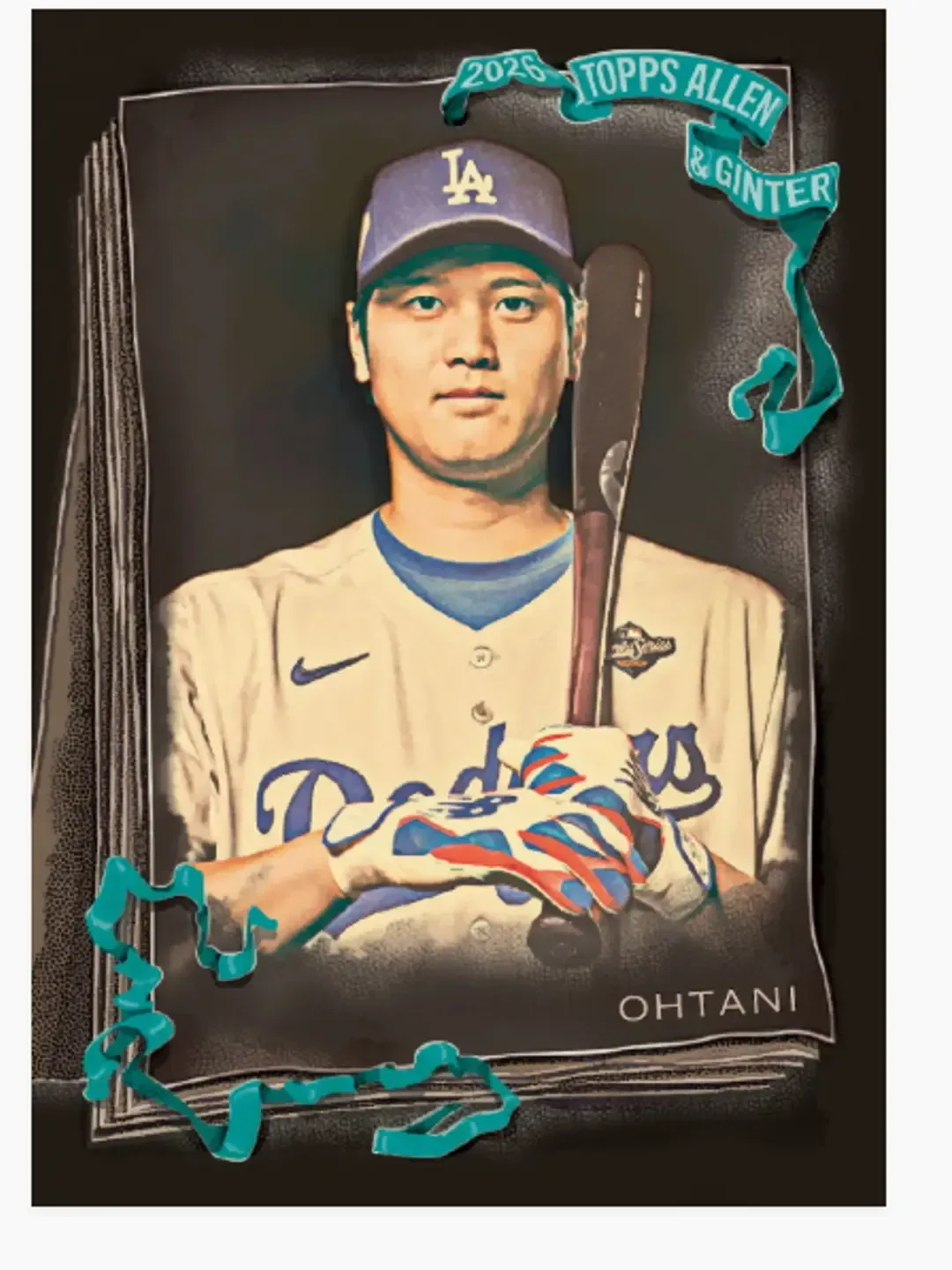
The core visual difference is straightforward. The cards use the regular Allen & Ginter design in black, and that treatment applies across the product. The cards have been printed less often than those in the main Allen & Ginter product, making X a separate proposition for collectors who like the underlying design but want a more visually severe version of it.
That may sound cosmetic, but card design is part of the collecting decision. A uniform black presentation gives a set a clear visual identity in a binder, display or player collection. It also establishes a consistent look for the signed cards, which can be particularly meaningful when a product’s autograph content is among its central draws.
2026 Topps Allen & Ginter X hobby boxes are listed at $219.99 on the Topps website, with one autograph per box on average. “On average” is important language, not a promise that every individual hobby box contains exactly one signed card. It describes the planned distribution across production, so collectors should treat it as an expectation for the product rather than a box-by-box guarantee.
What the autograph checklist signals
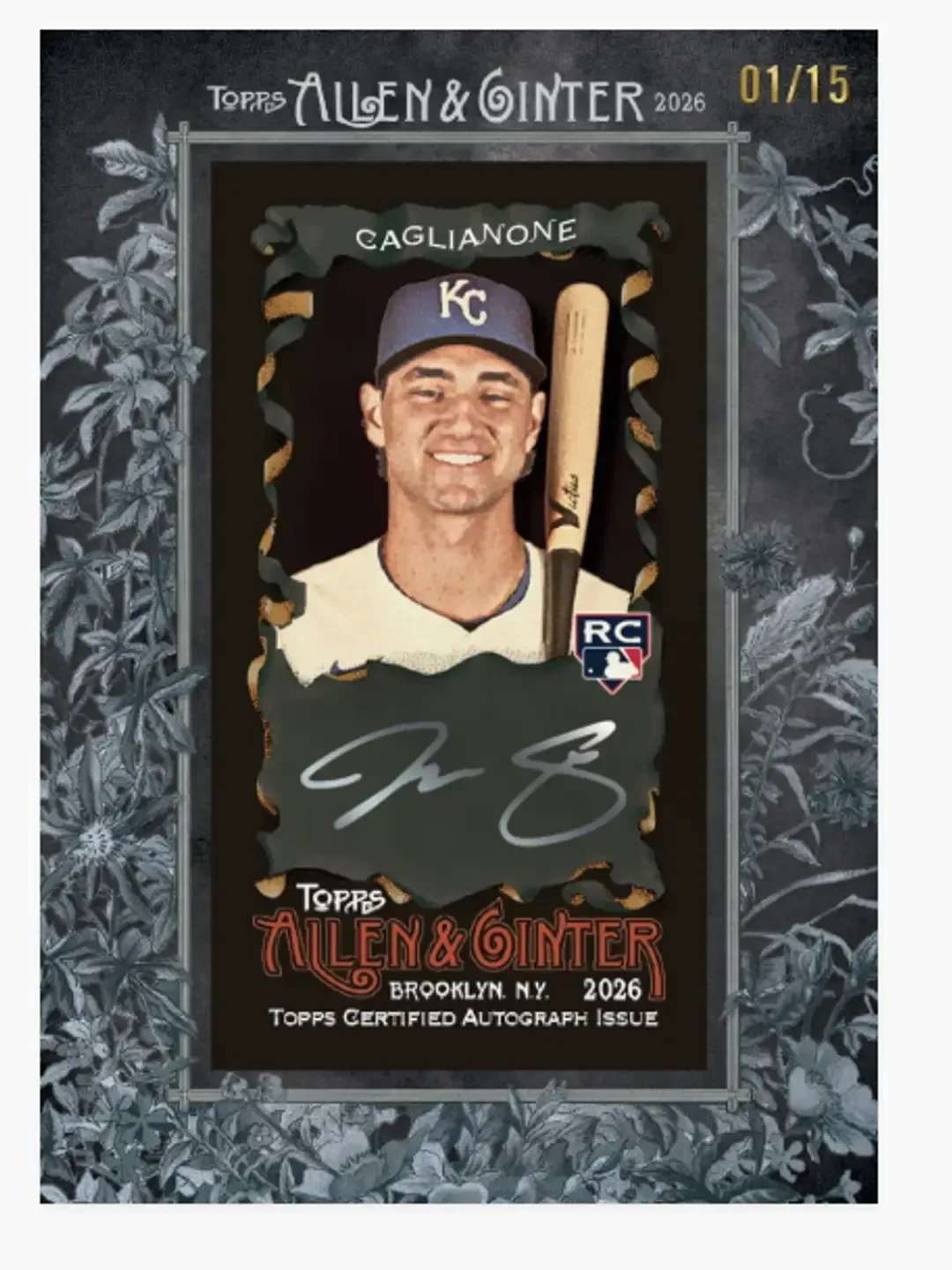
The autograph selection is described as similar to that of the preceding Allen & Ginter release, and it includes members of the 2026 rookie class through framed mini autographs. A framed mini autograph is a smaller-format signed card presented with a frame-like border, rather than a standard full-size autograph card. It gives the autograph chase a format that is immediately recognizable within the product.
Related coverage includes 2026 Topps Allen & Ginter X and Museum Collection Arrive November 11.
The 2026 versions use silver ink for the autograph, adding contrast against the black-card presentation. A preview has shown a Jac Caglianone framed mini autograph, providing a concrete indication of how that combination is expected to look.
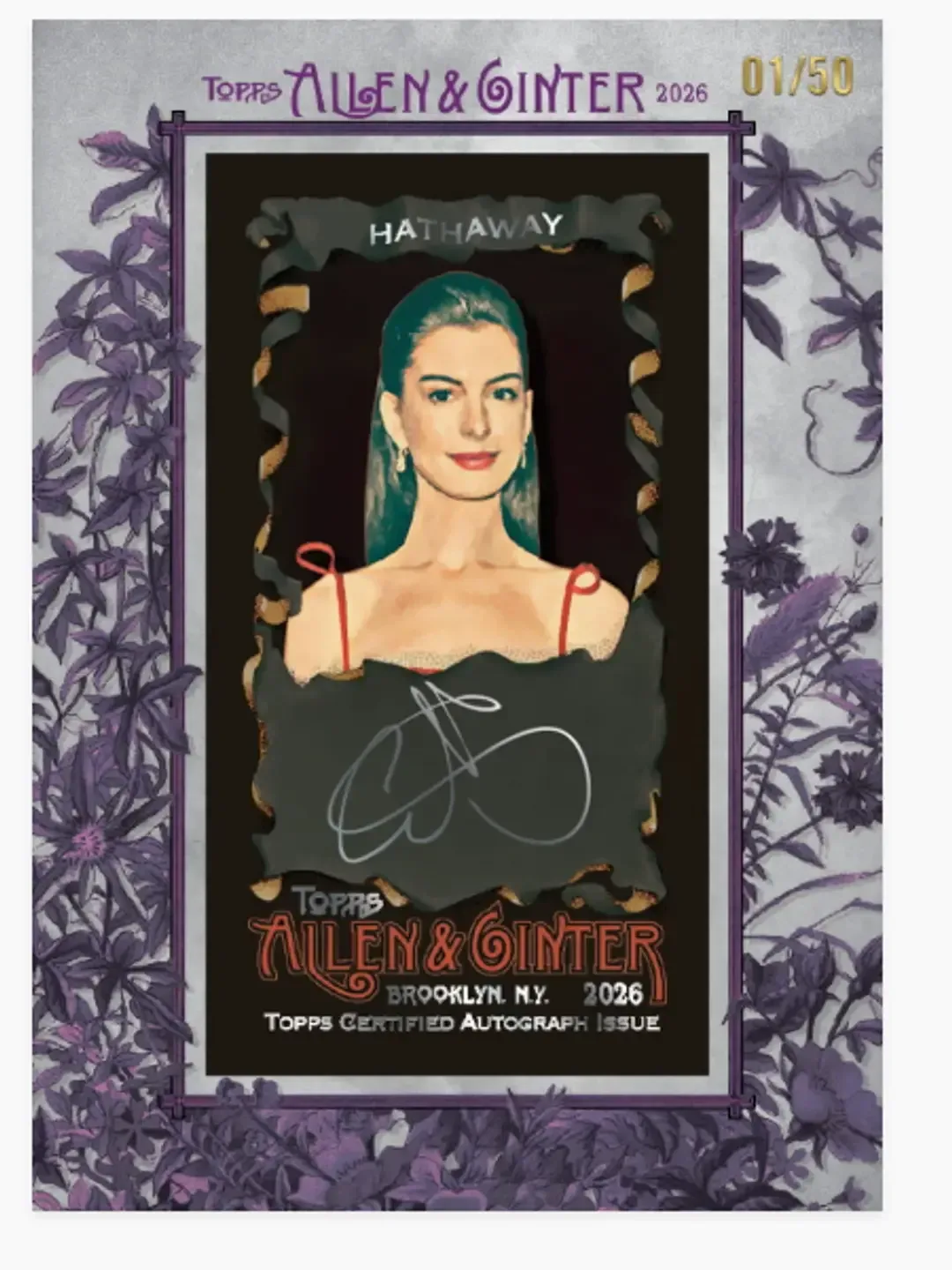
Allen & Ginter X also keeps the brand’s non-sports component in view. Anne Hathaway is among the non-sports autograph names identified for the release. This is a practical differentiator: a buyer interested solely in baseball may value an autograph checklist differently from a buyer who enjoys the possibility of entertainment-world signatures alongside player cards. The mixed-subject approach is not an accidental side feature here; it is part of the product’s identity.
Collectors can also expect the usual tension of a product where a single autograph is the stated average draw. There is an obvious appeal in the possibility of a rookie framed mini or a non-sports signature, but a preferred name is never assured. The sensible approach is to decide whether the black design, player selection and broader checklist concept have appeal beyond one potential hit.
Museum Collection takes a compact premium format
At 1 PM EST, an hour after Allen & Ginter X is due to go live, 2026 Topps Museum Collection Baseball is scheduled to follow. The advertised price is $419.99 per box, placing it well above Allen & Ginter X. Its configuration explains the different positioning: each box contains one pack and eight total cards.
The advertised per-box contents are one on-card autograph, one autographed relic and one relic. An on-card autograph means the signature is placed directly onto the card itself. That phrasing distinguishes it from an autograph applied to a separate sticker and then attached to a card, without making a claim about the relative appeal or value of either format. It is simply a specific production detail that many collectors look for when comparing premium releases.
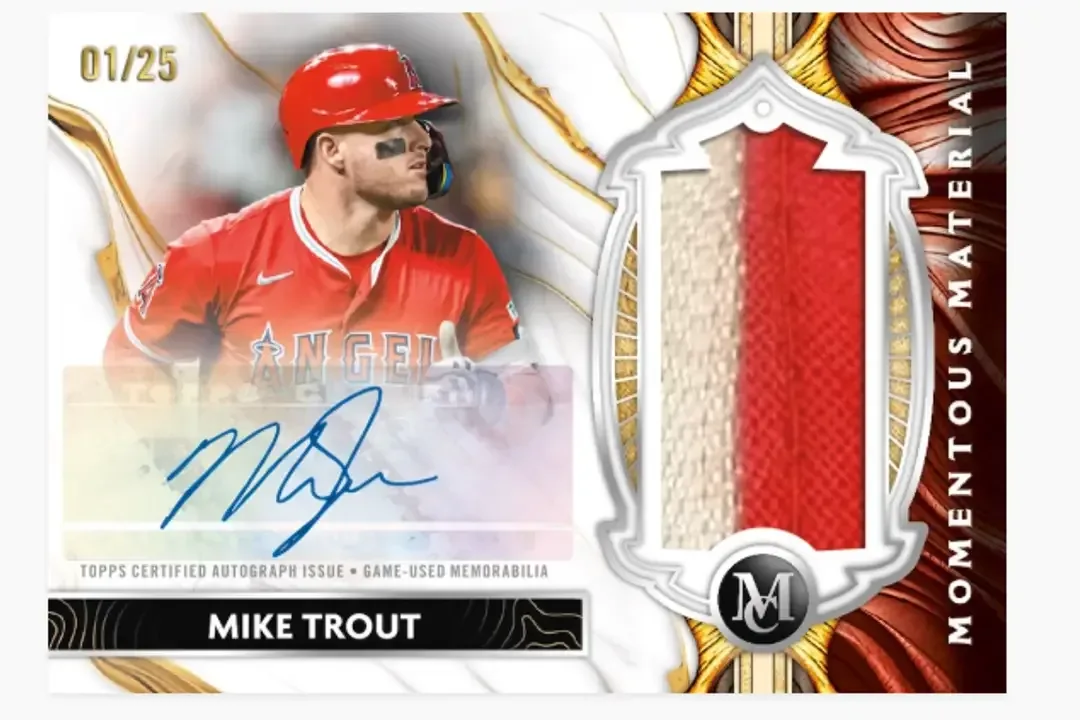
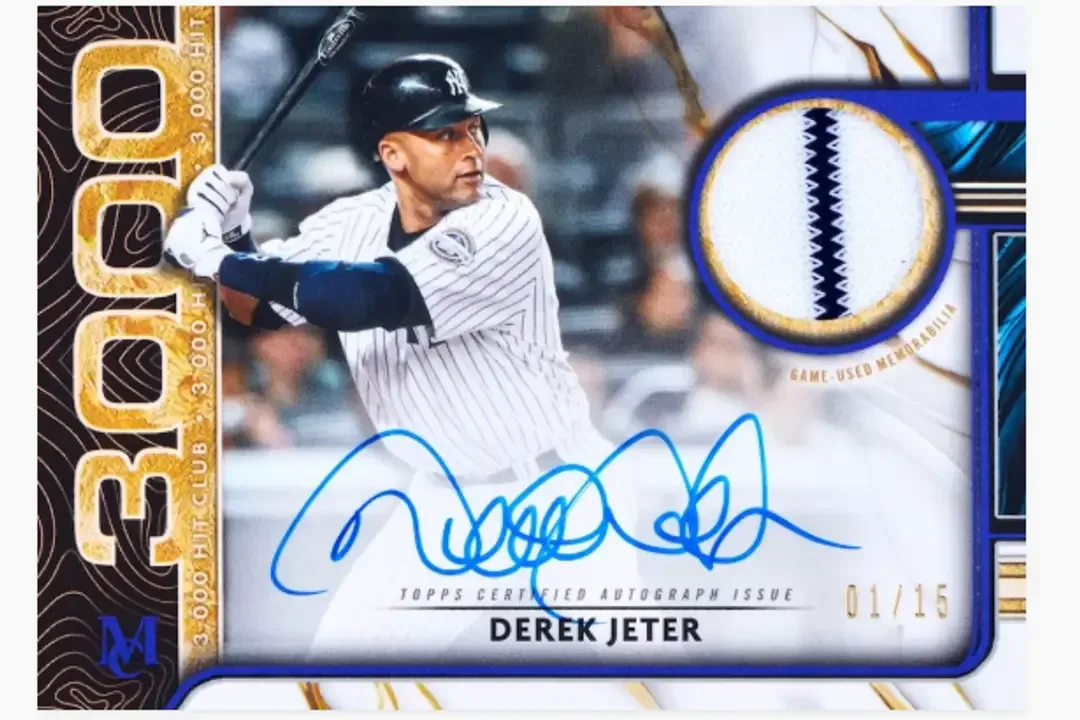
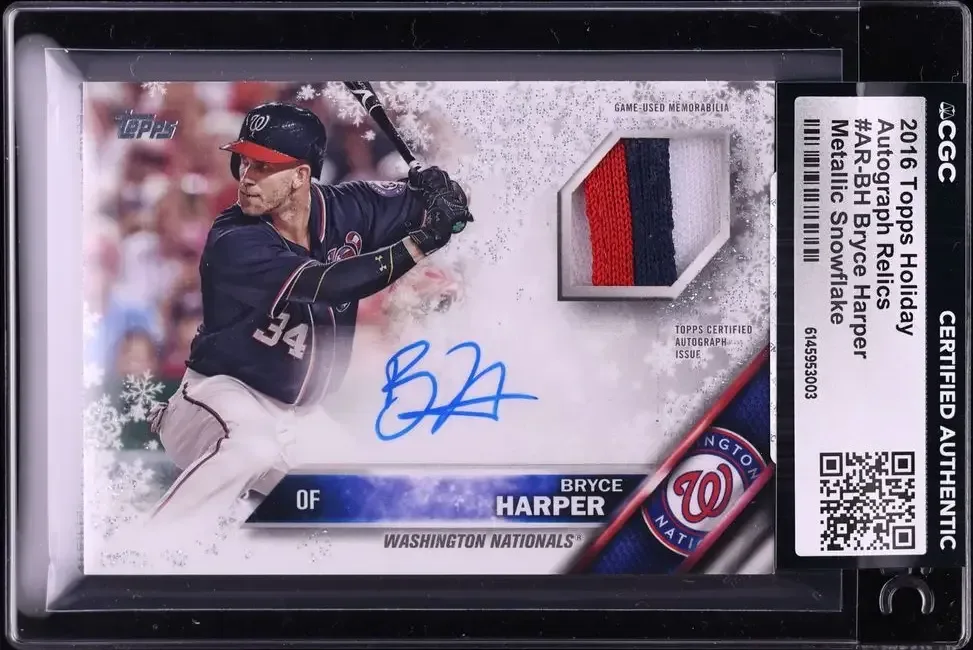
A relic card incorporates a piece of memorabilia material into the card. Museum Collection’s stated configuration includes both a standard relic and an autographed relic, which combines a signature with that memorabilia element. Previewed examples point to patch-focused cards, including Mike Trout and Derek Jeter cards with multi-colored material.
In hobby language, a patch generally refers to a more visually distinctive piece of material than a plain swatch, often because it includes multiple colors. The source material identifies multi-colored autographed relics as part of the premium appeal of Museum Collection. That visual variation is one reason relic-based cards can command attention: even cards featuring the same player can present very differently depending on the incorporated material.
Major names, a one-of-one possibility, and a key unknown
Museum Collection’s teased premium content includes Mike Trout and Derek Jeter, along with other major names. It also includes the possibility of a one-of-one Jumbo Bat relic. “One-of-one” means there is only a single card carrying that specific numbering designation, while “Jumbo Bat relic” describes an oversized bat-material card. It is a rare chase, not an expected box outcome.
That distinction is especially necessary with premium products. A release can legitimately contain spectacular one-of-one cards and highly desirable player signatures while still offering no basis to assume a particular box contains either. The guaranteed-style configuration is the stated autograph and relic structure; the exact player, relic type, patch appearance and scarcity level remain part of the uncertainty inherent to sealed product.
The full Museum Collection checklist has not been released. As a result, collectors do not yet have a complete list of base cards, autograph subjects, relic subjects, numbering tiers or insert structures to evaluate. That missing information has a practical consequence. Anyone deciding between a sealed box and pursuing individual cards will have a clearer picture only after the product’s complete checklist is available and the range of cards in circulation becomes visible.
How the two releases differ for collectors
Allen & Ginter X and Museum Collection are best understood as two different collecting lanes arriving on the same day. Allen & Ginter X costs less, carries one autograph per hobby box on average, and makes its case through an all-black variation of a recognizable design, framed mini signatures, rookie involvement and non-sports names. Its appeal is broad in subject matter and unified in visual treatment.
Museum Collection costs more and contains far fewer cards per box, but its stated format places three premium-style content cards—an on-card autograph, autographed relic and relic—inside a single eight-card pack. Its appeal is concentration: collectors know the box is designed around signed and memorabilia-based cards, even though the exact players and scarcity cannot be predicted.
- Choose Allen & Ginter X for: the black parallel-style presentation across the product, framed mini autographs, rookie chases, and baseball cards that also make room for non-sports autograph subjects.
- Choose Museum Collection for: a premium eight-card box format with an on-card autograph, an autographed relic and a relic advertised per box, plus the possibility of high-end patch and one-of-one bat relic cards.
- Wait for more information if: a purchase depends on Museum Collection’s complete player or insert list, since a full checklist has not yet been released.
The contrast also illustrates why “hit” needs context. In Allen & Ginter X, the expected autograph is a defining focal point, but a collector may also care substantially about the total design and diverse names. In Museum Collection, the box’s value proposition is deliberately driven toward autograph and relic formats, with the one-pack structure making every card a larger portion of the break.
Collectors who prefer the physical and thematic variety of memorabilia cards may see Museum Collection as the more natural fit. Those who value set design, smaller framed autograph cards and a checklist that can cross into non-sports subjects may find Allen & Ginter X more aligned with their interests. For another example of how pop-culture connections can overlap with card collecting, see this look at Westside Gunn’s 4th Rope event.
November 11 release details at a glance
- 2026 Topps Allen & Ginter X Baseball: Wednesday, November 11, at 12 PM EST; hobby boxes listed at $219.99; one autograph per box on average.
- 2026 Topps Museum Collection Baseball: Wednesday, November 11, at 1 PM EST; boxes advertised at $419.99; one pack and eight cards per box; one on-card autograph, one autographed relic and one relic stated per box.
The shared date makes the releases easy to group together, but their formats argue for treating them separately. Allen & Ginter X offers a stylized extension of a polarizing but recognizable brand, with silver-ink mini autographs and non-sports representation in the chase. Museum Collection offers a much smaller card count and a more overtly premium construction centered on autographs and relics. With Museum Collection’s complete checklist still pending, the clearest available facts are the release timing, advertised prices and box formats—and those alone show two very different ways to collect baseball cards after the season ends.