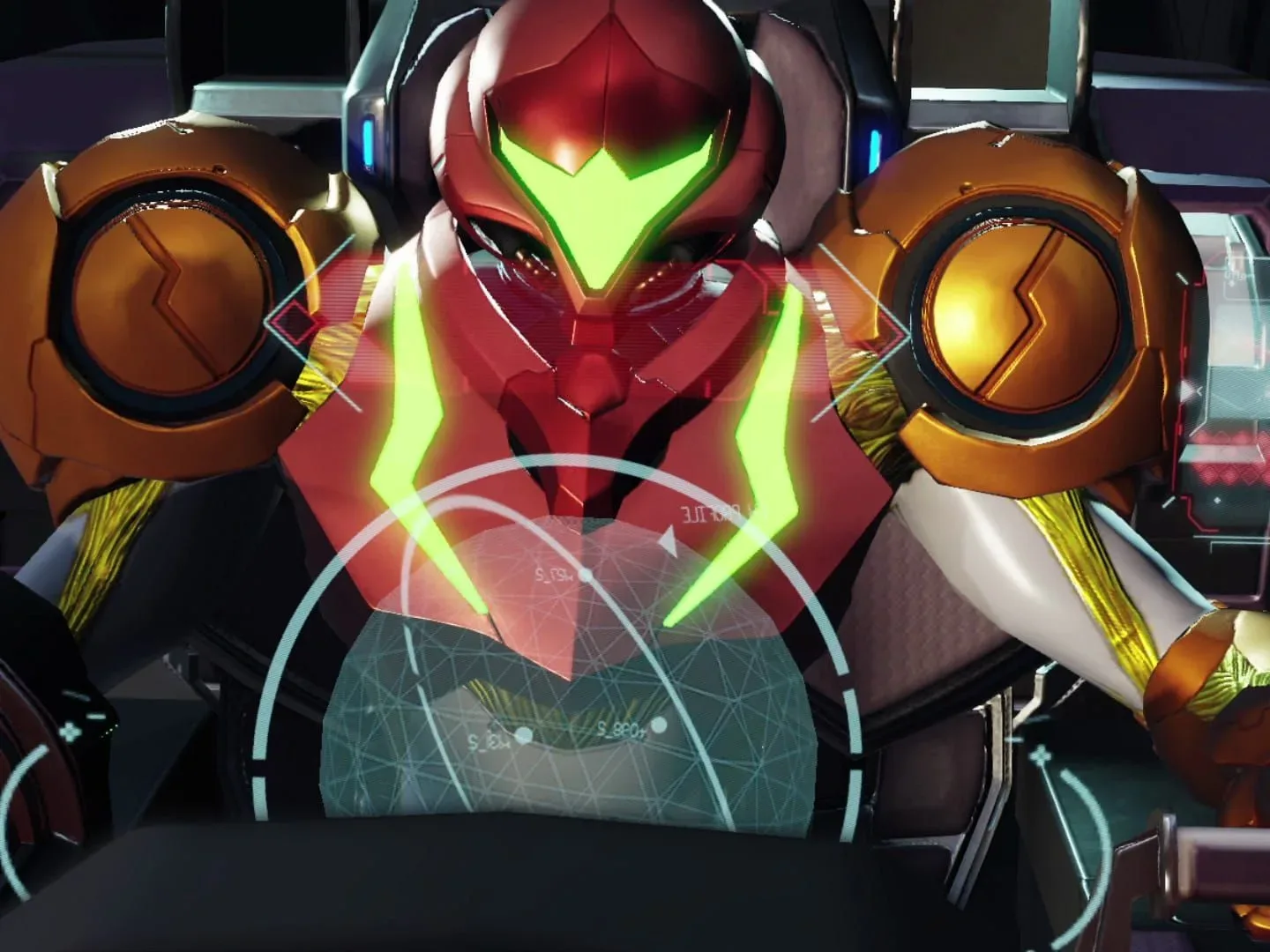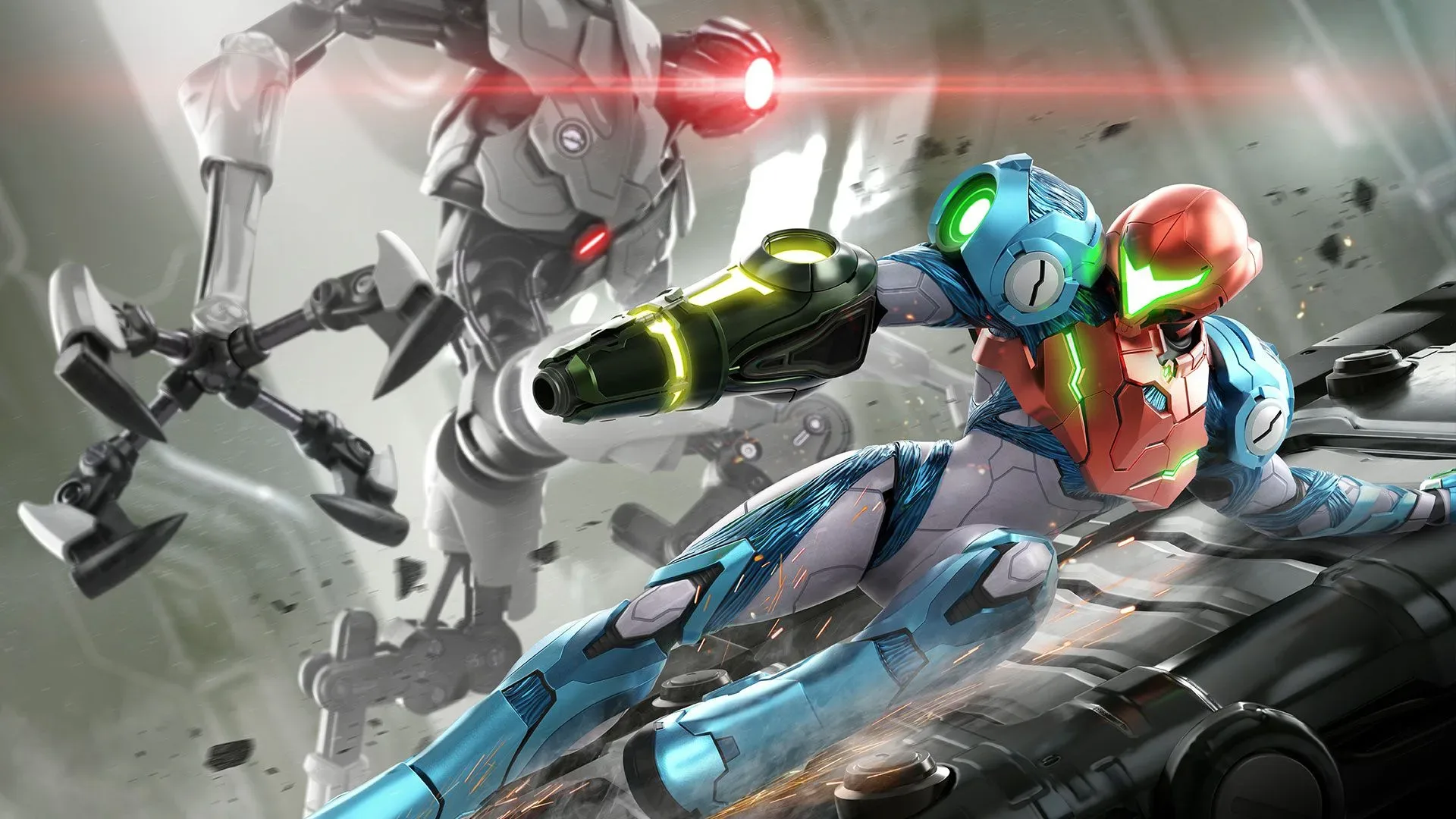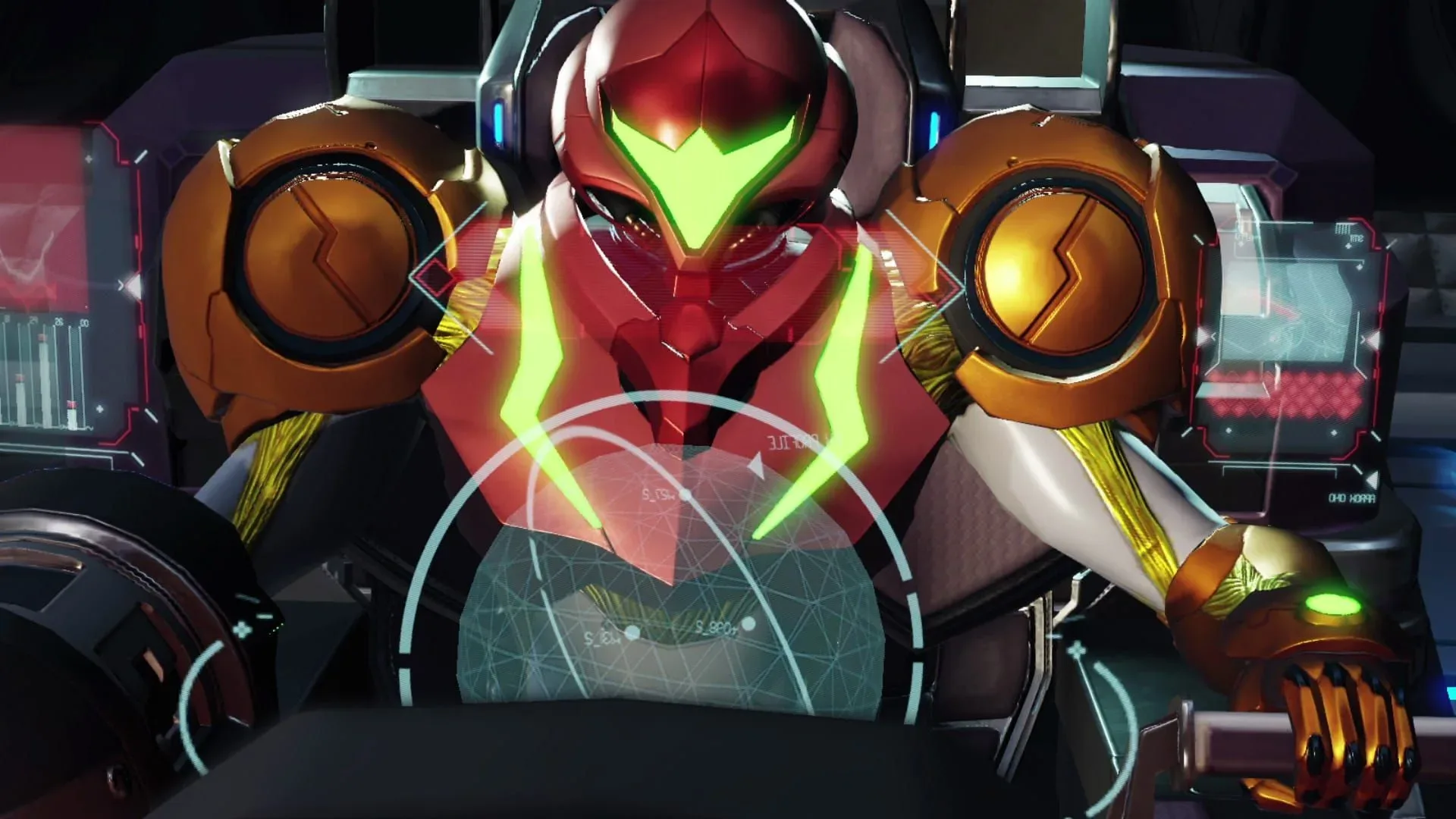
Metroid fans catching up before Metroid Ravenous are running into an increasingly familiar physical-media problem: a game can be easy to buy digitally while its boxed edition becomes surprisingly expensive. Completed marketplace listings for Metroid Dread have risen past $100 for some copies, particularly new, sealed U.S. releases. A small number have reportedly reached as high as $170, while the Special Edition commands still higher prices.
That does not mean every copy costs three figures. Some buyers have found copies around the game’s original retail price. But the spread matters. It shows a market in which condition, edition, and regional version can sharply change what a buyer pays—even for a modern Nintendo Switch release that sold close to 3 million copies by 2022.
For players, the key distinction is simple: a rising boxed-game market is not the same as a lack of ways to play. Metroid Dread remains available digitally through the Nintendo eShop, and it climbed to the top of the eShop charts after Metroid Ravenous was revealed. For collectors, however, a digital license and a sealed U.S. physical copy are fundamentally different things. The latter is a specific object with finite supply, packaging condition, and edition-based appeal.
Why interest has shifted back to Metroid Dread
Ravenous appears positioned to continue from where Dread left off, turning the earlier title into a natural catch-up point. That narrative connection can be enough to create a sudden wave of demand from people who skipped Dread at launch, traded it away, or only now want it on a shelf before the next entry arrives.
The renewed attention comes despite disappointment surrounding Metroid Prime 4. That contrast is important: demand around Dread is being driven by its own place in the series and by anticipation for Ravenous, rather than by an assumption that every recent Metroid release is receiving the same response. Strong reviews and substantial sales gave Dread a large existing audience, but its sales were still on a very different scale from Nintendo’s biggest evergreen hits, such as Mario Kart.
That gap helps explain why a game that was commercially successful can still become scarce at normal retail pricing. “Out of print” does not mean no copies exist, nor does it automatically mean a title was obscure. It means new supply is no longer reliably replenished through ordinary retail channels. Once that happens, buyers seeking a particular physical version compete over the remaining stock held by shops, resellers, collectors, and people who kept their copies.
Sold prices tell a more useful story than listings
The reported $100-plus figures are based on completed sales, which are more informative than an ambitious asking price. A seller can list any game for a lofty amount; it only becomes evidence of market demand when someone actually pays. Even then, individual sales should be read carefully rather than treated as a guaranteed value for every copy.
Several variables are likely embedded in the difference between a copy near its original retail price and one sold far above it:
Related coverage includes Metroid Dread Physical Copies Climb Past $100 Ahead of Metroid Ravenous.
- Condition: A new, sealed item usually attracts a different buyer pool from an opened copy, especially when the packaging is clean and intact.
- Edition: The Special Edition is a separate collecting proposition from the standard game and can carry a premium because buyers are pursuing its bundled physical presentation as well as the software.
- Region: The reported higher sales particularly concern sealed U.S. copies. A buyer should not assume that a listing from another region is equivalent simply because the title is the same.
- Timing: The Ravenous reveal has created an immediate reason for fans to revisit Dread. Short-term attention can make recent sales unusually energetic.
In other words, “Metroid Dread is worth $170” is too blunt a reading of the data. A more accurate description is that some sealed U.S. copies have sold at that level amid elevated interest, while other copies have sold for much less. Condition and version are not cosmetic details in this context; they are part of what is being purchased.
Physical ownership means different things to different buyers
The situation also illustrates why the phrase physical game has become less straightforward. In the classic sense, it refers to a boxed release with a cartridge or disc that collectors can display, trade, lend, and preserve as an item. That material presence has appeal beyond immediate access to the game itself. A sealed copy can be a collection piece; an opened copy can be a play copy; a Special Edition can be a package of game-related objects whose desirability differs from the standard release.
Yet physical formats increasingly coexist with digital systems and products that blur the line between a package and a locally stored game. Nintendo has not announced a plan to abandon physical games, though game-key cards have already pushed the conversation toward what a boxed purchase will represent in the future. The essential issue is whether the media contains the software itself or functions more like a route to obtaining it digitally. Either way, the box may retain collector appeal, but the practical meaning of ownership can change.
That matters to the Dread market because two people may be shopping for entirely different reasons. One person wants to experience the story before Ravenous and can satisfy that need with the eShop version. Another wants the standard retail case on a shelf. A third may specifically be looking for a sealed U.S. copy or the Special Edition. Treating all of those buyers as participants in the same market obscures why their budgets and decisions are so different.
What buyers should take from the current spike
Anyone who simply wants to play Metroid Dread has a clear alternative to paying collector-level prices: the Nintendo eShop version. Its chart movement after the Ravenous reveal suggests plenty of players are making precisely that choice. Digital availability does not reduce the desirability of a sealed physical copy for everyone, but it does separate the cost of playing the game from the cost of owning a particular collectible format.
For buyers set on a physical copy, the sensible approach is to define the target before shopping. Decide whether an opened standard copy is acceptable, whether the U.S. version is essential, and whether “sealed” is a personal preference or a non-negotiable requirement. Those answers should come before comparing prices, because each extra requirement narrows supply and makes a headline sale less useful as a benchmark.
It is also worth keeping expectations measured. A rush of interest around a new reveal can create rapid price movement, but the supplied sales examples establish only that demand is elevated right now. They do not establish a permanent floor, future scarcity, or an investment outcome. Collectors looking at an expensive listing should focus on the exact item, its condition, and what recent completed sales for comparable copies indicate—not on the most dramatic sale alone.
The broader lesson is that modern boxed games can move quickly from ordinary retail products to sought-after objects when supply stops flowing and a sequel puts the spotlight back on the original. Dread’s nearly 3 million sales demonstrate that a game does not need to be rare in an absolute sense to become difficult to buy new at a routine price. It only needs enough fans to want a finite type of copy at the same time.
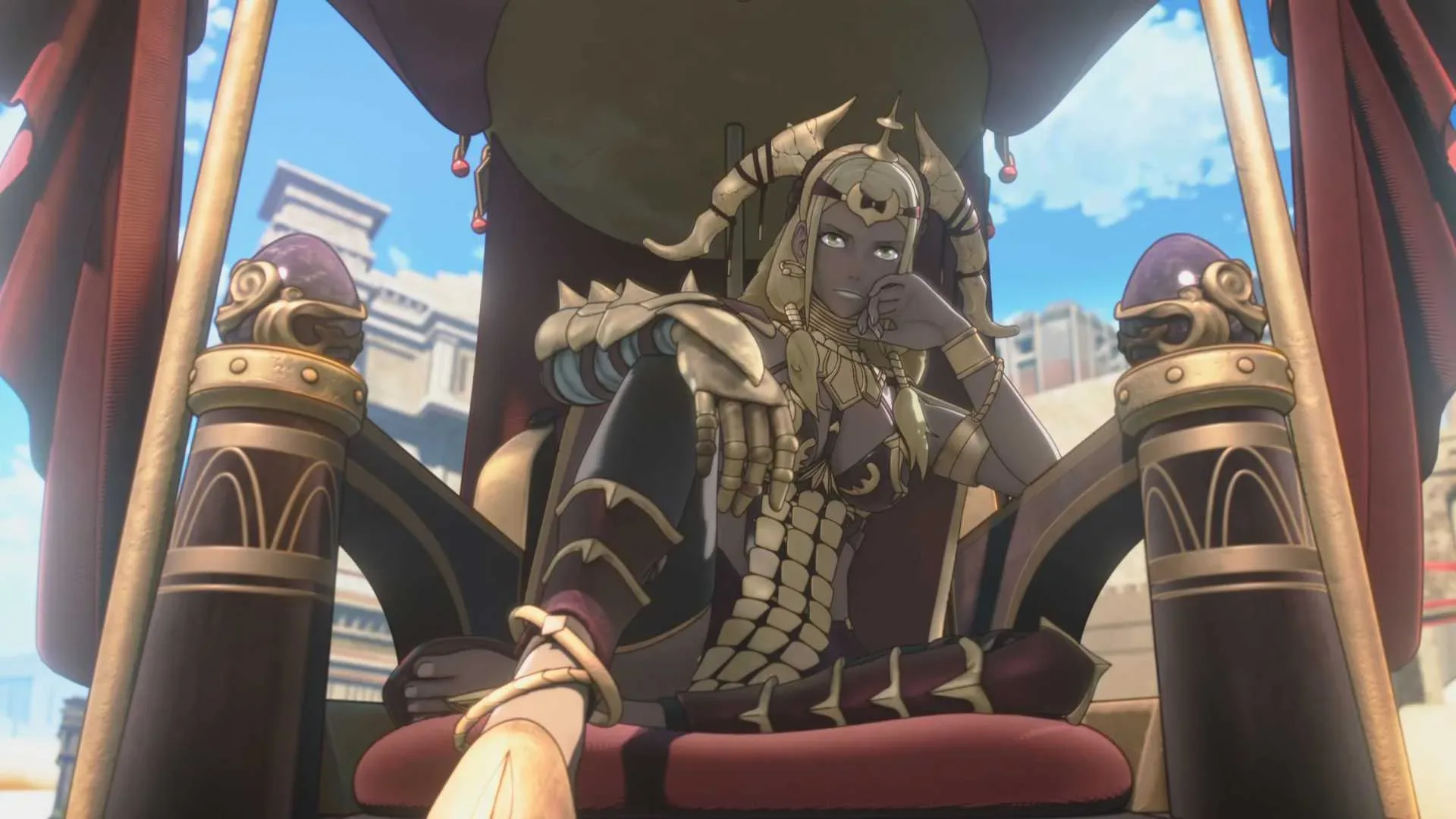
That dynamic is especially relevant as players weigh convenience against permanence. Digital storefront access makes Dread readily playable, while the physical market caters to people who value the cartridge, case, seal, or special-edition package. Both choices are valid, but they solve different problems. As discussion around Nintendo continues—from physical releases to criticism of how games handle storytelling, as seen in this look at Fire Emblem: Fortune’s Weave—Dread’s price jump is a reminder that the format of a game can become part of the conversation almost as quickly as the game itself.