Capcom is taking a tangible step into fan retail in the United States with its first U.S. store, opening as a limited-time pop-up in Los Angeles. Rather than arriving as a permanent flagship packed with endless aisles of hadoukens and survival-horror herbs, the debut will operate inside Little Akihabara Popup Shop & Live in Little Tokyo.
The grand opening is set for Saturday, September 19, and the store is scheduled to remain open through October 18. Its address is 319 E 2nd St. #122, Los Angeles, California, with daily operating hours listed as noon to 7 p.m. For fans in the area, that creates a month-long destination centered on a publisher whose catalog stretches from arcade fixtures and 8-bit icons to modern blockbuster series.
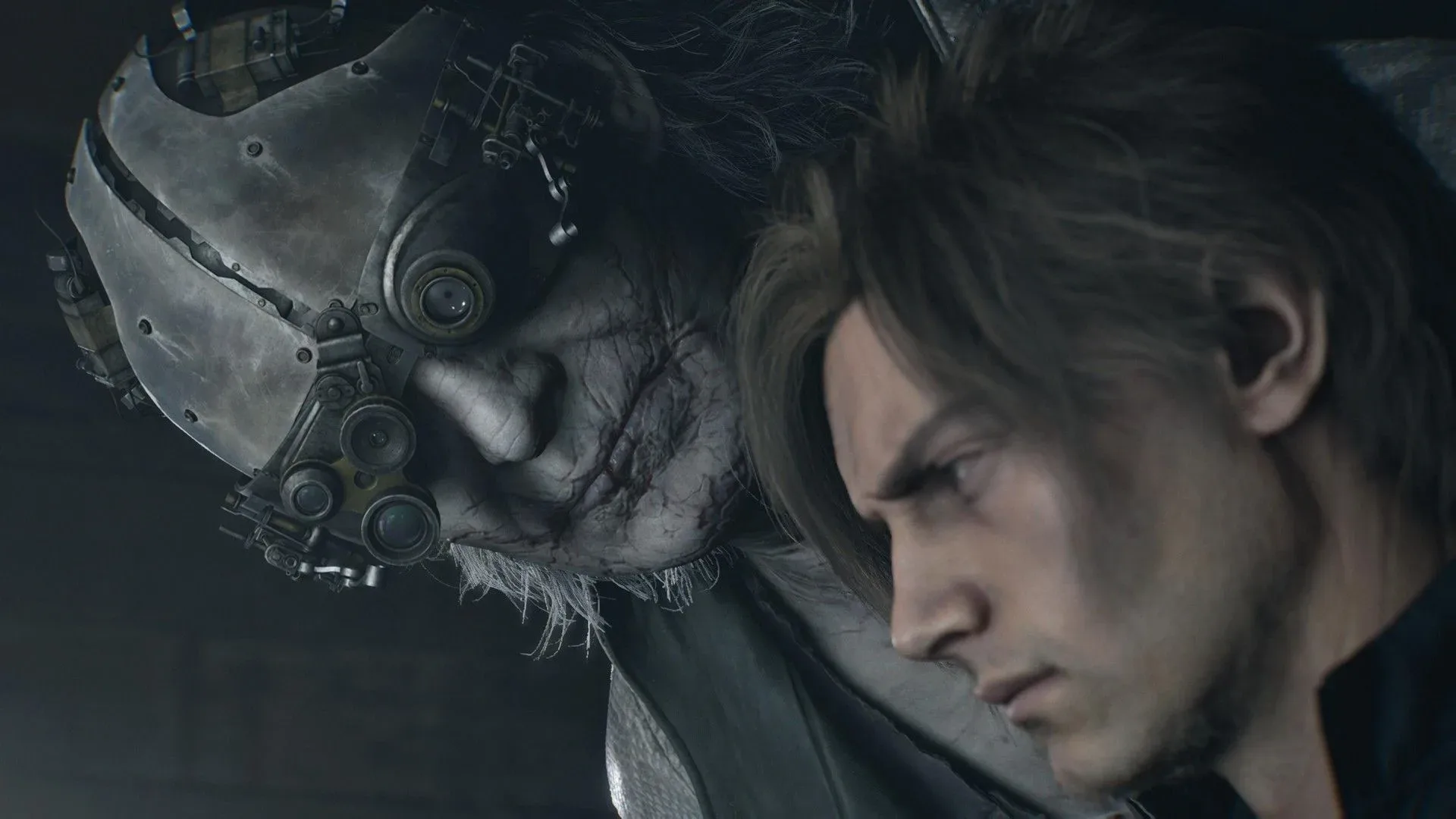
The timing is notable. Capcom’s recent slate includes Resident Evil Requiem, Pragmata, and Onimusha: Way of the Sword, three games that have helped make 2026 a particularly busy year for the company. A merchandise space gives that current momentum a physical home, while also leaning into characters and series that have been part of gaming culture for decades.
What the Los Angeles pop-up will offer
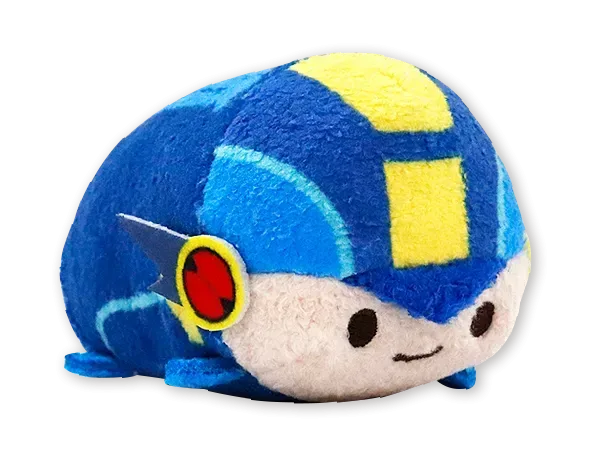
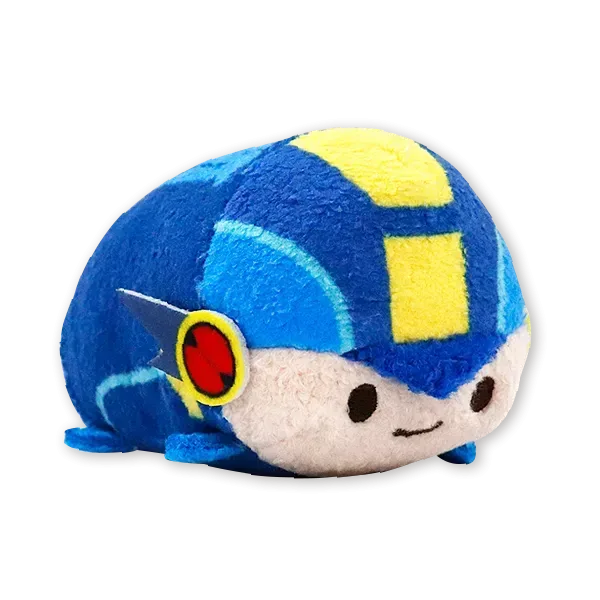
The shop will carry a range of Capcom-branded items, including plush toys, T-shirts, keychains, and other merchandise. Specific inventory quantities, full product lists, and prices have not been detailed, so visitors looking for a particular character or size should not assume every item will be continuously available across the pop-up’s full run.
That uncertainty is part of the traditional pop-up-store equation: it is a retail stop, but it is also an event. Fans may come for a shirt or a small collectible and find that the appeal is just as much about seeing the brand presented in a dedicated setting. For a company with such a broad history, a single keychain can represent a favorite fighting-game main, a cherished childhood platformer, or the game that taught someone not to trust a hallway that is suspiciously quiet.
Capcom has also indicated that the space will include life-size statues representing fan-favorite characters from Street Fighter and Mega Man. The company has not identified which characters will receive the statue treatment. Still, the pairing makes sense: one franchise is synonymous with competitive fighting games and arcade culture, while the other remains one of the most recognizable mascots in action-platform gaming. Their presence should make the location feel like more than a conventional merch counter.
Additional playable demos from Capcom games are also planned. The exact games for those further demos have not been specified, and the availability of a demo may depend on crowd management or on-site scheduling. Anyone heading over principally to play should treat the confirmed details as the firmest guide, rather than turning an unannounced demo wish list into a personal prophecy.
Mega Man: Dual Override is part of opening weekend
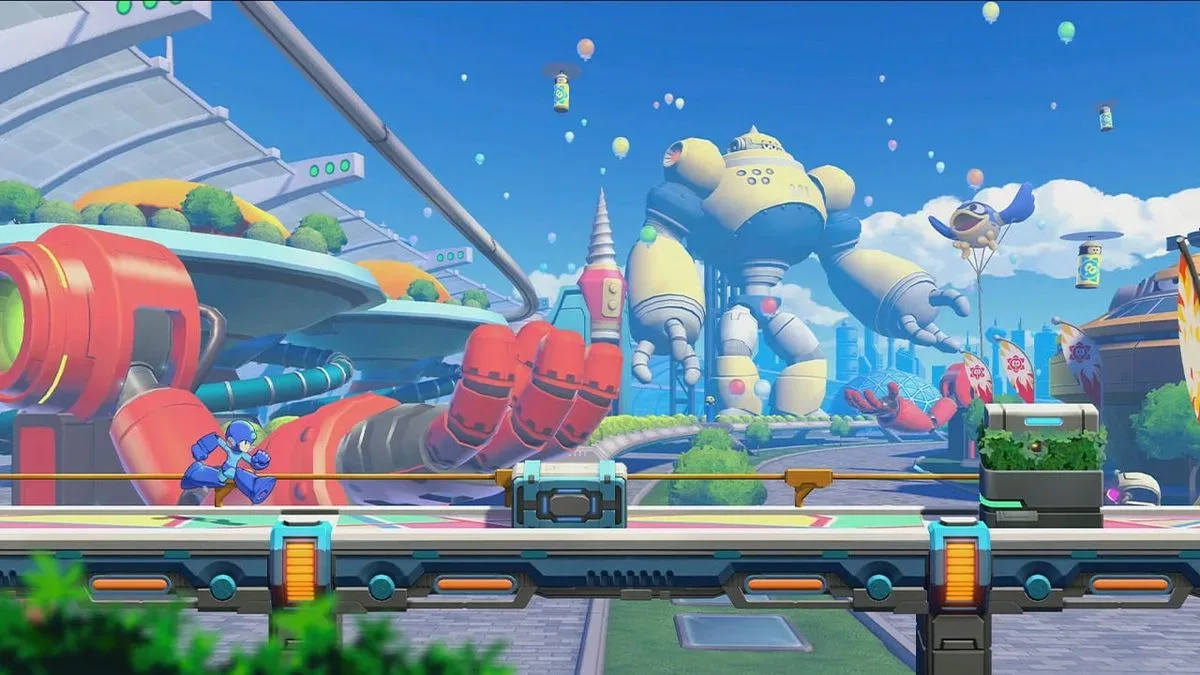
The clearest game-related draw is tied to Mega Man: Dual Override. A limited number of people attending on Saturday, September 19, and Sunday, September 20, will have an opportunity to play the upcoming game. The wording matters here: the playable opportunity is limited, and no public figure has been provided for the number of stations, attendees, or sessions.
Related coverage includes Capcom's First U.S. Merchandise Store Opens as Los Angeles Pop-Up.
In practical terms, a visit on opening weekend does not guarantee hands-on access. It does, however, make the pop-up one of the places where Mega Man fans may be able to see the new project in action before release. Given Mega Man’s long-running identity as a platforming institution, even a short demo opportunity is likely to be one of the weekend’s biggest conversation starters.
Opening weekend also includes a shopper giveaway. The first 50 shoppers on September 19 and the first 50 shoppers on September 20 will receive a limited-edition Tokyo Game Show handkerchief featuring popular Capcom games. That means 100 handkerchiefs are set aside across the two days if the stated allocation is fulfilled: 50 for Saturday and 50 for Sunday. As with the demo access, early arrival may matter for anyone whose visit is driven by the limited item rather than general browsing.
It is worth distinguishing the handkerchief from a purchase bonus with an announced threshold: the available information identifies it as a gift for the first 50 shoppers on each day, but does not describe a minimum spend or provide further terms. Fans should avoid reading additional conditions into the offer until the store supplies them.
A retail event built around fandom, not just transactions
Gaming pop-ups occupy an interesting space between traditional retail and convention-floor energy. The appeal is often rooted in an experience that is hard to duplicate by ordering a product online: themed displays, opportunities to see merchandise in person, photo-friendly installations, and the possibility of meeting other people who instantly understand why a particular logo, robot helmet, or fighting stance belongs on a shirt.
That community dimension is a major reason in-person gaming events retain their pull even when news travels instantly online. The broader point has appeared at larger gatherings too, where the atmosphere around fan-made food, cosplay, booths, and shared rituals can become as memorable as the headline reveals. Fan spaces can be bigger than their biggest announcements, and a tightly focused Los Angeles retail pop-up works on a smaller version of that same principle.
For Capcom, Little Tokyo is also a fitting setting for the experiment. The neighborhood has longstanding cultural importance and is already a natural destination for people interested in Japanese entertainment, food, shopping, and pop culture. Positioning the store within Little Akihabara Popup Shop & Live gives the company’s first U.S. retail effort a location that is aligned with the kind of collector and fan audience likely to be interested in licensed gaming goods.
Capcom’s recent games give the store a timely backdrop
The store opening arrives amid strong recent results for Capcom’s games. Resident Evil Requiem has surpassed 7 million units sold. Pragmata exceeded 2 million units in a little more than two weeks, a performance Capcom has said makes a sequel likely. Meanwhile, Onimusha: Way of the Sword received a perfect 10/10 review score.
Those figures and accolades do not tell the whole story of a company’s health, but they help explain why a retail pop-up makes sense now. Merchandise works best when it can serve several audiences at once: newcomers looking for a current favorite, longtime players seeking a symbol of a series they have followed for years, and collectors interested in objects that mark a particular moment in a franchise’s history.
Capcom has also said it wants to reactivate intellectual properties that have not had a new release recently. That statement naturally invites speculation around dormant names such as Dino Crisis, Dead Rising, and Lost Planet. However, it should not be taken as confirmation that any of those specific series is getting a new game, appearing at the pop-up, or receiving merchandise there. They are examples of the kind of legacy catalog that makes Capcom’s archival depth so compelling, not announced projects.
Useful details for prospective visitors
- Location: Little Akihabara Popup Shop & Live, 319 E 2nd St. #122, Los Angeles, CA.
- Run dates: September 19 through October 18.
- Hours: 12 p.m. to 7 p.m.
- Opening weekend: September 19 and 20 include limited chances to play Mega Man: Dual Override.
- Early-shopper item: The first 50 shoppers on each of those two days can receive a limited-edition Tokyo Game Show handkerchief.
- Expected attractions: Plushies, T-shirts, keychains, more merchandise, life-size Street Fighter and Mega Man character statues, plus additional Capcom game demos.
Whether visitors arrive hunting for a small keepsake, hoping to earn a place in the limited Mega Man demo line, or simply wanting a photo beside an as-yet-unidentified giant Capcom character, the event is a meaningful first for the publisher’s U.S. retail ambitions. It is only a pop-up, and it is only open for a month, but that temporary quality is likely part of the point: the store turns a familiar collection of games into a place fans can briefly walk into.