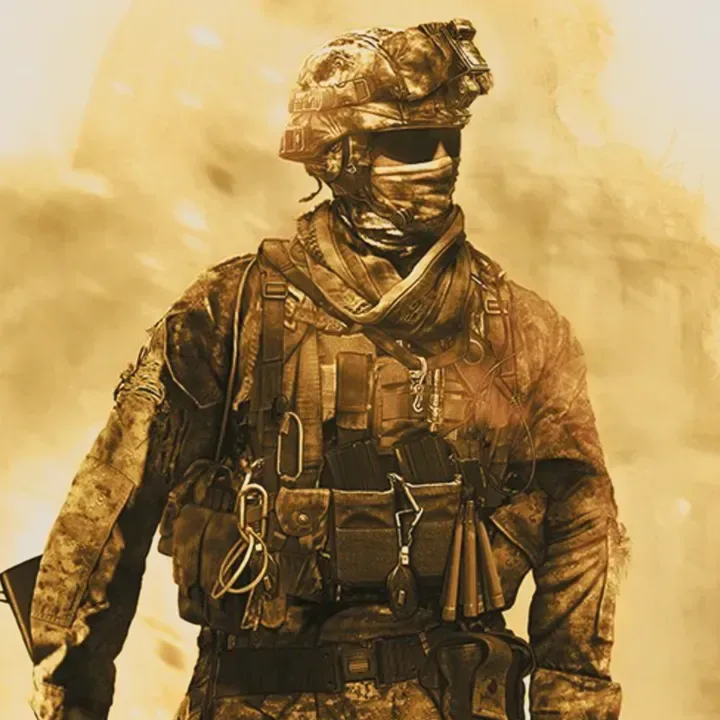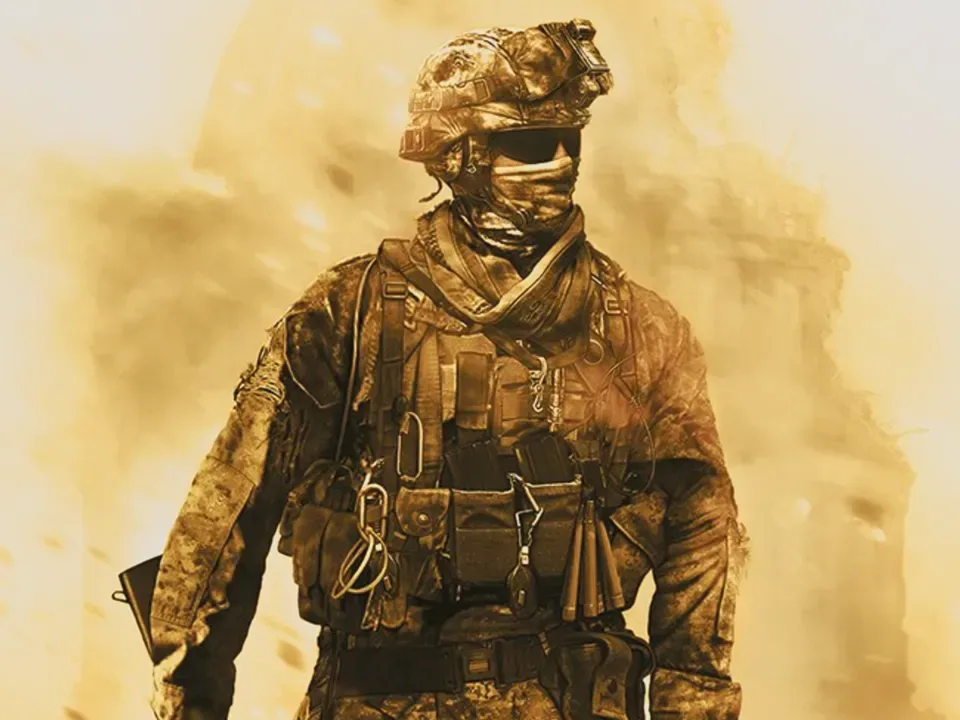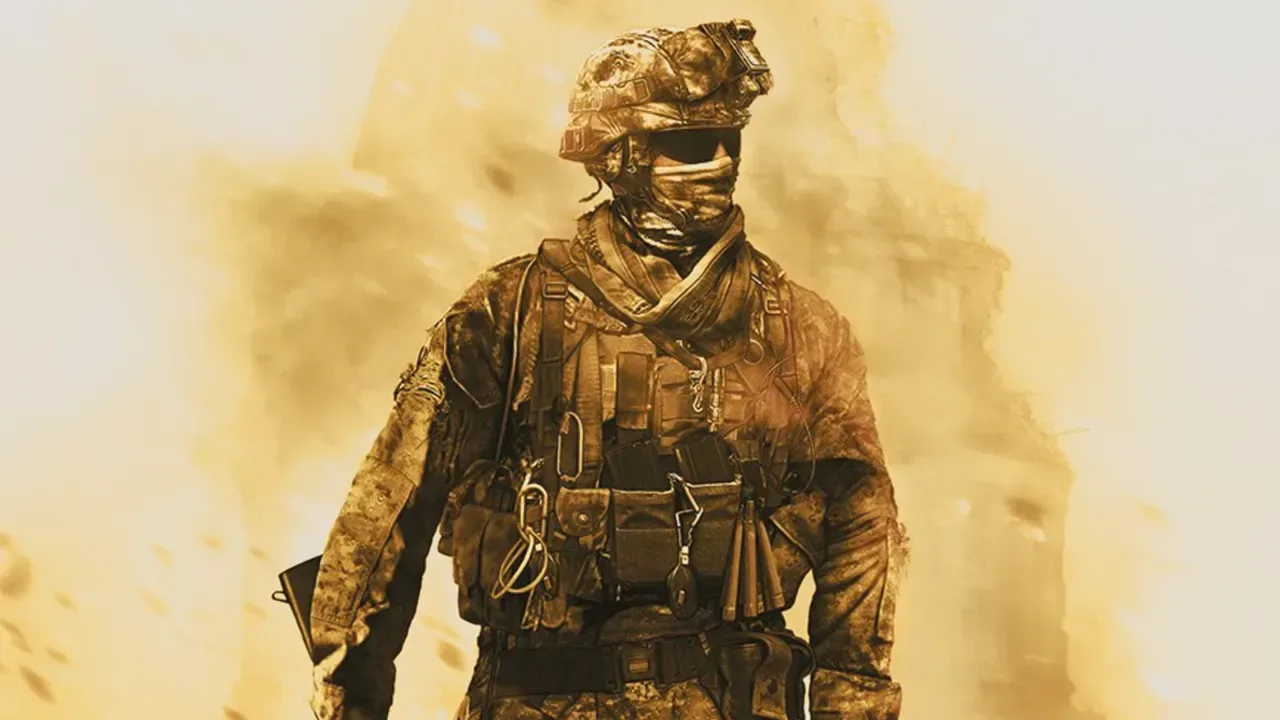
Call of Duty: Modern Warfare 2 (2009) has received a new R 18+ classification from the Australian Classification Board, creating a strong—though still unconfirmed—signal that Activision could be preparing a new port of Infinity Ward’s 2009 shooter.
The listing is specifically labelled Call of Duty: Modern Warfare 2 (2009), an important distinction in a series where the Modern Warfare name has been used more than once. Its classification date is October 1, 2026, and the record was still publicly visible when reports of the rating emerged. No platform, release date, edition details or official announcement accompanied the classification.
That leaves the central fact straightforward: a classification exists. What it means beyond that remains a matter of informed expectation rather than confirmation. A rating can be a necessary step toward a release, but it is not itself a promise of a launch, nor does it explain which version of the game could be involved.
Why this rating has raised port expectations
The most compelling context is Activision’s recent handling of the original Black Ops games. Ports of Call of Duty: Black Ops and Call of Duty: Black Ops 2 surfaced, were announced and then launched in a relatively short span earlier in 2026. Both arrived exclusively on PlayStation 4 and PlayStation 5 in July.
That sequence gives the new classification a practical precedent. Revisiting an older Call of Duty release through a current-console port is no longer merely something fans can imagine; it is a release strategy Activision has used recently. Black Ops 2 was also reported to have become one of the year’s best-selling games in the month after its launch, suggesting there is substantial appetite for accessible versions of older entries.
Modern Warfare 2 is an especially conspicuous candidate for such treatment. Released in 2009, it remains one of the franchise’s most remembered games, and contemporary critical reception was extremely strong, including a 9.5/10 score at launch from one major games publication. Recognition alone does not establish a port’s contents or scope, but it helps explain why a new classification is attracting attention.
What the R 18+ entry does—and does not—tell players
The Australian record carries an R 18+ classification and cites high-impact drug use, in-game purchases, online interactivity and chat. Classification descriptors are content advisories: they tell consumers and regulators which kinds of material or online functionality are being considered for the rated product. They should not be read as a feature list or a detailed description of the eventual release.
For instance, “online interactivity and chat” indicates that online communication is part of what was assessed. It does not establish the state of multiplayer matchmaking, anti-cheat protections, cross-platform play, dedicated servers, playlists or any other service detail. Likewise, the in-game-purchases reference does not identify the form those purchases might take, whether they would be optional, or whether older downloadable content would be included.
Related coverage includes Call of Duty: Modern Warfare 2 (2009) Receives New Australian Rating, Hinting at a Possible Port.
The rating also does not say whether a potential Modern Warfare 2 release would be a straightforward port, a remaster, or a broader package. Those terms matter:
- Port: a version adapted to run on a different platform, often retaining most of the original game’s underlying presentation and design.
- Remaster: a rerelease that typically improves assets or technical presentation while preserving the original game’s core structure.
- Remake: a more extensive rebuild, potentially using substantially revised technology, visuals or systems.
At present, the public classification supports none of those labels beyond the possibility of a new release. Calling it a likely port is an inference based on the title’s age, the explicit “(2009)” naming and the recent Black Ops releases—not a confirmed product description.
The Black Ops ports are both a precedent and a warning
For players hoping Modern Warfare 2 returns, the earlier ports offer useful grounds for caution as well as excitement. The recent Black Ops rereleases were criticized by some players as low-effort conversions that closely mirrored the original releases while offering few meaningful upgrades. That criticism did not necessarily erase demand for the games, but it established clear expectations for any similar project.
Technical polish and multiplayer integrity will be major practical concerns if Modern Warfare 2 follows the same route. The Black Ops ports reportedly saw multiplayer lobbies rapidly affected by people exploiting the level-up system instead of participating normally in matches. Activision later investigated the issue, but the episode illustrates why a classic shooter’s return is not solely about making old maps and modes accessible again.
Older multiplayer games carry communities, progression systems and competitive expectations with them. If an exploit can quickly distort progression, it changes how people approach public play and can make legitimate advancement feel less worthwhile. For a game with an enduring multiplayer reputation, dependable matchmaking and responsive action on abuse can be just as important to its reception as resolution, frame rate or visual assets.
Price was another contentious point. The Black Ops 1 and Black Ops 2 ports each cost $40 on PlayStation 4 and PlayStation 5. Their season passes were sold separately at $29.99 each for players who did not want to buy add-on content individually. PlayStation Plus discounts lessened the cost for some users, but did not settle the broader concern over what buyers received for the asking price.
That history creates a sensible checklist rather than a prediction. If Modern Warfare 2 is announced, prospective buyers will want clear answers on price, whether downloadable content is bundled or separate, what technical improvements have been made, and how online play will be supported. None of those answers are in the current rating, so it would be premature to assume that the game would follow the same price, platform or DLC model as Black Ops.
Platform remains the biggest unanswered question
The recent Black Ops ports were exclusive to PlayStation consoles, but the Modern Warfare 2 classification does not name a platform. That means PlayStation availability is plausible only in the broad sense that Activision used PlayStation for the earlier releases; it is not confirmed for this game. There is no public basis in the rating to claim an Xbox, PC or other version either.
There is also no indication that other older Modern Warfare games are being prepared alongside it. A standalone entry, a series rollout, and a package are all different possibilities, and the rating only identifies one title: Call of Duty: Modern Warfare 2 (2009).
For now, the appropriate reading is measured optimism. The listing is a meaningful sign because it names the original 2009 game and appears after a recent pattern of classic Call of Duty ports. But it is still not an official reveal. Until Activision confirms a project, the exact platforms, release timing, online plans, pricing and level of restoration are unknown.
The prospect is nevertheless notable for anyone who has wanted a legitimate, current-console route back to the 2009 release. It also arrives at a moment when the series’ handling of historical material is under intense scrutiny, including a separate debate surrounding Modern Warfare 4. A possible return for Modern Warfare 2 would therefore be judged not just on nostalgia, but on how carefully its technical, online and commercial details are handled.