Bose is recalling removable lithium-ion battery packs supplied with, or sold for use in, its S1 Pro and S1 Pro+ portable PA speakers after reports that affected packs can overheat, melt, smoke or ignite. The recall covers nearly 635,000 battery packs in the United States and roughly 35,400 in Canada.
For owners, the important distinction is that the recall concerns the removable battery pack rather than the speaker itself. The S1 Pro and S1 Pro+ can still be used on AC power while an eligible replacement is pending, but anyone with an affected battery should stop using that pack immediately.
What has been reported
Bose has received seven reports involving batteries that melted, smoked or caught fire. Six of those reports involved property damage. No injuries have been reported.
That is a relatively limited number of reports compared with the size of the recall, but it does not make the risk something to shrug off. A lithium-ion battery is the rechargeable power component that lets a portable speaker operate away from a wall outlet. When a battery overheats or ignites, the danger is not limited to losing portable playback for the night: there can be a risk of burns, fire and damage to nearby belongings or a venue.
The practical message is refreshingly simple: do not keep using a battery solely because it appears normal. The recall applies to identified manufacturing batches, not only to packs that already show an obvious issue.
Which Bose products are involved?
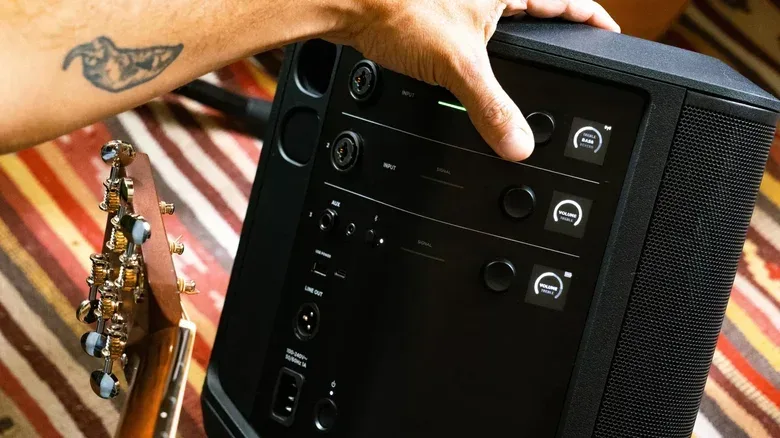
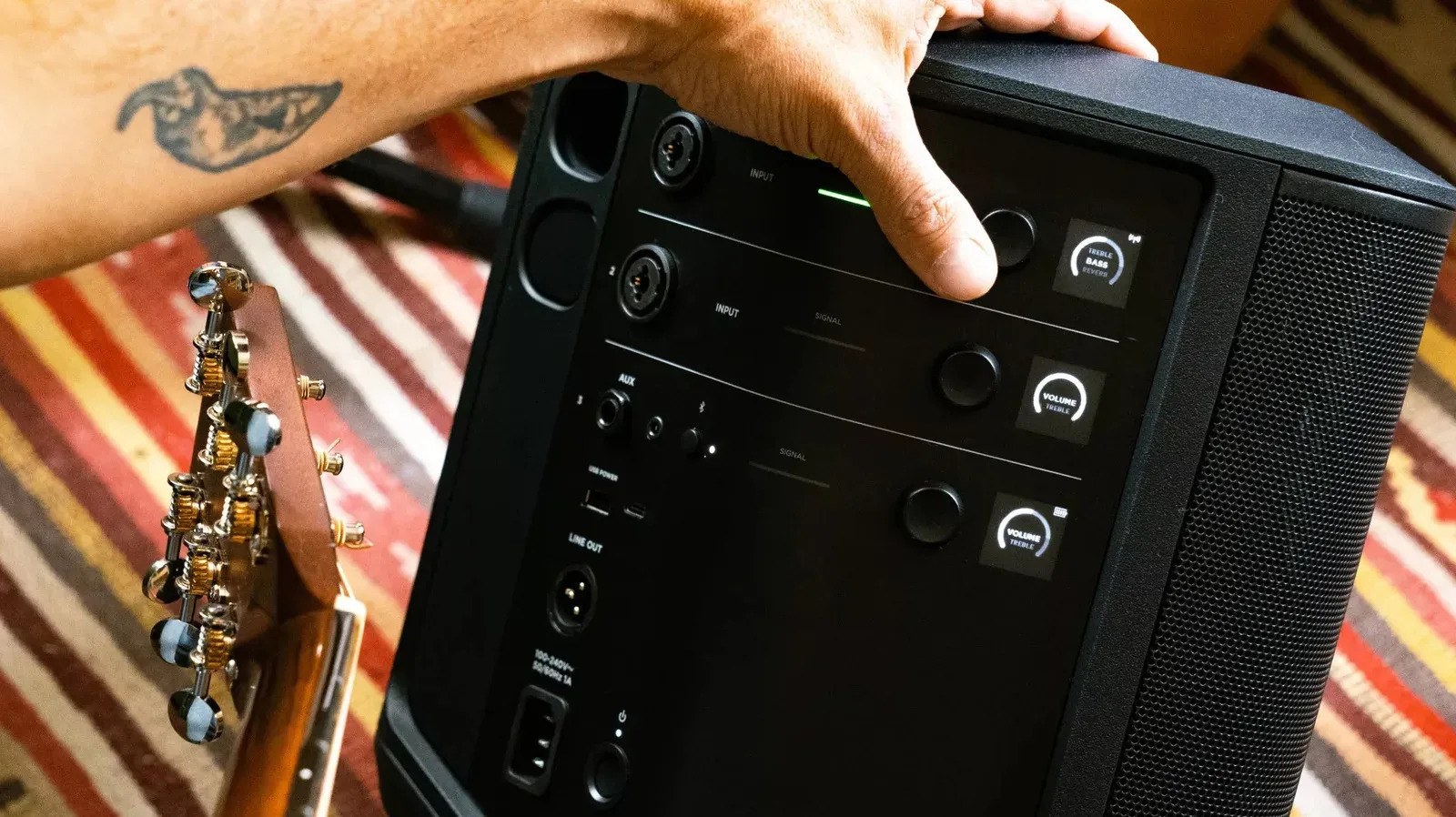
The affected batteries are used with Bose S1 Pro and S1 Pro+ portable PA speakers. “PA” means public-address system: a speaker designed to project sound for audiences rather than only for close-up listening. These models are positioned for uses such as parties and gigs, with an onboard mixer and Bluetooth streaming. Their removable battery packs are what make a cable-free setup possible.
The S1 Pro+ can also work with a wireless microphone and instrument transmitter, although that transmitter is a separate accessory listed at $159. That added wireless flexibility underscores why owners may have relied on battery operation for rehearsals, small performances, presentations and outdoor gatherings. It also makes it especially important not to improvise a workaround with a recalled pack.
Portable audio gear is often moved between homes, practice spaces, cars and event locations, so it is worth checking equipment that may be stored rather than actively used. Someone who has upgraded speakers, loaned equipment to a friend or kept a spare battery in a case may have an affected pack without realizing it.
Related coverage includes Bose Recalls S1 Pro Battery Packs Over Fire and Overheating Risk.
How to check whether a battery is recalled
Not every S1 Pro or S1 Pro+ battery is included. Owners need to remove the battery, locate its 17-digit serial number and examine the beginning of that number.
A battery is included in the recall if its serial number starts with one of these seven prefixes:
- 083723
- 078352
- 084105
- 078591
- 078592
- 084106
- 086409
If one of those prefixes matches, Bose is offering a free replacement. The company’s recall materials provide the detailed process for registering an eligible battery.
Checking the full equipment setup matters. A household, band or organization may own more than one speaker, and the battery that arrived inside the box may not be the only one on hand. The packs were also sold separately, so a battery may not be paired with the speaker it originally shipped alongside.
A sensible check-list for owners
- Turn off the speaker and remove the battery following Bose’s instructions.
- Find the 17-digit serial number on the battery.
- Compare the first six digits with the seven recalled prefixes.
- If there is a match, stop using that battery and begin the free-replacement process.
- Use the speaker on AC power only while waiting, if needed.
- Keep the affected battery out of ordinary household trash and arrange appropriate disposal as instructed.
Owners should not assume that the model name alone answers the question. Both S1 Pro and S1 Pro+ speakers can be associated with the recall, but the serial-number prefix is the meaningful identifier for the battery itself.
When and where the packs were sold
The recalled packs were sold from December 2017 through July 2026. They were available through Bose, Best Buy, Amazon, Walmart and other retailers. Many were included with speaker purchases, while separate battery packs sold for about $100 to $160. The speaker systems themselves cost about $700.
That lengthy sales window is significant. This is not only a recent-purchase issue. A battery from an early portable setup, a secondhand speaker bundle or a spare kept for emergencies could fall within the relevant period. The proper way to determine eligibility remains the serial-prefix check, rather than trying to identify a unit by purchase date, retailer or outward appearance.
What “use on AC power” means here
AC power is the electricity supplied by a standard wall outlet. Because the reported issue is with particular removable battery packs, Bose says owners can continue using the speaker from AC power while they wait for a replacement. That gives performers and hosts an option to keep the main speaker in service without relying on the affected mobile-power component.
There is an obvious trade-off: the system loses its untethered convenience. For a gig or party, that may mean placing the speaker close enough to a suitable outlet and planning cables carefully. Still, it is a better choice than continuing to operate a recalled battery in a setting where people, instruments, furnishings and other equipment may be nearby.
Live-event plans can be delicate even before an equipment issue enters the picture; for a separate entertainment example, Katseye recently postponed two Wildworld Tour stops. For smaller events, the useful takeaway is to check portable gear ahead of time rather than discovering a battery problem during setup.
Do not put a recalled battery in the trash
Recalled lithium-ion batteries should not be disposed of in normal household garbage. Bose advises owners to contact a local household hazardous-waste center to learn how to dispose of them safely.
This is not merely a tidiness issue. The reported overheating and ignition risk is precisely why an ordinary trash bin is not an appropriate destination for the pack. Local disposal guidance can vary, so owners should use the route provided by their household hazardous-waste program rather than guessing.
Until disposal or replacement arrangements are made, handle the battery as little as necessary and follow the company’s recall instructions. If a battery has already melted, smoked or caught fire, the incident should be reported through the appropriate recall process as well.
Bottom line for S1 Pro owners
If you own a Bose S1 Pro or S1 Pro+, check the removable battery now—not just the speaker’s model label. A recalled pack is identified by one of seven serial-number starts: 083723, 078352, 084105, 078591, 078592, 084106 or 086409. Matching packs should be taken out of service, registered for a free replacement and disposed of through local hazardous-waste guidance when appropriate.
The speaker can continue operating on AC power while the replacement process is underway. That is useful continuity for people who depend on the S1 Pro line’s mixer and Bluetooth features, but the portable battery should not remain part of the plan if its serial number is among the recalled batches.