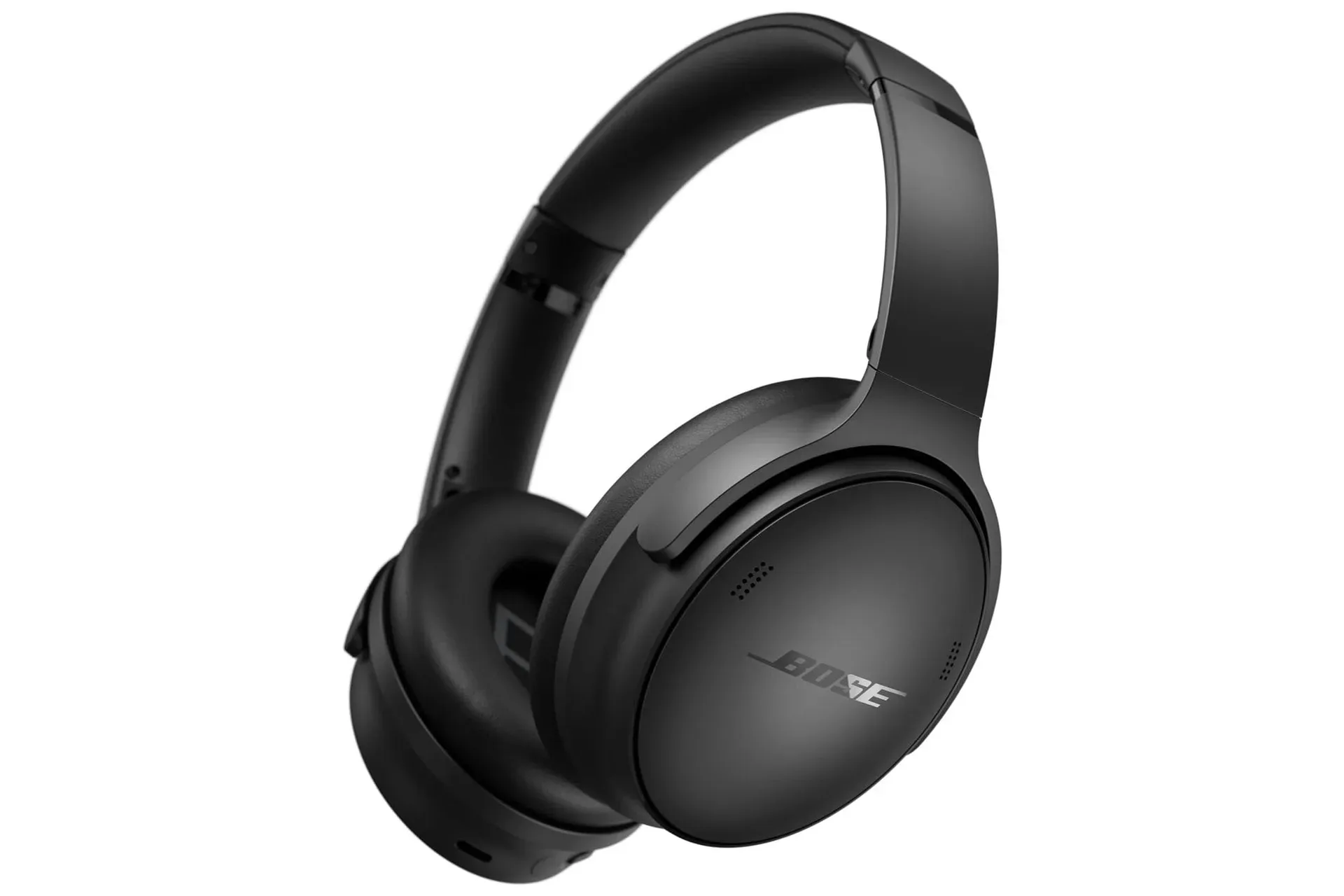
Bose QuietComfort headphones were listed at $169 during the October 6–7 Prime Big Deal Days promotion, reducing the stated $359 regular price by $190. That works out to roughly 53% off, placing the over-ear noise-cancelling model well below its usual listed cost for the limited sale period.
For shoppers who encountered the offer while it was live, the key appeal was straightforward: it paired a large discount with the features implied by the QuietComfort name. Bose’s headphones use active noise cancellation to reduce environmental distractions, include an Aware Mode for bringing outside sound back in, and use padded ear cushions and headband padding intended to spread pressure across longer listening sessions.
The listed $169 price applied across a broad set of color options: black, cypress green, ice blue, moonlight grey, petal pink, sandstone, twilight blue and white smoke. Availability, color selection and promotional pricing can change quickly during retail events, so the sale price should be treated as a time-specific listing rather than a permanent new baseline.
What the discount represented
A $190 reduction matters more than a percentage badge alone because it changes the comparison a buyer should make. At the stated $359 regular price, a shopper may be weighing the QuietComfort against other premium over-ear headphones. At $169, the question becomes whether its core features match the listener’s daily routine: flights, commutes, shared workspaces, podcast listening, audiobooks, music, or a quieter home setup.
It is also worth separating a product’s normal list price from the price a shopper actually pays. The supplied offer identifies $359 as the usual selling price and $169 as the event price. That is enough to calculate the advertised savings, but it does not establish how frequently the headphones sell at either figure outside the event. The practical takeaway is simply that the promotion made a substantial temporary difference versus the stated standard price.
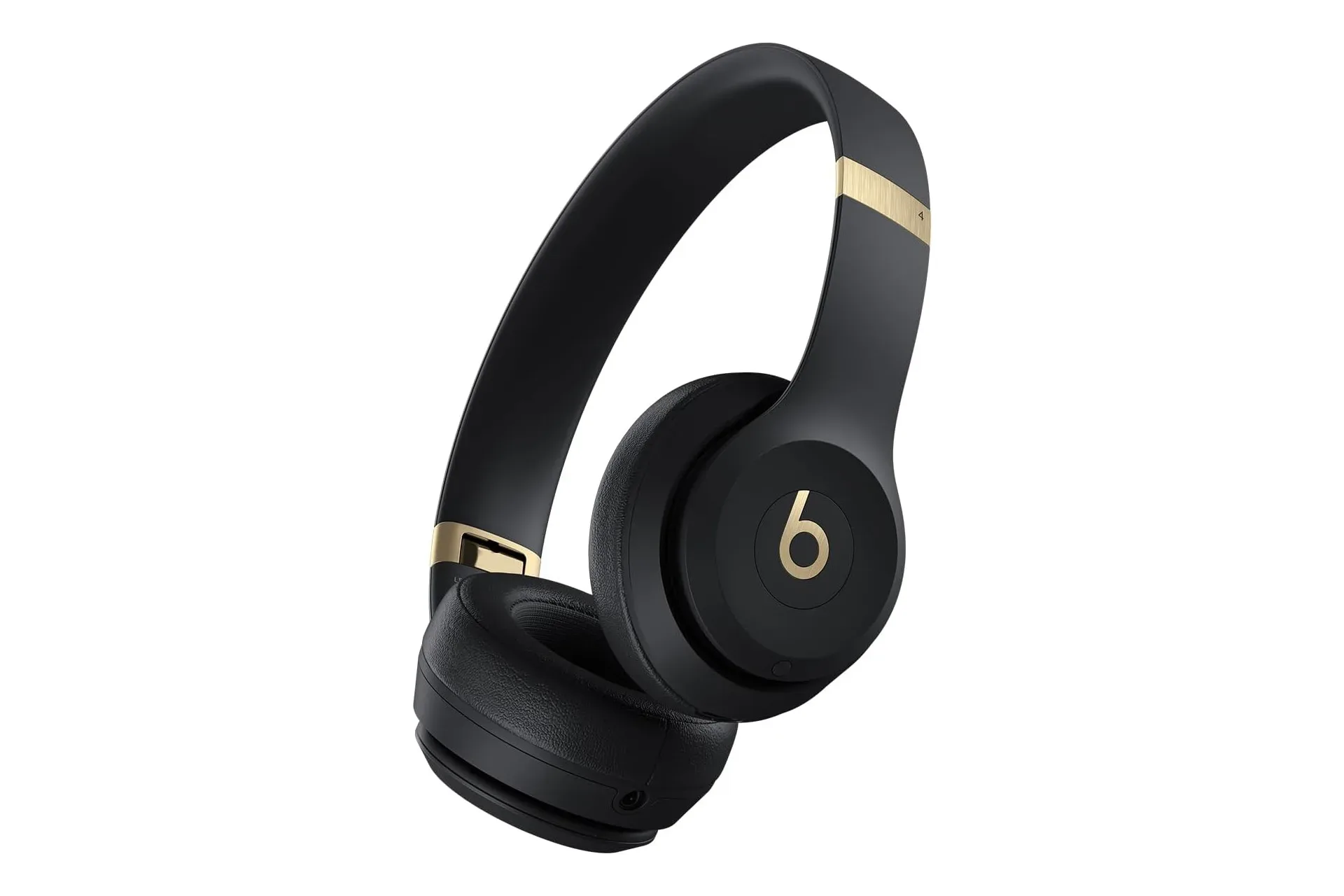
Shoppers looking at audio promotions during the same sales window also saw a lower-cost alternative in the form of Beats Solo 4 headphones listed at $100 during Prime Big Deal Days. Price alone cannot decide between models, especially when they may differ in fit and feature priorities, but it is a useful reminder to compare the type of headphone and the listening situation rather than treating every discount as interchangeable.
Active noise cancellation: what “quiet” means here
Active noise cancellation, often shortened to ANC, is a system designed to reduce unwanted sound around the listener. In the QuietComfort’s case, it is presented as a way to detect and reduce distracting background noise so the user can focus more closely on their chosen audio.
That distinction is important. ANC is not the same thing as sealing off every sound with the physical ear cups. The goal described here is reduction of distractions, and the most useful real-world examples are persistent background sounds such as the low engine noise heard while flying. A listener may find that reducing that steady noise makes music, spoken-word audio and audiobooks easier to follow without competing as much with the surrounding environment.
For game players, the same basic benefit can apply when they are using headphones for a soundtrack, voice chat or a story-heavy title in a noisy space. But the supplied information does not make claims about gaming-specific features, microphones, platform compatibility, latency, battery life or wireless connection options. Those are separate purchase questions that should not be assumed from the presence of ANC.
Nor should ANC be interpreted as a safety feature or a guarantee that a user will not hear their surroundings. It is a listening control intended to make background noise less intrusive. Whether it is desirable depends on where someone is listening and how much awareness they need at that moment.
Aware Mode is the other half of the listening choice
Quiet is not always the objective. The Bose QuietComfort headphones also include Aware Mode, which allows external sounds to come through. The clear everyday use case is conversation: rather than taking the headphones off to speak to somebody nearby, a user can switch modes and retain awareness of what is happening around them.
That makes ANC and Aware Mode complementary instead of competing features. ANC is for a moment when a listener wants fewer intrusions from the environment. Aware Mode is for a moment when communication or situational awareness matters. Buyers who regularly move between focused listening and shared spaces may find that mode switching more meaningful than they would a headline audio claim on its own.
A practical way to think about the two modes is to start with the environment, not the product label:
- Travel or sustained background noise: ANC may be the more relevant option, particularly for the consistent hum associated with air travel.
- Music, podcasts and audiobooks where concentration is the aim: reducing surrounding distractions can help keep attention on the program.
- A nearby conversation or a setting where external sound matters: Aware Mode is designed to bring the outside world back into the experience without requiring the headphones to be removed.
This does not mean every listener needs both modes all the time. It does mean the QuietComfort proposition is broader than isolation alone: the listener can choose whether outside sound is minimized or allowed in.
Comfort is a practical feature, not just a marketing word
The other headline part of the design is comfort. These headphones use plush padding on the inside of the headband and on the ear cushions. The cushions are intended to distribute pressure evenly, an approach meant to help reduce fatigue during extended wear.
That can be especially relevant for people whose headphone use lasts longer than a single album or short video. A flight, work session, long-form podcast, audiobook or game session can turn fit into a more significant consideration than it first appears. Features on a specification list are only useful while the headphones remain comfortable enough to keep wearing.
At the same time, comfort is inherently personal. The information available identifies the padding and pressure-distribution design, but it cannot determine how any individual head shape, ear shape, glasses, hairstyle or preferred fit will interact with the headphones. A buyer should read “designed to distribute pressure evenly” as the manufacturer’s physical approach, not as a universal promise of all-day comfort for every person.
Color choice without changing the core proposition
The promotion covered several finishes rather than restricting the price to a single standard black model. The color list spans muted options such as black, moonlight grey, sandstone and white smoke alongside more distinctive choices including cypress green, ice blue, petal pink and twilight blue.
That breadth has a small but useful buying implication: a shopper did not necessarily have to abandon a preferred color just to reach the event price. It does not alter the headphone’s noise-control or cushioning features, but it removes one common compromise from a limited-time deal—assuming the desired color remained available at checkout.
What is known, and what still needs checking
The available details support a focused buying case: Bose QuietComfort is an over-ear headphone with active noise cancellation, Aware Mode, cushioned contact points and a range of colors, and it was listed at $169 during the October promotional window. The stated regular price was $359, making the reduction $190.
Several details are not established by the supplied information. There is no supported basis here to state battery longevity, charging method, codec support, water resistance, microphone performance, included accessories, exact weight, device compatibility, warranty terms or whether the deal required a particular membership status. Those may be important depending on the buyer, but they should be verified on the current product listing rather than filled in by assumption.
For someone who places the highest value on reducing ambient noise during travel or concentrating on audio in a busy setting, the large temporary reduction gave the QuietComfort a compelling price-to-purpose proposition. For someone who needs a specific gaming connection, professional call performance or technical feature set, the sensible next step is to check those requirements directly. The sale explained the price; the listener’s environment determines whether the quiet, awareness and comfort features are the right reasons to buy.
Shop the products
Check current price, model and availability at the retailer.