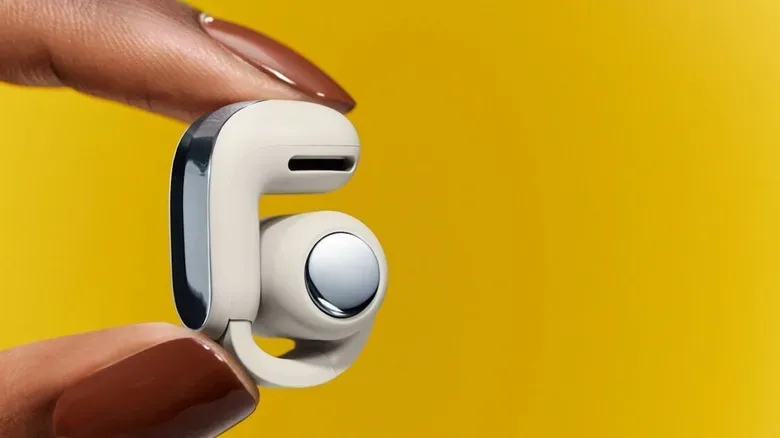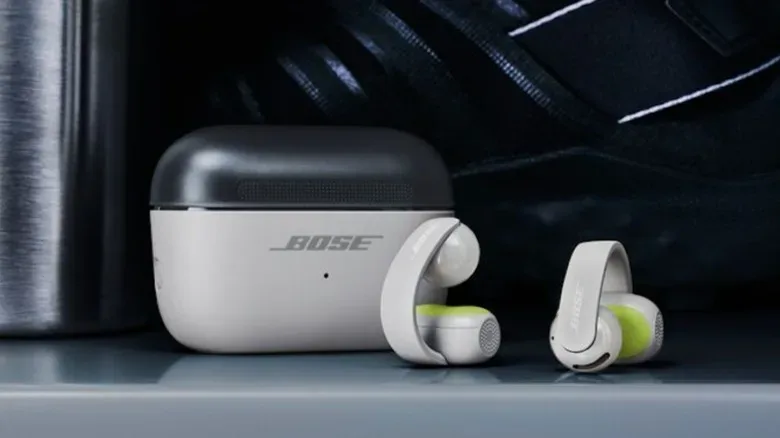
Bose is expanding its open-ear lineup with two cuff-clip models due to arrive October 1: the Bose Sport Open Earbuds and the Bose Ultra Open Earbuds (2nd Gen). They share the same fundamental proposition—play audio while leaving the ear canal unobstructed—but target notably different situations.
The $199 Sport Open Earbuds lean into running, workouts and outdoor movement with a soft silicone build, physical controls and IP54 dust and water protection. The $299 Ultra Open Earbuds (2nd Gen), meanwhile, update Bose’s 2024 flagship open-ear model with a new driver, longer claimed battery life, a wireless-charging case and Cinema Mode for video-focused spatial audio.
Neither pair is positioned as a noise-canceling solution. That is not an omitted checkbox so much as a direct consequence of their design: these earbuds are intended to let outside sound remain audible. For people who want music, calls or podcasts without fully shutting out their surroundings, that trade-off is the entire point. For people seeking isolation on a loud commute or in a shared office, it is an important limitation to understand before looking at the feature list.
What “open ear” means in practical terms
Traditional in-ear earbuds create a seal in, or at the entrance to, the ear canal. That seal can help block external sound passively and is also a foundation for active noise cancellation. Bose’s new products instead use a cuff-like form that attaches around the outer ear. The company calls the audio approach OpenAudio, and its stated goal is to keep the listener connected to music without disconnecting from what is happening nearby.
In practice, that makes awareness the feature. A runner can retain a better sense of surrounding activity; someone working around other people can hear when they are addressed; and a user taking a walk does not have to choose between their playlist and basic environmental cues. It also means the environment comes with the audio. Traffic, gym noise, household activity and conversation will not vanish.
That distinction matters particularly for gaming, streaming and video. An open-ear fit can be convenient when someone wants to keep tabs on the room while watching a video podcast or playing casually, but it is not a substitute for a headset chosen specifically to create a quiet, immersive bubble. Bose’s new Cinema Mode is aimed at presentation and space in video audio, not at canceling the world around the listener.
Ultra Open Earbuds (2nd Gen): the premium update
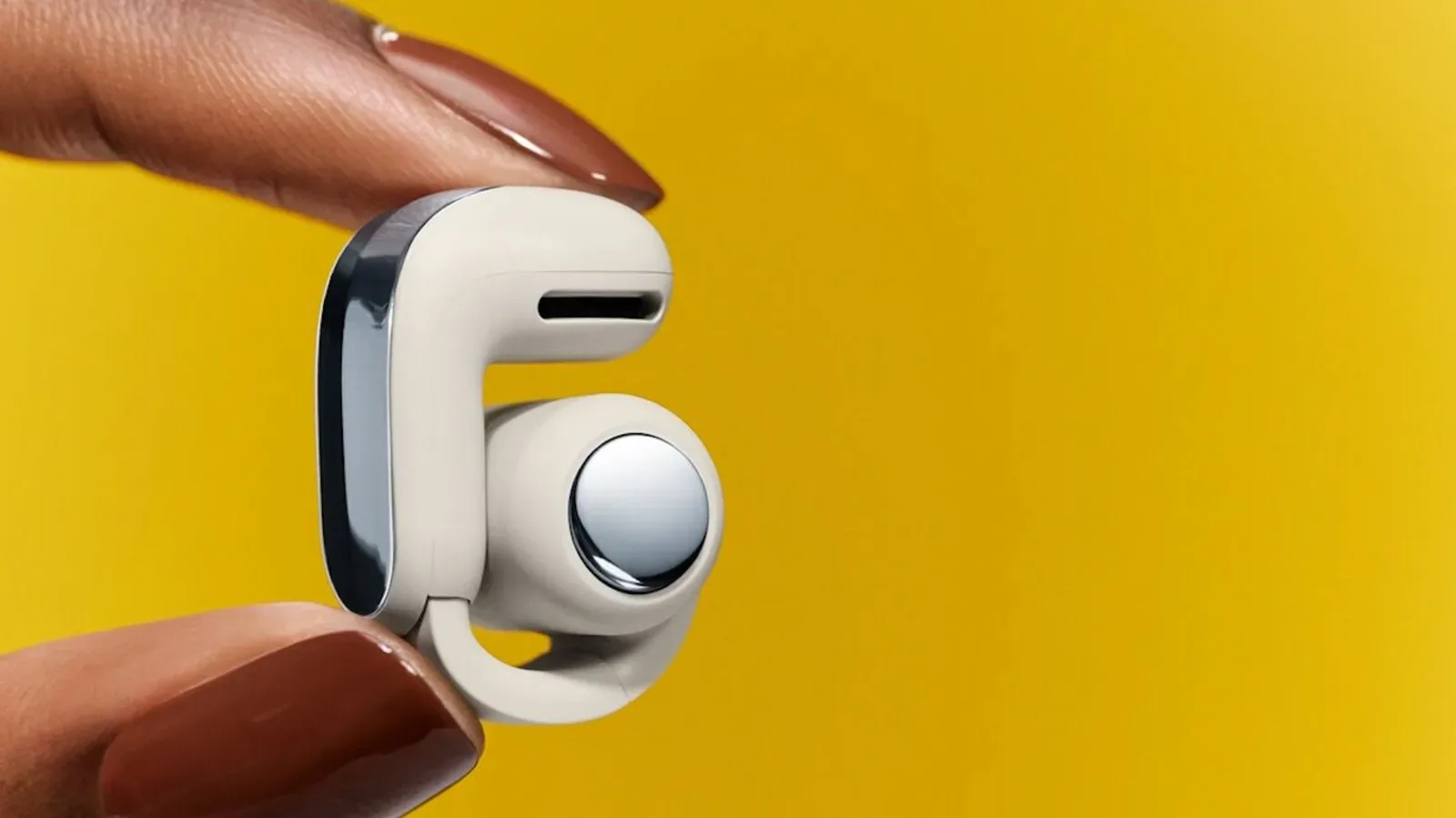
The second-generation Ultra Open Earbuds directly follow the 2024 model. Bose has retained the visually unusual cuff-clip silhouette, which wraps onto the ear rather than sitting inside it. The look will not suit every taste, but the carryover is significant: Bose is refining its existing flagship design rather than redesigning the category around a conventional bud shape.
Changes include metallic caps with a beveled finish and a redesigned charging case that can stand upright and now supports wireless charging. The latter is a tangible quality-of-life upgrade for anyone already using a charging pad or considering a wider device setup. It avoids having to plug the case in every time, while an upright case can be easier to place on a desk or nightstand.
Bose says a new driver improves bass and raises available volume versus the first-generation Ultra Open Earbuds. A driver is the small speaker component that converts an electrical signal into sound. The stated improvement is therefore central to the listening experience, but it should be treated as a manufacturer claim until independent comparisons establish how it translates across music, spoken-word audio and different environments.
The Gen 2 pair adds Cinema Mode, described as Bose’s spatial audio experience for movies, TV and video podcasts. Spatial audio broadly refers to processing designed to make sound seem positioned around a listener rather than arriving as a simple left-right presentation. Bose also lists Immersive Audio among the modes that can materially reduce endurance. These modes may be worthwhile for listeners who prioritize the effect during video, but they are not free from a battery perspective.
Outside of those modes, the Ultra Open Earbuds are rated for up to nine hours of battery life, an increase from the first model’s stated 7.5 hours. The case holds just under 20 additional hours. “Up to” is an upper-limit claim, rather than a promise that every listening pattern will reach it; use of Immersive Audio and Cinema Mode is specifically expected to shorten runtime considerably.
Connectivity is another area of focus. The Ultra Open Earbuds use Bluetooth 5.4 and support multipoint connectivity with two devices. Multipoint means the earbuds can maintain connections with two devices, which can simplify moving between, for example, a phone and another audio source without completely rebuilding the pairing arrangement. It does not erase every handoff decision a user may need to make, but it is intended to reduce switching friction.
At launch, Bose plans a firmware update adding support for Google Find Hub and Alexa+. There is also an Apple Music shortcut for going directly to preselected playlists. Those are ecosystem-facing conveniences rather than reasons to choose an open-ear product on their own, but they can matter for listeners already committed to the relevant services.
Sport Open Earbuds: a different take on the cuff
The new Sport Open Earbuds reuse a name associated with a discontinued 2021 product, but Bose presents this version as an entirely new model. Like the Ultra, they employ OpenAudio and a cuff-clip approach. The implementation is tailored for activity: a lightweight construction, soft silicone exterior and a C-arm cuff that Bose says is gentle on the ear while remaining secure through head shakes and faster movements.
Bose even describes the fit as suitable for cartwheels. That is an attention-grabbing claim, though individual fit is inherently personal; ear shape, movement and placement can all affect stability. The more immediately practical sport-oriented detail is the return to physical controls. Buttons or other tactile controls can be useful while moving because users need not rely solely on precision touch gestures to adjust volume or answer a call.
The Sport model uses custom-designed drivers, includes Auto Volume and offers multipoint support. Auto Volume is Bose’s setting intended to adjust playback level automatically as surroundings change. The source material does not specify precisely how it makes those adjustments, so prospective buyers should not assume behavior beyond that stated purpose. The basic appeal is clear, though: open-ear listening exposes the user to fluctuating surroundings, making a fixed volume less convenient than it might be with a sealed earbud.
Its claimed battery life is up to seven hours from the earbuds, with 22 more hours in the wireless charging case. Unlike the Ultra Open Earbuds, the Sport pair does not include spatial-audio modes that are identified as an extra drain on battery life. That makes the comparison straightforward: the Ultra has a longer maximum per-charge claim and richer video-audio features, while the Sport case carries a little more reserve power and the product avoids those particular premium modes.
For durability, the Sport Open Earbuds are rated IP54 for dust and water protection. The IP rating is a protection classification: here, Bose frames it as appropriate for sweat and outdoor use. It should not be interpreted as permission to swim with the earbuds. The company explicitly says not to take them into the water for swimming, an especially relevant boundary for a product marketed around exercise.
Choosing between the two models
The $100 difference between the products maps to distinct priorities. The Ultra Open Earbuds (2nd Gen) add the claimed audio upgrades, Cinema Mode, the longer nine-hour maximum earbud battery figure and the revised case with wireless charging. They are offered in Nue Black and White Smoke.
The Sport Open Earbuds focus on a soft silicone, movement-ready form, direct physical controls, sweat-oriented IP54 protection and a lower $199 price. They come in Black and White Smoke. Both share the fundamental awareness-first fit, multipoint connectivity and charging cases, so the decision is less about whether either pair is “open ear” and more about how that design will be used day to day.
- Choose the Ultra Open Earbuds (2nd Gen) if wireless case charging, Bose’s video-oriented Cinema Mode, a higher maximum single-charge rating and the company’s premium open-ear positioning are the priorities.
- Choose the Sport Open Earbuds if a silicone sport build, physical mid-workout controls, stated sweat and dust protection, and the lower price matter more than spatial-audio features.
- Consider neither as an isolation-first option if active noise cancellation is essential. Their exposed-ear approach is built around retaining awareness, not blocking noise.
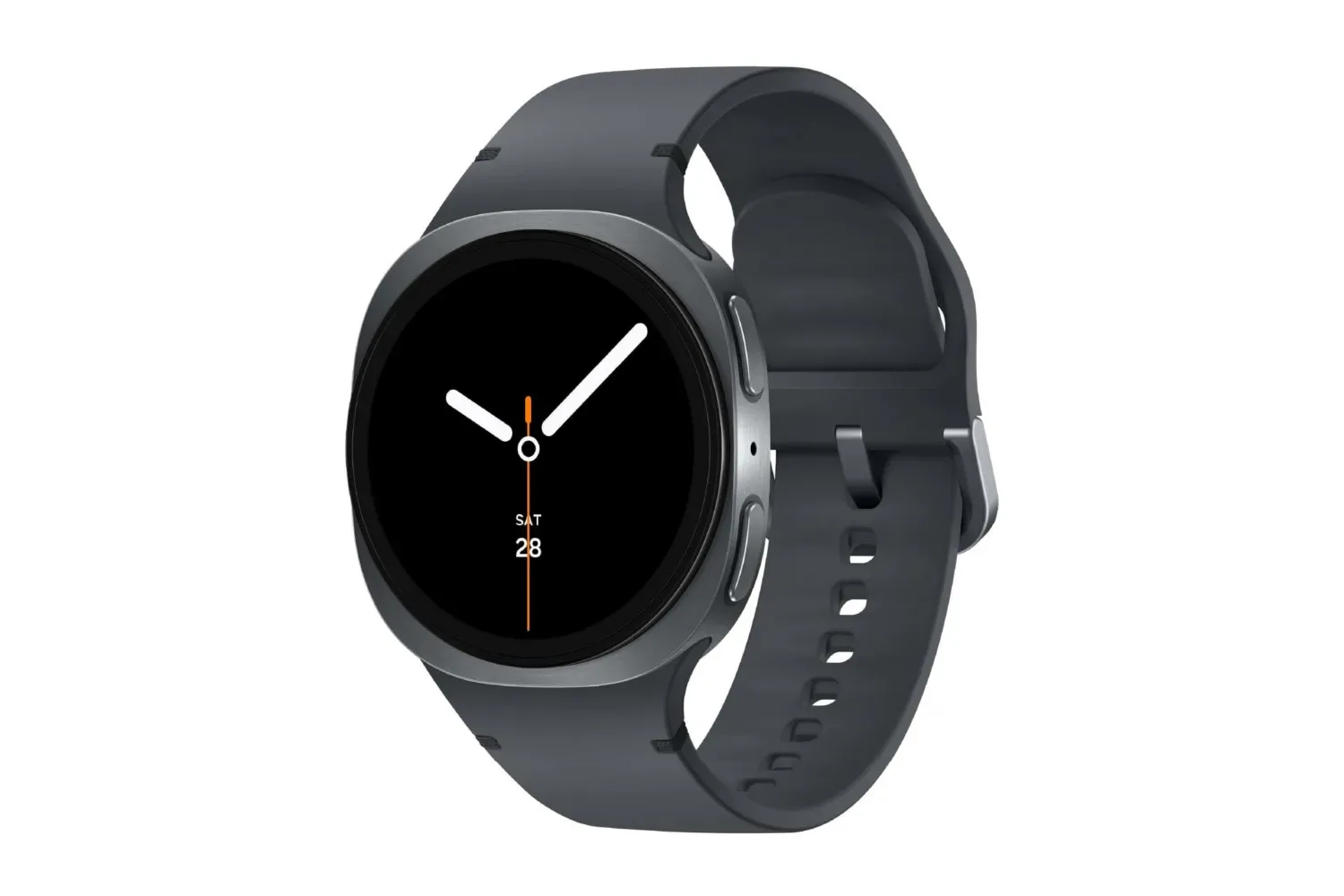
For people piecing together a fitness setup, earbuds are only one part of the equation. A wearable’s controls, connectivity and comfort can be just as consequential during a workout; our coverage of a Samsung Galaxy Watch 8 Bluetooth deal is relevant context for shoppers comparing exercise-friendly tech purchases.
Bose’s two-model approach recognizes that “open ear” is not one fixed kind of product. The Ultra version packages it as a more feature-rich everyday listening and video option. The Sport version makes the same awareness principle more explicitly workout-oriented. The shared caveat remains equally important for both: openness can be liberating when you need to hear the world, and distracting when you do not. Buyers should choose with that real-world trade-off ahead of spec-sheet comparisons.