Austin Creed turned a wrestling-ring prop into a fighting game punchline at AEW Full Gear, delivering a Shoryuken-style uppercut punctuated by sparks during a six-man Texas Death Match. The spot was immediately recognizable to Street Fighter players: after being knocked down and pressured by Brody King, Creed rose with the kind of sudden, vertical counterattack that fighting game communities call a wakeup DP.
The crossover worked because it was not merely an uppercut with a game reference attached. Creed first produced and put on a Nintendo Power Glove, then took two shots that left him on his knees before returning fire with the explosive strike. Within the match presentation, the glove supplied the super-powered explanation; within fighting-game shorthand, it was a clean reversal against an opponent who had failed to defend at the critical moment.
Creed teamed with Kofi Kingston and Swerve Strickland at Full Gear on November 14 against King, Hangman Page, and the masked Bandido. Their bout used Texas Death Match rules, allowing the performers to incorporate weapons and props. That rule set gave the Power Glove a natural role in the chaos rather than making it feel like an unrelated bit of cosplay.
Why fans called it a wakeup DP
For anyone outside the fighting game community, the wave of comments can sound like a private language. The terminology is specific, but the joke is straightforward once its parts are unpacked.
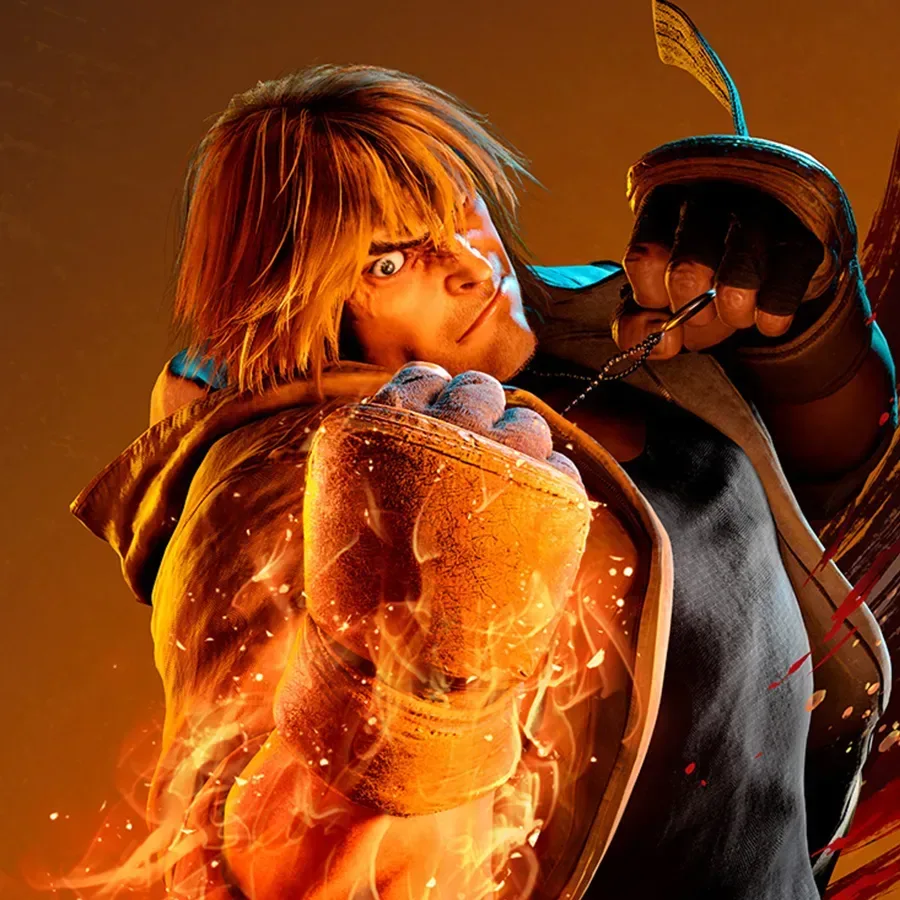
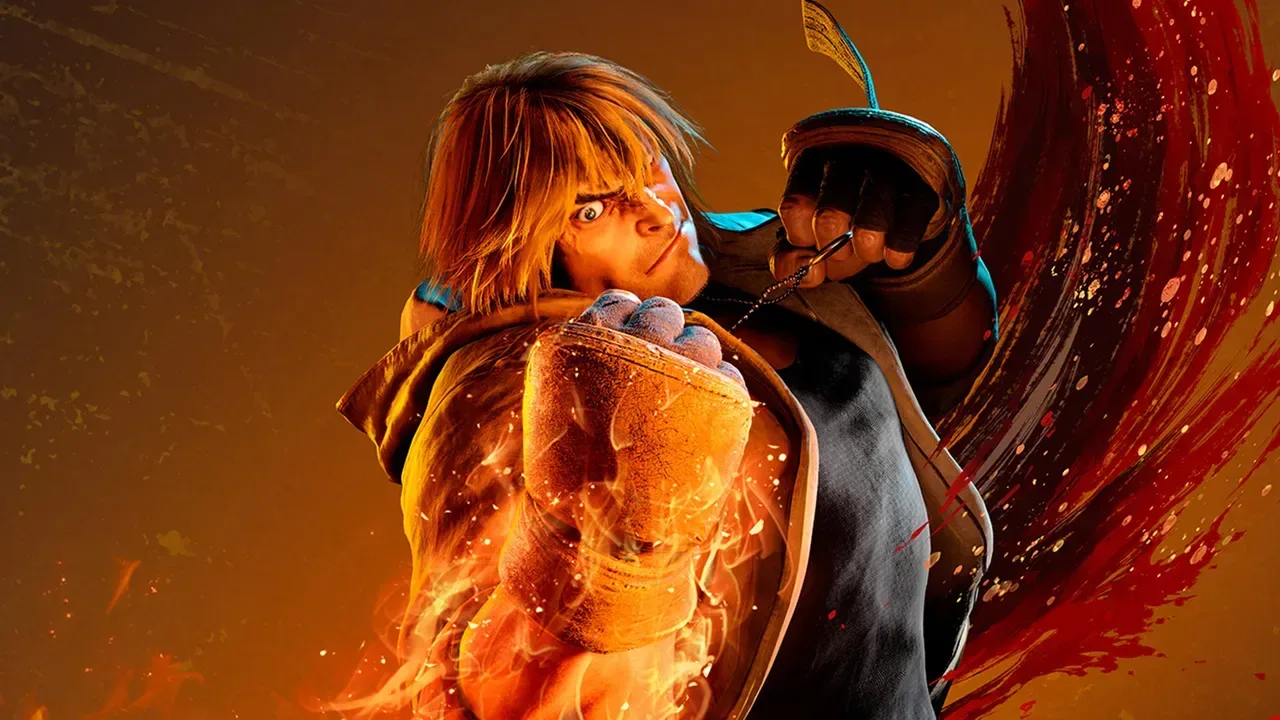
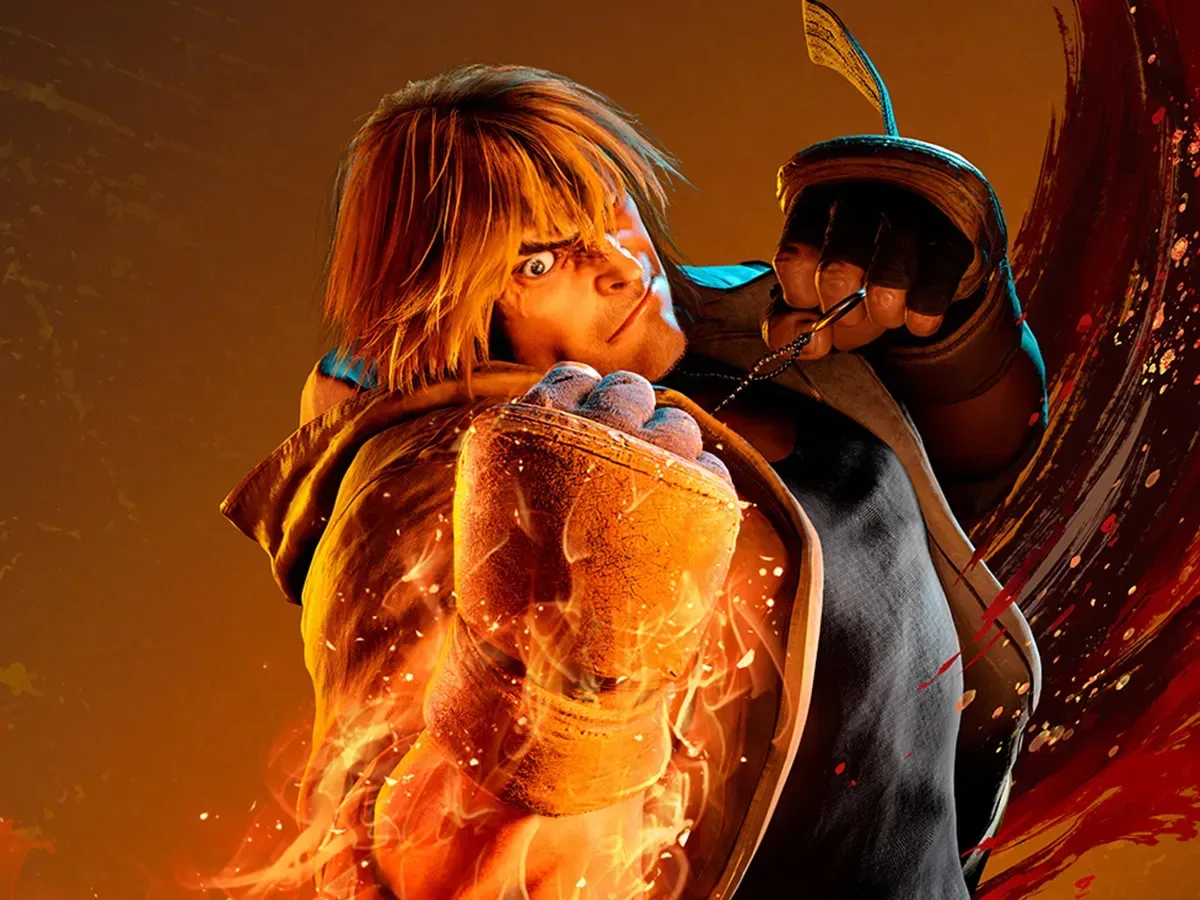
- Shoryuken: the signature rising uppercut associated with Street Fighter’s Ryu and Ken. It has become a broader visual shorthand for a leaping, forceful uppercut.
- DP: short for “Dragon Punch,” a name players use for the family of uppercut-like special moves descended from the Shoryuken. A DP is commonly used to interrupt an opponent who is advancing or attacking.
- Wakeup: the brief moment when a character gets back up after being knocked down. It is often a dangerous situation because the opponent can already be positioned to continue pressure.
- Reversal: a move executed at the earliest possible opportunity after recovering from hit stun, knockdown, or another vulnerable state. In a fighting game, the timing can be exacting.
That is the lens fans applied to Creed’s sequence. King appeared to have control after striking Creed down twice. Creed then stood and immediately launched the uppercut, sending King backward as sparks burst from the gloved fist. The joke is that King treated Creed’s recovery like a safe opportunity to keep attacking, only to be met by the wrestling equivalent of a perfectly timed invincible special move.
One fan summarized the imagined strategic error bluntly: King remained in front of an opponent on wakeup without blocking and got hit for it. Another joke assigned the attack invulnerability for its opening frames, echoing the way fighting game players debate move properties through frame data.
What “invincible frames” means
“Totally invincible on frames 1-8” is not a literal claim about the ring spot. It is a frame-data gag. Fighting games run as a sequence of individual animation frames, and players use frame data to understand exactly when moves begin, can hit, recover, or are immune to attacks.
Many Dragon Punch-style moves are famous because they may have some invulnerability at startup. That means an opponent’s attack can pass through during the move’s earliest moments, allowing the defender to escape pressure and score a hit. The downside is usually substantial: if the opponent blocks or evades the DP, the attacker can be punished. In wrestling terms, Creed’s Power Glove strike got the fantasy version of the best outcome—an immediate momentum swing with no visible drawback.
Related coverage includes Austin Creed's Explosive Shoryuken Turns AEW Full Gear Into a Fighting Game Showcase.
The other comparison made by fighting game fans was to Daigo Umehara’s “Umeshoryus,” a label tied to the renowned player’s frequent use of Shoryuken-style answers in competition. The reference underlines why the moment traveled beyond ordinary game nods. It captured a familiar fighting-game decision tree in a few readable seconds: knockdown, pressure, wakeup, counterattack, launch.
The Power Glove was the perfect retro-game prop
The Nintendo Power Glove made the gag especially legible. Released for the Nintendo Entertainment System in 1989, the accessory is one of the most recognizable pieces of gaming hardware from its era. Its appearance carries an immediate retro identity even for people who never used one.
Here, the device did not need to resemble a modern controller or reproduce an actual game input. It functioned as an instantly understood visual promise: put on a famous game accessory, then do something that looks like it escaped from a game. The sparks made the connection unmistakable and turned the glove from a nostalgic object into the match’s fictional power-up.
That is also why the sequence has broader appeal than a reference aimed only at Street Fighter specialists. Casual viewers can follow the setup and payoff—a fighter equips an unusual glove, appears to be in trouble, then unleashes an exaggerated comeback. Players familiar with fighting games get an additional layer: Creed did not simply use a super move; he used it in the precise kind of defensive situation where a Dragon Punch becomes a meme-worthy choice.
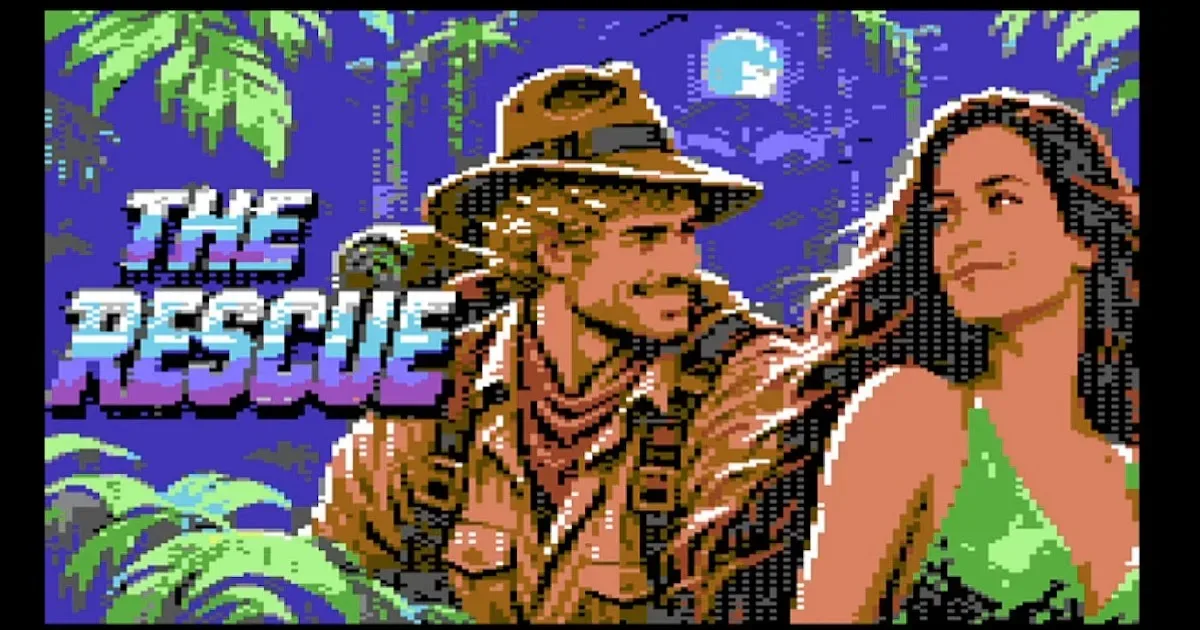
The Power Glove’s return to a prominent pop-culture setting is another reminder that older gaming hardware remains a flexible storytelling symbol. It can signal both sincere affection and theatrical excess, qualities well suited to pro wrestling. Retro gaming continues to find new audiences and new contexts, from hardware references in major events to newer projects such as The Rescue on Commodore 64.
Wrestling and fighting games share a language of spectacle
The reaction makes sense because professional wrestling and fighting games overlap in more than aesthetics. Both rely on instantly readable actions, dramatic momentum shifts, signature techniques, and a shared audience vocabulary for comebacks. A standing uppercut can be just an uppercut; call it a Shoryuken, place it after a knockdown, and punctuate it with a burst of pyrotechnic energy, and it becomes a compact story about taking a risky turn back.
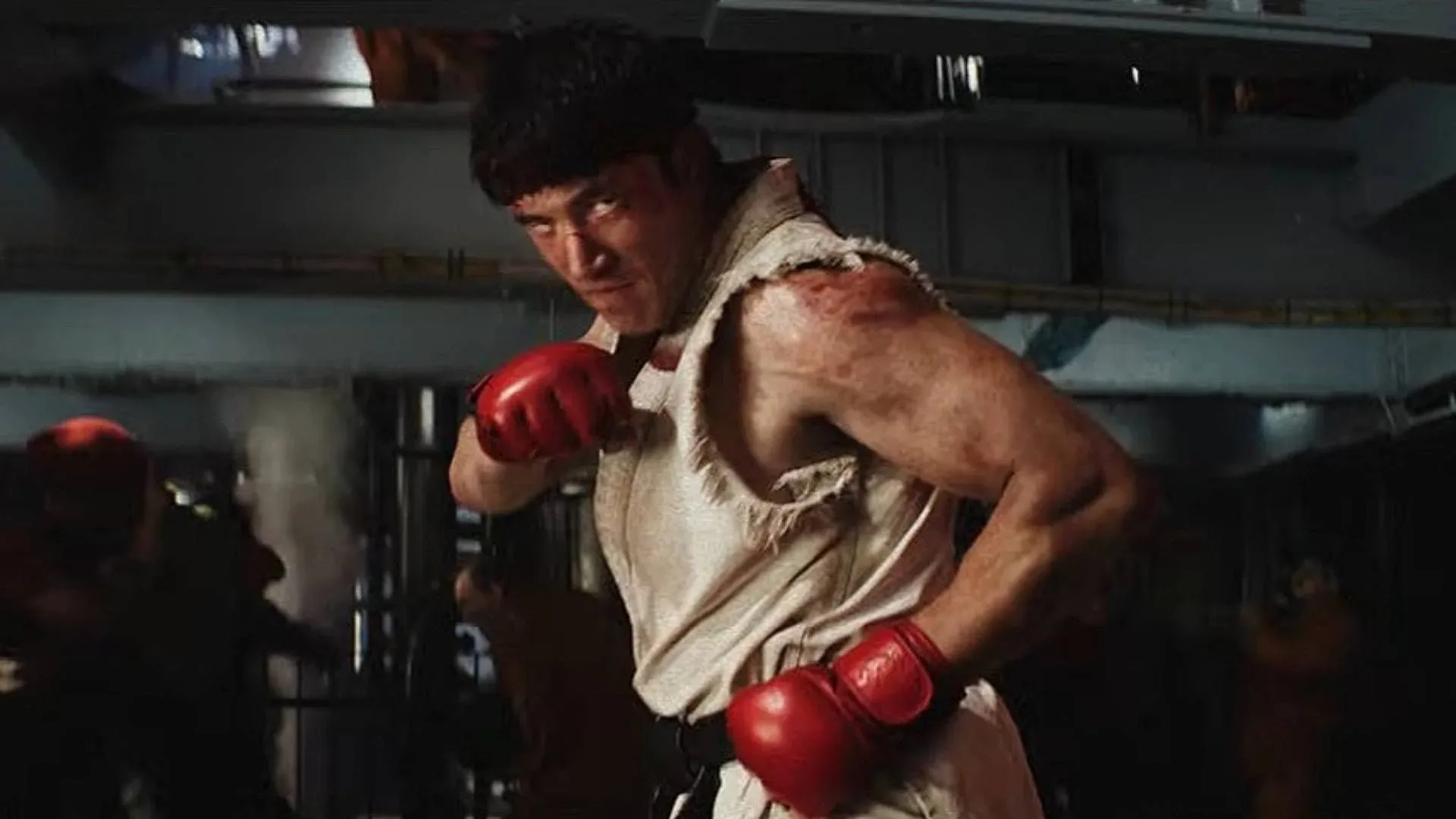
Creed’s spot joins a visible tradition of wrestlers drawing from the genre. Kenny Omega has used moves associated with Street Fighter 5’s V-Trigger, and he also contributed to Alex’s moveset for Street Fighter 6. Cody Rhodes has likewise embraced the connection, appearing at WWE SummerSlam in Guile-inspired attire, complete with the character’s unmistakable flat-top silhouette. These are not identical references, but each uses fighting games’ exaggerated iconography to make a wrestling entrance or offense more immediately memorable.
There is an important distinction, though: a move reference lands best when viewers can understand it without needing a glossary. Creed’s sequence did that. The Power Glove established the premise, King’s apparent advantage established the danger, and the explosive rising punch resolved it. The fighting-game terminology came afterward as a playful form of commentary, not a barrier to the scene.
Why the clip traveled so quickly
Viral crossover moments often depend on a reference being both specific and broadly recognizable. This one had several layers working at once: a classic Nintendo accessory, a Street Fighter-style attack, an in-ring recovery that maps cleanly to competitive terminology, and a visual effect designed to sell the impossible impact.
For fighting game players, calling the move a reversal DP is more than a loose metaphor. It identifies the timing and the tactical fantasy behind the visual. For wrestling fans, it is an emphatic comeback spot enhanced by a prop allowed within the match’s weapon-friendly rules. For everyone else, it is a wrestler putting on a giant retro glove and apparently acquiring enough power to launch an opponent with a single uppercut.
That shared readability is what makes Creed’s Shoryuken stand out. It is a deliberately over-the-top wrestling moment, but it is also a remarkably faithful translation of a familiar fighting-game feeling: the instant a player who looks trapped finds the one attack that flips the entire exchange.