Dame Dash has responded to the reported $550,000 winning bid for rights connected to his life story with a mixture of appreciation and skepticism. Dash said the interest was flattering, particularly if it signals an intention to make a film with a meaningful budget. But he also challenged the underlying premise: whether a buyer can obtain exclusive control over the telling of a public figure’s story through a bankruptcy sale.
The disputed asset was part of Dash’s Chapter 7 bankruptcy case in Florida. At an October 1 auction, Everlasting Films LLC submitted the winning $550,000 bid, exceeding a $500,000 backup bid from Doug Peters. The trustee’s stated terms gave Everlasting 10 days to close after entry of a sale order, meaning the auction result and a fully completed transaction are important distinctions.
What Dash is questioning
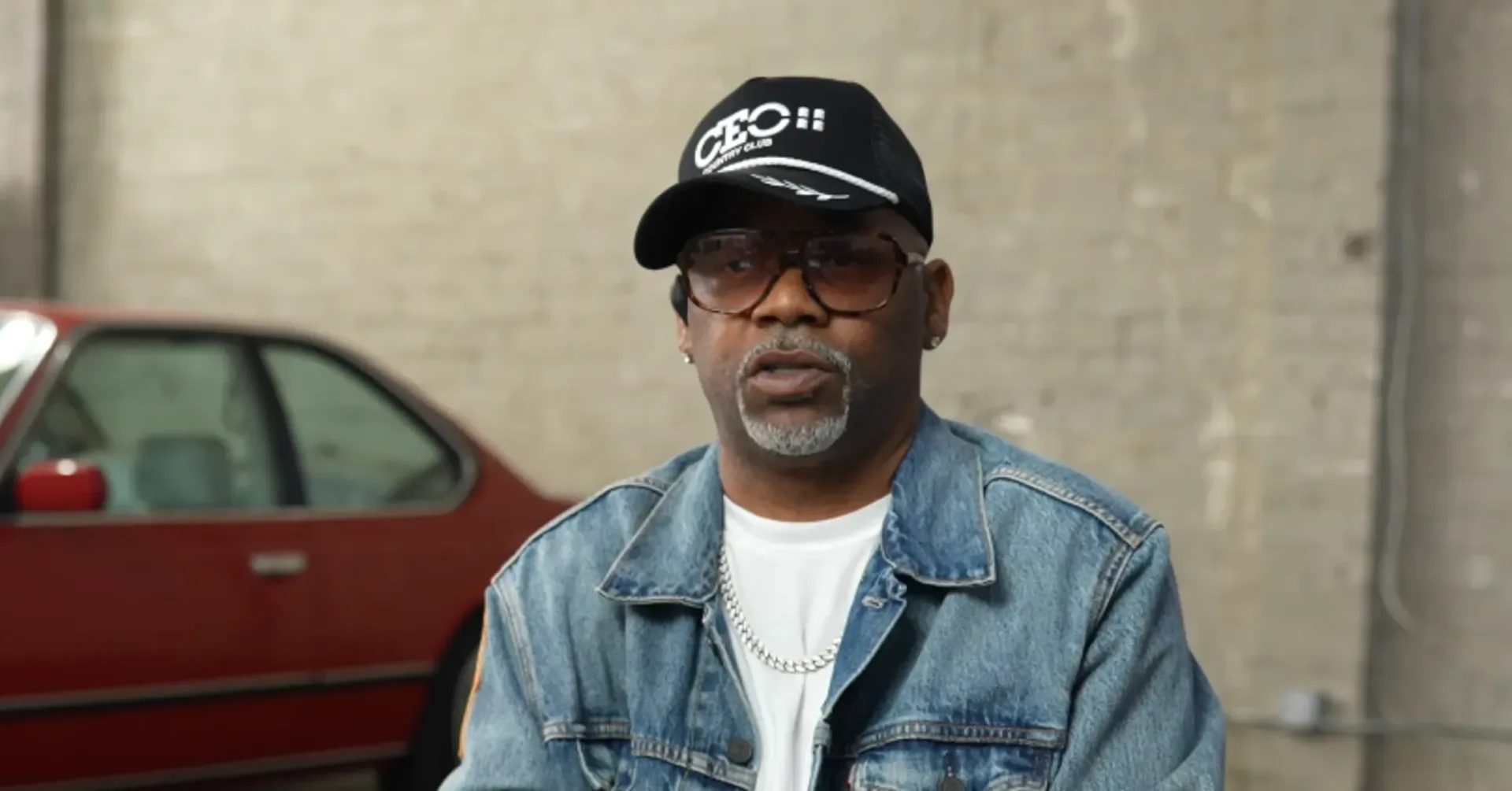
In an interview posted October 28, Dash said he had not encountered a deal like this before. His central objection was not that filmmakers might want to make a project about him; he said that prospect itself was a compliment. Instead, he questioned what a purchase described as “life rights” would practically give a buyer when a person is already a public figure.
Dash pointed to screen projects about Sean Combs and Donald Trump as examples of stories that can be told about prominent people. His argument was that public lives, public events and public records may already provide filmmakers with material. He also raised the possibility of a constitutional challenge should an attempted deal restrict him in a way he believes is improper.
That position should not be mistaken for a ruling in the case. The available information establishes Dash’s view and the auction bids, not a court decision on the scope, enforceability or ultimate ownership of any rights at issue. Nor does the reported bid, by itself, reveal the complete language of the proposed sale or what a future film project would contain.
“Life rights” is the key phrase — and an imprecise one here
The phrase “life rights” is doing a great deal of work in this dispute. As used in the report, it refers broadly to an interest tied to Dash’s life story rather than to a disclosed finished movie, script, cast, release plan or production schedule. No such details were provided.
That lack of disclosed detail matters. A bid for an asset associated with a person’s story does not, on the facts available, confirm that a movie is funded or moving ahead. It also does not establish what factual material, cooperation, permissions or other elements a buyer may expect to receive. Dash’s comments highlight that uncertainty: he appears to view the public nature of his career and the concept of a purchasable life story as being in tension.
For readers following entertainment-business auctions, the practical takeaway is straightforward: a headline price can identify what bidders were willing to pay, but it does not necessarily explain the full legal or creative value of the asset. The sale order, closing process and the exact rights described in transaction documents would be more revealing than the number alone.
Related coverage includes Dame Dash Questions $550K Bid for His Life Rights After Bankruptcy Auction.
A bankruptcy sale with a personal legal backdrop
The auction did not occur in isolation. Dash filed for Chapter 7 protection on September 4, 2025, listing $25.3 million in debt and $4,350 in personal assets. He reported no monthly income, with taxes, child support and court judgments among the obligations described in the filing.
In Chapter 7, the case centers on assets and debts rather than a public-relations contest over a celebrity’s legacy. That helps explain why a personal-story asset could appear alongside more conventional property interests in a bankruptcy process. Still, the story has an unusually direct personal dimension because attorney Christopher Brown participated in the Everlasting bid.
Brown had previously prevailed in a December 2022 defamation case that left Dash and his company, Poppington, owing $50,000 each. Brown also represented filmmaker Josh Webber in efforts to collect money from Dash after judgments were won. Dash had cited Brown’s collection activity when discussing his bankruptcy decision during a September 2025 appearance.
Those earlier disputes give Dash’s reaction additional context. The reported buyer was not simply an unknown outside party seeking a possible screen property; the auction involved someone connected to litigation and collection efforts that Dash had already publicly discussed. That history does not determine the validity of the bid or its terms, but it explains why Dash frames the matter as something he may fight.
The wider financial context: Roc-A-Fella share sale
The life-rights auction also follows another high-profile sale involving Dash’s holdings. In November 2024, New York State bought his one-third share of Roc-A-Fella for $1 million, with the purchase directed toward nearly $9 million in unpaid taxes.
That transaction and the newer auction should not be conflated. The Roc-A-Fella sale concerned a specific ownership stake, while the October auction concerned an asset described in relation to Dash’s life rights. Yet together they show how a bankruptcy and tax-debt story can place assets with very different forms of value into formal sale processes.
It is also a reminder that a recognizable name does not settle the question of what is being purchased. A company stake can be described through ownership percentages. A project tied to a life story is more difficult to evaluate from a public bid figure alone, especially when the source material does not identify a completed production agreement or creative plan.
Why the $550,000 figure has drawn attention
Dash himself focused on the apparent scale of the investment. He said he was flattered that someone would value the rights at that level and reasoned that a movie based on his life would presumably require a substantially larger budget than the acquisition price. His remarks turn the dollar figure into two separate questions: what the buyer believes it is acquiring, and whether that acquisition has the limits Dash says it does.
For now, there is no publicly supplied answer to either question. The reported record identifies Everlasting Films LLC as the successful bidder and Doug Peters as the backup bidder, while the trustee’s terms set the post-sale-order closing window. It does not establish that a Dash biopic has been greenlit, that Dash is participating, or that the buyer has announced a studio, distributor or release target.
That restraint is especially useful in an entertainment landscape where ownership news can quickly be read as production news. A winning auction bid may be commercially significant without guaranteeing that audiences will ever see a finished project. The difference between acquiring an interest and executing a film is substantial, and no additional production facts have been disclosed here.
What to watch next
The immediate procedural point is whether the sale order is entered and whether Everlasting closes within the trustee’s 10-day window. Beyond that, the most consequential developments would be any public clarification of the purchased asset’s terms, a challenge from Dash, or a formal announcement that converts the auction result into a defined screen project.
Dash has already made his position clear: he considers the interest in his story validating, while rejecting the notion that a buyer can necessarily control a public figure’s life narrative in the way the reported sale suggests. Until the terms and any legal challenges are publicly resolved, the $550,000 result is best understood as a notable bankruptcy-auction bid with significant unanswered questions—not confirmation of a finished or forthcoming film.
The case also arrives amid continued scrutiny of the business side of screen entertainment, where rights, distribution and financing can be as important as creative ambition. For a separate look at that broader marketplace, see Starz’s reported Q3 2026 results and Pay 1 record.