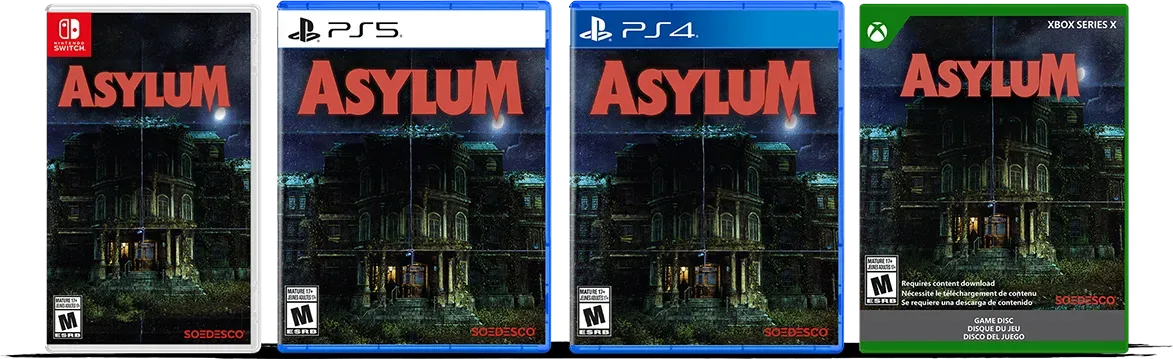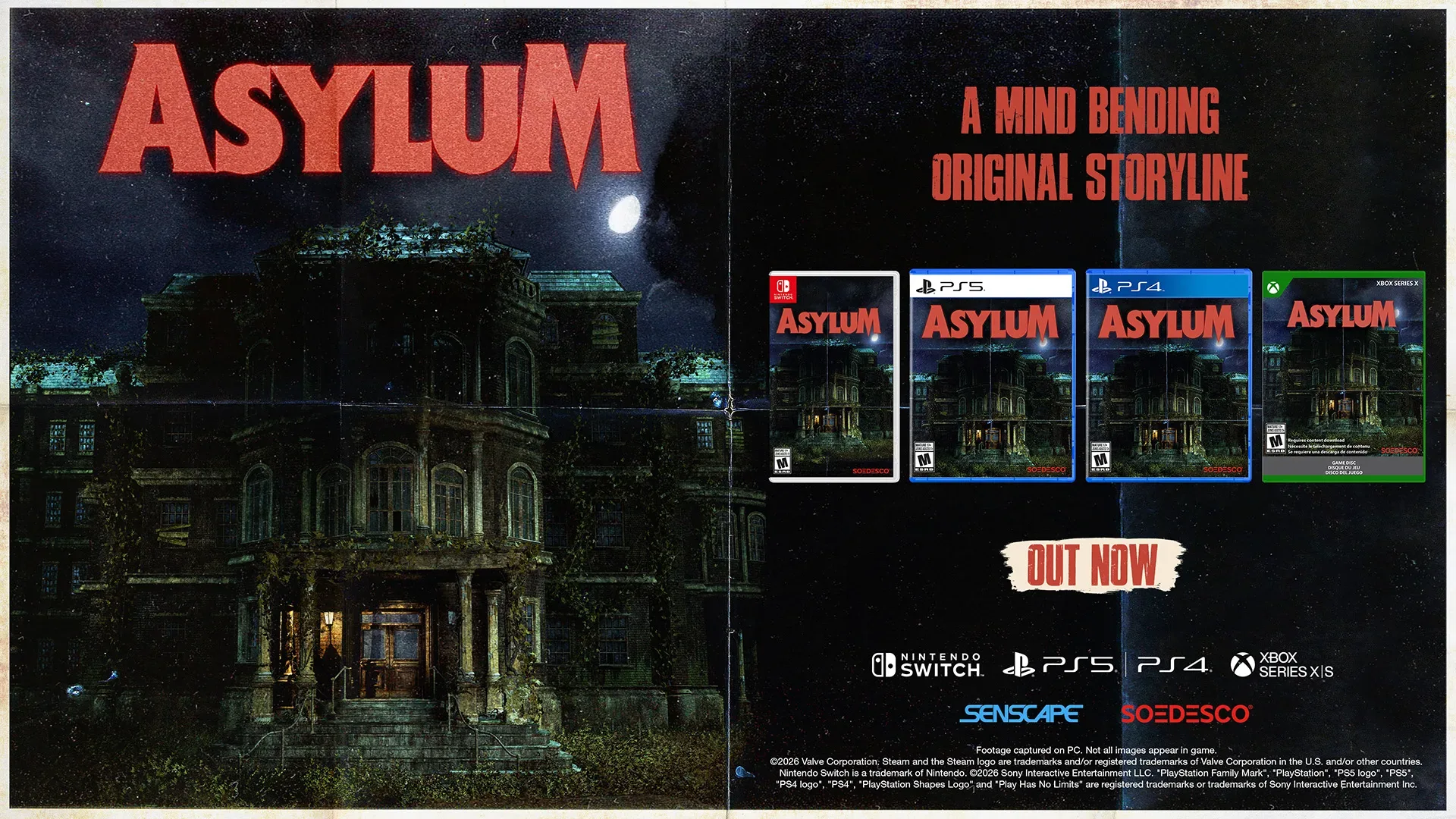
Asylum, the supernatural psychological horror adventure from developer Senscape, is now available for PlayStation 5, PlayStation 4, Xbox Series X|S and Nintendo Switch. The console release arrives after a Very Positive reception on Steam and brings the game’s investigation of the ominous Hanwell Mental Institute to a considerably wider set of platforms.
The premise is intentionally enclosed and unsettling: players enter the institute’s halls and work toward uncovering the secrets concealed inside. Senscape describes the game as an adventure, horror and point-and-click title, a combination that points to investigation, object interaction and puzzle-solving rather than a combat-led horror format.
Digital editions on Nintendo Switch and Xbox Series X|S are discounted by 20% for the launch. Physical editions are also part of the release, although the confirmed physical availability is limited to Nintendo Switch and Xbox Series X|S in the United States. Players on PlayStation platforms should therefore check their regional digital storefronts for the relevant edition and purchase details.
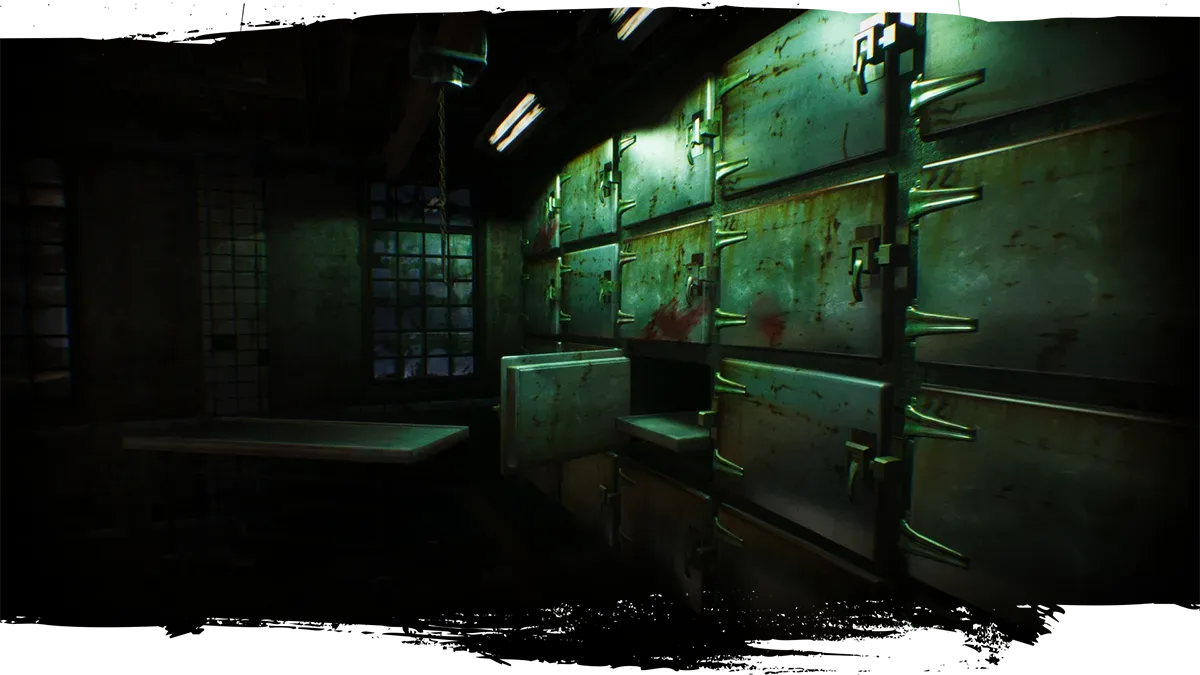
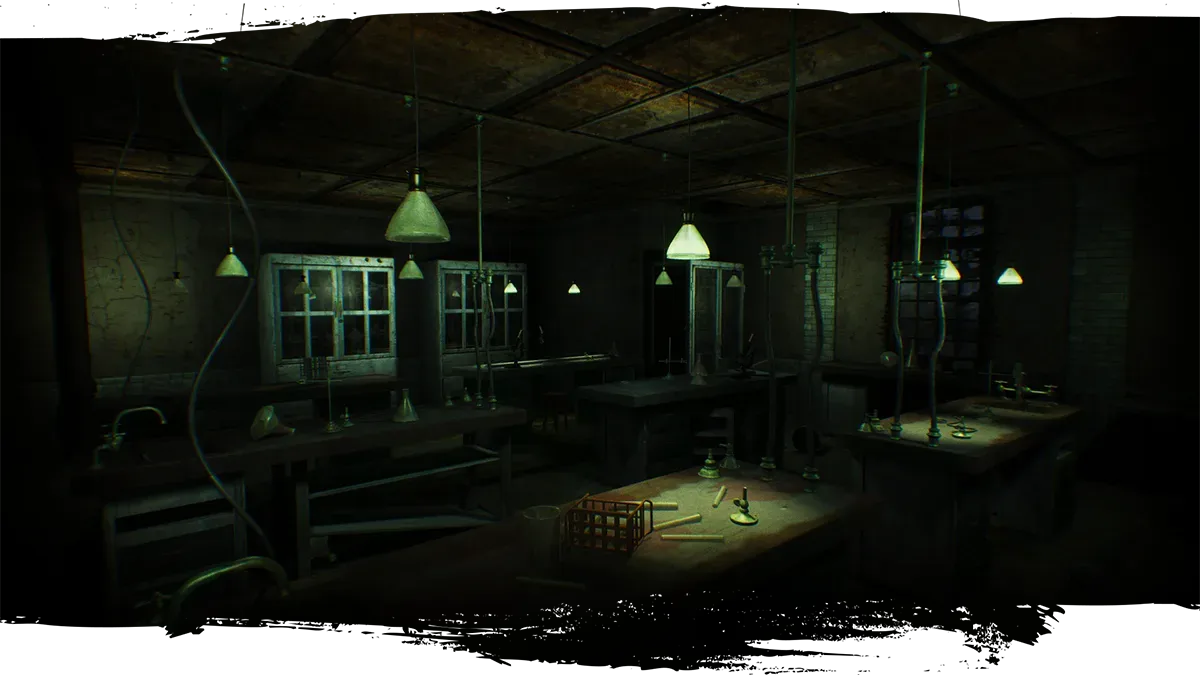
A horror game built around the building
Hanwell Mental Institute is more than a backdrop in Asylum’s setup. The game’s stated emphasis on hidden mysteries, secrets, exploration and observation makes the location central to its design. In a point-and-click adventure, progress commonly comes from studying spaces closely, noticing what has changed or what does not belong, and connecting clues with the tools or information already gathered. Asylum specifically frames its puzzles as challenging and rewarding for careful observation and exploration.
That matters for players deciding what type of horror experience they want. “Psychological horror” generally refers to horror that works through mood, uncertainty, implication and the player’s interpretation of disturbing events, rather than relying exclusively on direct threats. In Asylum’s case, the supernatural element sits alongside that psychological framing, while Lovecraftian fiction and classic horror cinema are named as creative touchstones.
Lovecraftian horror is often associated with unknowable forces, creeping dread and the disturbing possibility that ordinary understanding cannot explain what is happening. That description should not be mistaken for a promise of any particular monster, story turn or mechanic here; none has been detailed. It does, however, help explain why an isolated institution, concealed history and persistent investigation are such fitting ingredients for the game’s stated tone.
Puzzles and pacing take priority over shock tactics
Senscape estimates that Asylum offers roughly 10 hours of gameplay. That figure is useful as a broad expectation rather than a fixed completion guarantee: puzzle difficulty, time spent exploring, and the pursuit of optional secrets can all affect an individual playthrough. The game explicitly includes hidden mysteries and secrets, suggesting that players who inspect rooms carefully may find more than the critical path requires.
The stated approach to scares is equally revealing. Asylum is designed around suspense and atmosphere, with only a handful of carefully placed jump scares. A jump scare is a sudden audiovisual interruption intended to make the player react instantly. It can be effective, but it is a different tool from sustained atmosphere, which builds unease through place, sound, pacing and the expectation that something may be wrong.
Related coverage includes Asylum Brings Supernatural Psychological Horror to Consoles.
For Asylum, the latter is presented as the foundation. That should appeal to players seeking slow-burn tension and a mystery to untangle, especially those who prefer horror that gives them time to examine a room, process a clue and sit with its implications. It also establishes a reasonable expectation for anyone hoping for a constant stream of startle moments: that is not the advertised focus.
The puzzle focus also carries a practical implication. When an adventure game says observation is important, the most useful early habit is to be methodical. Revisit spaces after major discoveries, inspect details before assuming an item is decorative, and keep track of information that may not have an immediate purpose. Those are general point-and-click habits, not specific solutions for Asylum, but they align directly with the game’s announced emphasis on exploration and careful attention.
An ’80s horror-film musical influence
Sound is another major piece of Asylum’s intended identity. Its soundtrack is described as drawing from classic 1980s horror films and the work of John Carpenter. Carpenter is widely associated with tense, electronic-driven horror scoring, and that cited influence signals a musical approach aimed at reinforcing unease rather than simply filling silence.
Atmospheric horror often depends on this kind of collaboration between sound and space. A score can make a familiar corridor feel unsafe, heighten the significance of a discovery, or leave the player uncertain whether a rising cue signals an immediate danger or merely a change in mood. Asylum’s promise of a haunting soundtrack fits naturally with its reliance on suspense, investigation and a single confined institution.
There is a useful distinction here between an influence and a guarantee. The game is not being presented as a recreation of any one 1980s film or any individual composer’s work. Rather, the cited influences establish the kind of tonal territory Senscape is pursuing: classic-cinema horror mood, supernatural mystery and patient psychological tension.
Platform and edition details at a glance
- Game: Asylum
- Developer: Senscape
- Genre: Adventure, horror, point-and-click
- Platforms: PlayStation 5, PlayStation 4, Xbox Series X|S and Nintendo Switch
- Digital launch offer: 20% off on Nintendo Switch and Xbox Series X|S digital editions
- Physical editions: Nintendo Switch and Xbox Series X|S physical editions are exclusive to the United States
- Estimated length: Approximately 10 hours
Its arrival also makes Asylum one of the games joining the release slate for October 30; see the wider roundup of games releasing today for more launches on the date.
Who Asylum appears to be for
Based on the available details, Asylum is best suited to horror fans who value setting, mysteries and deliberate puzzle work. The mix of point-and-click structure and psychological-supernatural horror suggests a game where advancing means engaging with its environment, not simply surviving a series of action encounters. The advertised secrets may also make it attractive to completion-minded players who enjoy looking beyond the obvious route through an adventure.
Its multi-platform launch gives console players several ways into that experience, while the physical-release limitation is important for collectors who specifically want a boxed copy: the confirmed physical options are Switch and Xbox Series X|S editions, available exclusively in the United States. For everyone else, the digital editions are the straightforward route to Hanwell Mental Institute’s mysteries.