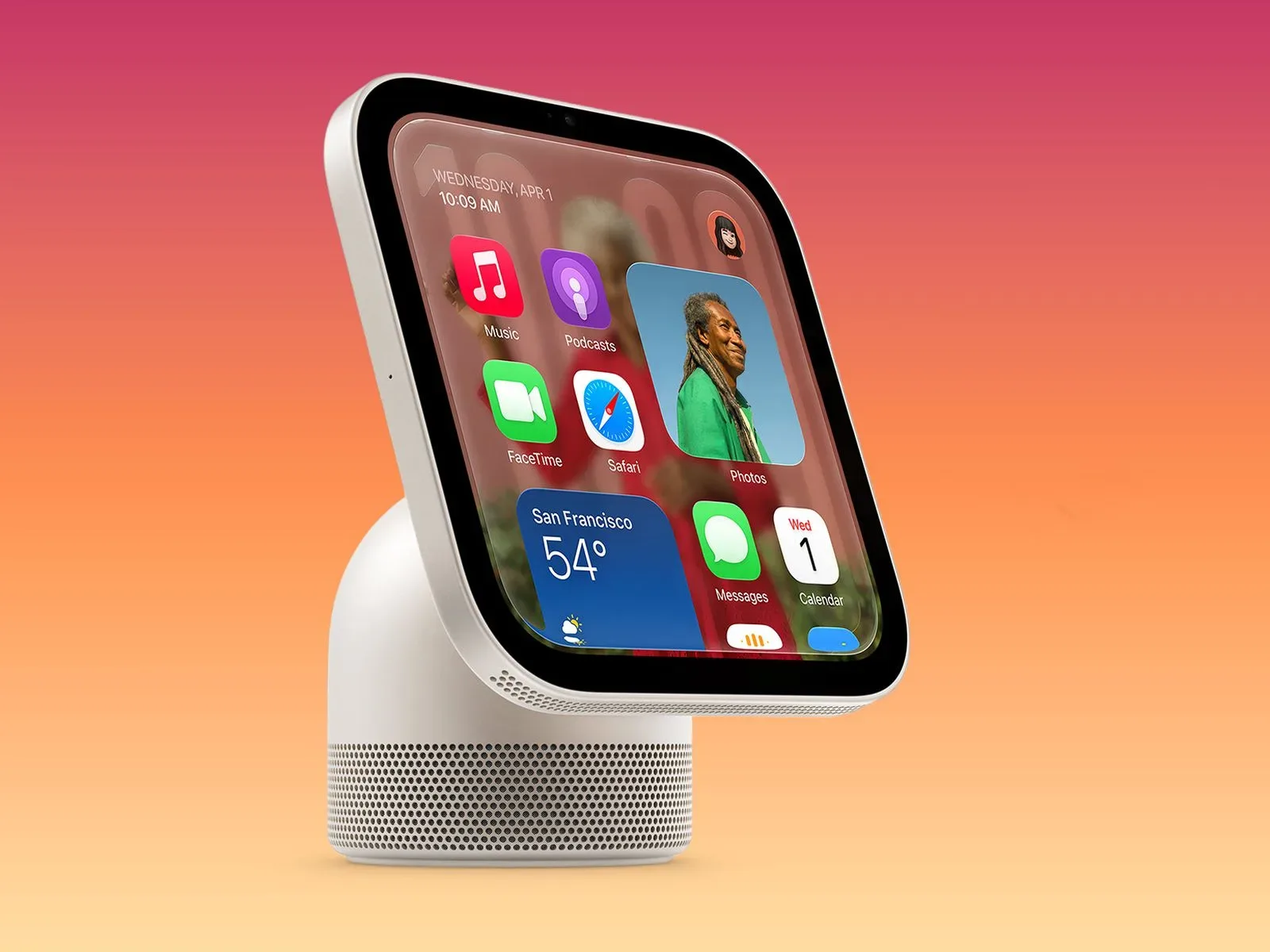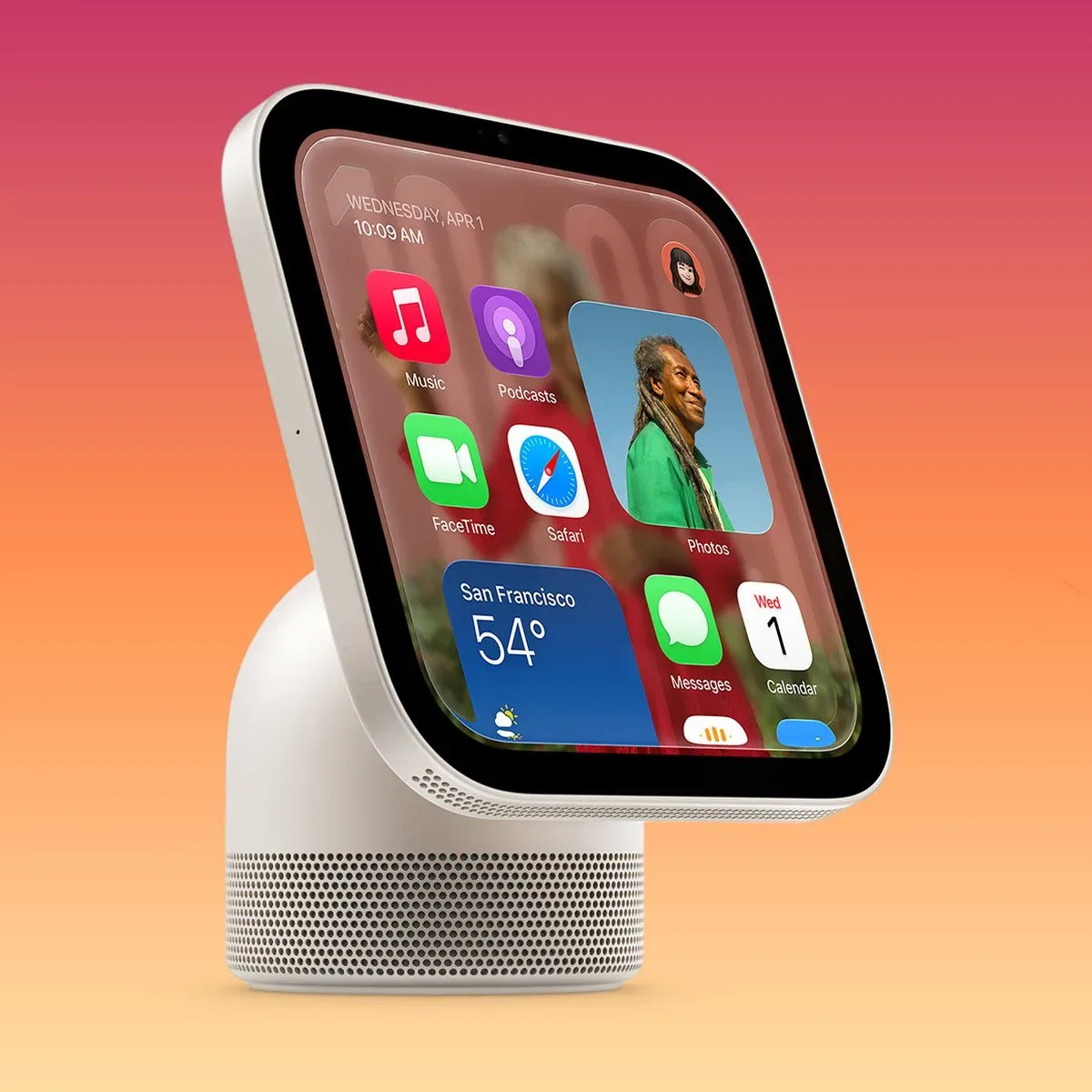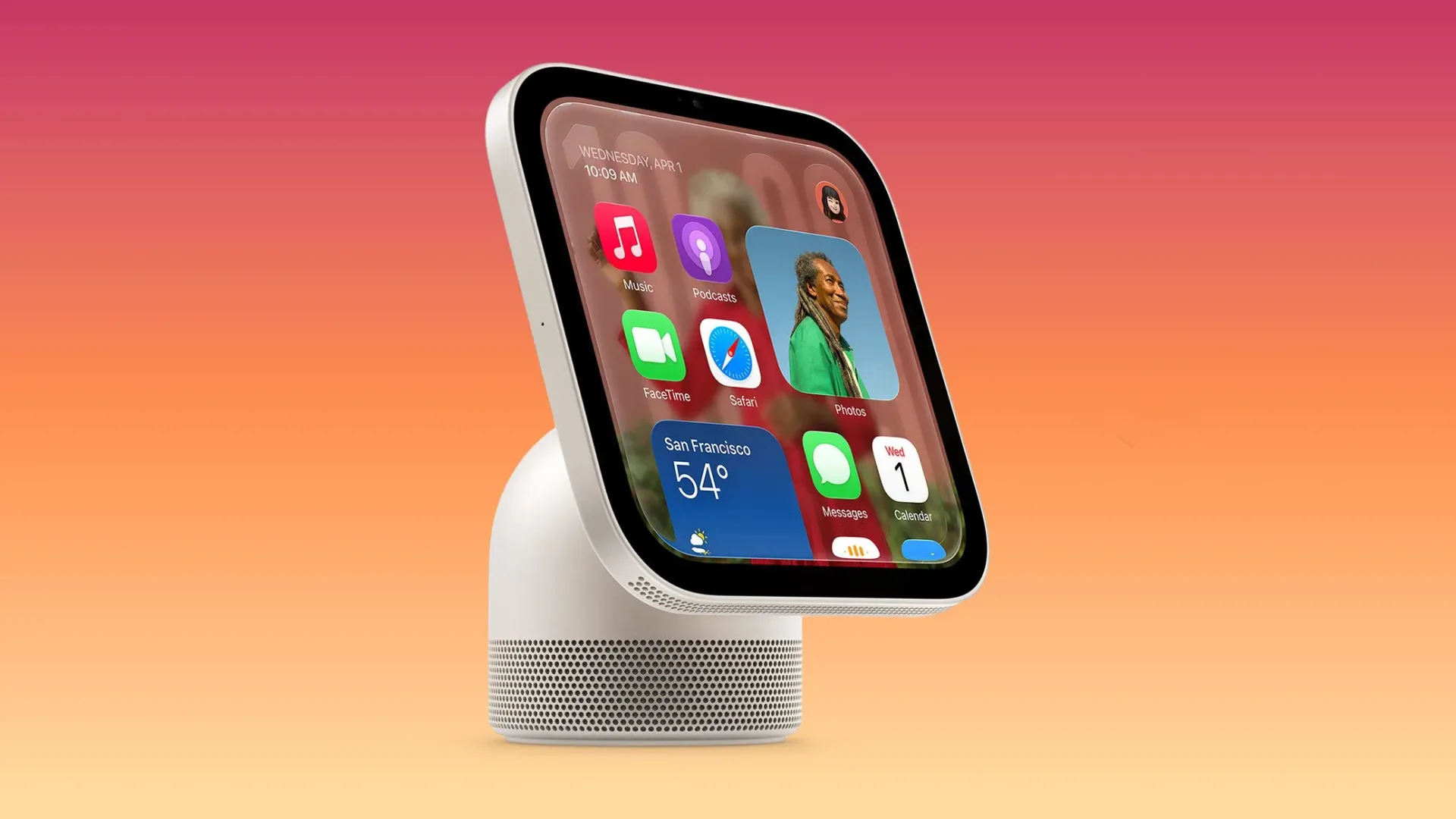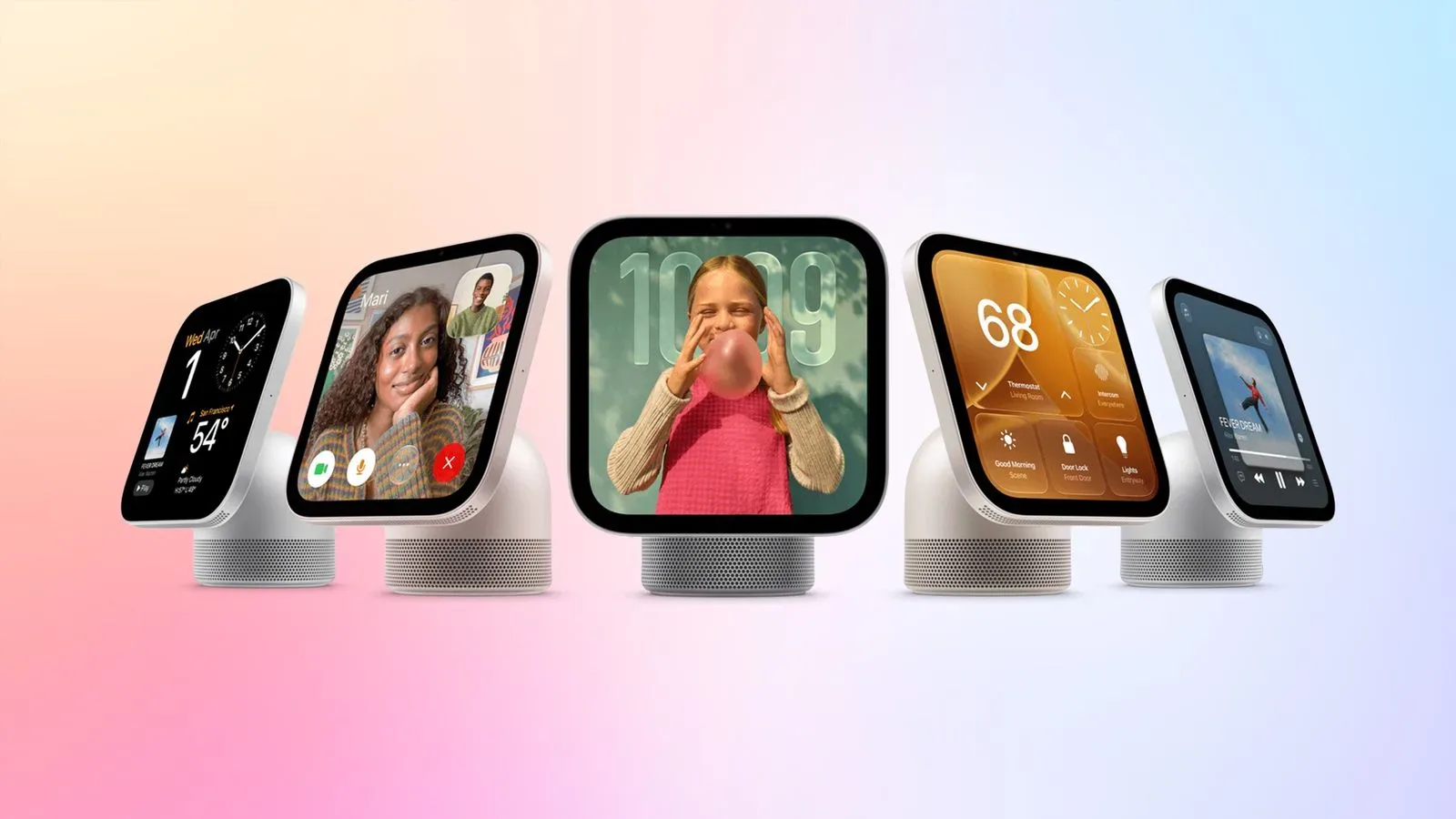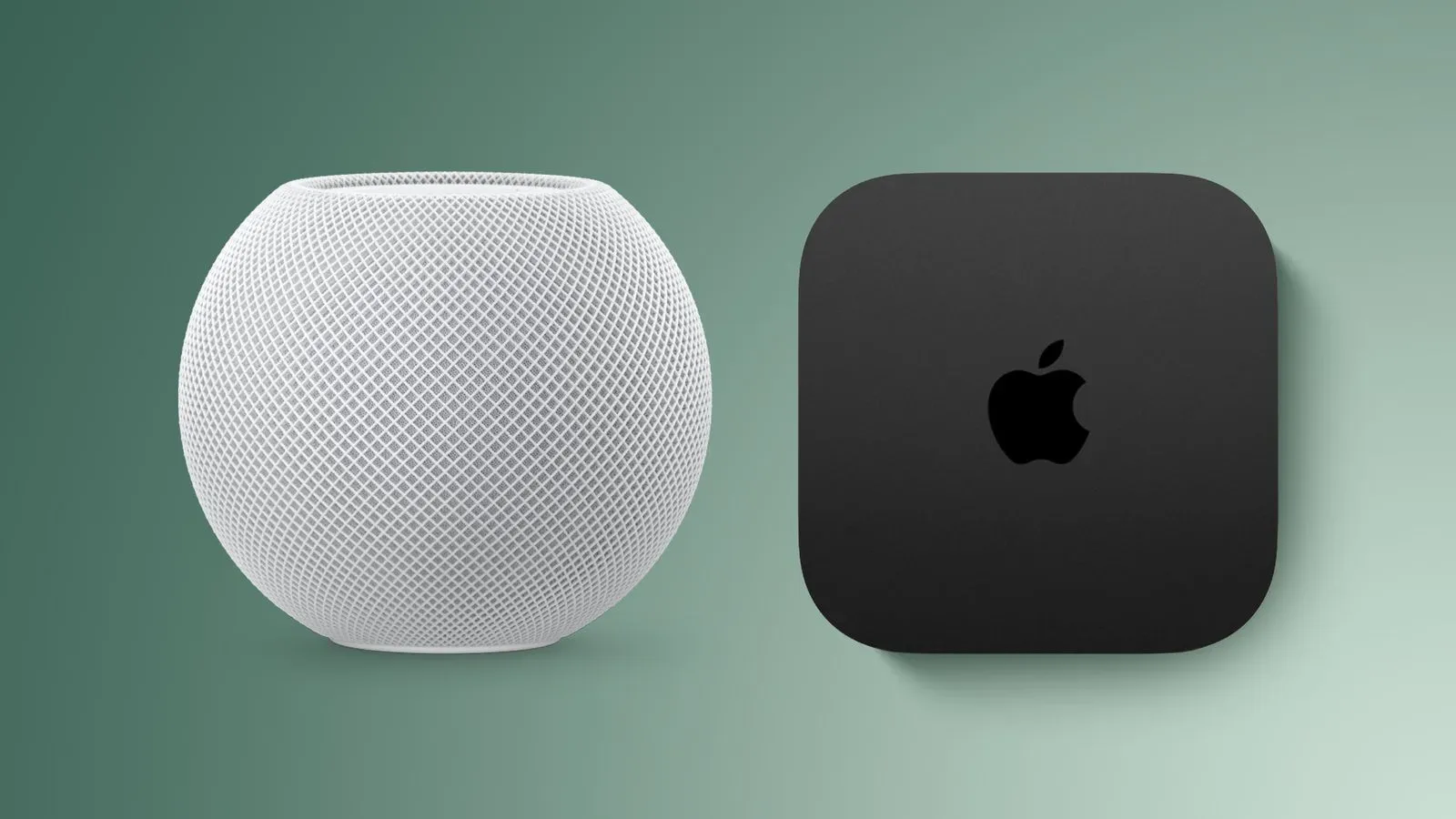
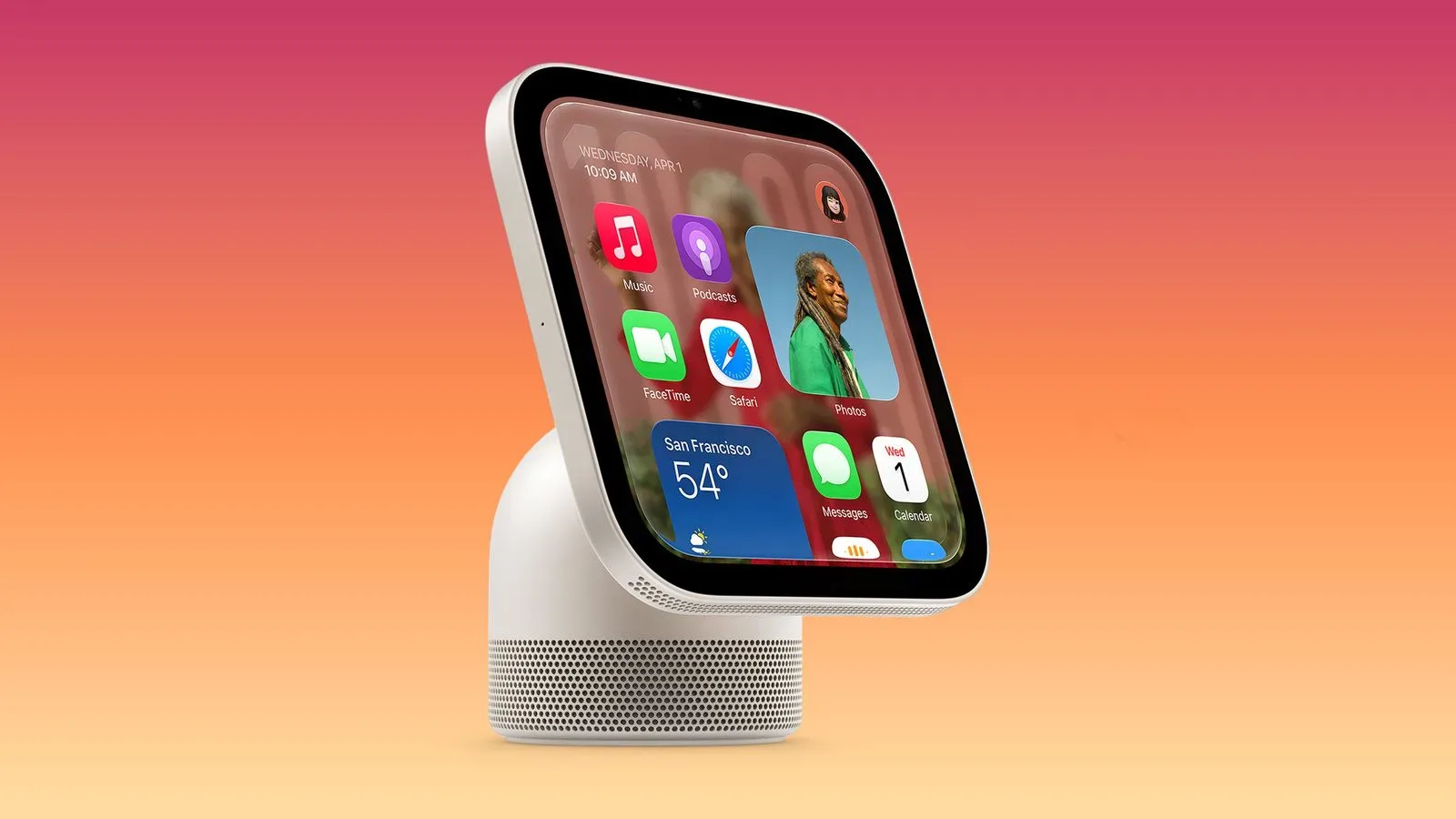
Apple’s new HomeView smart home hub reportedly contains 8GB of RAM alongside its A18 chip. The memory figure is not included in Apple’s published HomeView technical specifications, making the report a useful clarification for shoppers and hardware-watchers trying to understand what sits inside the device.
The number is not an outlier for the A18 platform. The same chip is described as having 8GB of RAM in every iPhone 16 model and in the MacBook Neo. Still, matching a familiar hardware configuration does not make the detail meaningless. Memory capacity is one of the key specifications that helps explain how a device can keep software active, move between tasks, and handle increasingly involved on-device features.
What the reported specification says
HomeView’s reported combination is straightforward: Apple’s A18 system-on-a-chip and 8GB of RAM. A system-on-a-chip, often shortened to SoC, puts major processing components into one package. In this case, the A18 is the central hardware platform, while RAM serves as fast working memory for tasks the hub is actively handling.
RAM is different from storage. Storage is the longer-term space used for files, installed software, and other retained data. RAM is the short-term workspace that lets software operate while the device is running. When a hub is displaying an interface, responding to controls, retaining app state, or switching among active functions, RAM is part of the pool of resources available for that work.
The report establishes capacity, not a performance scorecard. It does not provide benchmark results, disclose how HomeView allocates its memory, or specify which individual features demand how much RAM. It also does not establish a direct, measurable comparison between HomeView and another device merely because they share an A18-and-8GB configuration. Hardware packages can be similar while their software roles differ substantially.
Why 8GB matters in a smart-home hub
A dedicated hub is not judged only by the headline chip inside it. Its value rests on whether it can remain dependable as a household control point: presenting an interface, reacting to requests, and coordinating the tasks it is designed to manage. Working memory is relevant because it provides room for the operating system and active processes to coexist.
That does not mean buyers should read 8GB as a guaranteed measure of speed or future capability. RAM capacity is one ingredient in a broader design that includes the processor, operating system, software optimization, connectivity, thermal behavior, and the range of features Apple chooses to support. A larger figure alone cannot tell consumers exactly how responsive any particular screen or command will be.
But published—or independently documented—memory details give observers a clearer basis for discussing a product’s class of hardware. In this instance, the reported 8GB places HomeView on the same stated memory capacity as Apple’s iPhone 16 line and MacBook Neo. That is a concrete point of reference, even if it should not be confused with proof that the three product categories deliver the same experience.
Shared specifications are not shared use cases
Phones, laptops, and smart-home hubs are made for different priorities. A phone is personal and mobile. A laptop is designed for broader computing work. A hub is intended to serve as a persistent point of access for a home-focused interface. The A18 and 8GB figure connect these products at the component level, but they do not erase those distinctions.
For that reason, the more useful takeaway is not that HomeView is “like” an iPhone or a MacBook. It is that Apple appears to be using a known A18 memory configuration in another category of device. The eventual practical meaning depends on HomeView’s software behavior and feature set, details not answered by the RAM report alone.
The significance of an unlisted spec
Apple’s omission of the RAM amount from HomeView’s official technical-specification material leaves a gap for readers who track hardware closely. Many consumers will never need that number; they will choose a smart-home product based on compatibility, interface design, placement, and its role in their household. Others use memory capacity as one part of a longer-term purchase assessment.
That distinction matters. A listed processor name tells people something about the platform, but it does not reveal every component around it. Confirming the RAM total fills in one missing piece without overstating what it predicts. It is useful technical context, not a substitute for feature documentation.
It is also a reminder that spec sheets are selective summaries. They can identify the details a manufacturer considers most relevant to a mainstream buyer while leaving enthusiasts to seek additional information. In HomeView’s case, the reported 8GB figure gives those readers a firmer hardware baseline than the official page alone provides.
What consumers can reasonably take from the report
- HomeView is reported to have 8GB of RAM. That is the central newly documented detail.
- The hub uses Apple’s A18 chip. The A18-plus-8GB arrangement matches the stated configuration in all iPhone 16 models and the MacBook Neo.
- Apple does not list the RAM amount in HomeView’s technical specifications. The figure therefore adds information that is not readily available from that official specs list.
- The number does not independently prove real-world performance. Capacity is relevant, but performance also depends on software and the rest of the device’s design.
For shoppers, the sensible approach is to treat this as an informative but narrow disclosure. It may be reassuring to see a defined memory capacity paired with the A18, particularly for anyone comparing the underlying hardware of Apple products. Yet purchase decisions should still turn on the functions that matter in a home: what HomeView is meant to control, how its interface fits a household’s needs, and whether its supported ecosystem aligns with the equipment already in use.
Apple hardware context, without overreading it
Apple’s products reach far beyond traditional computers and phones, including its broader entertainment work such as the company’s untitled Monsterverse series. HomeView belongs to a different part of that wider Apple landscape: dedicated home hardware rather than programming or general-purpose personal devices.
The reported memory configuration suggests continuity at the hardware level with other A18 products, but it should not be used to infer unannounced functions, software plans, or performance claims. No such conclusions follow from the RAM figure itself. What can be said is more limited and more useful: the HomeView is reportedly equipped with 8GB of working memory, and that specification was not part of Apple’s published technical rundown.
As more information about HomeView’s software and day-to-day behavior becomes available, the number may gain additional context. For now, it serves as a precise entry in the device’s hardware profile: A18 chip, 8GB of RAM, and an official specifications page that does not itself disclose the latter.