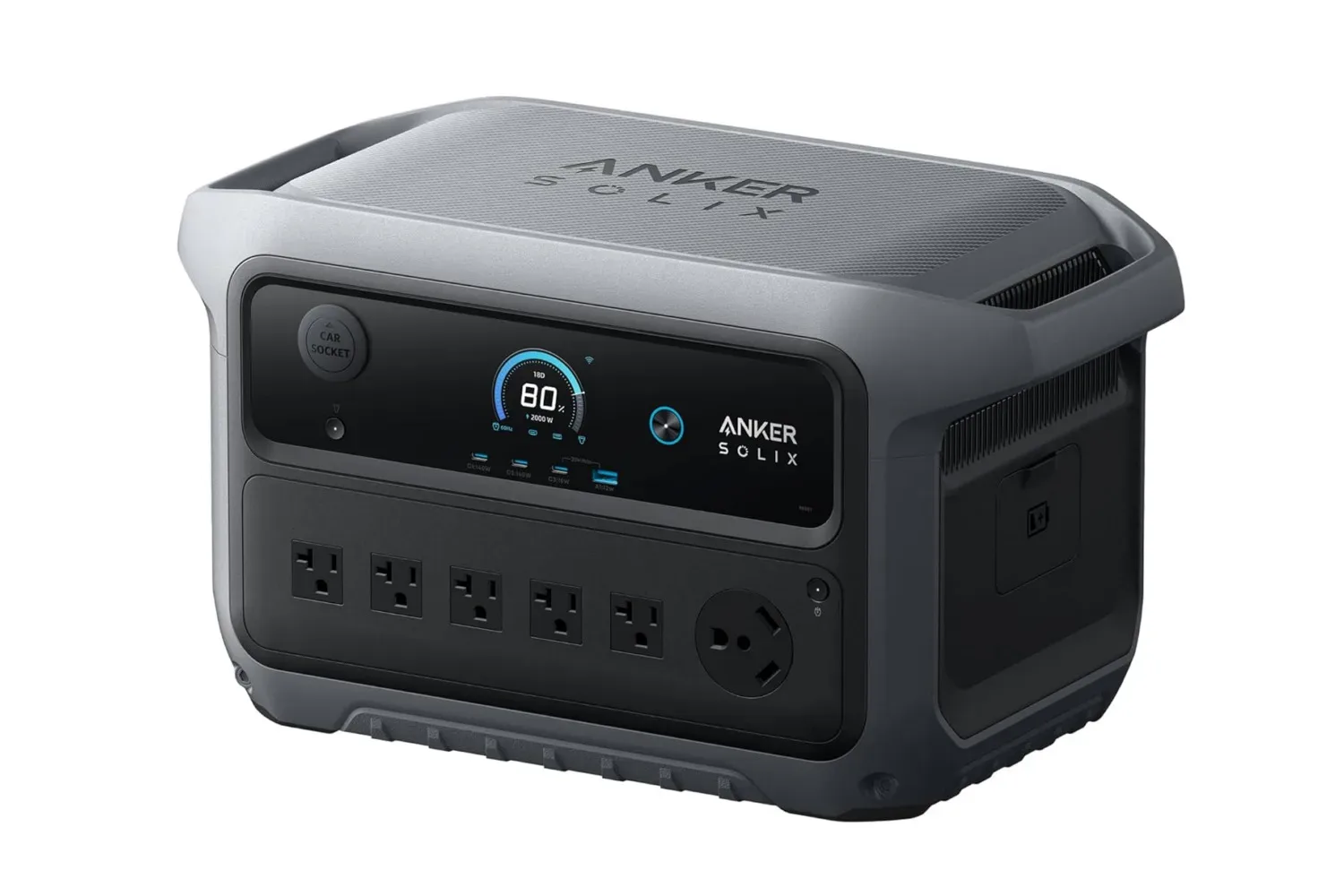
Portable power stations are often described as generators, but the distinction matters most when an outage turns a normal evening into a scramble for light, connectivity and charged devices. The Anker SOLIX C1000 Gen 2 is a battery-based power station rather than a fuel-burning generator, meaning it has no engine exhaust and is designed for indoor use. It was listed at $469 during Black Friday promotions, a 41% reduction from a stated $799 price.
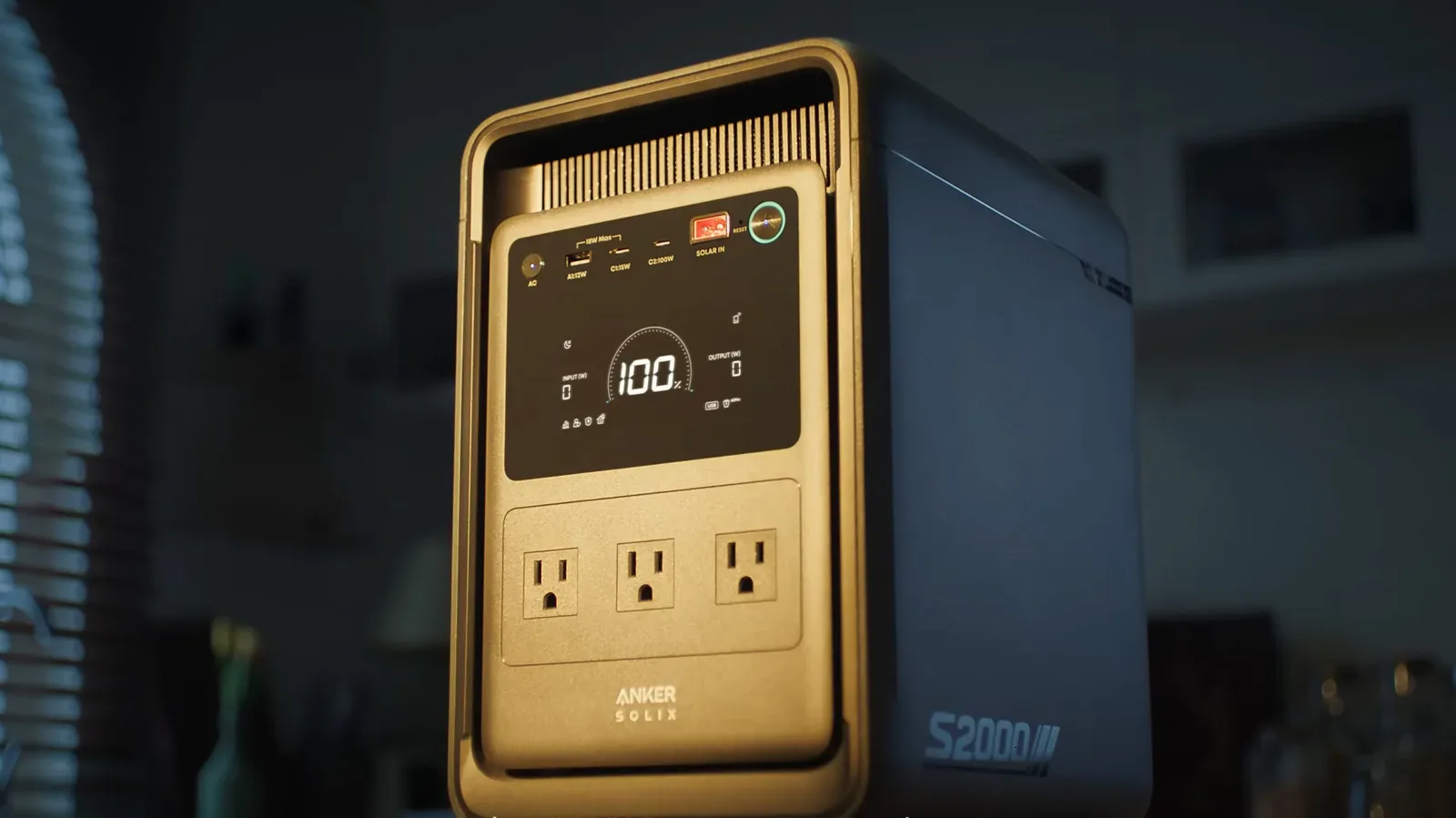
That price puts the focus squarely on preparedness, but its everyday-use features may be just as important as its storm-outage pitch. The unit has a 1,024Wh lithium iron phosphate battery, supplies 2,000W of continuous power, can reach 3,000W at peak demand, and provides 10 outlets and ports. Anker also says it can act as a UPS for selected plugged-in gear, charging rapidly from a wall outlet and accepting solar input for longer interruptions.
For shoppers evaluating the listing, the useful question is not simply whether $469 is a compelling number. It is whether the station’s capacity, output and charging options suit the particular devices they want to keep operating. Those specifications describe different jobs, and mixing them up can lead to unrealistic expectations about what any portable battery can run and for how long.
A battery backup, not a combustion generator
The practical advantage of a power station such as the C1000 Gen 2 is its battery operation. There is no gasoline to store, no engine noise and no combustion fumes. That makes the format suitable for spaces such as a living room, bedroom or home office, unlike a gas generator that must operate outdoors because of carbon monoxide risk.
That does not make a battery station a universal substitute for every generator use case. Instead, it changes the type of problem it solves. Its appeal is keeping a limited set of electronics, communications equipment and smaller essentials powered without moving a machine outside in rough weather. The C1000 Gen 2 is also presented as compact enough to move between rooms, take to an RV or bring to a campsite.
The 10-outlet-and-port total is significant because an outage can involve several modest power needs at once: a router, computer, phone charging and other connected devices. Yet the combined load remains the crucial figure. Having many places to plug in devices does not override the 2,000W continuous-output limit. Buyers should add up the operating power requirements of the equipment they plan to use and check each device’s own label or documentation before relying on the station.
What 1,024Wh and 2,000W actually mean
Two specifications dominate portable-power listings: watt-hours and watts. They sound nearly identical, but one concerns stored energy while the other concerns the rate at which that energy can be delivered.
- Watt-hours (Wh) measure energy capacity. The C1000 Gen 2 is rated at 1,024Wh, which is the battery reserve available before recharging.
- Watts (W) measure power output at a moment in time. Its 2,000W continuous rating indicates the sustained device load it is designed to provide.
- Peak watts describe short bursts of higher demand. Anker lists up to 3,000W peak output for this model, distinct from the 2,000W continuous figure.
A useful way to read those numbers is that watt-hours influence runtime, while watts influence whether a given combination of equipment can be powered at all. A device might draw a low amount of power and run for comparatively longer, whereas a higher draw depletes the same battery reserve more quickly. Similarly, an appliance may require more power than the station can continuously supply even if the battery still has substantial energy left.
Real-world runtime will depend on the load connected to the station. The information available here does not provide runtime estimates for particular appliances, so prospective buyers should be wary of assuming a single figure applies to a whole household. “Essential power” is inherently personal: a remote worker may prioritize a computer and network connection, while someone using a CPAP machine may focus on uninterrupted overnight operation. The C1000 Gen 2’s capacity and output establish a meaningful backup pool, but planning still starts with the devices that matter most.
UPS mode is the everyday resilience feature
Anker’s UPS mode may be the feature that remains useful even when there is no major storm. UPS stands for uninterruptible power supply. In this setup, the power station remains connected to wall power while priority devices plug into the station. If utility power fails, the battery takes over rather than requiring someone to find and connect it after the interruption has begun.
The company says the changeover occurs in under 10 milliseconds. For a desktop computer, router or CPAP machine, that rapid transfer is intended to avoid an obvious interruption: a PC restart, a lost video call or a device stopping when the lights flicker. The feature is especially relevant for a home office where an outage lasting only a moment can still disrupt unsaved work or a live meeting.
It is worth distinguishing this from simple battery storage. A fully charged station placed in a closet is available when the power goes out, but it cannot keep a connected computer alive until someone retrieves it and plugs it in. UPS operation makes the battery part of the normal desk or bedside setup. That is a more deliberate use of a portable power station, and a reason its value is not tied solely to rare multi-hour outages.
Compatibility and setup still deserve attention. The claim is specifically about the station’s UPS mode and its stated transfer time; device requirements may differ. People considering the C1000 Gen 2 for a particular medical, work or network device should verify the manufacturer guidance for that equipment rather than treating a broad backup-power specification as a guarantee for every use.
Charging speed changes the backup equation
Capacity answers how much stored energy is available. Recharging determines how quickly that reserve can be restored between uses. With HyperFlash enabled through the Anker app, the C1000 Gen 2 is said to draw 1,600W from a standard outlet and charge from empty to full in 49 minutes. That is a notably different proposition from leaving a power station connected for many hours after it has been used.
For short disruptions, quick AC recharging can make the station easier to fold into a routine. A user could restore the battery reserve after an outage or a high-demand session without treating the unit as a device that needs an entire day to recover. The app requirement matters, though: the stated 49-minute result is attached to HyperFlash being enabled, rather than being presented as an unconditional charging time.
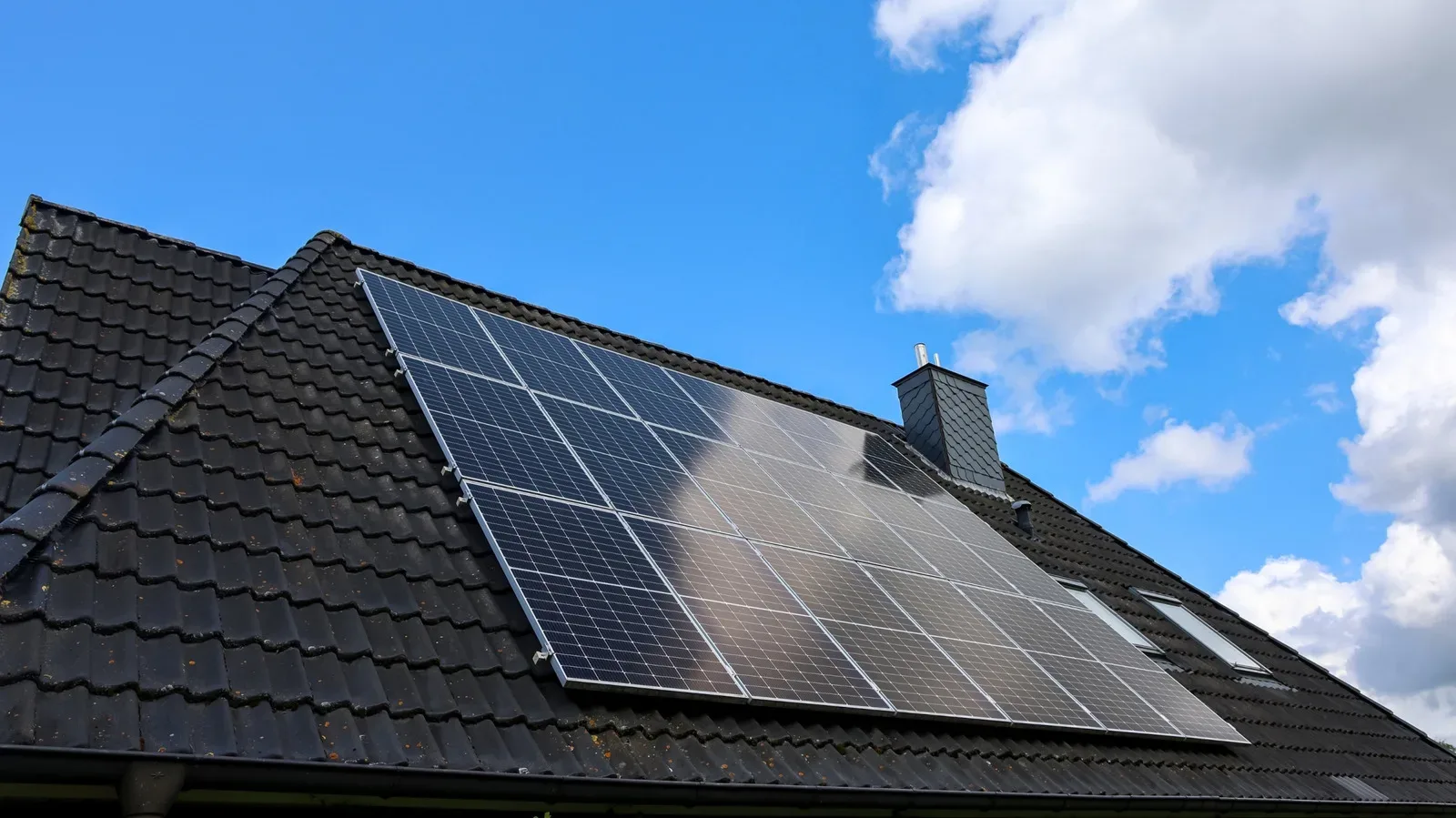
Solar is the other major part of the recovery plan. The C1000 Gen 2 supports up to 600W of solar input at a maximum of 60V. Anker estimates a roughly 1.8-hour refill in good sunlight under those conditions. “Good sunlight” is an important qualifier, especially for the winter-outage scenario that makes a battery backup attractive in the first place. Solar can extend usefulness away from grid power, but actual generation depends on the available sunlight and the connected solar setup.
A bundle with a 100W solar panel was listed at $639. That offers a route to start with solar equipment immediately, but shoppers should note the difference between the station’s maximum supported solar input and the rating of the panel included in that bundle. The supplied panel is identified as 100W; the station’s input ceiling is 600W. Those are not the same number, and the listing information does not promise the maximum solar-charge result from the 100W bundle alone.
LiFePO4 cells and long-term ownership
The C1000 Gen 2 uses a LiFePO4 battery, shorthand for lithium iron phosphate. In the supplied specifications, Anker rates those cells for 4,000 cycles before capacity falls below 80% of the original level. The company characterizes that as about 10 years of regular use.
A charge cycle is a measure of battery use and recharge over time, not merely the number of times someone plugs in a cable. The stated 4,000-cycle figure therefore speaks to durability over repeated use, which matters if the station is kept in UPS service, used for trips, or incorporated into an electricity-rate routine rather than reserved only for emergencies.
That routine is supported by the Anker app’s time-of-use mode. Where a utility charges different rates at different times, the station can charge during lower-cost periods and provide power during higher-cost periods. The potential benefit is lower electricity spending over time, though the outcome depends on the user’s utility rate structure and how much energy is shifted. It is best viewed as an optional management feature, not a universal saving that will apply in every location.
The AC charging cable is included. For someone building a more extended outage setup, a solar solution is a separate consideration, whether through the listed bundle or other compatible equipment considered within the unit’s stated 600W and 60V solar limits.
Who this deal best suits
At the listed $469 price, the SOLIX C1000 Gen 2 makes the strongest case for people who want a quiet, movable backup that can serve more than one role. It can remain near a desk to support a computer and router through a power cut, move to another room for temporary essentials, and then be recharged from the grid or supported by solar input. Its 2,000W continuous rating gives it more headroom than a small device-only battery pack, while the 1,024Wh capacity calls for realistic planning about duration.
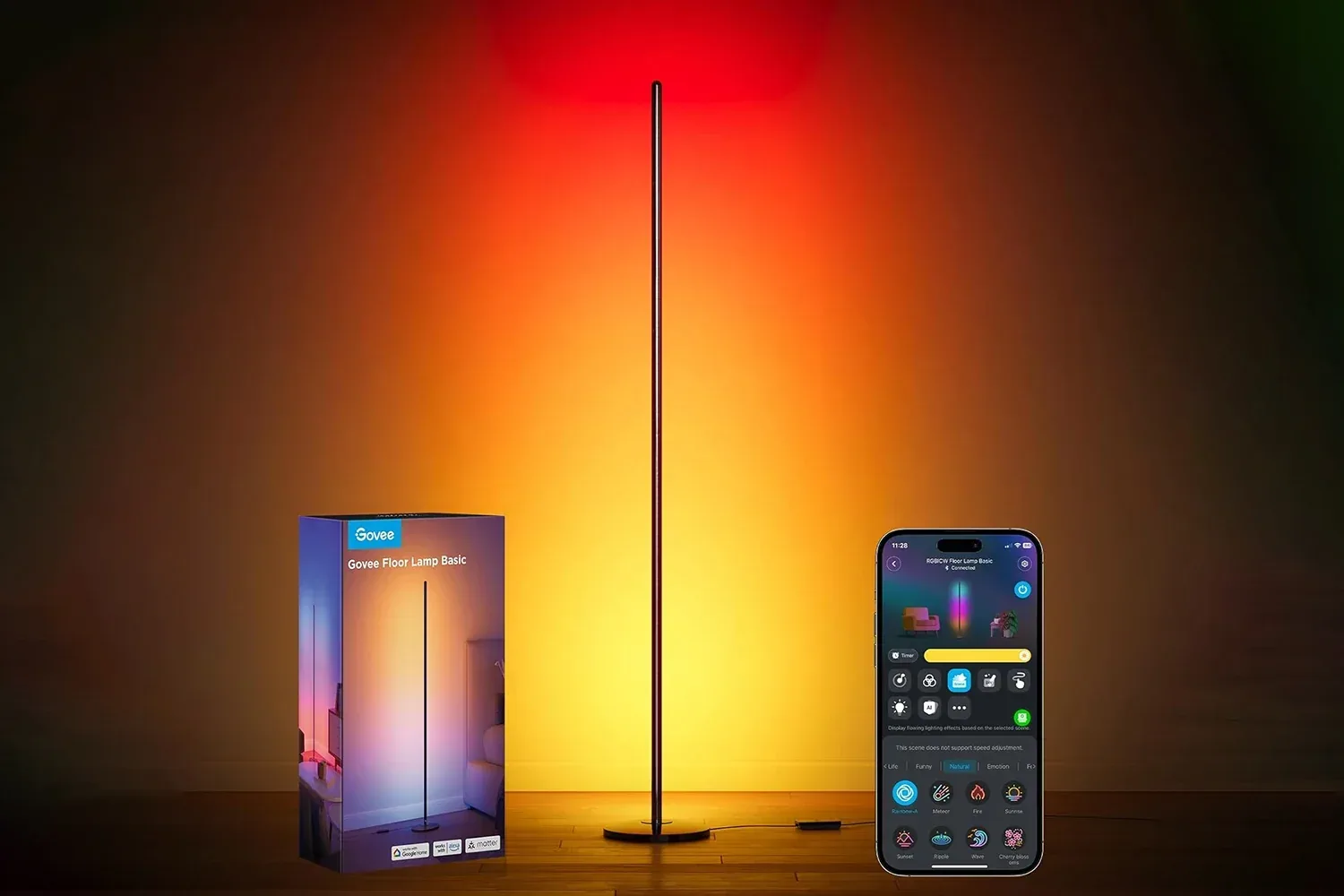
The listing is also part of a broader Black Friday technology-deal period, alongside offers such as the Govee RGBIC Floor Lamp Basic’s Black Friday listing. But unlike decorative smart-home hardware, a power station is an infrastructure purchase: the relevant details are transfer behavior, continuous output, stored energy, charging conditions and the devices a household considers essential.
In short, the sale price is only one part of the calculation. The C1000 Gen 2’s combination of indoor battery operation, under-10ms claimed UPS switching, 49-minute claimed AC recharge with HyperFlash enabled, optional solar input and LiFePO4 cycle rating gives it a well-defined role. For buyers whose plans fit within its 1,024Wh capacity and 2,000W continuous limit, the $469 listing is a substantial reduction on the stated $799 price.
Shop the products
Check current price, model and availability at the retailer.