Amazon’s 16GB Kindle is listed at $120 for Black Friday, reduced from $150. That is a $30 saving, or 20% off the listed regular price, on the smallest Kindle in Amazon’s range.
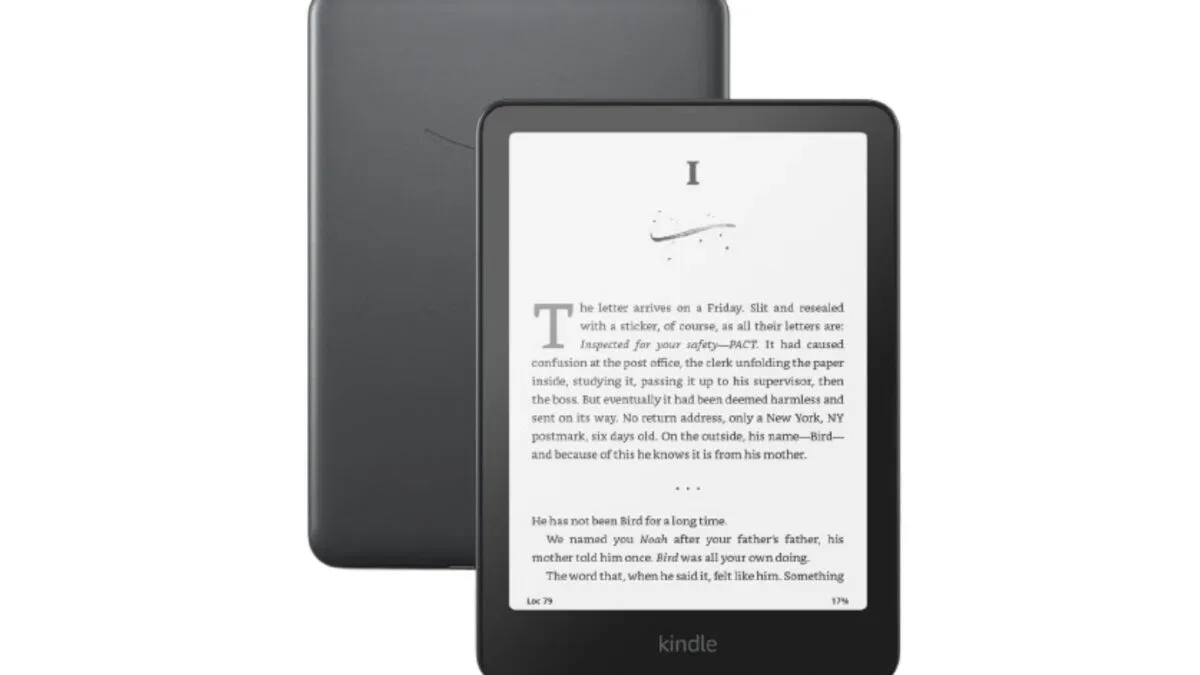
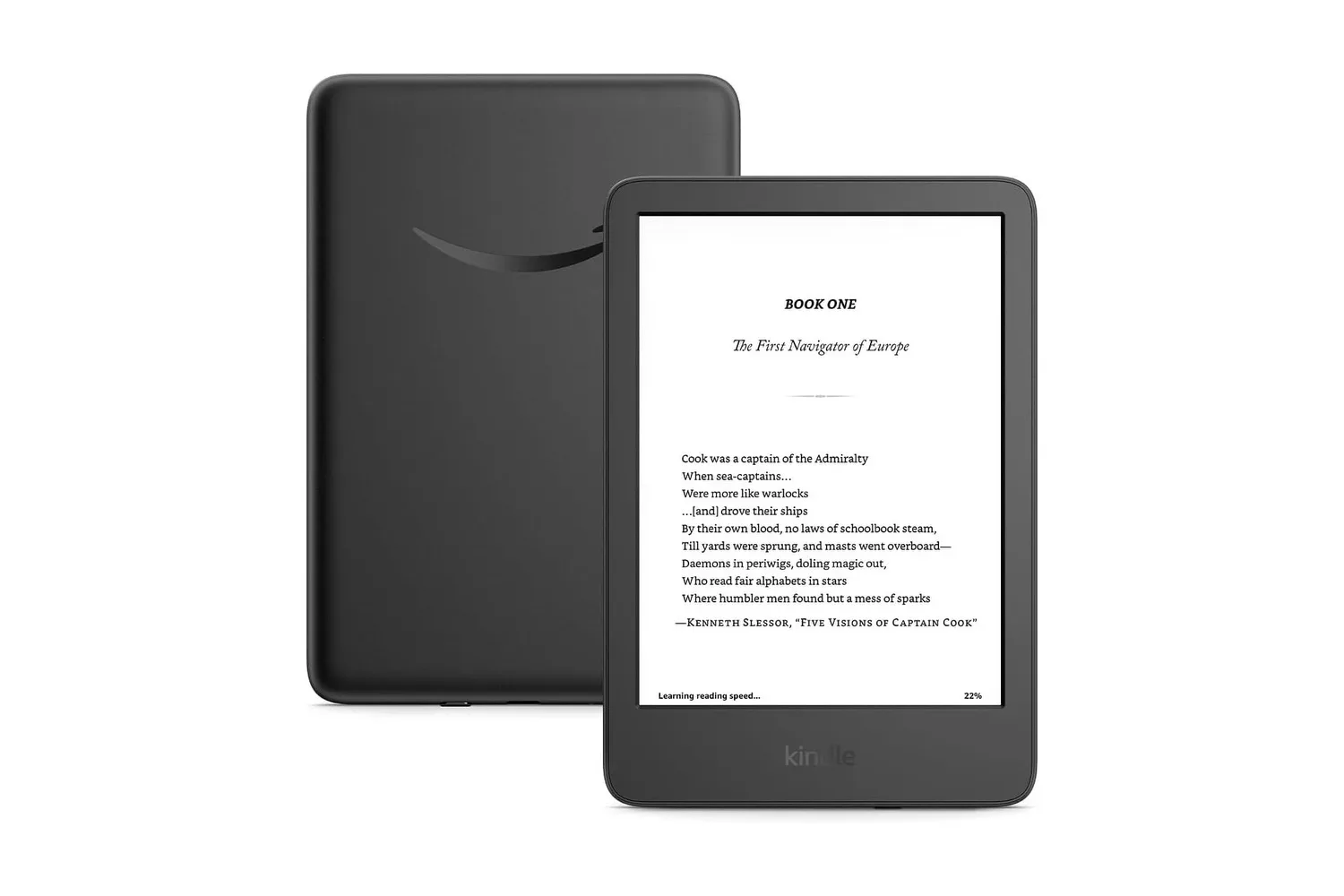
At its core, this is a compact e-reader built around a 6-inch, 300-pixels-per-inch glare-free display. It weighs about 5.6 ounces, has 16GB of storage, charges through USB-C, connects over Wi-Fi and supports Bluetooth audio for Audible audiobooks. Amazon also says the battery can last up to six weeks per charge, although that estimate varies with reading habits and front-light brightness.
The deal’s simple appeal is portability. A paperback can be very pleasant company, but it is not always the most convenient passenger on a commute, a flight or a trip where bag space matters. A 6-inch Kindle will not replace the physical-book experience for everybody, and it is not trying to do the work of a tablet. Its purpose is narrower: keep a substantial library in a light, one-handed device designed primarily for reading.
The Black Friday price and what is included
The Kindle’s listed $120 sale price is the key consideration here. The $30 discount brings the entry Kindle below its stated $150 price, while retaining the current model’s 16GB capacity and display improvements over the prior generation.
Storage is especially relevant to an e-reader because text-based e-books generally take far less room than apps, console games or video files. Amazon characterizes 16GB as enough space for several thousand e-books. In practical terms, that means a reader should not need to constantly remove finished books simply to make room for another novel or reference title.
There is a distinction worth keeping in mind: device storage and book access are not identical things. The 16GB capacity determines how much can be stored locally on the Kindle, while Wi-Fi is used to download selections from the Kindle Store. Readers can therefore keep chosen titles on the device and fetch more when connected. How a person builds that library, whether through individual purchases or a Kindle Unlimited membership, is a separate question from the hardware itself.
Kindle Unlimited is an optional membership. It offers access to millions of titles, including thousands of audiobooks, but it should not be treated as a bundled feature of the $120 hardware price based on the available details. Anyone considering the deal should separate the cost of the e-reader from any membership they may choose to add.
A reading screen designed for bright rooms and dark ones
The most consequential specification here is not the storage figure; it is the display. The 6-inch screen has a 300 ppi resolution. PPI, short for pixels per inch, describes pixel density: a higher number generally allows text and fine edges to appear more sharply defined at a given size. For a device that is used chiefly for paragraphs of text, crisp letterforms matter far more than they would on a basic notification screen.
Amazon also says this generation has a higher contrast ratio than its predecessor. Contrast ratio refers to the difference between dark and light areas of a display. In this context, better contrast is intended to make dark text stand out more clearly against a pale page-like background. Combined with the 300 ppi panel, that may be meaningful for readers who frequently change font sizes or spend long stretches moving through text.
The glare-free finish is another practical feature. Reflections are a persistent frustration with glossy screens under direct lighting. A glare-free display is designed to reduce those reflections, making it more suitable for a park bench, poolside reading or any brightly lit setting where a reflective panel can become distracting. It is not a promise that every lighting condition will be perfect, but it addresses a very specific problem that readers encounter outdoors.
For dimmer surroundings, the Kindle includes an adjustable front light. A front light illuminates the display from the front rather than shining from behind it, as a conventional backlit screen does. The available details say the light is 25% stronger at its maximum setting than the previous version. That extra output could be useful in darker rooms or during travel, while adjustment lets the reader lower the illumination when a full-brightness screen would feel excessive.
Dark mode is available too, reversing the usual presentation to light text on a dark background. This is an option rather than a universal upgrade: some people prefer conventional dark text on a light field, while others find the inverted view more comfortable at night. The important point is flexibility. The Kindle also allows changes to font face, font size and line spacing, so readers can tailor the page layout instead of accepting a single fixed print style.
Small size is the Kindle’s central advantage
At approximately 5.6 ounces, the Kindle is light enough to hold in one hand for extended reading. That is where the smaller 6-inch format makes its strongest case. It can fit into a coat pocket or small handbag and is intended to be easy to use standing on public transportation, relaxing in bed or waiting between appointments.
There is an inherent trade-off. A compact display shows less text per page than a larger e-reader or a printed book with a bigger trim size. But the source material emphasizes faster page turns, and quick response can help preserve the natural rhythm of moving through chapters, checking a previous paragraph or flipping forward and back through a section. For a reader who prioritizes minimal weight and easy packing, the smaller screen is a deliberate design choice rather than merely a reduced specification.
The Kindle is also aimed at long periods away from a wall outlet. Amazon estimates up to six weeks of battery life on a charge, with brightness settings and reading habits affecting the final result. “Up to” is important language: it is not a guaranteed six-week runtime for every person. Still, a multi-week estimate changes the device’s travel profile. Rather than treating charging as a daily or near-daily routine, a reader may be able to bring the Kindle on an extended trip without making its cable a constant necessity.
When charging is needed, USB-C is the connection standard. That matters because USB-C cables are widespread, potentially reducing the number of different cables a traveler needs to pack. It does not change the reading experience, but it is a useful convenience for a device built to leave the house.
Reading and listening in one compact device
Although it is primarily an e-reader, the Kindle can also play Audible audiobooks through Bluetooth. Bluetooth is a short-range wireless connection used here to pair compatible headphones or speakers. That gives owners a way to move from reading words on the page to listening, depending on the situation.
This should be understood as audio playback support, not as a claim that the Kindle is a multipurpose entertainment tablet. Its value is that it can cover two related book formats without asking the owner to carry a second dedicated reading device. A person might read quietly at home, then connect wireless headphones for an audiobook when reading a screen is less convenient.
Wi-Fi, meanwhile, is the path to downloading books from the Kindle Store. It is part of the device’s portability proposition: the library can be refreshed without connecting it by cable to a computer. For readers who regularly finish books while traveling, that can be as useful as the storage capacity itself—provided they have Wi-Fi access.
Who should consider this $120 Kindle
This offer makes the most sense for readers who want an uncomplicated, compact device rather than a larger screen or a broad app ecosystem. Its best-supported strengths are clear: a sharp 6-inch glare-free reading display, adjustable lighting, a low 5.6-ounce weight, 16GB of storage, USB-C charging and an estimated battery life measured in weeks rather than days.
It may also fit someone trying to reduce the friction between having a few spare minutes and starting a book. Keeping a light Kindle in a small bag or coat pocket can make a personal library easier to bring along than a stack of print volumes. The adjustable type settings are also relevant for readers who need larger text or prefer more open line spacing.
Prospective buyers should be careful not to turn the deal into a broader promise than it is. The $120 price applies to the Kindle hardware described here. The six-week figure is an estimate, not a fixed outcome. Wi-Fi is needed for store downloads, and Audible listening requires a Bluetooth speaker or headphones. Kindle Unlimited is an optional membership, not simply another name for local storage.
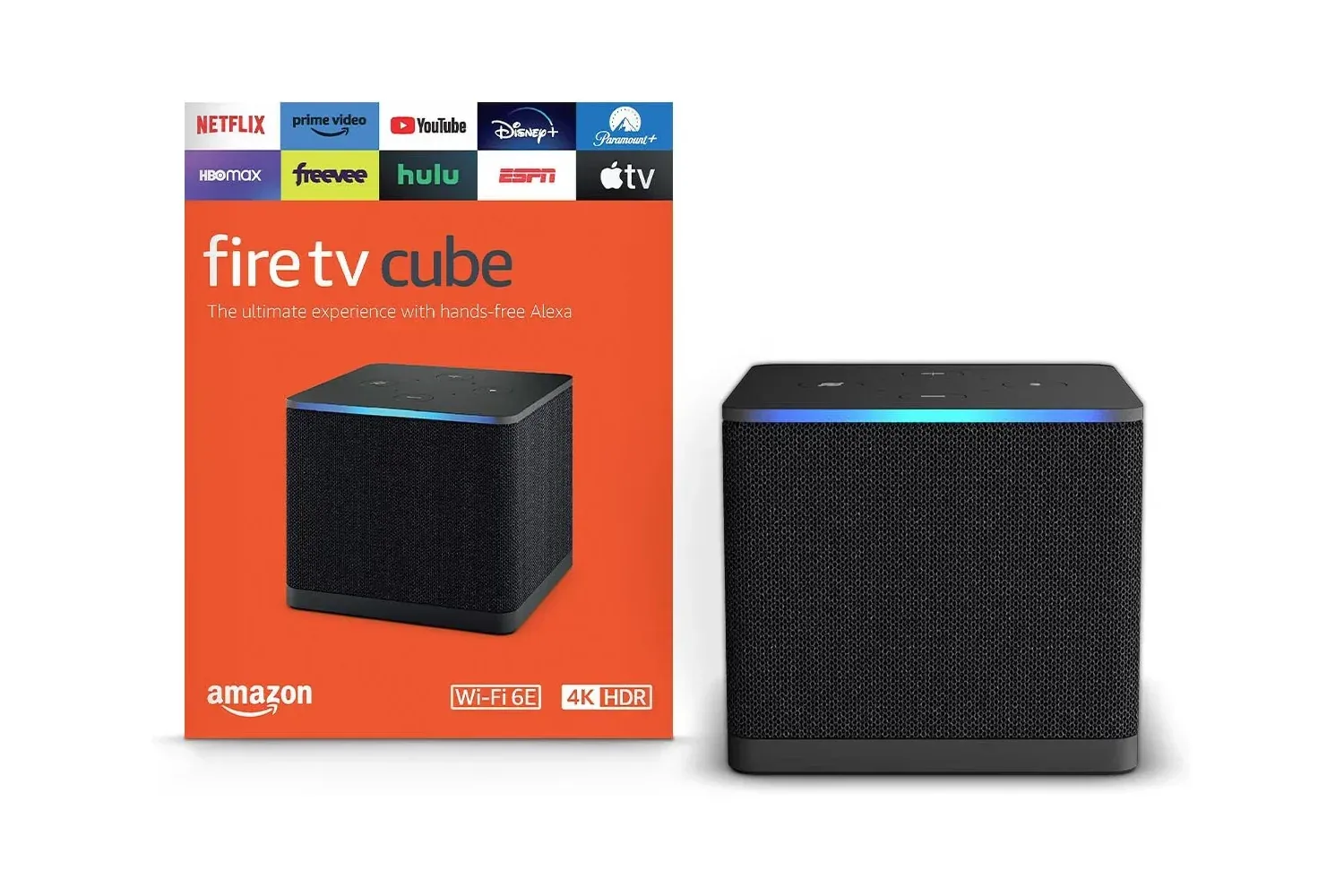
For shoppers comparing Black Friday tech offers, Amazon has other discounted living-room hardware in the mix as well, including the Fire TV Cube listed at $90 for Black Friday. The two products serve very different roles, however. The Fire TV Cube is for television streaming, while this Kindle’s case rests on focused, portable reading.
The strongest reason to consider the Kindle at $120 is not that it makes paper books obsolete. It is that a dedicated e-reader can make a large personal reading queue easier to carry, easier to read in changing light and easier to keep charged over long periods. For readers who value those particular conveniences, the $30 reduction makes Amazon’s smallest Kindle a more approachable entry point.
Shop the products
Check current price, model and availability at the retailer.