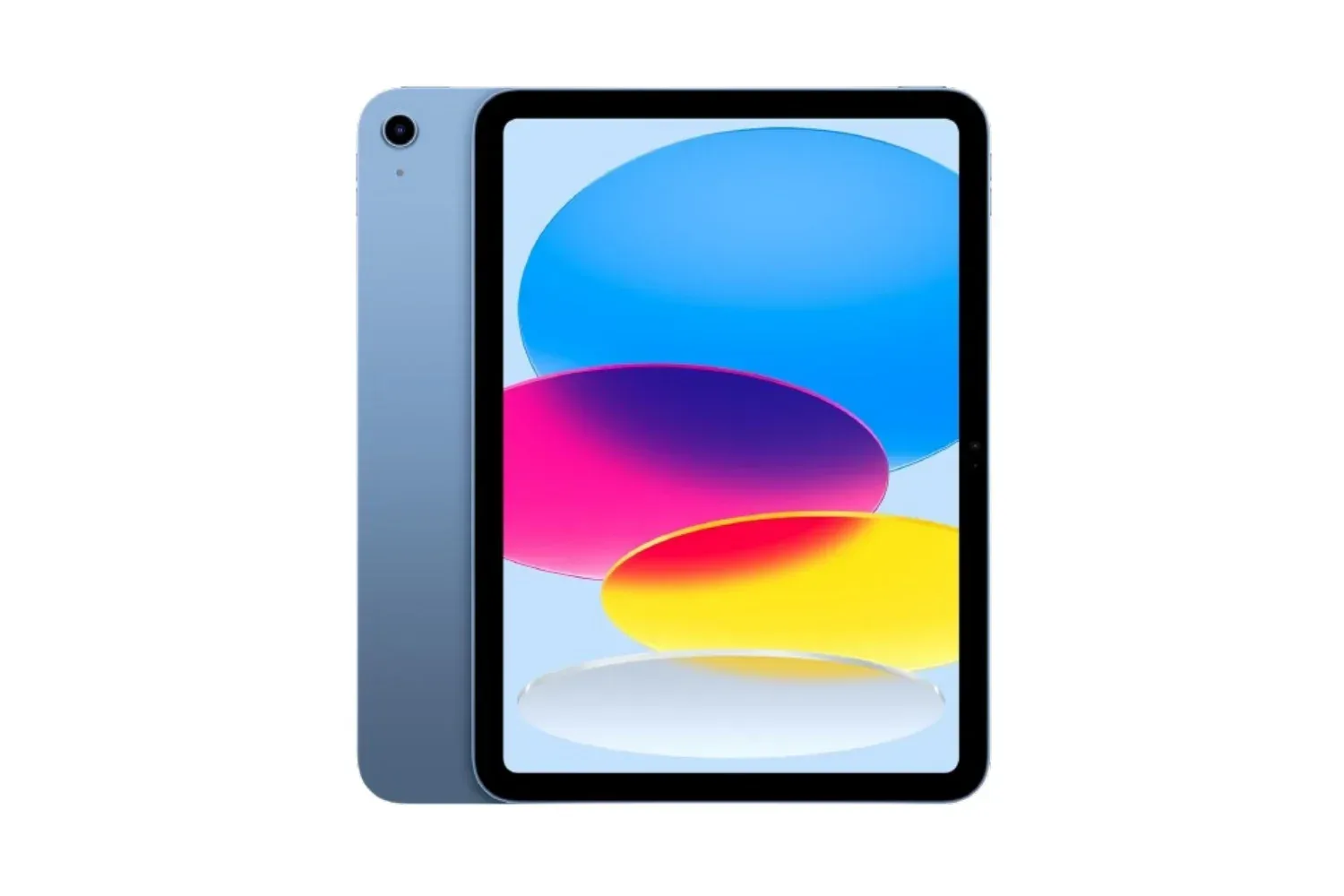
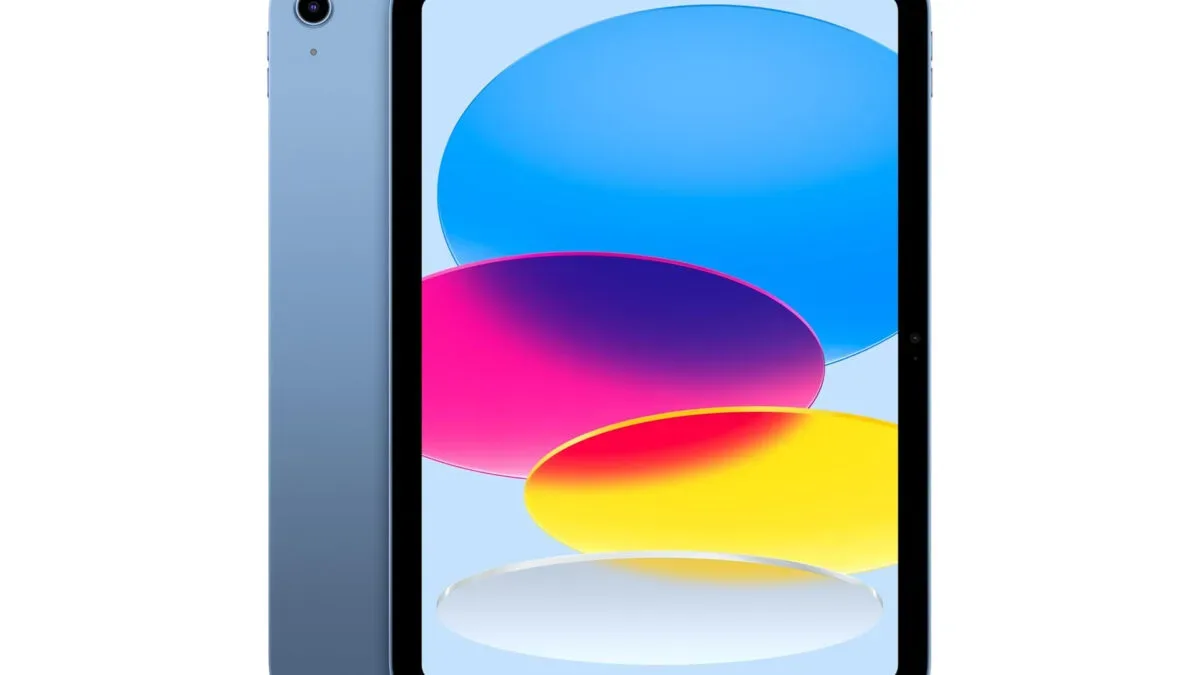
Amazon has listed Apple’s 11-inch Wi-Fi iPad with the A16 chip and 128GB of storage for $399 in silver. Apple’s listed price for the same configuration is $449, making the retailer’s price a $50 reduction.
That is a meaningful saving on Apple’s entry iPad, particularly because its price has already moved upward. The model was previously priced at $349 before Apple raised it to $449 in June amid a memory shortage. At $399, the current listing does not return the tablet to its earlier price, but it does reverse $50 of the $100 increase.
For someone who already expects to buy this particular iPad, the relevant comparison is straightforward: $399 versus $449 for the same 11-inch Wi-Fi, A16, 128GB configuration. Buyers should still carefully check the colour, storage capacity, connectivity version and final retailer page before ordering, since a lower price only represents a like-for-like deal when those specifications match.
Why storage-market pressure matters to a tablet purchase
The price change is not being framed as a routine product refresh. Apple attributed its June increase to an AI-driven memory crunch. Memory and storage components are core pieces of modern tablets, used to hold apps, games, files and the operating system while the device is in use.
The broader outlook described around the shortage is not especially encouraging for people waiting for a rapid return to previous device prices. Micron has warned that the shortfall could worsen through 2027 and into 2028, while Gartner expects storage-chip prices to continue rising next year. Neither point guarantees what any one iPad listing will cost tomorrow, but together they undercut the simple assumption that waiting will automatically produce a better baseline price.
That makes the $399 listing less about predicting the perfect time to buy and more about deciding whether the model already suits the buyer’s needs. A person with no immediate use for a tablet may reasonably wait. Someone who has already chosen the A16 iPad and needs it for games, school, work or travel has a concrete $50 difference to weigh rather than a promise that prices will fall later.
The gaming case: a larger screen without making it a console replacement
The A16 chip is the key performance component in this iPad. A chip, often called a system-on-a-chip in mobile hardware, combines processing functions used by apps and games. In practical terms, it is intended to support the everyday tasks that dominate tablet use—web browsing, streaming and apps—as well as Apple Arcade and larger games from the App Store.
The 11-inch Liquid Retina display has a resolution of 2360 by 1640 pixels. Resolution refers to the number of pixels that form the image; more pixels provide more detail for text, interface elements and game art within the screen’s physical size. That panel size and resolution can make the iPad a comfortable option for longer sessions on a couch, whether the game is installed directly on the tablet or streamed from a console through a cloud-gaming service with a compatible controller.
There is an important distinction between those two scenarios. A native iPad game runs on the tablet itself, relying on the A16 and the app installed locally. A cloud-streamed game is rendered elsewhere and sent over an internet connection, so network quality becomes a major part of the experience. The iPad’s Wi-Fi 6 support can help with downloads and wireless connectivity, but it cannot by itself solve a slow or unstable home internet connection.
That same distinction matters when estimating storage needs. The included 128GB is a more useful starting point than a minimal-capacity device for a mixed library of games, downloads, photos and school files. Yet large games can still consume several gigabytes each, and anyone planning to keep many substantial titles installed should treat storage as an ongoing management issue rather than an invisible specification.
What the hardware adds outside of games
The iPad’s usefulness is not limited to its gaming potential. Apple rates the battery for a full day of use, though real battery life naturally varies with the workload. Video streaming, high-brightness use, demanding games, wireless activity and connected accessories can all affect how quickly a battery is depleted. The useful takeaway is that this is built for portable, all-day general use, not that every task will consume power at the same rate.
Its True Tone feature adjusts the display’s colour temperature to the surrounding environment. Colour temperature describes the apparent warmth or coolness of white light. In plain language, True Tone aims to make the display look less jarringly blue or warm as room lighting changes, which may be welcome for reading, browsing or late-night use.
USB-C is another practical advantage. The port can be used for charging with the same common cable type used by much current technology. Cable convenience is not a reason to disregard compatibility, though: the charger, cable and device negotiate the power they can use, rather than a device simply taking the maximum number printed on a charging brick. For more detail on that basic principle, see why a 140W charger does not make an iPhone charge at 140W.
Notes, typing and multitasking
For students and people working away from a desk, the A16 iPad supports the Apple Pencil (USB-C) and first-generation Apple Pencil for handwritten notes and drawing. Those accessories are separate considerations for a buyer’s total budget, but the support broadens what the tablet can do beyond touch controls.
Scribble is the accompanying software feature that converts handwriting into typed text in text fields. It can be useful for people who prefer to write naturally but still need text entered into messages, notes or forms. It does not turn every handwritten page into perfect text automatically; handwriting legibility remains important whenever recognition software is involved.
The Magic Keyboard Folio adds a detachable keyboard for longer-form typing. That could make a practical difference for essays and email, though it is another accessory rather than a bundled feature specified with the $399 tablet listing.
iPadOS can place multiple apps side by side. This is a simple but valuable capability for tasks such as keeping a game guide, chat window or reference document visible next to another app. The screen is not merely larger for entertainment; it can also reduce the constant switching between a browser, messaging app and work or study material.
Cameras, sign-in and subscriptions
The front camera is a 12MP Center Stage camera. Center Stage is designed to keep the user framed during video calls as they move. The rear camera is also 12MP and includes a True Tone flash, with support for document scanning and 4K video recording. For a student, that can mean scanning paperwork rather than finding a separate scanner. For a household tablet, it provides a straightforward option for calls and quick video capture.
Touch ID is integrated into the top button. It uses a fingerprint to unlock the iPad, sign in to apps and authorize Apple Pay purchases. That gives the device a direct biometric sign-in method without requiring a password for every routine action, while buyers should still set up device security thoughtfully.
The purchase includes eligibility for up to three free months of Apple Arcade, Apple Fitness+ and Apple News+, subject to Apple’s terms. Apple Arcade is the most immediately relevant of those for gaming because it provides a library to explore on the larger display. Eligibility wording matters here: prospective buyers should review the applicable terms, including whether they qualify and what happens after a trial period, rather than treating the offer as an unconditional permanent addition.
Who the $399 listing fits best
This deal is most compelling for a buyer who wants a general-purpose iPad with enough storage for a reasonable mix of games and everyday apps, plus a screen large enough for streaming, reading, video calls and controller-friendly play. The A16 chip, 11-inch 2360-by-1640 display, Wi-Fi 6, USB-C, 128GB capacity and accessory support form the core of that value proposition.
It is less useful to frame the tablet as a universal answer. A buyer who needs cellular connectivity should not mistake this Wi-Fi model for one with mobile data. A buyer who needs a keyboard or stylus should budget separately for the compatible accessories. And someone purchasing primarily for cloud gaming should assess their home network and service requirements, since a powerful tablet cannot remove the internet dependency of streamed play.
Still, the price comparison is clear. The silver 11-inch Wi-Fi iPad with A16 and 128GB is listed at $399 through Amazon against Apple’s $449 price. With uncertainty continuing around memory and storage costs, that $50 discount is tangible now, even if it does not completely erase the earlier $100 rise.
Shop the products
Check current price, model and availability at the retailer.