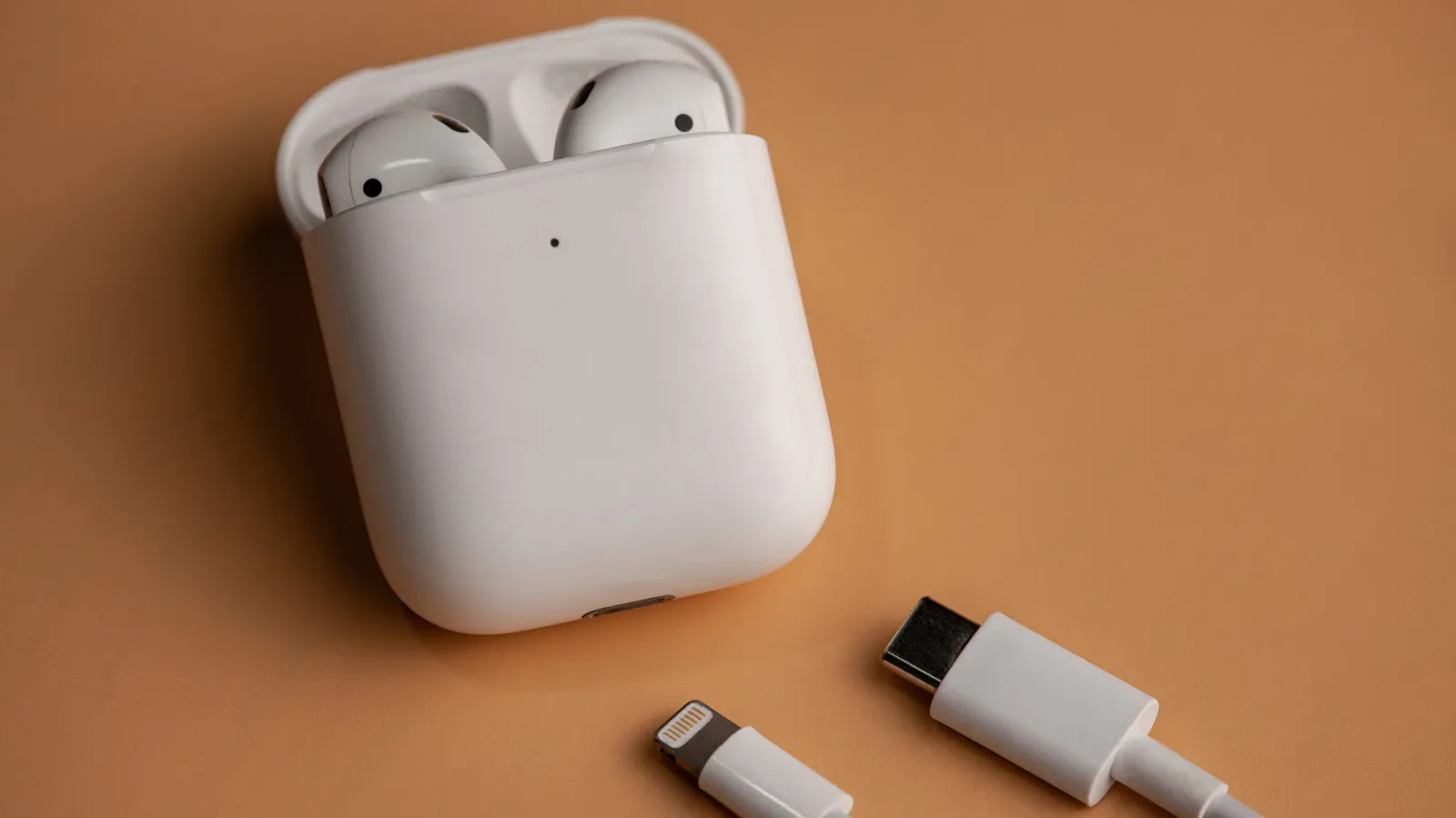
Ten years after AirPods arrived to help iPhone users survive the disappearance of the headphone jack, the most surprising part of their story may not be the white-stemmed ubiquity, the missing-earbud panic, or the way a charging case can vanish into a sofa dimension. It is the price.
The first AirPods went on sale in December 2016 for $159. In September 2026, AirPods 5 arrived with a $129 entry model and a $149 upgraded version. Meanwhile, every AirPods Pro generation released so far has carried a $249 list price, and both generations of over-ear AirPods Max have been priced at $549.
Those numbers do not mean every version represents identical value, nor do they mean the most affordable current model is automatically the best choice. But they do establish an unusually stable decade-long pricing pattern for a consumer-tech family that has accumulated new chips, noise-control systems, charging improvements, health features and more capable voice assistance.
Once inflation enters the chat, the original $159 AirPods work out to roughly $222 in current dollars. The 2019 AirPods Pro price of $249 corresponds to about $326 now, while the $549 AirPods Max introduced in 2020 would be around $710. In other words, the nominal prices have mostly stood still; the effective price paid in purchasing-power terms has gone down.
A decade of AirPods prices at a glance
- AirPods (2016): $159.
- AirPods 2 (2019): $159, or $199 with a wireless charging case. A standalone wireless charging case for original AirPods cost $79.
- AirPods 3 (2021): $179, with wireless charging included. Apple later sold a non-wireless-charging-case version for $10 less.
- AirPods 2 after AirPods 3: $129 until their discontinuation alongside the September 2024 arrival of AirPods 4.
- AirPods 4 (2024): $129 at the base level, or $179 for a version with active noise cancellation and a wireless charging case.
- AirPods 5 (2026): $129 at the base level and $149 for the improved model.
- AirPods Pro: $249 for the first generation in 2019, second generation in 2022 and third generation in 2025.
- AirPods Max: $549 for both the 2020 and 2026 releases.
That is not a perfectly flat line. The third-generation standard AirPods briefly put the core product’s headline price at $179. There have also been different case and feature configurations that complicate a simple generation-to-generation comparison. Still, the $129 starting point of AirPods 4 and AirPods 5 sits below the original 2016 launch price before inflation is considered.
The price did not stay still because the product did
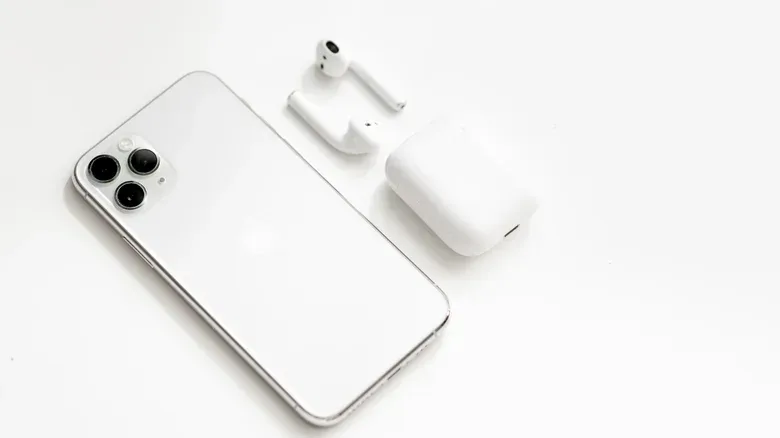
The original AirPods were primarily a new wireless convenience proposition: two small earbuds and a case, untethered from the phone’s Lightning port. Their internal W1 chip helped establish the early experience. By comparison, the present range contains far more feature segmentation, especially around noise control, charging and interaction.
Active noise cancellation, or ANC, is perhaps the clearest example. ANC uses microphones to listen to surrounding sound and produces an inverse sound intended to reduce that noise for the listener. It appeared in the first AirPods Pro in 2019. Beginning with AirPods 4, ANC was no longer confined to the Pro branch, though it remains tied to particular higher-tier configurations rather than every base model.
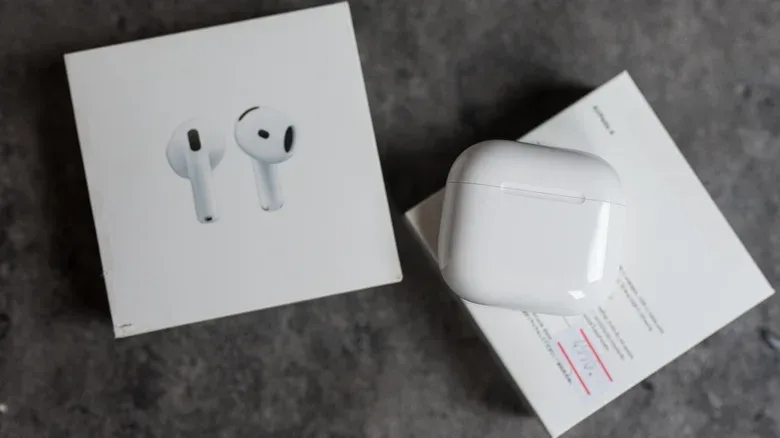
This matters because “AirPods” is no longer one uncomplicated buying decision. A $129 pair gives buyers an entry point, but not necessarily every convenience feature available further up the range. The better $149 AirPods 5 model adds better battery life, stem-based volume controls and wireless charging support for $20 more. On those supplied specifications, it is the more persuasive value proposition: it addresses features used frequently rather than merely attaching a premium label.
Related coverage includes AirPods Prices Have Stayed Remarkably Steady Since 2016.
The 2021 AirPods 3 also shows how case features gradually moved from paid add-on to expected equipment. AirPods 2 offered wireless charging only with the $199 configuration, a $40 step above the standard $159 model. AirPods 3 included wireless charging by default. Apple later created a version lacking it for a $10 saving, an awkward gap that made the lower price look less like a bargain and more like a test of how much a buyer dislikes cables.
What the newer chips enable
AirPods development is not solely about speakers and cases. The earbuds’ chips determine much of the everyday behavior: how the buds respond to voice commands, process environmental sound and interact with connected Apple devices.
The first model used Apple’s W1 chip. AirPods 2 and AirPods 3, along with the first AirPods Pro and first AirPods Max, used the H1 chip. One practical change with H1 was support for “Hey Siri,” allowing voice activation without touching an earbud first.
Later models use the H2 chip. With the exception of the base AirPods 4, these models offer Adaptive Audio, a mode that blends Transparency and ANC in response to surrounding noise. Transparency is the counterpart to noise cancellation: instead of trying to reduce the outside world, microphones pass environmental sound through so a listener can maintain awareness.
The same more advanced models also offer Conversation Awareness. When the wearer begins speaking, the feature lowers the audio and directs microphone attention toward the person in front of them. Modern AirPods can also recognize head motions: a nod can accept a call, while a shake can dismiss a spoken alert. AirPods Pro 3 add heart-rate tracking without requiring an Apple Watch.
None of these additions make a 2016 pair unusable. They do, however, explain why nominal price alone is an incomplete comparison. A current $129 or $149 purchase is entering a line whose baseline expectations now include USB-C charging and wireless-charging capability on current models, rather than the original reliance on Lightning and a separate wireless-case upgrade.
The charging case became part of the product
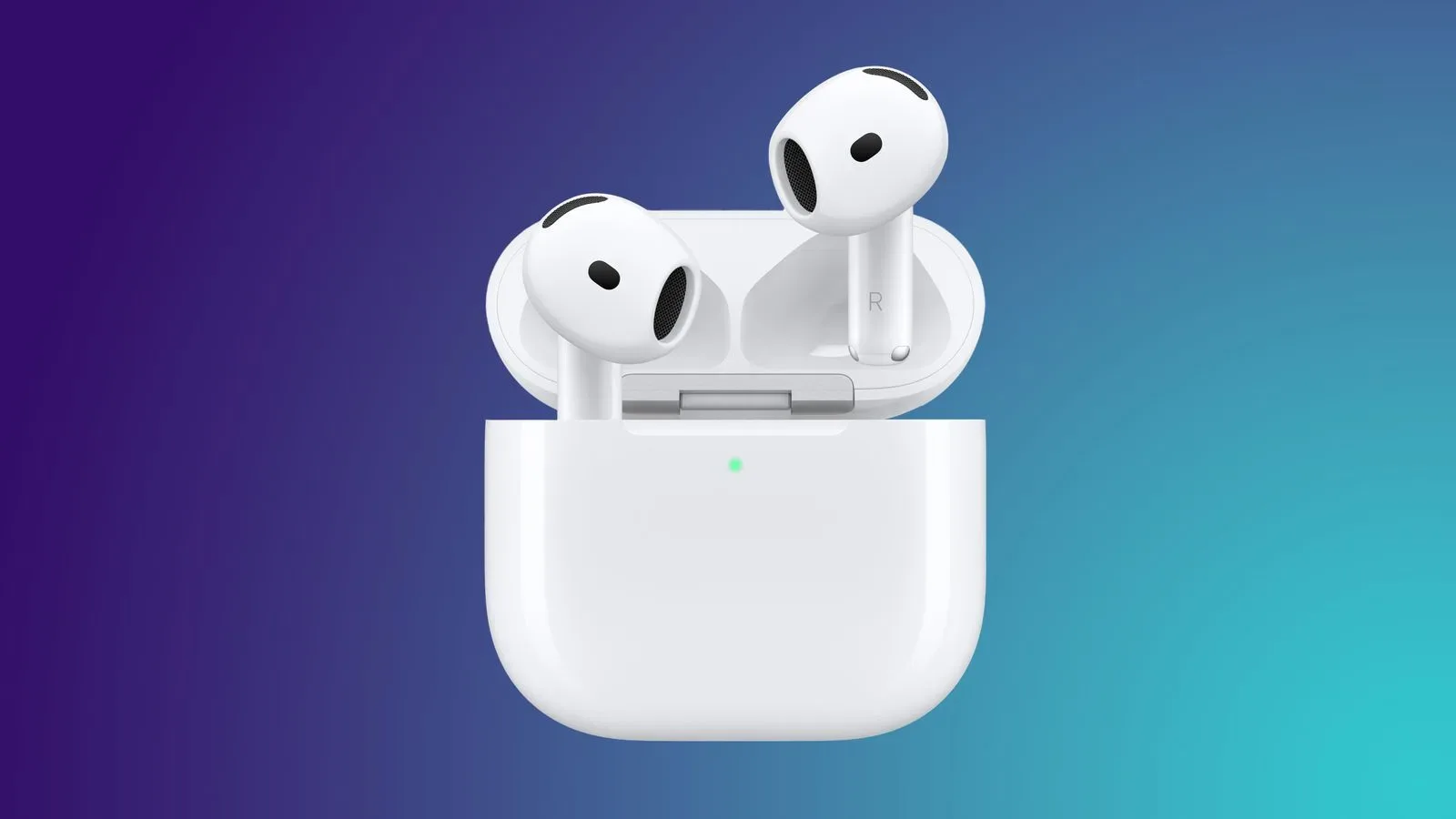
For fully wireless earbuds, the case is not packaging with a second career. It provides charging, transport and, increasingly, recovery help after an absent-minded moment. Higher-end AirPods 4 and AirPods 5 models, plus AirPods Pro 2 and AirPods Pro 3, have case speakers intended to help locate the case when it has been misplaced.
Those cases also work with Find My, which can be useful if the AirPods are left behind while travelling. USB-C has replaced the original Lightning connection across current devices in the range. The changes are mundane compared with gestures or heart-rate tracking, but they affect ownership more often. A feature is only glamorous until it saves someone from spending an evening conducting a search party under the passenger seat.
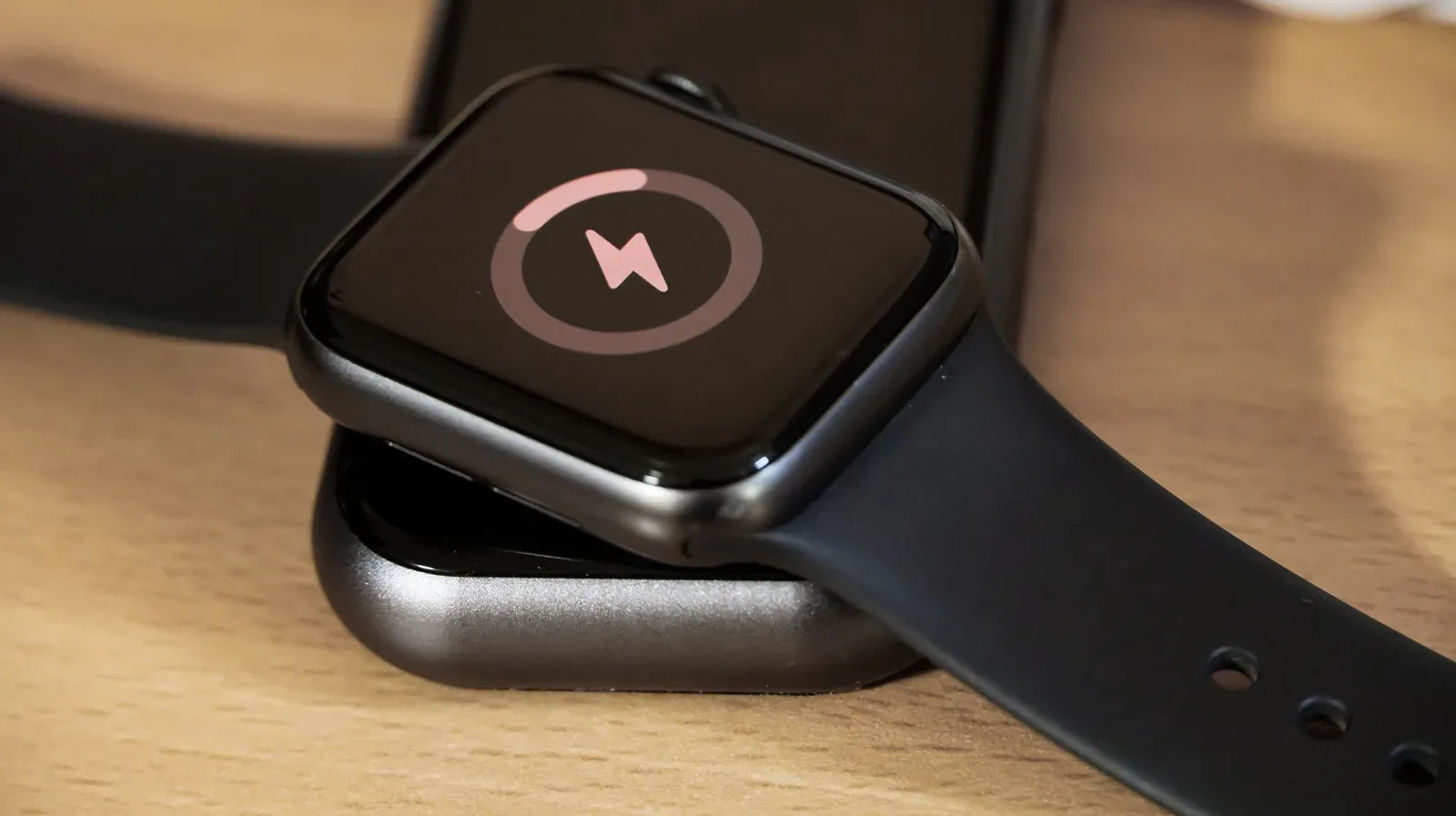
Battery maintenance remains important for any portable accessory, particularly one whose battery cannot be treated as an incidental component. Readers who use other Apple wearables may also find our guide to checking Apple Watch battery health and stretching each charge useful context for thinking about rechargeable-device habits.
Why a lower effective price can make strategic sense
A stable AirPods entry price can do more than make earbuds easier to justify at checkout. It can help reinforce the wider Apple-device ecosystem. An iPhone owner with AirPods may have another reason to consider a Mac later, because compatibility across devices is part of the product appeal.
That interpretation is analysis rather than a confirmed statement of pricing strategy. Still, it fits the basic commercial logic described by the lineup: a relatively accessible accessory can make the surrounding platform feel more convenient. The standard AirPods tier can serve as an on-ramp, while Pro and Max models provide more expensive choices for shoppers who want particular features or a different form factor.
The product category also avoids some of the direct pricing pressure associated with memory and storage components. AirPods do not require user storage, and their chips use integrated memory. That does not guarantee low prices forever, but it helps explain why a broader technology-market narrative of rising costs does not map cleanly onto this particular accessory family.
How to read the current lineup without getting lost in the stems
The price history produces a practical lesson: start with the features that alter your daily use, not the fact that a model bears the newest number.
- Decide whether ANC matters. People who routinely listen around disruptive noise may prioritize an ANC-capable configuration. Those who mostly use earbuds in quiet spaces may not need to pay for it.
- Check the exact charging-case specification. Wireless charging and case-location features vary by model and tier. Do not assume the case accompanying a lower-priced option has every capability found in the pricier version.
- Compare the $129 and $149 AirPods 5 options closely. The $20 step buys better battery life, volume controls on the stems and wireless charging support, making it a significant difference relative to the small price gap.
- Do not treat the Pro name as a universal instruction. The Pro line has held at $249 across three generations, but the best fit depends on whether its additional features answer a real need.
- Keep the Max premium in perspective. AirPods Max remain $549, a far steeper entry than the earbud lines. The unchanged figure does not make it inexpensive, even if inflation makes the 2020 price look lower in real terms.
Apple does not discount AirPods in its own store, but third-party retailers regularly run promotions. For a buyer who is not in an immediate replacement emergency, major sale periods such as Black Friday and Prime Day can be sensible times to compare prices across the range. The key is to compare like with like: a discount is meaningful only after confirming the generation, case, noise-control features and other configuration details.
The quiet headline is real value, not a frozen spec sheet
AirPods are a useful reminder that a product’s MSRP is only one part of its long-term cost story. The original $159 price looks substantially higher after inflation than today’s $129 or $149 standard models. At the same time, the lineup has moved from an initially simple wireless audio accessory to a family that includes ANC, Adaptive Audio, Conversation Awareness, head gestures, more capable cases, USB-C, Find My support and, in AirPods Pro 3, heart-rate tracking.
There is no claim here that every new function is essential, or that a $549 set of headphones stops being expensive because the price has not changed. But the central comparison is hard to ignore: across a decade in which the product gained features and Apple expanded its tiers, the entry price came down and the Pro and Max prices stayed fixed. In consumer tech, that is rare enough to deserve more than a polite nod. Perhaps a small, wireless nod, naturally.