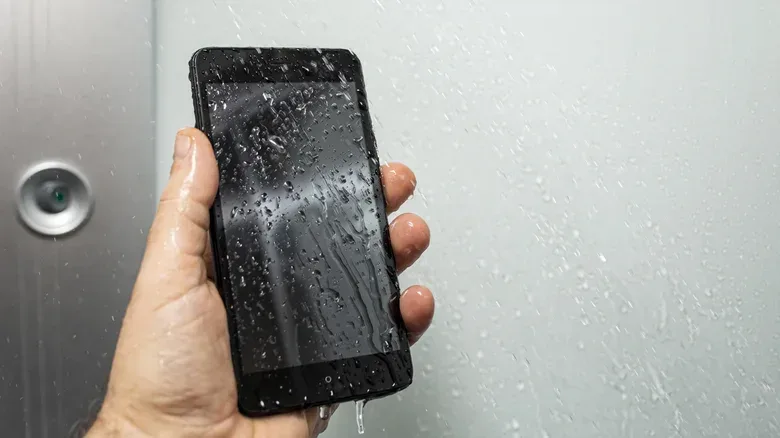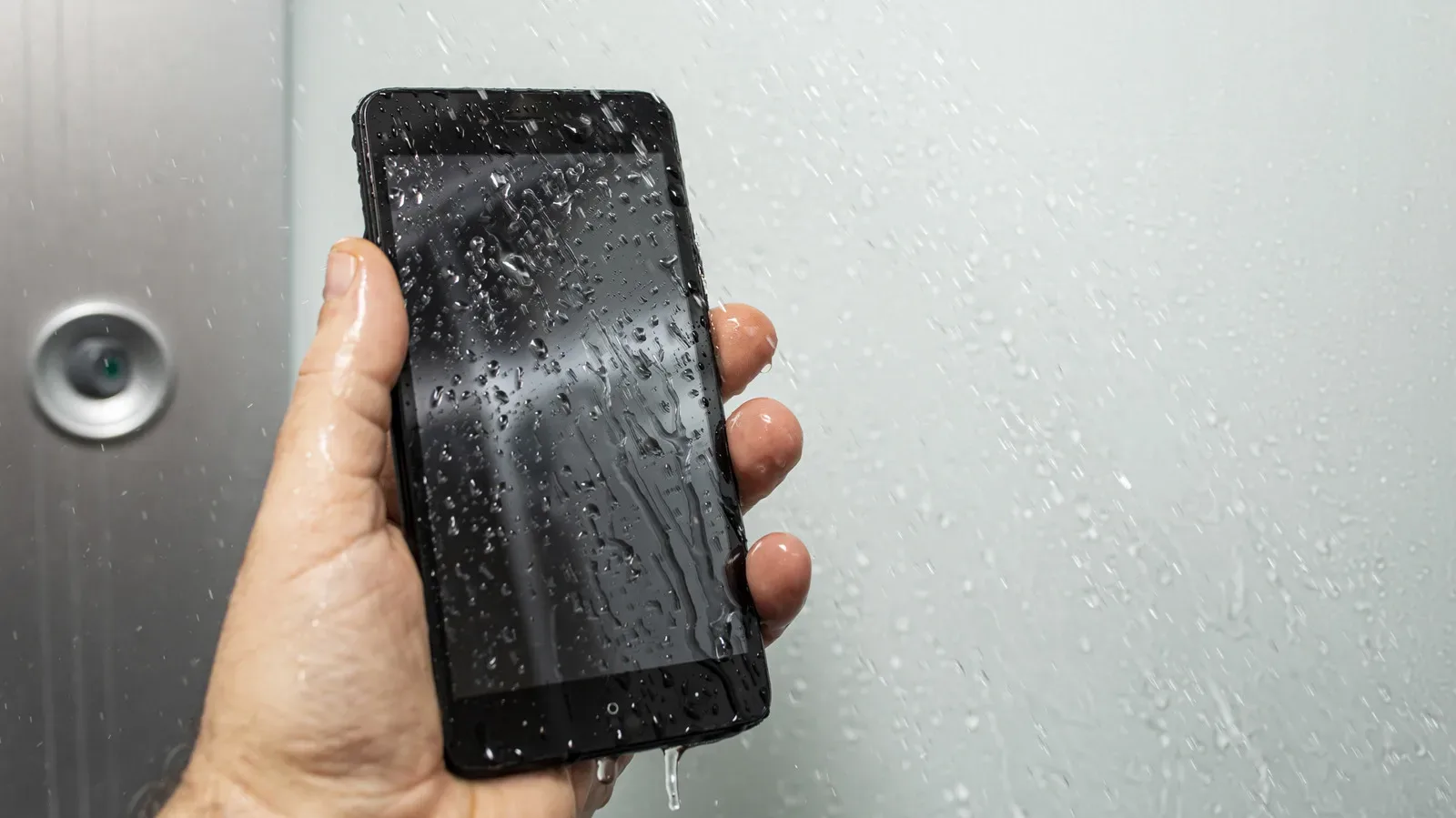
A phone surviving a splash, a spilled drink or even a brief dip does not mean it belongs on the shower shelf. Modern handsets commonly carry an IP67 or IP68 rating, but that label is a water-resistance classification—not a promise that the device is waterproof in every wet environment.
The distinction matters because a hot shower creates more than simple contact with liquid water. It combines humid air, steam that can condense back into water, elevated temperatures, slippery hands and a device full of openings and protective seals. A phone may be built to withstand water under defined conditions while still being a poor match for repeated visits to a hot, damp bathroom.
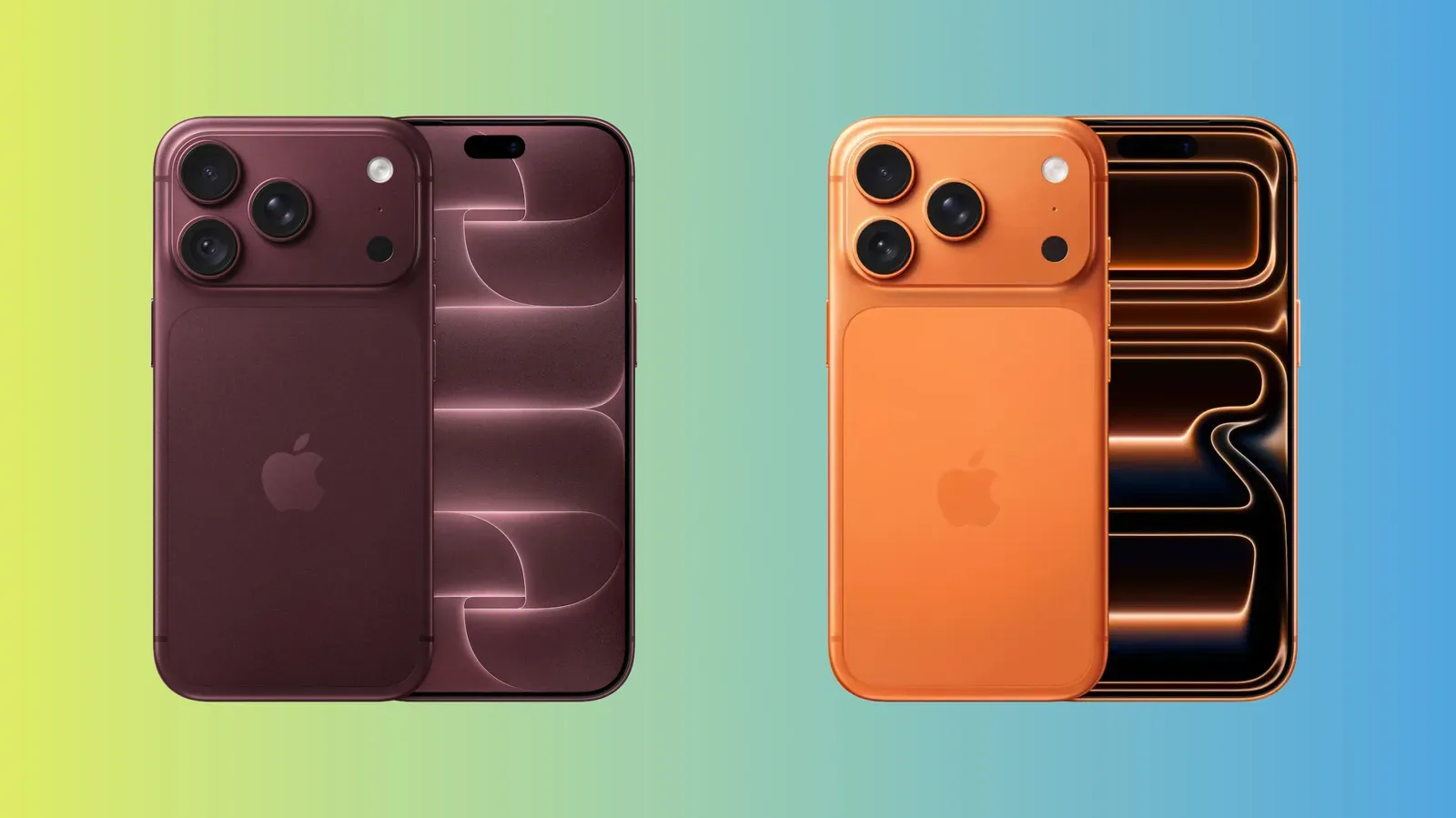
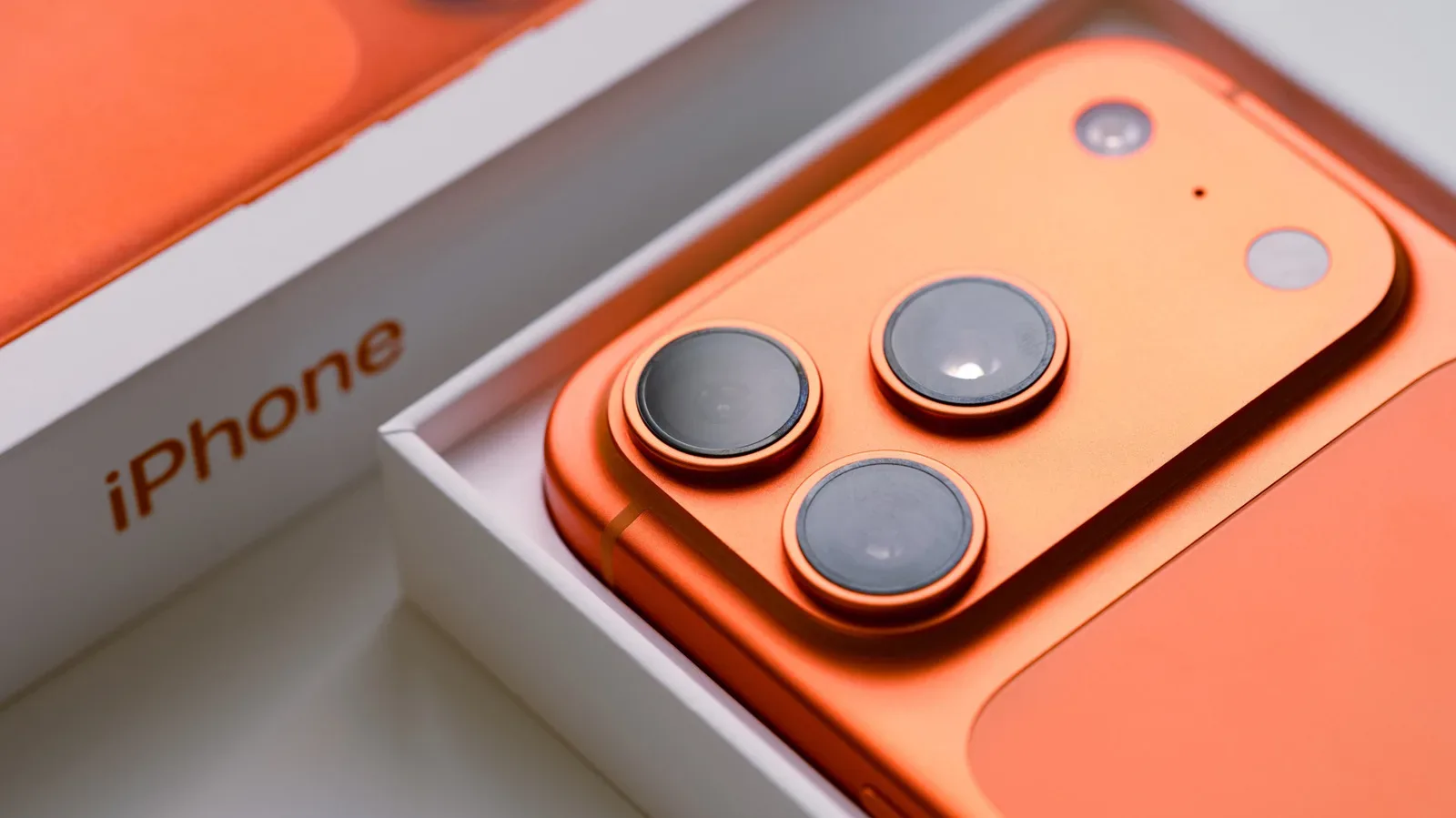
That is especially worth remembering when a phone doubles as a music player, podcast machine, audiobook library or portable gaming screen. Keeping it nearby may be convenient, but the safer routine is to leave the handset outside the bathroom and send audio to a Bluetooth speaker instead. For anyone weighing phone features and longevity, our look at the iPhone 18 Pro and iPhone 17 Pro is a useful reminder that performance improvements do not eliminate the basic limits of electronics around heat and moisture.
What an IP67 or IP68 rating actually tells you
“Waterproof” is a tempting shorthand, but it is inaccurate for phones described as IP67 or IP68. The safer word is water-resistant. The second digit in an IP rating addresses resistance to water. It is not a blanket statement that every kind of water exposure, at every temperature and for an unlimited period, is safe.
This is why a real-world assumption can go wrong: a device that gets through an accidental dunk or brief pool exposure may appear fully protected, leading its owner to treat it like shower equipment. Yet immersion and a steam-filled room are different scenarios. Water-resistance testing is tied to specific liquid-water conditions. Hot, humid air is not simply the same test with better ambience and worse playlists.
There is also no useful upside to testing the boundary on purpose. An IP rating is protection against accidents and limited exposure, not an invitation to make moisture part of a daily device routine. Water is persistent, and a phone has unavoidable vulnerable areas: the charging port, speaker openings, buttons and the seals intended to keep liquid away from internal parts.
Those protections can be valuable without being invincible. Heat and moisture can gradually work against seals and adhesives. The risk is not necessarily an instant, dramatic failure after one shower. The more frustrating possibility is gradual degradation that is difficult to see until the phone begins showing a liquid alert, the charging port needs time to dry, or a previously reliable feature becomes less dependable.
Steam changes the equation
Steam is water in vapor form, but it does not remain vapor forever. In a cooler area it can condense—turn back into liquid—on the outside of a device and potentially in places where moisture is unwelcome. A hot shower can therefore create a cycle of humid air, condensation and temperature changes rather than one straightforward splash event.
Condensation is the practical term to know here. It means moisture forming as humid air cools. In a bathroom, a phone can move between warm, steamy air and comparatively cooler surfaces or surroundings. That rapid cooling in a moist space can produce condensation inside and outside the handset. An IP rating does not turn condensation into a nonissue.
It is sensible to keep the scale of the risk in perspective. Brief, limited exposure now and then may not cause an immediate problem. The concern is that regular shower use normalizes a condition for which the device was not meant to be treated as permanently safe. The outcome is uncertain from one instance to the next, while the possible long-term effect on seals, ports and internals offers little reason to gamble.
Apple specifically advises iPhone owners to avoid saunas and steam rooms, and notes that liquid damage is not covered under warranty. Google offers similar guidance and points to a Bluetooth speaker as a better choice. That advice is direct: manufacturer water resistance should not be read as approval for high-humidity environments.
Heat is a separate problem, even before water gets involved
The water question often gets all the attention, but a very hot bathroom, sauna or steam room can create a second issue: temperature. Most phones have a maximum operating temperature of 95 degrees, with only a little more headroom when the device is sitting unused. A hot environment can push a phone beyond the range where it is intended to operate normally.
At the immediate end of the spectrum, excess heat can trigger a temperature shutdown. That is the phone protecting itself rather than carrying on as if nothing is wrong. The larger concern is recurring exposure. Significant or repeated heat can permanently affect a smartphone, particularly its battery.
Battery aging is the gradual loss of a battery’s ability to hold and deliver charge as it gets older. Heat accelerates that aging. A phone can still work after a hot spell, which makes the damage easy to overlook, but reduced long-term battery capability is a meaningful trade-off for the convenience of having a screen beside the shampoo.
Heat also matters because it is paired with humidity in this particular situation. The tiny adhesive layers and seals inside a phone are not ideal candidates for repeated hot, wet conditions. Users cannot inspect those components during a routine wipe-down, so the absence of an immediate warning should not be mistaken for evidence that nothing changed.
The ordinary shower hazards are still hazards
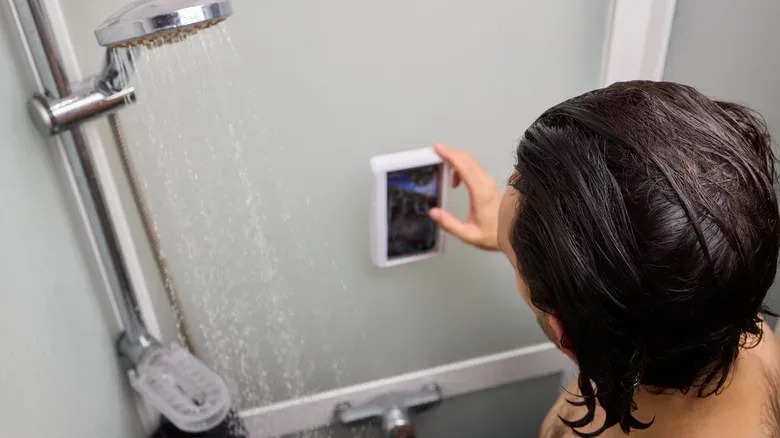
Even setting aside steam and battery health, bathrooms introduce simpler ways to damage a phone. Placing it on a soap dish or shower shelf—particularly close to the spray—invites direct contact with water. Picking it up with wet hands increases the chance of a drop. A water-resistant phone can still be damaged by impact, and a fall can also compromise the very exterior protection that is supposed to help with water exposure.
There is a useful difference between an accident and a setup that makes accidents likely. Dropping a phone in water is bad luck. Balancing it where it can be splashed, knocked down or grabbed with wet hands is making bad luck part of the plan.
A Bluetooth speaker provides a more practical arrangement. Many portable speakers carry comparable IP ratings, and they are designed around the job of delivering sound rather than asking a costly, multipurpose handset to play bathroom DJ. Bluetooth connections are generally reliable enough to work through an interior door or wall, letting the phone stay in the next room while music or spoken audio continues.
This is not a claim that every Bluetooth speaker can live in every bathroom condition. Its own rating and manufacturer guidance still matter. The advantage is simply that the phone—the device with the charging port, personal data, display and higher replacement stakes—does not have to sit in the humidity at all.
If your phone gets wet, avoid making recovery worse
When a phone is wet for any reason, the immediate goal is to reduce the chance that moisture is driven further into a port or combined with electricity or additional heat. Wipe the device down promptly. Do not connect a cable or other accessory to the charging port while moisture may be present, and keep the ports facing downward.
That port-down position is a straightforward precaution: it avoids orienting the opening upward, where liquid can more readily remain. It also reinforces an important point about water resistance. The port is still an opening that needs care; it is not a place to test how confidently a phone handles water.
Do not reach for a hairdryer or another technique that heats the handset. Adding heat to a device that has just encountered moisture creates a new stress rather than a dependable fix. The common rice-bowl remedy is also not recommended by Apple. The best approach remains prevention: do not deliberately expose the device to the hot, humid environment in the first place.
A low-risk shower audio setup
- Choose music, a podcast or an audiobook before starting the shower.
- Place the phone outside the bathroom or at least outside the humid area.
- Connect to a portable Bluetooth speaker, following that speaker’s own water-resistance guidance.
- Keep the handset away from shower shelves, soap dishes and direct spray.
- If the phone becomes wet, wipe it off, keep its ports downward and do not plug anything into it while the port is wet.
The practical reading of “water-resistant”
IP67 and IP68 are useful safeguards. They can make a spill or accidental dunk less catastrophic than it might have been on older hardware. But they do not erase the effects of heat, humid air, condensation, aging seals or wet-handed drops. Treating an IP rating as a broad “waterproof” guarantee turns a safety feature into a reason to take avoidable risks.
The sensible rule is therefore uncomplicated: reserve a phone’s water resistance for mishaps, not shower entertainment. Put a Bluetooth speaker on audio duty, leave the phone somewhere dry and allow the device’s protective design to do what it is meant to do—help when life happens, rather than cover a preventable bathroom experiment.