A portable Bluetooth speaker is a deceptively simple piece of gear: it needs to be easy to carry, loud enough for the space it enters, and resilient enough that taking it outside does not become an anxiety exercise. CMF by Nothing’s Speaker S is currently listed at $49, a $10 reduction from its stated $59 regular price. That works out to roughly 17% off, though the promotion is described as limited-time rather than a permanent price cut.
The compact speaker’s feature list centers on a 45mm full-range driver, two passive radiators, output rated up to 10W RMS, selectable sound modes, IP68 dust and water resistance, and a claimed maximum battery life of 18 hours under specified conditions. Those specifications are more useful when translated from product-page language into the situations they are meant to address: a desk, a small gathering, a picnic table, a campsite, or a bag that might encounter sand, rain, and the occasional careless bottle of water.
For readers weighing a small speaker against the crowded portable-audio field, the important point is not that one product can do everything. It is understanding which claims describe measured operating conditions, which define durability limits, and which features may matter for a particular setup.
A $49 portable speaker proposition
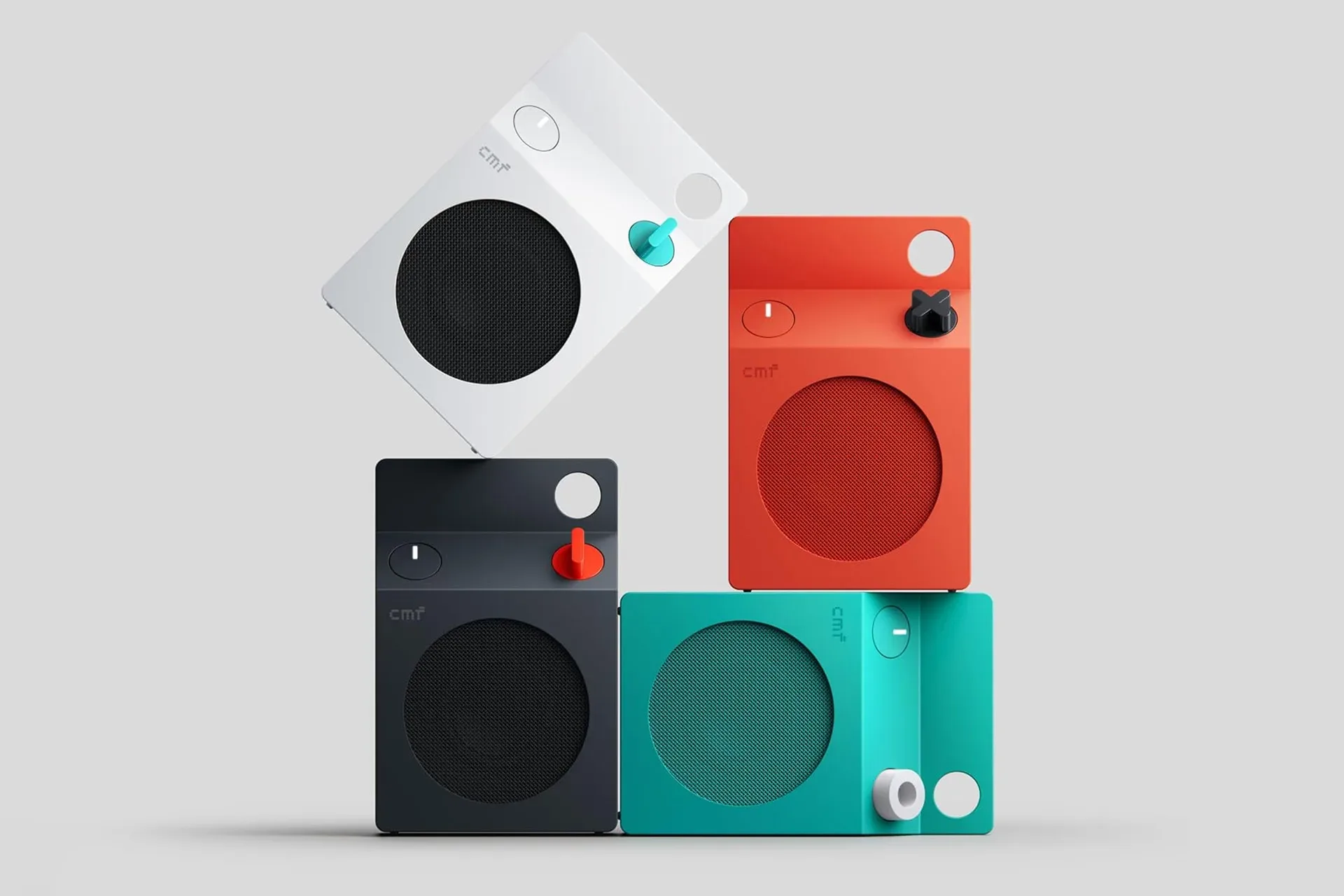
The Speaker S is positioned as a compact, carry-friendly model rather than a large party speaker. Its distinctive body has a boxy, carton-like silhouette, a look that makes it easier to spot than the usual anonymous cylinder. A built-in attachment point is part of the portability plan: a user can connect a strap, rope, or carabiner for carrying or securing it to a bag.
At the current $49 price, the value question is fairly direct. The discount matters most to someone already looking for a small outdoor-capable speaker with a physical attachment option and substantial ingress protection. It is less useful to treat a sale price as proof of universal value. Shoppers should still consider the volume required for their usual spaces, how frequently they will be away from power, and whether they need a speaker primarily for close-range listening or for filling a larger, louder room.
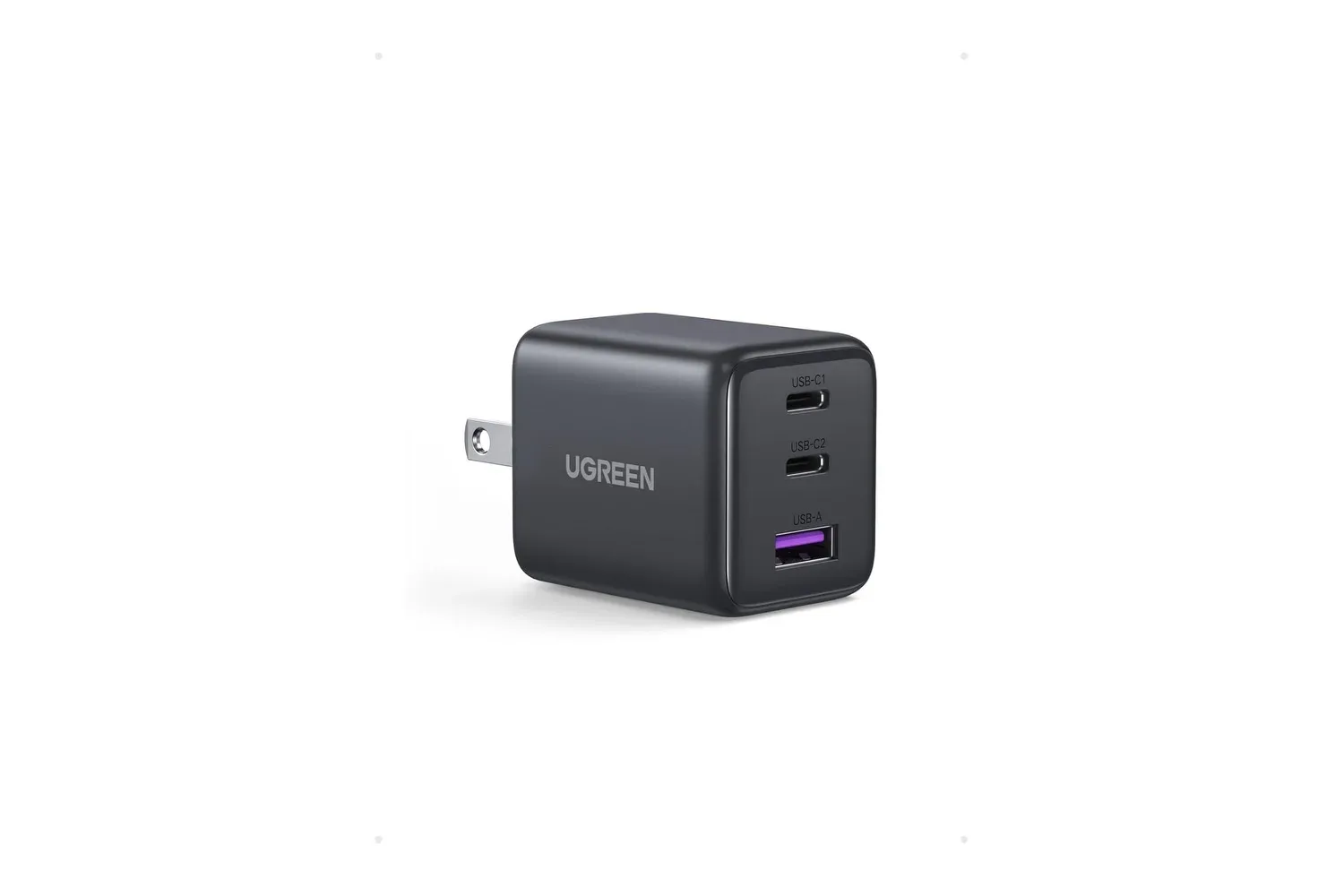
Portable tech purchases also become more practical when they work alongside the gear already on hand. For example, charging accessories can matter as much as a speaker’s battery estimate during travel; Joking Joystick recently looked at a compact 30W three-port charger aimed at desk and travel use. The Speaker S itself is said to offer a short-charge fallback, but it is not a substitute for planning charging access on a longer trip.
What the audio hardware tells us
The Speaker S uses a 45mm full-range driver. A driver is the component that physically moves air to create sound. “Full-range” means the driver is intended to handle a broad portion of the audible spectrum instead of being dedicated only to bass, midrange, or treble.
It also includes two passive radiators. Unlike an active driver, a passive radiator does not have its own voice coil or amplifier connection. It moves in response to the air pressure created inside the enclosure by the active driver. In a small speaker, this can support bass presence without requiring an oversized cabinet. It should not be confused with a separate powered subwoofer, but it explains why a portable unit can pursue more low-end weight than its dimensions might initially suggest.
The supplied output figure is up to 10W RMS. RMS, or root mean square, is a way of expressing sustained electrical power rather than a fleeting peak number. It is a useful specification, but wattage alone does not reveal exactly how loud a speaker will seem in every setting. Perceived loudness also depends on the tuning, speaker design, content being played, background noise, and the acoustics of a room or outdoor area. The practical takeaway is that this is a small, portable speaker built for nearby listening and modest shared spaces, not a specification that promises stadium-scale coverage.
Ultra Bass and Wide Sound stage are listening modes, not extra hardware
The Speaker S includes an Ultra Bass setting and a Wide Sound stage setting. The first is intended to push the low end harder; the second is intended to give listening a broader spatial feel indoors or outdoors. These modes offer a choice based on context rather than an automatic upgrade in every circumstance.
- Ultra Bass may be the more relevant option when a listener wants extra impact from rhythm-forward music at close range.
- Wide Sound stage may make more sense when people are spread around a room, table, or outdoor spot and the aim is less concentrated listening.
- Default or restrained settings can be worth considering when battery life is the priority, although no mode-specific battery figures are provided here.
The meaningful detail is that the modes tailor playback presentation. They do not alter the physical limits of a compact enclosure, and prospective buyers should avoid treating either label as a standardized industry measurement.
IP68 is the standout practical specification
For a speaker meant to leave the house, its IP68 rating may be more consequential than its styling. IP stands for Ingress Protection, a classification system that describes resistance to solid particles and water. The first digit, 6, indicates dust-tight protection. The second digit, 8, indicates suitability for immersion under conditions specified by the manufacturer.
For the Speaker S, those conditions are stated as submersion in water as deep as 1.5 meters for up to 30 minutes. That is a substantial protection claim for a portable audio device. It supports the idea that the speaker can be used around a pool, carried to a beach, exposed to rain, or splashed without every moment becoming a rescue mission. Dust resistance also has obvious appeal where sand or dry outdoor debris is involved.
Still, a rating defines a test boundary, not an invitation to abuse a product. The supplied water claim is specific: depth and duration both matter. It is wise to treat IP68 protection as insurance against likely mishaps and outdoor conditions, rather than a reason to make immersion part of normal use. Users should also remember that ruggedness is only one part of portability; carrying methods, charging habits, and where the speaker is placed all influence whether it remains convenient in real life.
Battery estimate: read the condition attached to it
CMF by Nothing says the Speaker S can run for up to 18 hours, with the crucial condition that volume remains around or below 50%. “Up to” is not a promise that every listening session will reach that mark. It identifies a maximum under the stated usage profile.
That distinction is especially important for Bluetooth speakers because volume has a direct practical relationship with how much energy is being used. A speaker providing background music at moderate volume has a very different task from one trying to compete with conversation, wind, traffic, or a crowded room. Sound modes and the nature of the audio being played can also affect how a listener uses the device, even when the stated claim is tied specifically to volume.
The speaker also has a quick-charge claim: 10 minutes of charging for up to one additional hour of playback. This is useful as a contingency feature. It suggests that a short stop at a power source can restore enough playback for a limited stretch when the battery is low. It does not tell us how long a full charge takes, so buyers should not infer a complete charging schedule from that one figure.
Who the Speaker S appears to suit
Based on the specifications available, the Speaker S makes the clearest case for people who want music in mobile, casual settings and want their speaker to tolerate a bit of weather and mess. The strap-compatible attachment point and IP68 rating are especially aligned with travel bags, walks, picnic sites, beach days, camping trips, and pool-adjacent listening.
Its design also favors an uncomplicated role at home: keep it in a room that lacks a dedicated audio setup, then grab it when moving outdoors or visiting friends. The $49 limited-time price makes that flexible role easier to justify for a buyer who does not need a larger system.
What remains unknown from the supplied details is just as worth noting. There is no provided information on Bluetooth version, charging connector, speaker dimensions, microphone or calling functions, stereo pairing, companion-app support, full recharge time, or how the audio performs at maximum volume. Those omissions do not make the speaker a poor choice; they simply mean they should not be assumed.
Practical buying checklist
- Start with the environment. If sand, rain, splashes, or dusty outdoor spaces are regular parts of the plan, IP68 protection is a material advantage.
- Set realistic volume expectations. A 10W RMS compact speaker is best assessed as portable personal or small-group audio, not as a replacement for a large entertainment setup.
- Use the 18-hour claim correctly. It is associated with listening at roughly 50% volume or lower. Louder use should be expected to change runtime.
- Think about carrying. The integrated attachment point is a useful differentiator only if a strap, rope, or carabiner fits the way the speaker will actually travel.
- Check the current listing before purchase. The $49 deal is characterized as limited-time, so the price may not remain in place.
The CMF by Nothing Speaker S has a straightforward pitch at its current price: compact Bluetooth playback with bass-focused hardware, configurable sound presentation, durable ingress protection, and a stated 18-hour maximum battery figure under moderate-volume use. The strongest reason to consider it is not any single buzzword. It is the combination of a small form factor, an attachment-ready design, and protection designed for the places where portable speakers tend to have the least gentle lives.
Shop the products
Check current price, model and availability at the retailer.