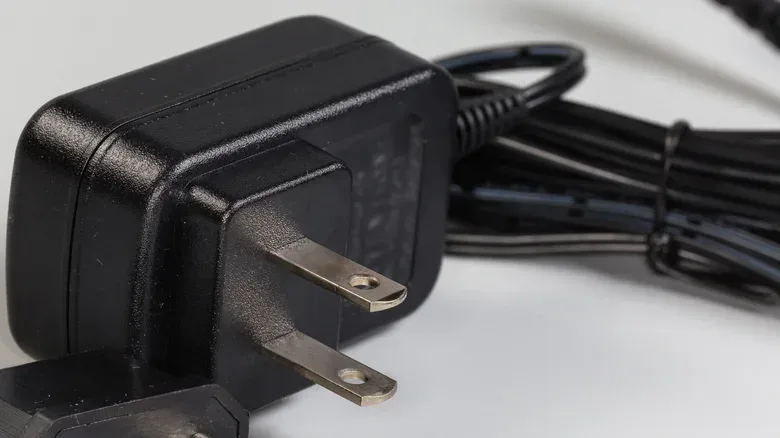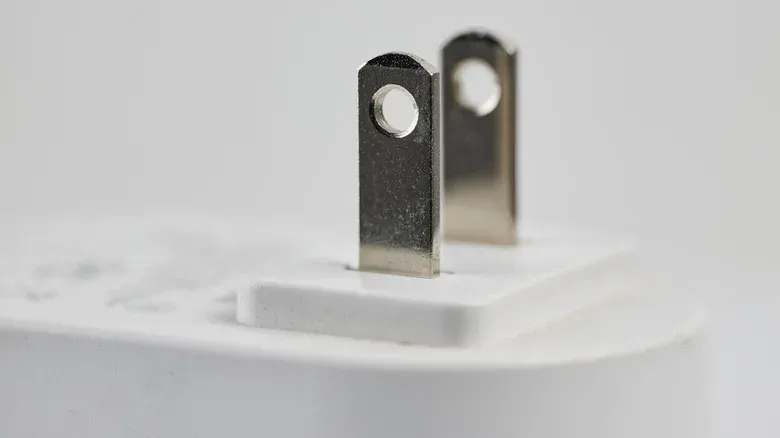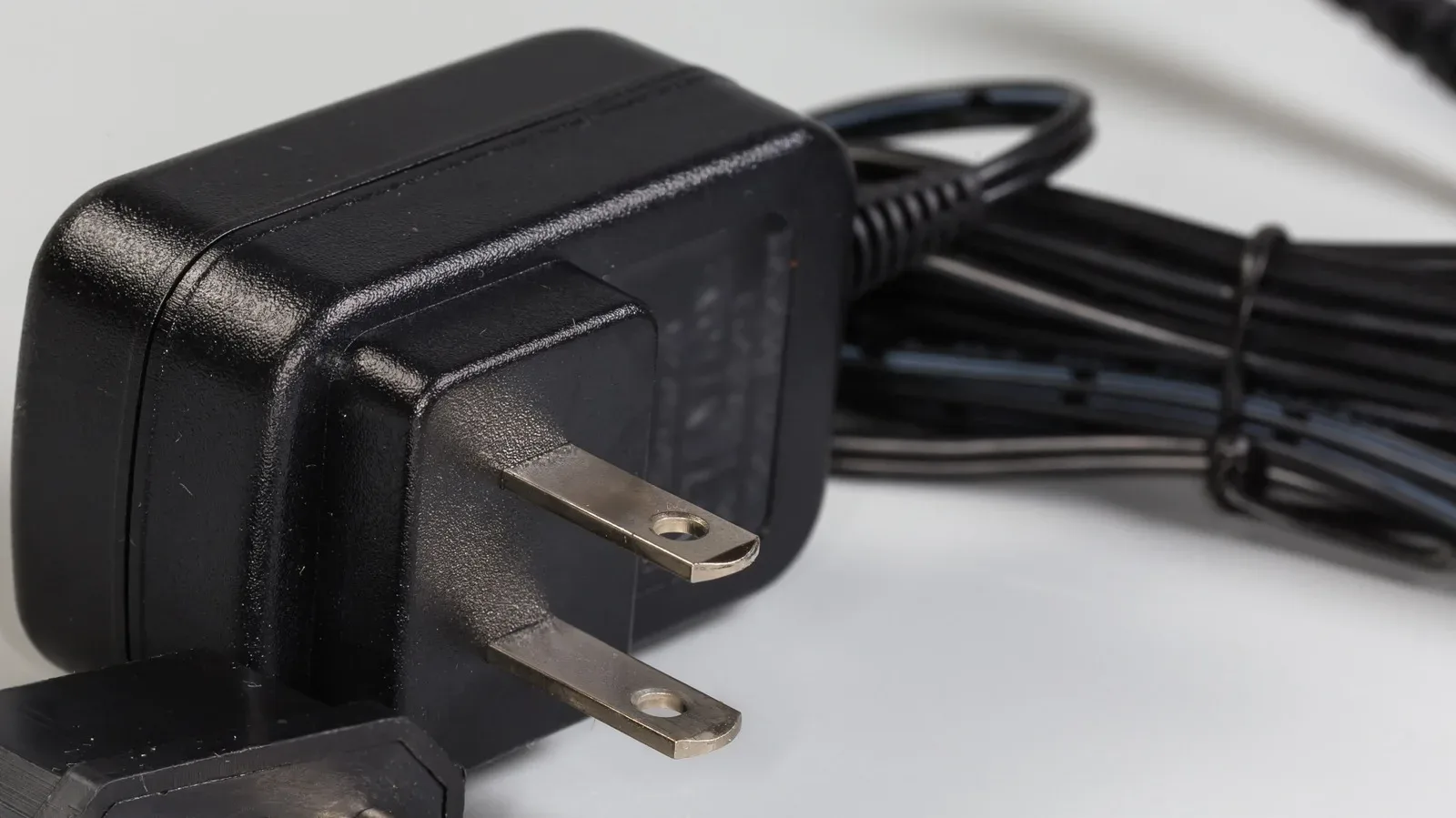
Look closely at the two flat metal blades on many everyday electrical plugs and you will find a tiny round hole near each tip. It is the sort of design detail that invites a dozen confident answers: better grounding, improved electrical contact, a secret code for appliance power, or perhaps a tiny ventilation system for electricity that has become emotionally overwhelmed.
The practical answer is much less dramatic. Those holes do not act as pathways for electrical current, and a plug does not need them to work in an appropriate household outlet. Their meaning is split between an older outlet-retention design and a modern manufacturing convenience. That makes them a particularly good example of hardware carrying a little piece of its own history forward.
The holes are not where the electricity goes
A plug blade’s job is to enter the receptacle and make the required electrical contact. The holes in the blades are not an alternative contact point, nor are they there to complete the circuit. A plug with solid, hole-free blades can still make that connection in a suitable outlet, including plugs with retractable prongs.
That is the important starting point for anyone inspecting a charger, appliance cable, extension lead or smart-home accessory. Seeing holes does not make the plug inherently safer or more capable. Not seeing them does not mean the plug is incomplete. Hole-free blades are not missing a required user-facing feature.
In short: the holes are a design option, not a performance stat. They do not grant +10 conductivity.
The original outlet-grip explanation was once real
The familiar claim that the holes help a plug stay in the wall has a genuine historical basis. The holes once paired with a small raised feature inside a receptacle. That raised feature could engage with the opening in the blade, providing extra retention. This kind of locating or holding feature is called a detent.
A detent is simply a mechanical feature that creates a small stopping or holding action. In this case, it helped retain the plug after insertion. It was not a mystical electrical handshake; it was a physical fit between a raised part in the receptacle and a hole in the plug blade.
Later requirements for receptacles changed. Outlets were required to hold plugs securely without relying on blade holes, while also being tested to ensure a plug would not be excessively difficult to remove. The relevant test arrangement did not depend on holes. As a result, the matching raised features inside ordinary household receptacles largely disappeared: they were no longer needed to meet the baseline retention requirement and could make unplugging more difficult.
Related coverage includes Why Electrical Plug Prongs Often Have Holes.
The holes, however, remained common. That is why an old explanation can still sound perfectly plausible when people look at a modern plug. The feature did once participate in outlet retention, but contemporary outlets are designed to retain plug blades whether those holes are present or not.
Compatibility is the quiet victory here
Leaving the holes on many plug designs preserves compatibility with older receptacles that may still use the detent arrangement. At the same time, newer receptacles must function with blades that have no holes. The result is a deliberately unexciting success: plugs with holes and plugs without holes can both do their normal job.
If a manufacturer chooses to put holes in blades, those openings must follow the specified size and lead-in shape so they remain compatible. That responsibility belongs to the manufacturer. For the person plugging in a lamp or game console, there is no scavenger hunt for “the right” perforated blades.
Why manufacturers may still want the holes
Today, the most practical use of these openings may happen before the plug ever reaches a wall. During production, an alignment rod can pass through the holes to keep the two metal blades positioned correctly while plastic is molded around the assembly. The holes can also be used as lockout tags in the manufacturing process.
That factory role makes sense because plug construction is all about keeping components where they belong. The blades need to be held in their intended orientation as the plug body is formed around them. A small opening provides a simple location point for the equipment or process handling the part.
Not every manufacturer uses exactly the same process, so it would be wrong to treat every blade hole as proof of one specific assembly method. But it explains why the detail persists even after its everyday receptacle-retention role faded. A feature can stop mattering much to the person at the outlet while remaining useful to the people making millions of plugs.
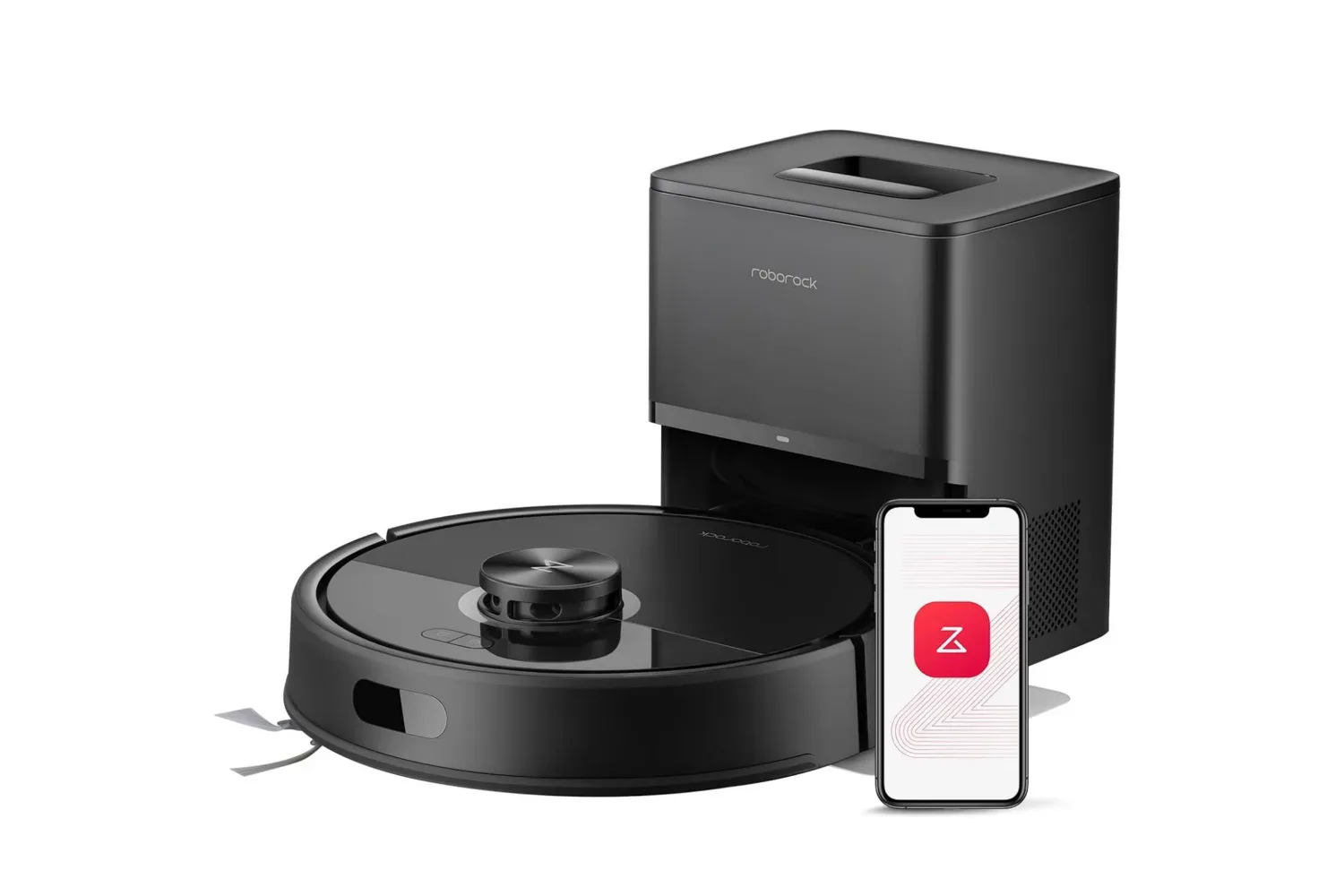
That includes the broad family of products that use ordinary plug blades, from a vacuum cleaner to a smart plug intended for home automation. The visual detail has stayed remarkably consistent even as the thing attached to the cord has gone from a basic appliance to connected hardware. In a different corner of technology, familiar controls and seemingly minor interface choices can also have outsized practical effects, as seen in this look at workday features designed to reduce digital friction.
What a loose plug actually tells you
A plug that slips out of an outlet with little resistance is a real-world problem, but the holes are generally not the fix. In an outlet that no longer holds blades firmly, the more likely issue is wear in the receptacle itself. Buying a replacement cable simply because its blades have holes is not a reliable response to a worn connection.
It is also not a reason to modify a plug. Do not drill holes into solid blades. The holes are not necessary for the plug to make electrical contact, and modifying a plug is not an appropriate way to address outlet wear.
The practical focus should be the condition of the receptacle and the connection rather than a tiny circle in the metal. If replacement of a receptacle is being considered, power must be shut off at the breaker first. Electrical work deserves more respect than a five-minute side quest: fingertips and a 15- or 20-amp circuit are a bad matchup.
A few plug-hole myths, retired
- “The holes carry electricity.” They do not. The blades make the intended electrical contact.
- “A plug without holes is defective.” No. Solid blades can function normally in an appropriate receptacle.
- “The holes are required to keep a plug in the wall.” Modern receptacles are designed to retain plugs without them.
- “Adding holes will solve a loose outlet.” No. A loose connection points toward the receptacle’s condition, not a need to alter the plug.
- “The feature has no purpose at all.” It can remain useful in production for alignment and lockout-related handling, even if it has little everyday effect in a modern outlet.
The modest lesson inside a tiny circle
Plug-prong holes are a reminder that objects can preserve old functions while gaining new behind-the-scenes ones. Their original relationship with detents explains the enduring “better grip” story. Updated receptacle requirements explain why that story no longer describes the typical modern outlet. Manufacturing explains why the openings remain widespread anyway.
So the next time a charger, console cable or household appliance presents two perforated blades, there is no need to interpret them as a safety warning, an electrical shortcut or evidence that the plug has special powers. They are mostly an inherited piece of plug design that can help keep parts aligned during production, while staying compatible with a design idea that many current outlets no longer use.