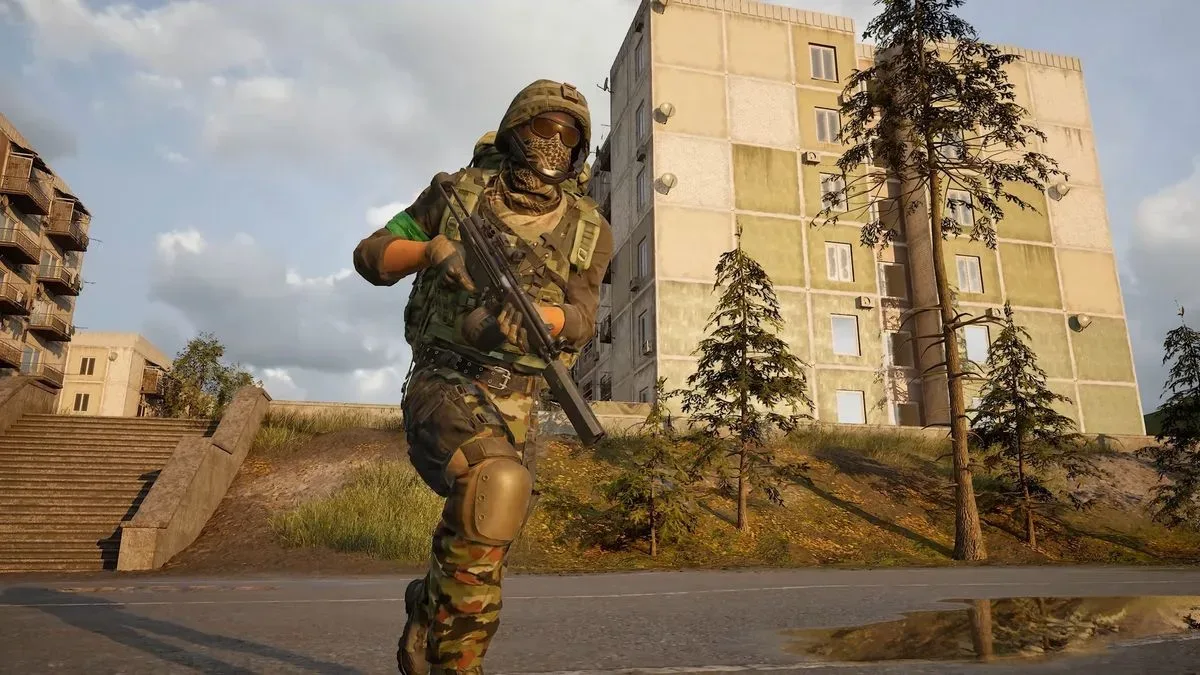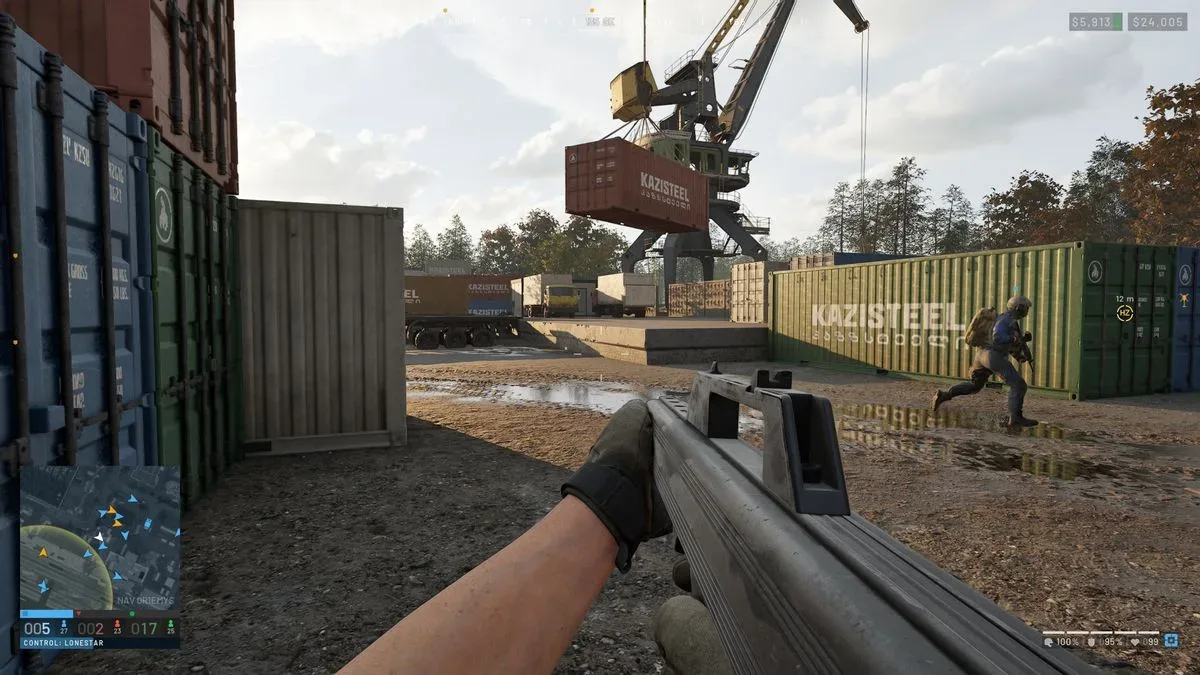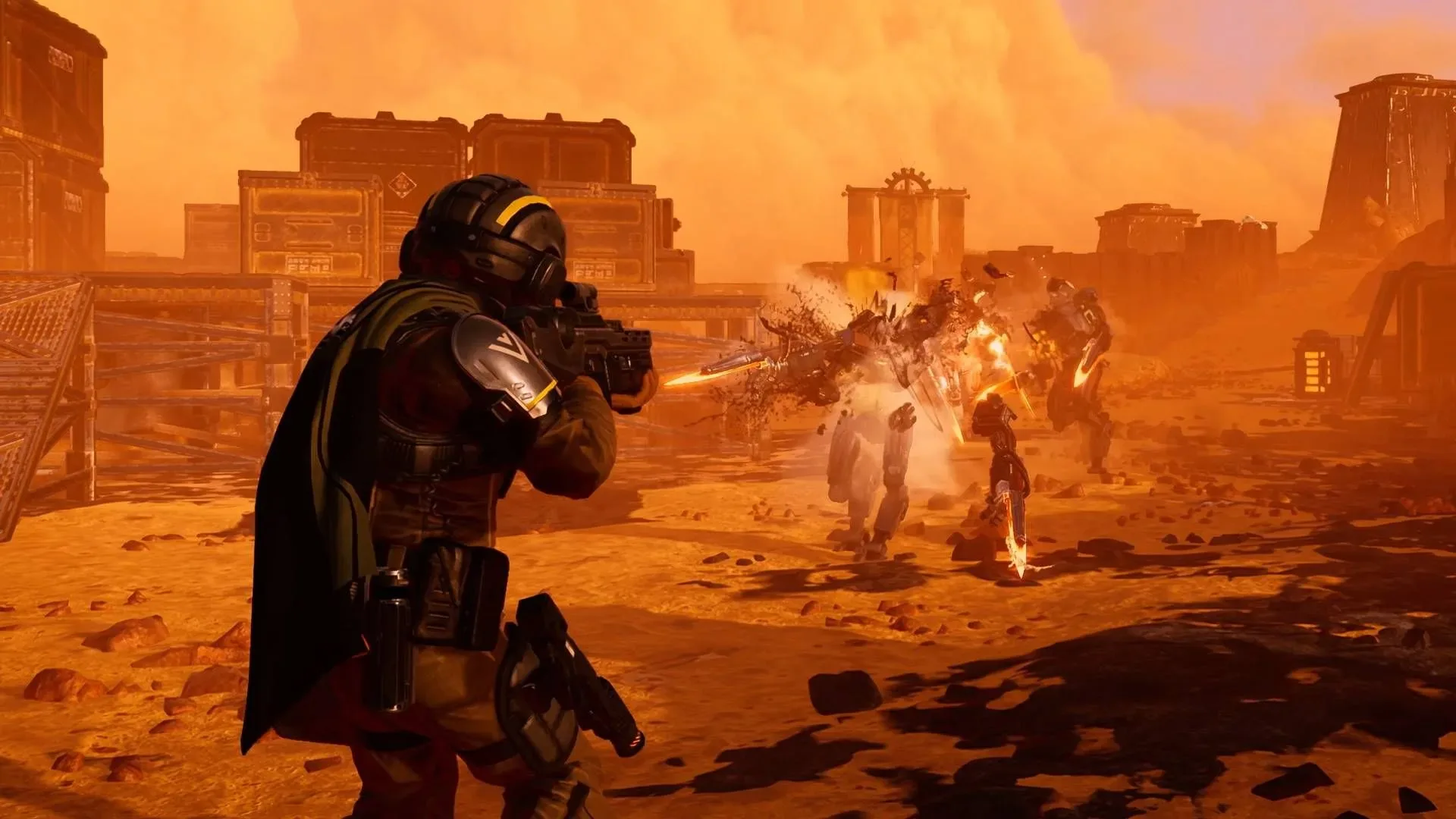
Wardogs arrives in Early Access wearing the familiar uniform of a large-scale multiplayer military shooter: rifles, vehicles, control points and lethal firefights. Its more unusual idea is not hidden in a specialist class menu, though. It is printed directly onto the scoreboard. The game ranks players by the money they earn, not simply by eliminations.
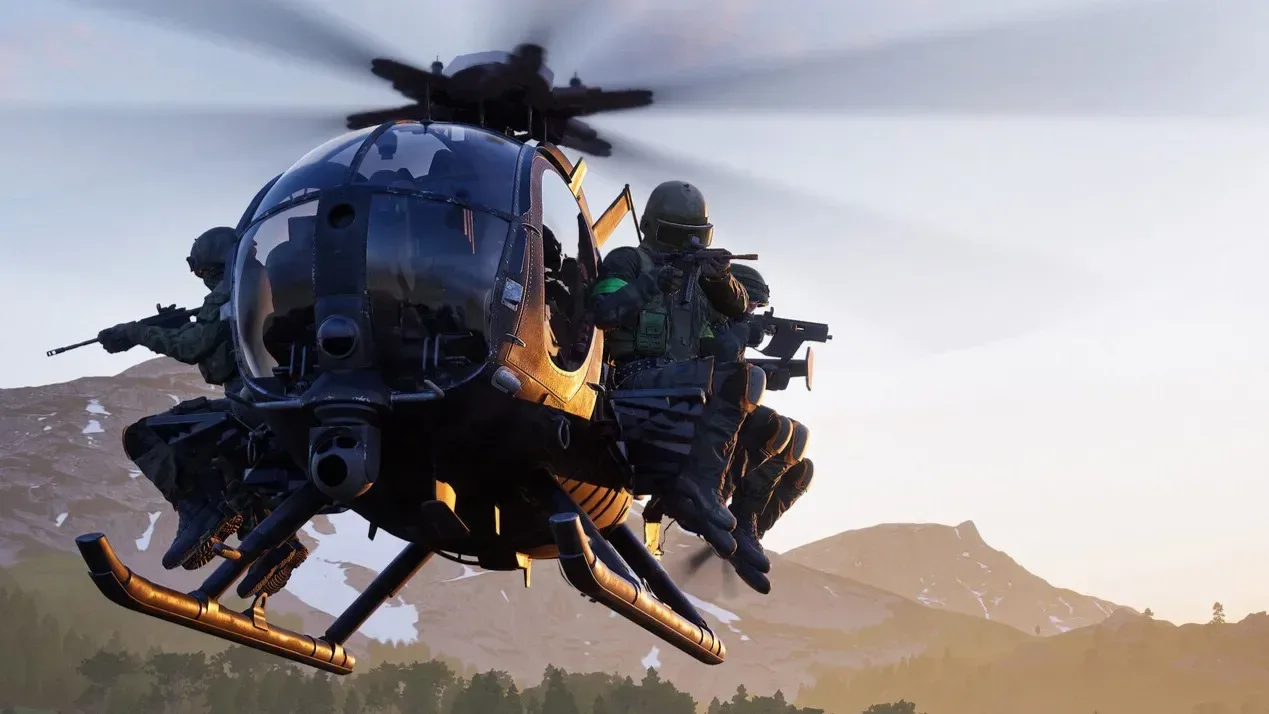
That change gives the game’s central fantasy a surprisingly practical shape. Players are mercenaries attached to one of three Private Military Companies, or PMCs, competing for control of a map. Cash is not decorative. It is needed for progression and for purchasing a loadout whenever a player respawns. Shooting opponents can be profitable, but it is only one route through the match. A medic can generate earnings at the front; a pilot can ferry fresh spawns to combat; a truck driver can move supplies; a builder can turn those supplies into defences; and recon can help the team with observation rather than rifle fire.
In an FPS genre that often treats support play as a moral request—please revive teammates, please drive the objective, please bring ammunition—Wardogs ties those jobs to personal advancement. The payoff is a multiplayer battlefield where a player with no kills can still sit at the top of the rankings because they made themselves indispensable.
A mercenary economy changes what success looks like
The key distinction is that Wardogs does not entirely remove the conventional shooter loop. The frontline remains lucrative, and the reported combat has rapid time-to-kill and time-to-die. Time-to-kill is the amount of time needed to eliminate an opponent once an engagement begins; time-to-die is the equally important experience on the receiving end. When both are fast, positioning and immediate reactions can matter enormously, but so can having the right equipment and a way back into the fight.
Wardogs then layers an economy over that tension. Since equipment costs money on respawn, cash serves as a bridge between what a player contributes and what they can bring to the next life. That makes logistics more than battlefield flavor. Fuel, ammunition and construction materials are resources that enable vehicles, sustain positions and help teams hold ground. Taking a truck run instead of chasing kills can therefore be both a personal financial decision and a team-level investment.
It is an approach that should widen the game’s definition of skill. A strong shooter will still matter at a contested zone. Yet a dependable transport player who avoids danger, delivers what the team needs and keeps a route flowing is also performing well under Wardogs’ incentives. The same is true for a helicopter pilot whose passengers arrive at the frontline quickly enough to affect a capture fight. Those contributions may be harder to appreciate in a traditional kill/death readout; a money-first leaderboard makes them visible.
That does not mean earnings and victory are identical. Cash governs the player-facing progression and loadout loop, while the match itself is decided by control-zone points. The tension between those two goals could be one of Wardogs’ defining features. The best personal money-making task may not always be the most urgent action for winning the next point. Conversely, a selfless push into the zone may be tactically correct even if it is less profitable. The game’s promise rests on whether its reward structure regularly makes those interests overlap rather than collide.
Three teams, one zone and a 100-point race
Wardogs places 100 players on a server across three teams. That is a notable departure from the two-sided structure common to many multiplayer shooters, because each squad has to watch two rival forces rather than one predictable front. The division also cannot be perfectly even at a player count of 100: two teams contain 33 players and one has 34.
Related coverage includes Wardogs Turns a Multiplayer FPS Into a Mercenary Economy.
The match objective is straightforward on paper. Teams need 100 points to win. Every 30 seconds, the team with more players inside the circular Control Zone than either rival receives one point. In other words, a team does not simply need bodies in the zone; it needs the largest presence there at the scoring moment.
A Control Zone is an area that turns physical presence into progress. In Wardogs, the three-team rule gives it a different rhythm from a basic two-team capture point. A force can be beaten by either opponent, while two smaller enemy groups may interfere with one another. Players must decide whether to commit to the circle, protect its perimeter, cut off reinforcements or establish the transport and supply lines that allow teammates to arrive and remain there.
That is where Forward Operating Bases, or FOBs, become important. An FOB is a team position closer to the action than a starting area, functioning here as a place tied to vehicles and supply activity. Once a team has accumulated 20 points, a vehicle parked at its FOB can be spawned immediately. This rule gives objective play a logistical benefit: control-zone success is not only a step toward the 100-point win condition, but can make local mobility more convenient.
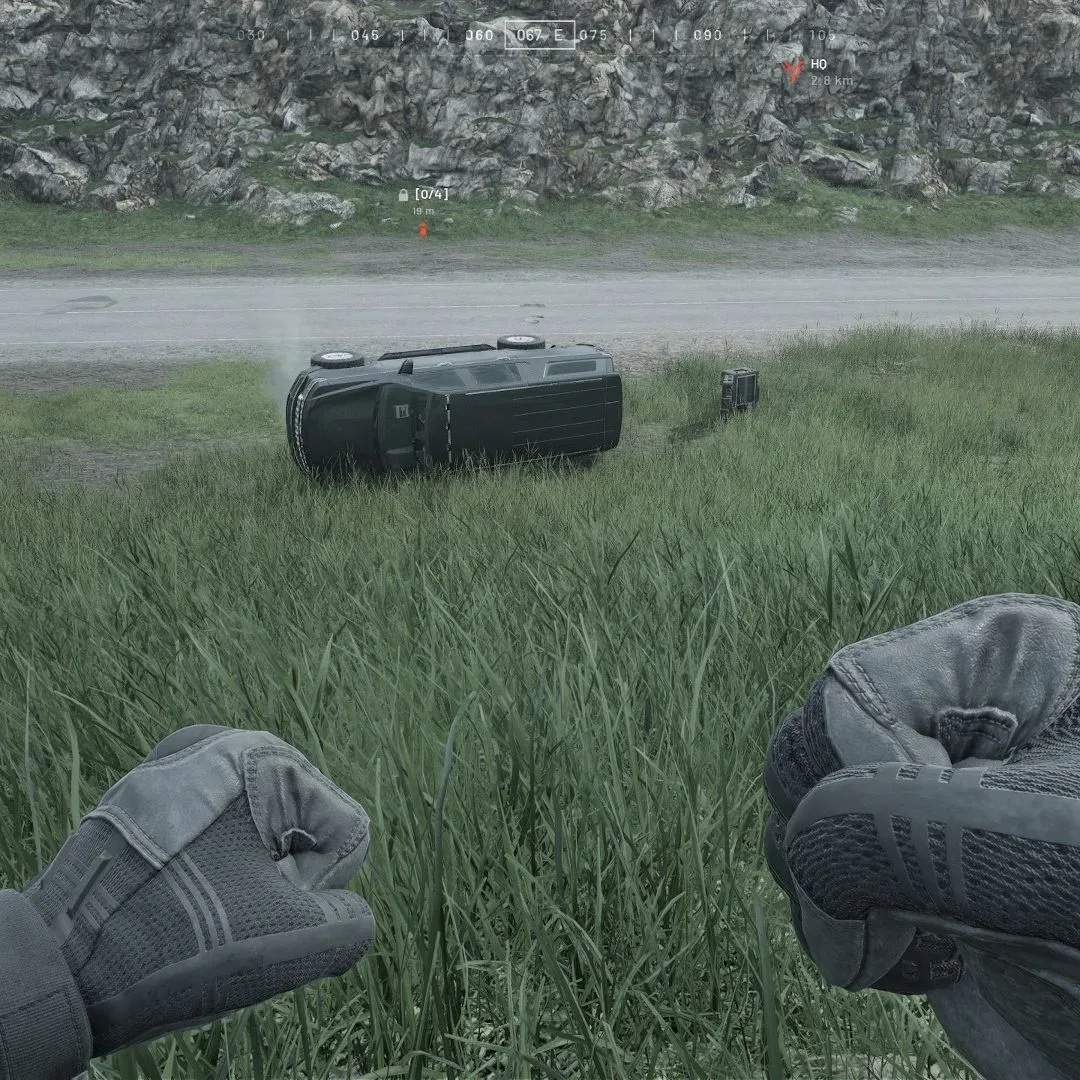
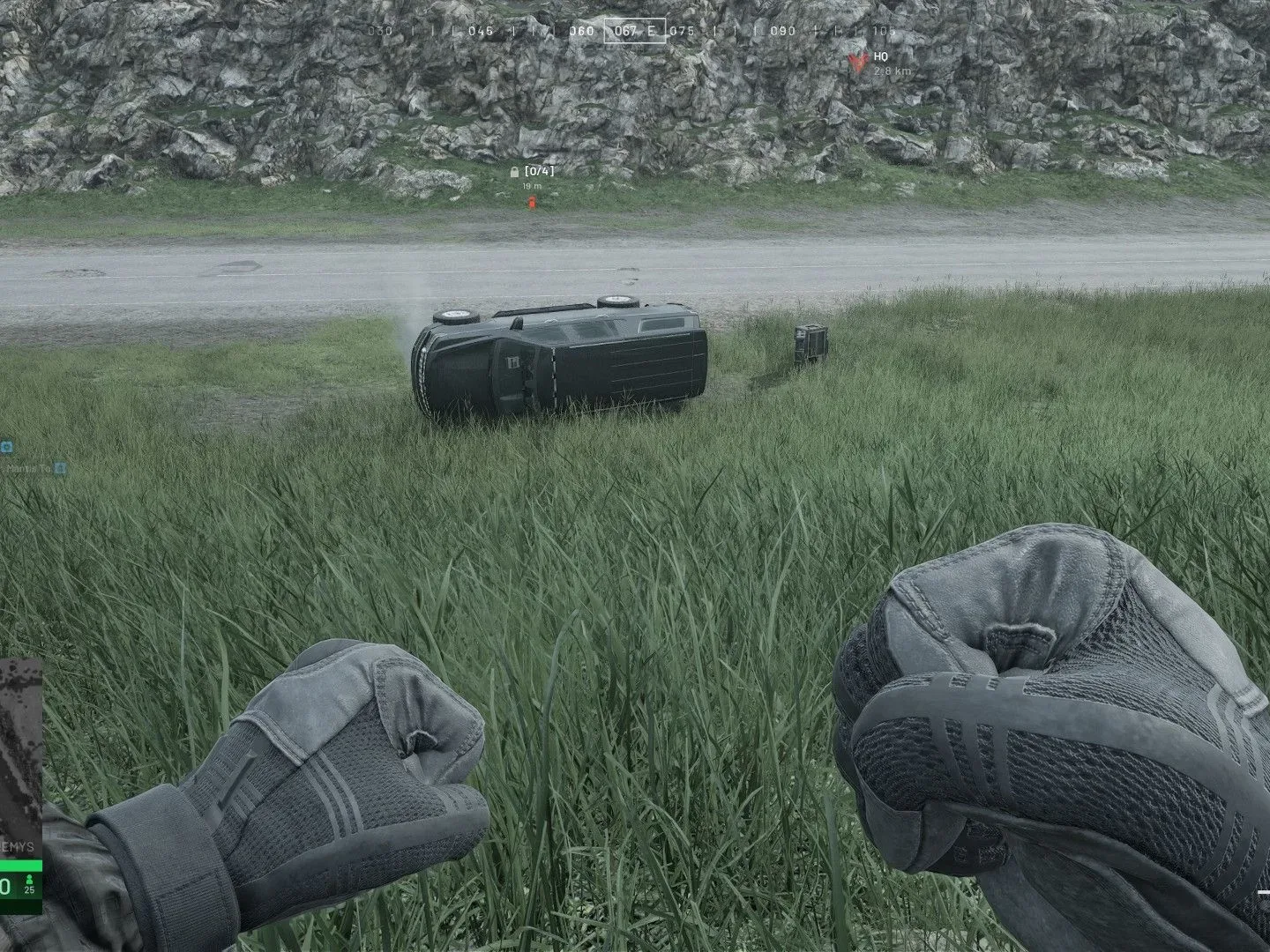
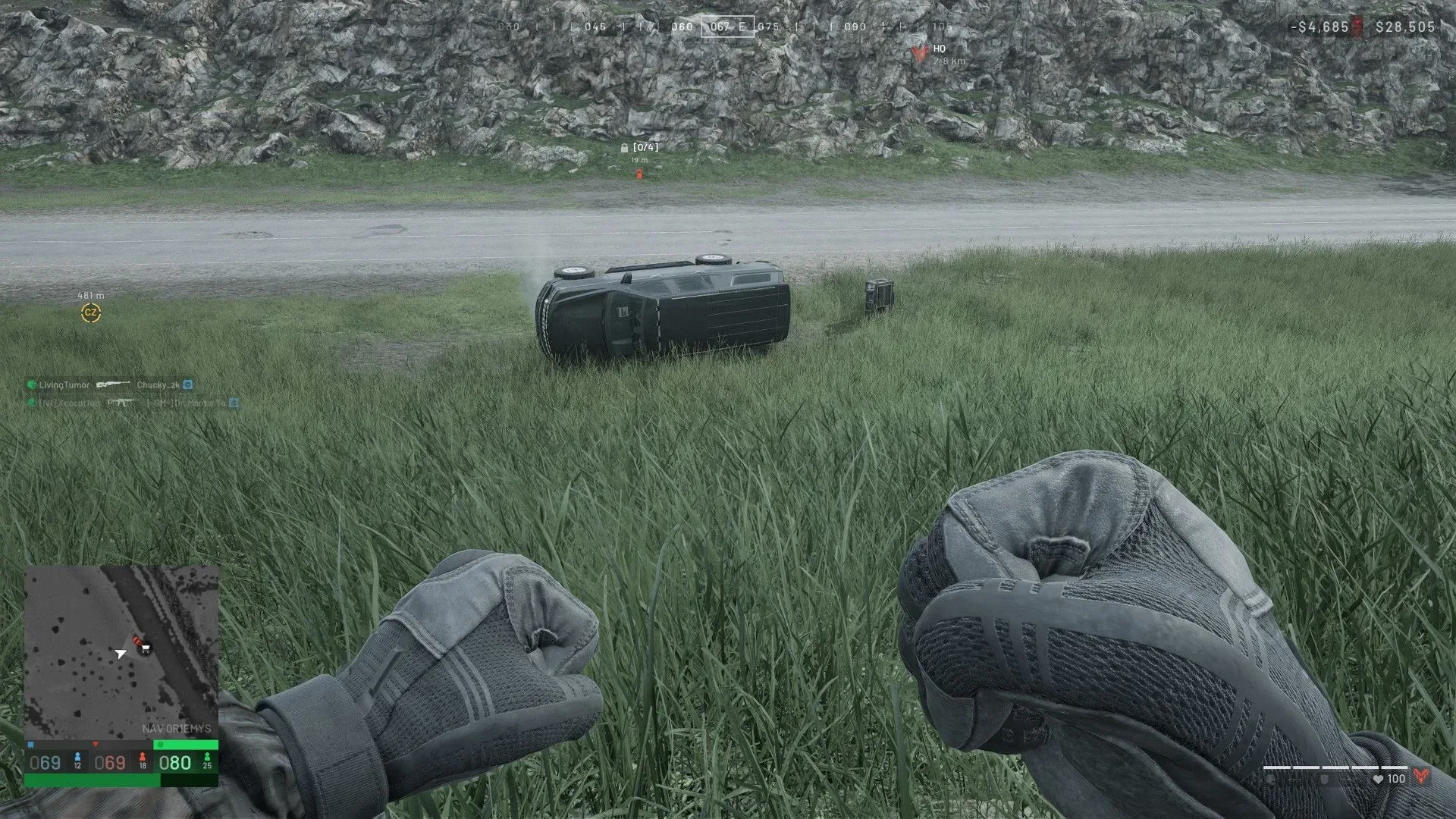
The maps are described as large enough that non-combat jobs are a genuine necessity rather than an optional roleplay layer. A pilot or driver may be the difference between a squad arriving in time and walking across the map after every loss. Defenders may require delivered building materials before they can create meaningful fortifications. And a squad holding a hotly contested area can only keep operating if ammunition and fuel keep reaching it.
Roles for players who do not want to live on the trigger
Wardogs’ broadest appeal may lie in how many kinds of useful play it accommodates. The available roles include medic work at the frontline, transport driving, helicopter piloting, supply hauling, construction, recon, sabotage, sniping and special-forces-style combat. The important common thread is that each can make money.
Recon provides an especially clear illustration of the game’s priorities. A player may carry a rifle yet spend much of a match using a spotter scope to observe. That is not the archetypal FPS power fantasy, but on a big map it can be a meaningful service: spotting movement, monitoring approaches and offering information to teammates who are better positioned to act on it. Wardogs seems designed to allow a player to measure a productive round in supplied bases, safe trips or useful intelligence rather than in a kill montage.
The mixture also explains why comparisons to several very different genres make sense. The combat is FPS combat, but hauling supplies has the deliberate purposefulness of a driving game, transporting troops by air calls on the responsibilities of a flight role, and maintaining gear and resources lends a stripped-back survival-game quality. The comparison point is not that Wardogs becomes any one of those genres in full. It is that its match structure gives their characteristic activities a place inside a shared war.
For players who like cooperative shooters but are tired of being judged solely by weapon accuracy, that is a compelling proposition. Helldivers 2’s Ironclad Democracy Warbond is another recent example of how equipment and support options can shape a group’s approach to combat, but Wardogs goes further in making non-shooting labor part of its core economy and leaderboard.
The rough edges matter, especially early on
The same economy that makes support roles attractive also appears to make Wardogs demanding for newcomers. Players reportedly cannot purchase body armor or a helmet immediately, leaving their early matches especially punishing in a game with quick lethality. Starter weapons are functional but feel weak, compounding the problem. The essential protective gear becomes attainable after roughly an hour of play, but that first stretch may still create a steep impression.
This is more than a simple balance complaint. An early progression hurdle can affect how players interpret the whole game. If a new player repeatedly loses gunfights before they have access to basic protection, they may conclude that combat is inaccessible rather than recognizing that the game has deliberately gated equipment behind early earnings. The support economy offers an alternative path to cash, but it will only soften the opening if newcomers understand those options and can join them without being overwhelmed.
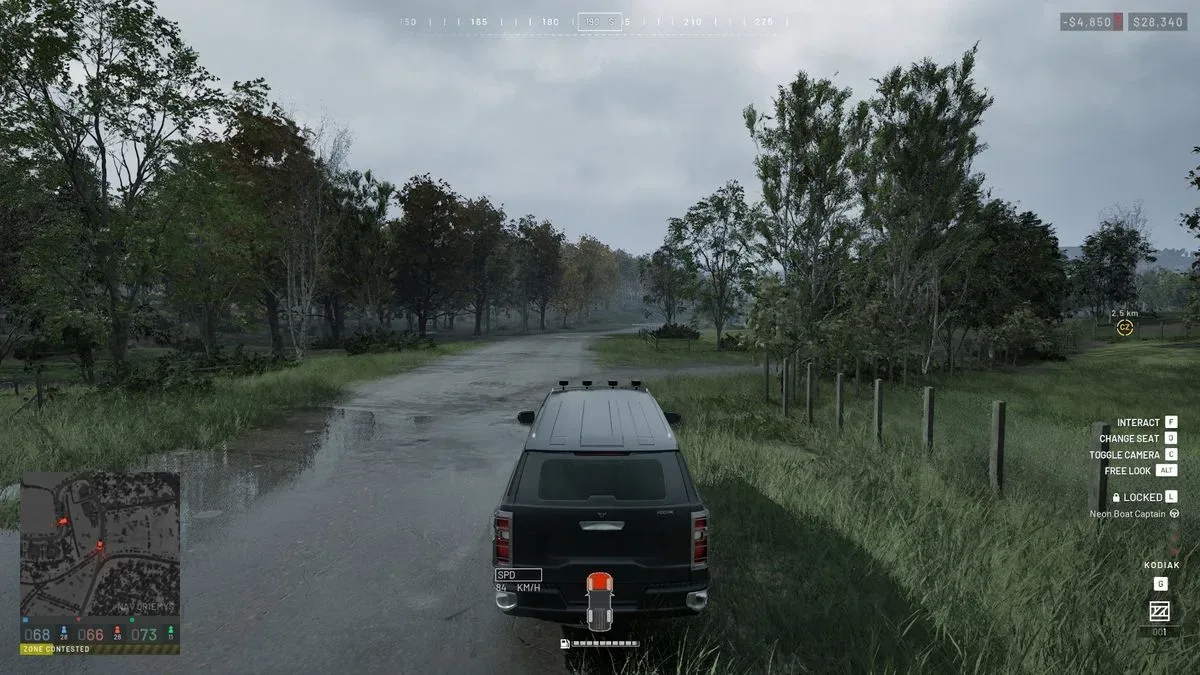
Vehicle controls are another practical concern. On keyboard, vehicles have been described as awkward and prone to a sliding sensation. That is significant because driving and flying are not side novelties in Wardogs; they are among the roles its larger maps encourage. If the control experience makes a truck or helicopter difficult to manage, the people drawn to the game’s logistics premise may face frustration before they reach its intended teamwork payoff.
Linux support is also absent following a change in anti-cheat software, despite earlier playtest builds having been playable by Linux users. Anti-cheat software is designed to detect or prevent unfair modifications and other forms of cheating in online games. It is central to maintaining a competitive multiplayer environment, but compatibility choices can also determine which operating systems can run a game. For affected players, this is not a minor missing setting; it is a barrier to playing the current version at all.
Communication turns a system into a team
Large maps, multistep supply routes and three competing teams make communication particularly valuable. Playing with friends or an organized clan should make role coordination easier, but Wardogs can also reward solo players willing to use a microphone and join open squads. The reported experience with random groups has generally been welcoming, even while acknowledging the occasional bad interaction that comes with public online play.
This social layer is not incidental. A pilot needs passengers to say where they are needed. A truck driver needs a destination and a request for supplies. A recon player needs someone to receive their information. Builders require materials to arrive before they can fortify anything. Wardogs’ systems create reasons to communicate even for players who are not focused on tactical callouts or kill counts.
The game’s current quirks—the uneven three-way split, demanding early loadouts, keyboard vehicle handling and lack of Linux support—make it very much an Early Access proposition. Yet the premise has real clarity. Wardogs wants a multiplayer shooter to acknowledge that wars are sustained by more than the people pulling triggers. Its most distinctive accomplishment may be making the player behind the wheel, on the scope or in the supply truck feel like a first-class participant, with a paycheck to prove it.