The Blood of Dawnwalker is making a strong case that the most dangerous reward in a vampire RPG should not be a bigger claw number. It should be the thing attached to that number.
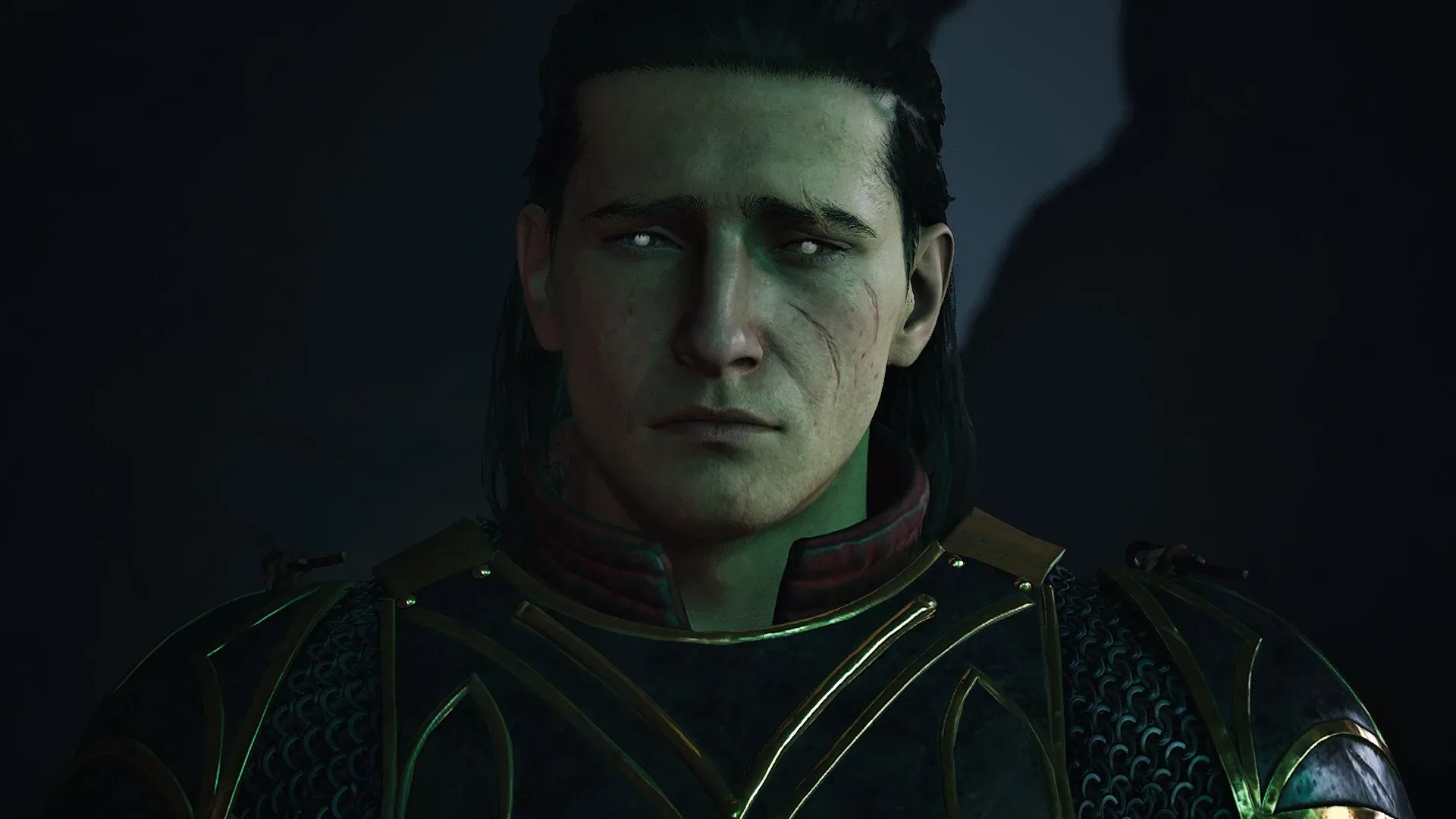
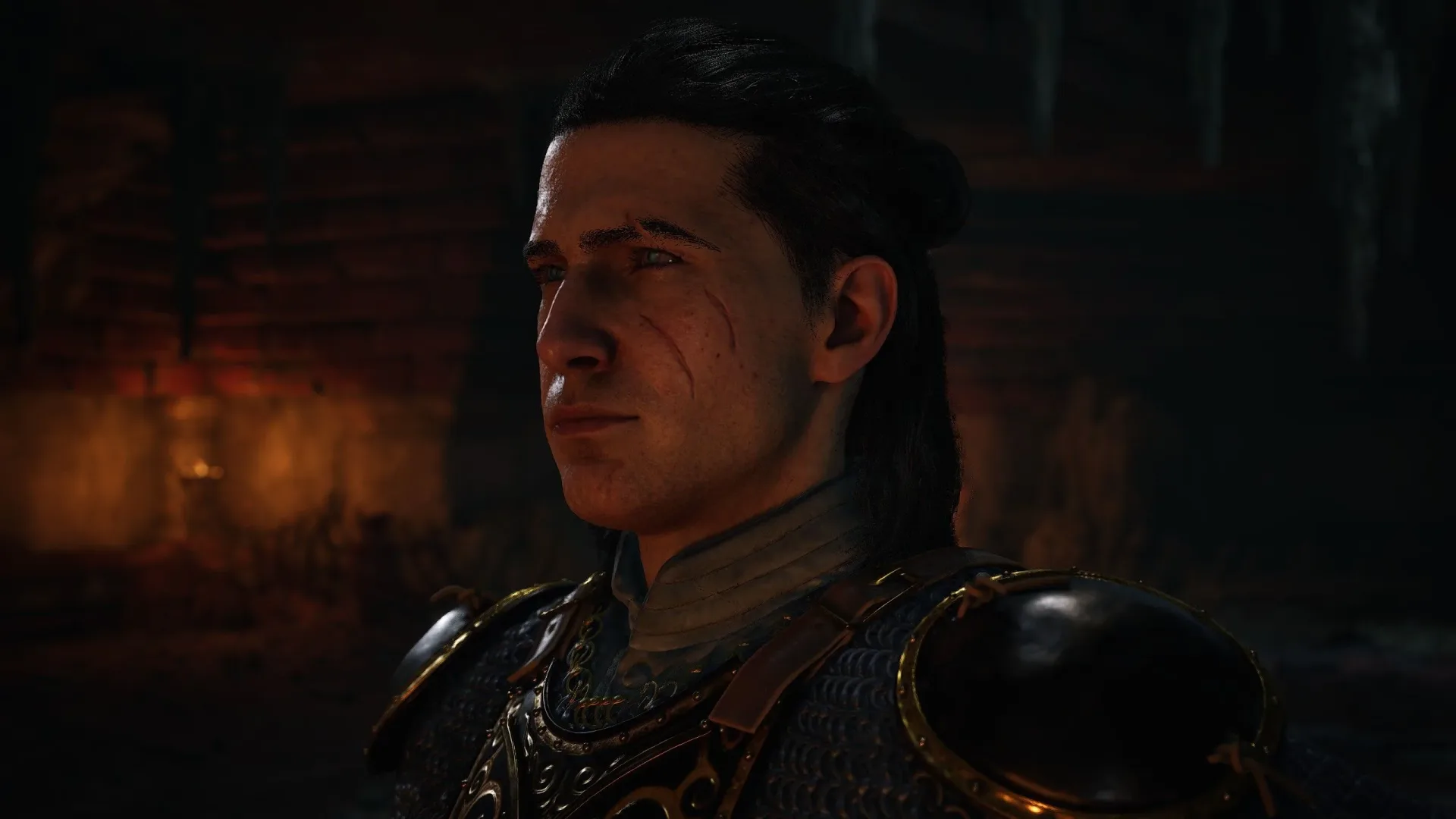
Coen’s journey through Vale Sangora has reached the point where power is arriving quickly, consequences are arriving strangely, and time remains stubbornly finite. The central pressure is simple: Coen has 30 in-game days to save his family from the vampire sire Brencis. The complication is that becoming more capable of confronting Brencis appears to mean leaning ever harder into vampirism—and perhaps opening a door that should stay closed.
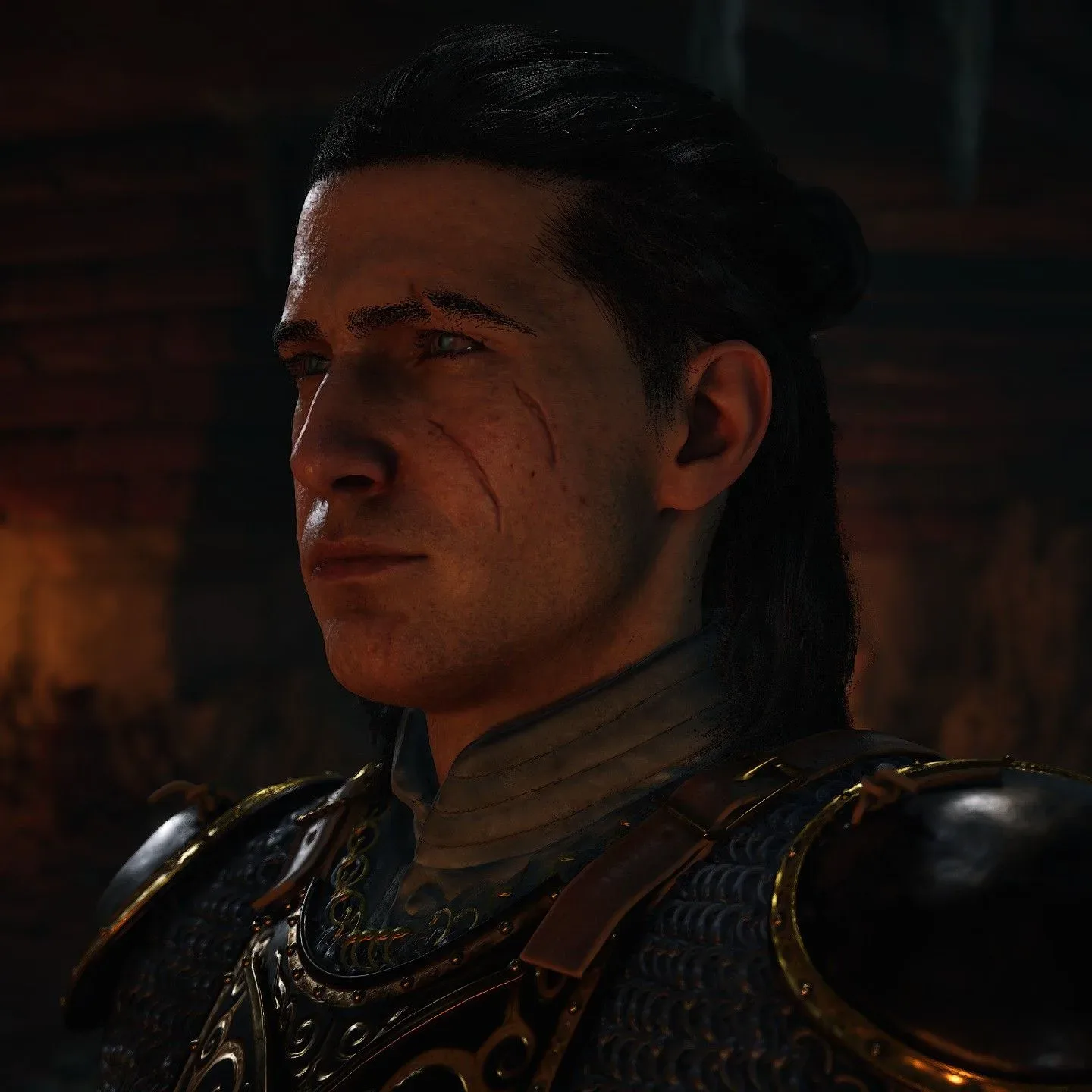
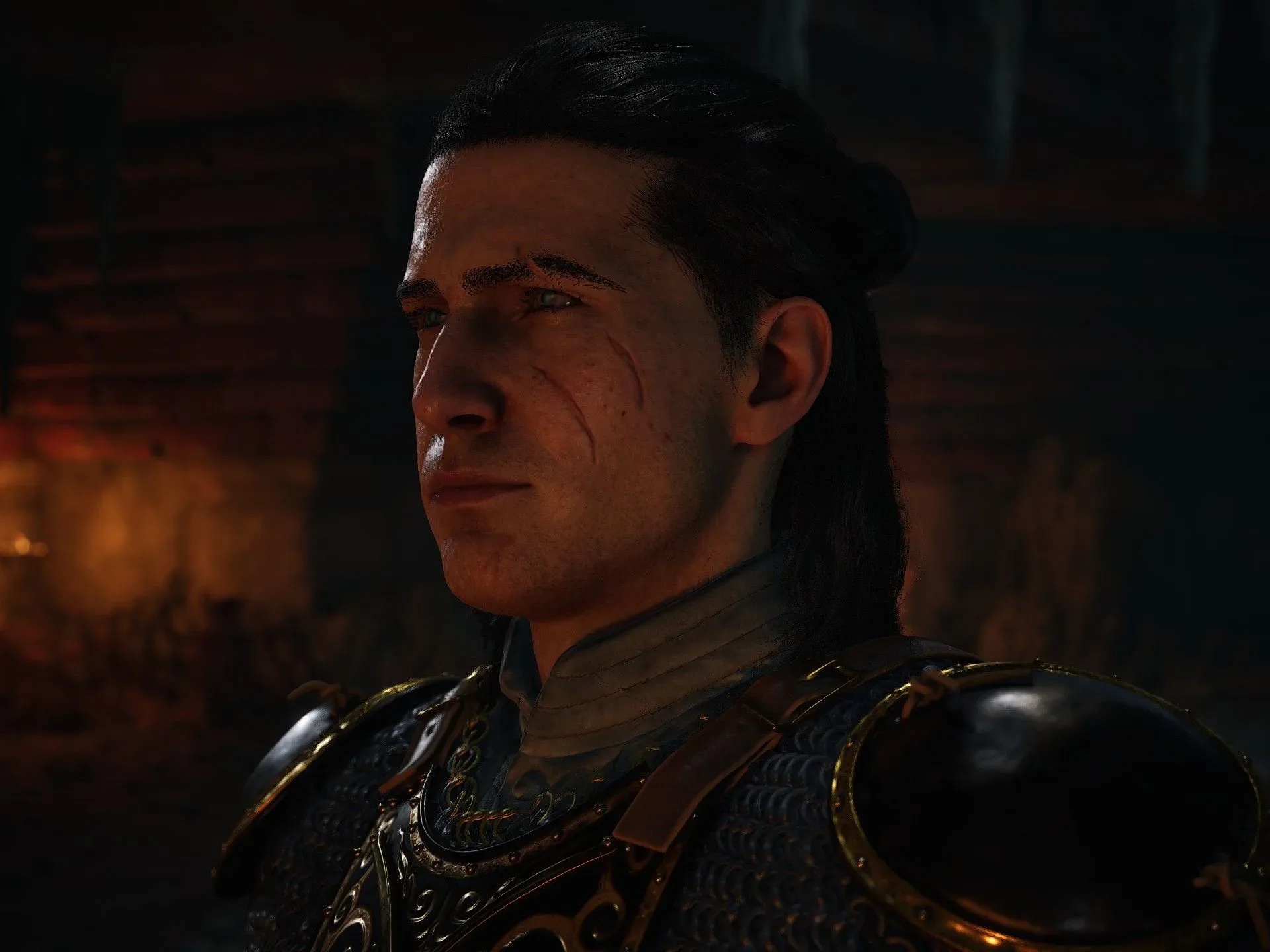
In the latest stretch of the campaign, that bargain becomes much clearer. Coen claims an ancient source of power rather than using it to help his companion Anca, defeats Brencis’ spawn Ambrus, drinks the defeated vampire’s blood, and then agrees to let what seems to be Ambrus’ lingering presence into his mind. The resulting tension is not merely “be good or be evil.” It is more interesting than that: every sensible short-term decision to survive may be feeding a long-term spiritual problem.
A deadline makes every detour a decision
The 30-day rescue limit is the structure holding these events together. A time limit in an RPG is not automatically meaningful; it matters only if travel, investigations, fights and optional objectives visibly consume that resource. Here, searching the mountains for the Font of Life takes a full in-game day. Reaching a village takes a night. Following leads through Svartrau takes another day. Those details turn route planning into part of the story rather than background bookkeeping.
They also make Coen’s choices harder to treat as cleanly heroic. He can investigate threats, aid companions and pursue weapons, but Brencis does not stop becoming formidable while those errands happen. By the time Coen begins working with the Manumit rebels, Brencis still feels out of reach despite the player having already defeated two dangerous Dawnwalkers.
That is a useful distinction between narrative urgency and a countdown that merely decorates a quest log. Narrative urgency is the story’s reason to hurry. In-game urgency is the system actually charging the player for spending time. The events so far suggest that The Blood of Dawnwalker wants both working together.
The campaign is also being approached with self-imposed rules: Duelist difficulty, no reloading saves to undo surprises, and a commitment to accept every opportunity to make Coen a stronger vampire. Those restrictions should not be mistaken for mandatory game rules. They do, however, expose what is compelling about the setup. A playthrough that prioritizes vampiric growth naturally turns morally grey choices into practical ones, while the refusal to reload lets missed opportunities and messy outcomes remain part of the tale.
The Font of Life is a power choice, not a treasure pickup
The Font of Life illustrates that conflict well. Coen and Anca discover it in mountain ruins inhabited by draugr-like undead, amid imagery of ancient blood rituals. The Font promises extraordinary strength, but only contains enough for one person. Anca wants it to heal glyphs carved into her body. Those glyphs give her magic but seemingly allow something from another realm to gain a foothold in her mind and spirit.
Related coverage includes The Blood of Dawnwalker's Vampire Power Comes With a Growing Spiritual Price.
Coen wants the Font for an obvious reason: Brencis is the enemy, his family is running out of time, and direct power improves the odds of getting through the confrontation ahead. Taking it produces a unique perk that passively restores health during the day.
There is an intentionally funny mismatch there. A vampire protagonist benefiting from daytime regeneration is an unusual prize. Yet the perk has a practical role because Coen’s build is heavily invested in vampiric abilities. If daytime is less forgiving for that style of character, a survival tool that works in daylight can cover a weakness rather than intensify an existing strength.
This is the basic logic of a build: the collection of abilities, perks and investments that define how a character deals with combat or exploration. A well-rounded build does not always take the flashiest upgrade. Sometimes it takes the effect that makes the build’s difficult situations manageable. Coen’s Font reward may be less thematically glamorous than a new supernatural attack, but it can matter during daytime engagements.
What prevents the moment from becoming pure optimization is Anca. She accepts Coen’s choice, reasoning that his family’s situation is more pressing, but that does not erase what she gives up. Her glyphs and the recurring references to an encroaching entity mean the Font decision belongs to a larger web of unresolved dangers. Coen gets stronger; Anca’s risk remains.
Ambrus proves that preparation is also a story branch
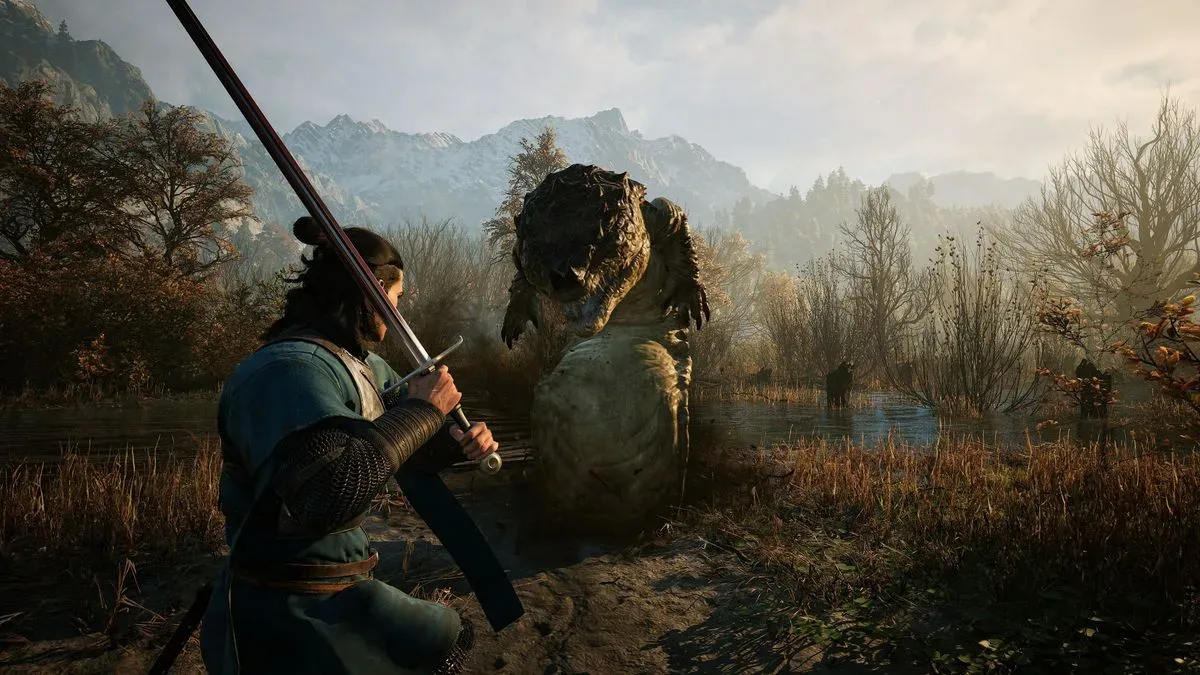
The confrontation with Ambrus demonstrates how small logistical choices can reshape a major fight. After Coen damages Brencis’ blood-tithing operation, Ambrus responds with a nighttime duel and threatens further civilian deaths while Coen refuses the challenge. A servant named Lulian proposes poisoning the blood Ambrus drinks before battle. The ingredients can be gathered in a nearby swamp, but the herbalist connected to the plan has encountered an unseen monster.
Coen collects the materials, then leaves rather than waiting with Lulian until dawn. When he finally answers Ambrus’ challenge, Lulian has vanished. The implication arrives too late: the unresolved swamp threat may have removed the person needed to weaken Ambrus. Rather than arriving compromised, Ambrus has fed on another servant’s blood and enters the encounter at full strength.
That is the kind of failure state that can make a reactive RPG feel alive. Nothing described here suggests a simple binary of “quest complete” or “quest failed.” Coen did part of the work, but failed to see the chain of dependency. The result changes the circumstances of the duel instead of erasing it.
Ambrus fights with shadow-steps and sword thrusts, creating an unpleasant mirror image of Coen’s own vampire mobility. Shadow-step here refers to a rapid supernatural repositioning ability: its threat comes from breaking normal spacing, letting a foe appear where an attack or defense was not expected. On Duelist difficulty, where even basic combat calls for precise responses, that mobility makes the duel an endurance test of parries, timing and positioning.
Coen ultimately wins through that precision and his deep investment in the vampire skill tree. But the decisive post-fight choice carries more weight than the combat itself. Drinking Ambrus’ blood makes sense for a protagonist determined to increase his vampiric potential. Then the blood triggers a vision: Ambrus, apparently in another realm, begs Coen to invite him in before the same unseen presence feared by Anca claims him.
Coen agrees. When the vision ends, Ambrus is not simply dead, defeated or redeemed. He is a chatty permanent passenger in Coen’s mind.
This is where vampiric progression becomes a debt. A corruption system generally means that gaining supernatural strength is linked to a growing cost, whether mechanical, narrative or both. Earlier fatal feedings had already raised Coen’s vampiric corruption to unlock higher-tier perks. Ambrus’ arrival makes the cost feel more personal. The game is not only tracking a meter; it is putting an individual connected to the enemy court inside the protagonist’s head.
Svartrau widens the mystery—and repeats the warning
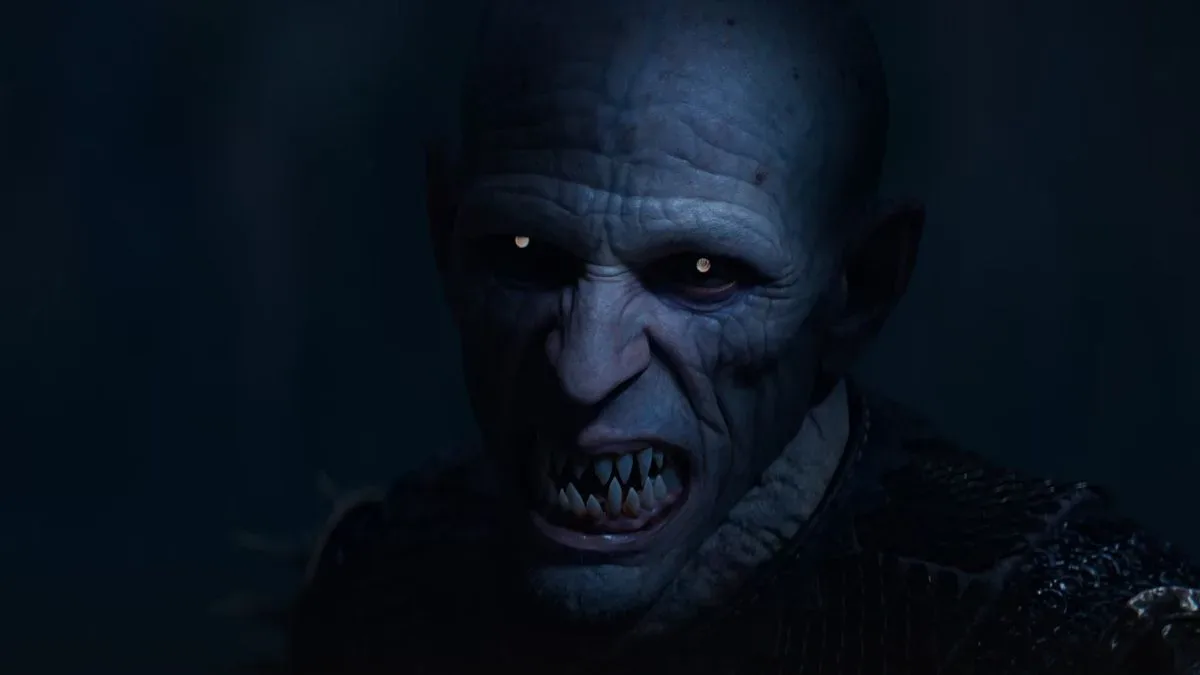
Ambrus immediately becomes useful in Svartrau, tipping Coen off about Lacra, another of Brencis’ spawn who opposes him. Lacra is found interrogating a hulking uriashi soldier, and Coen persuades the captive to reveal the location of his village. That lead points toward Isbrand, Brencis’ own sire.
At the same time, Coen investigates the cathedral in search of Saint Mihai’s sword, believed to be potent against undead foes. The trail through conversations with cathedral-goers leads to hidden catacombs and Mihai’s tomb. The supposed saint turns out to be a living, if deeply angry, Dawnwalker like Coen.
Mihai is defeated, directs Coen toward his shattered sword, and offers the same warning heard through Anca and Ambrus: something is waiting beyond the ordinary world. Repetition matters here. Any one character might be unreliable, frightened or manipulating Coen. Three separate characters pointing at the same wider danger makes it a credible central concern, even though its exact nature remains unknown.
Coen’s ability to transform into a dog helps him make an all-night dash to Lacra and the uriashi village. The pair locate Isbrand imprisoned in a cave, where kobolds are consuming his regenerating flesh. After clearing the way, they move Brencis’ sire to ruins so healing can begin.
The family tree is getting wonderfully inconvenient. Coen’s vampire enemy has a sire, and that sire is now someone Coen has rescued. In a story about bloodlines and vampiric inheritance, that is unlikely to stay a tidy side objective.
Mercy, reputation and a threat beneath the city
Not every choice goes Coen’s way. When sent back to Svartrau to find the uriashi elder’s daughter, Ocha, Coen untangles her trouble with the city’s criminal underworld. He ultimately kills a crime boss Ocha had hoped to handle non-lethally. Ocha does not return home, instead choosing to go adventuring, though her mother still supplies the information that points Coen to Isbrand.
That outcome is another reminder that helping is not identical to controlling the result. Coen reaches a resolution, but not the one requested. For a role-playing game built around time pressure and consequences, this kind of imperfect success can be more valuable than a clean morality score. It preserves the fact that other characters have priorities of their own.
Coen’s attacks on Brencis’ interests have also raised his standing with the vampire court to “notorious,” opening cooperation with the Manumit rebels. Reputation in this context is a measure of how a faction perceives the player’s actions; it can gate conversations, alliances or mission paths. Here, notoriety has a double edge. Brencis’ forces know Coen is a problem, but the resistance now sees enough proof to work with him.
The rebels’ first concern is grim: a destroyed unit in Svartrau’s plague-devastated slums. The answer is a human transformed into a clay-baked, golem-like creature of grafted flesh and blades. This discovery shifts the immediate stakes. Brencis’ court is not only defended by individual vampires and ordinary soldiers; some unknown process may be producing monstrous weapons beneath the city.
That investigation is the next priority, alongside aiding the Manumit rebels and challenging more of Brencis’ court. With the rescue deadline entering its penultimate week, Coen has plenty of leads and no obvious surplus of time.
For now, the strongest thread is the one that cannot be solved by sharper parries or another perk: whether the path to defeating Brencis is gradually making Coen into a vessel for the very force everyone else fears. Progression systems often ask players to accept a drawback in exchange for power. The Blood of Dawnwalker is giving that bargain a face, a voice and a seat inside the protagonist’s skull.
For more on how RPG progression priorities can shape a playstyle, see our look at the ongoing Solo Self-Found discussion around Diablo 4.