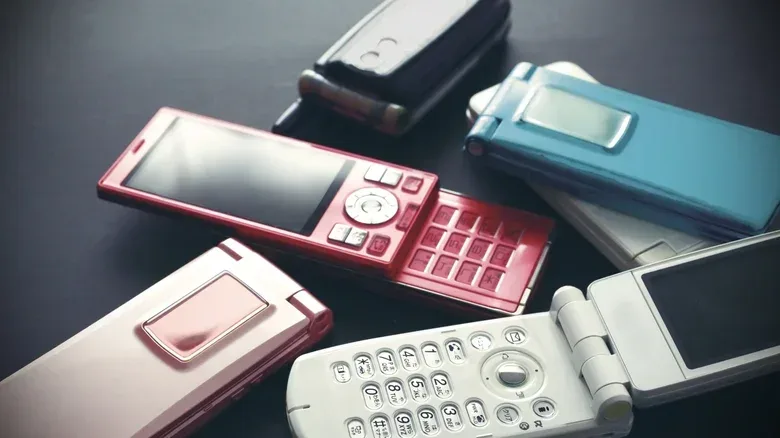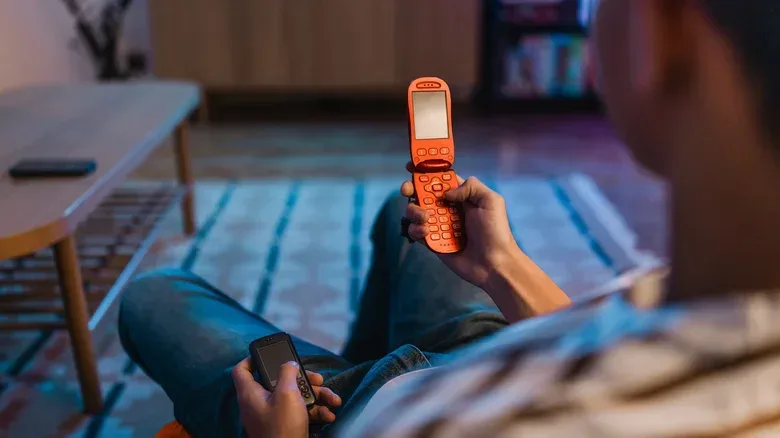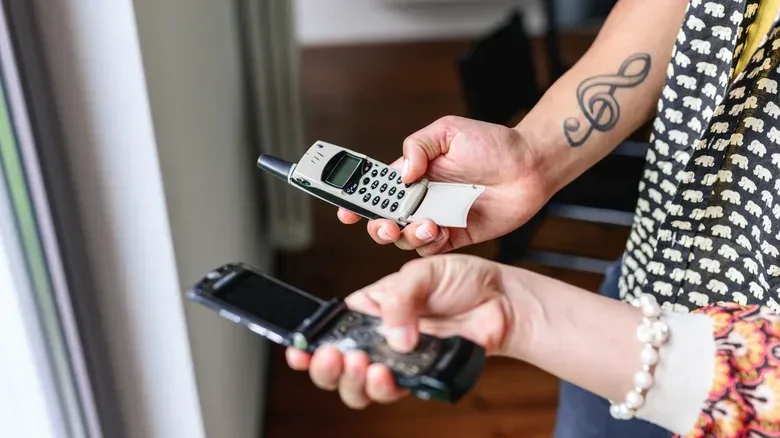
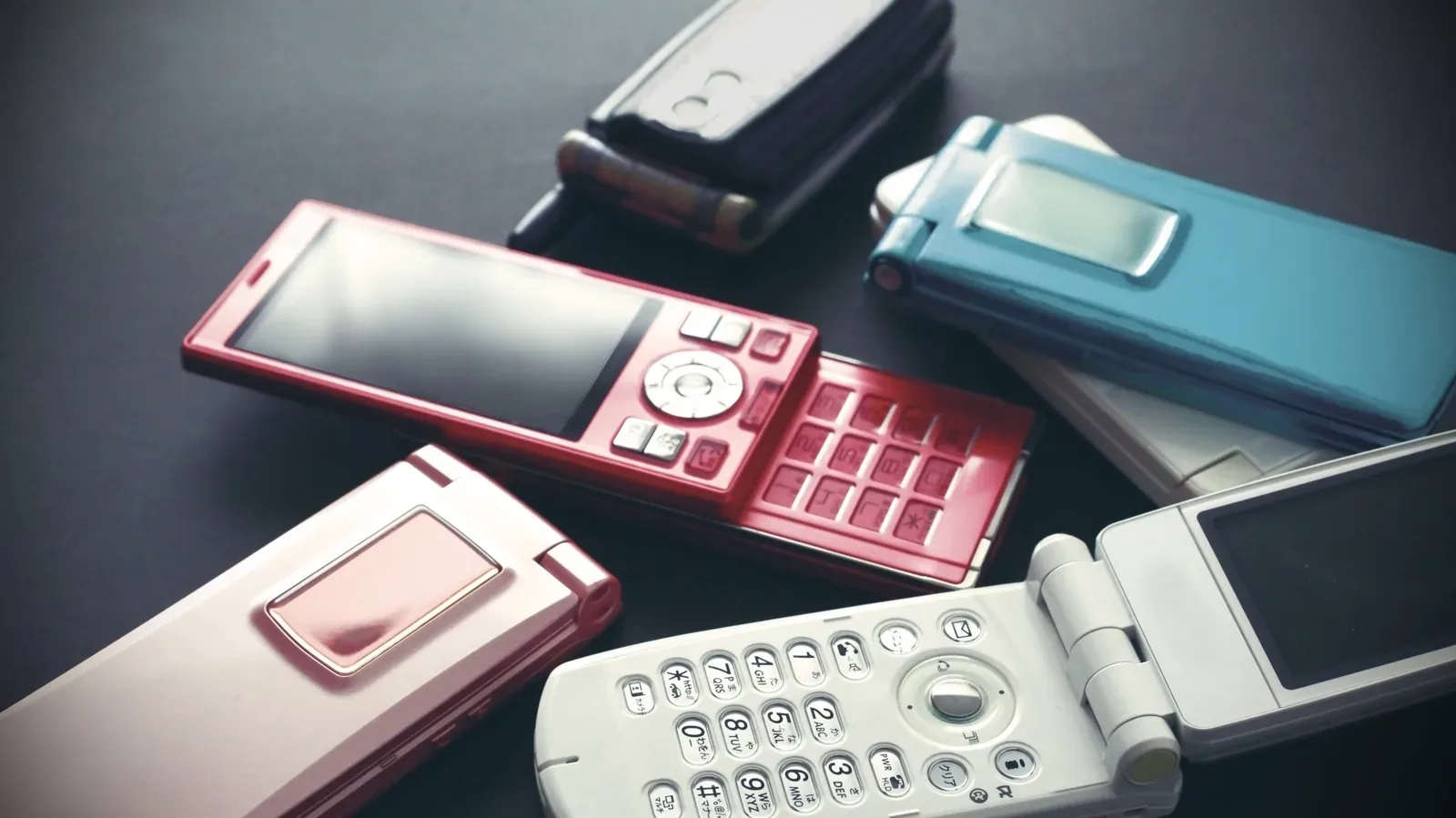
The electronics drawer is where technology goes to await either a second act or a very slow, very dusty retirement. Old flip phones are frequent residents: compact relics from an era when a phone could survive a pocket without demanding a charger, a password reset, and an operating-system update before breakfast.
But an older handset does not have to be treated as instant junk merely because it lacks the features of a current smartphone. It can still fill a narrowly useful role. The strongest options are practical rather than nostalgic: keep it as a dedicated emergency phone, use it as a backup “dumbphone” for situations where losing or damaging a smartphone would be especially annoying, or send it toward a donation or recycling program that can put it to use or process it appropriately.
That choice has a broader consequence beyond winning the annual battle against cable tangles. The United Nations’ e-waste monitoring found that an estimated 62 million tons of electronics were discarded in 2022, an 82% rise over the preceding decade. Annual e-waste is projected to rise another 32% by 2030. Less than one-quarter of global electronic waste is correctly processed. Electronics contain non-biodegradable materials and toxic chemicals, meaning an unwanted phone should not automatically be treated like ordinary household trash.
In other words, the clamshell in the drawer may not be a priceless gaming artifact. It can still avoid becoming part of a much less charming global pile of obsolete hardware.
First, decide whether the phone has a job
A useful way to sort an old flip phone is to ask one question: does it solve a specific problem that another device does not solve as well? If the answer is yes, keeping it is reasonable. If it has no role beyond occupying the drawer, donation or recycling may be the better outcome.
Its limitations are also what give it a purpose. A flip phone is often a simpler communications device than a smartphone, with fewer advanced functions competing for battery life and attention. That makes it a candidate for a narrowly defined backup role. “Dumbphone,” in this context, is simply an informal term for a basic phone used principally for calling and texting rather than for the broad app, web, camera, and entertainment functions associated with a smartphone. It is not a statement that the device is useless; its appeal is doing less, deliberately.
For people with a game library, a handheld, a laptop, chargers and accessory cables already competing for space, assigning a single role is also a good decluttering rule. A device kept for an emergency kit is different from a device kept because it might someday be useful in a hypothetical scenario involving a beach, a forgotten bag and a suspiciously determined seagull.
Role one: an emergency 911 handset
An old phone can be included in a household emergency-response kit. In the United States, cellular phones can call 911 even without active carrier service. That means an unused flip phone does not need an active SIM card or a paid plan to have potential value as a route to emergency services.
A SIM card is the small card associated with cellular service and a subscriber account. A phone without active service may still be able to place a 911 call, but it should not be mistaken for a fully functioning everyday phone. For ordinary calls, texts, and regular mobile service, a SIM arrangement is still relevant.
There is an important limitation to understand before relying on a SIM-less device. With an uninitialized phone, 911 dispatchers may not receive essential location details, including the address from which the call was made. They also may not be able to call back if the connection drops. That changes how a caller should approach the situation: communicate the location clearly and early, and do not assume a disconnected call can be resumed by the dispatcher.
For this purpose, the phone should be charged, switched off when stored, and kept somewhere readily accessible. A dead phone buried beneath old instruction manuals is less an emergency tool than an escape-room prop. The value lies in preparedness: a charged device placed where members of the household can find it when needed.
What this option does—and does not—mean
- It does mean the phone can provide a no-active-plan pathway to 911 in the United States.
- It does mean keeping the handset charged and accessible matters.
- It does not mean location information will necessarily reach dispatchers from an uninitialized device.
- It does not mean a dispatcher will be able to return a call that disconnects.
Those caveats do not erase the use case. They define it. The phone can be a fallback, but a fallback works best when everyone understands its boundaries.
Role two: the low-stakes backup phone
A second use is as a backup phone for places and activities where a primary smartphone faces higher odds of damage, loss, or theft. Water sports, fishing trips and beach days are obvious examples. So are overnight camping trips, where longer battery life can be especially helpful. The premise is refreshingly uncomplicated: take the device you would be less upset to lose.
Travel can make the same calculation sensible. Crowded cities and major events create conditions where a phone can disappear, whether through theft, a misplaced bag, or plain bad luck. A basic backup handset can reduce the risk of carrying a more valuable primary device everywhere. For travel or day-to-day use as a real communications phone, however, a SIM card must be swapped in as needed.
This is a practical distinction from the emergency-kit setup. The emergency phone can remain a dedicated 911 option without active service. A travel or outdoor backup is meant to handle ordinary calls and messages, so it needs cellular service through a SIM card. Treating these as two separate jobs avoids the classic gadget-drawer mistake: assuming one neglected item is prepared for every imaginable situation.
There is also a lifestyle angle for anyone trying to make a weekend, a camping trip, or an event less phone-dominated. A basic handset can preserve communication while removing the expectation that every spare minute must become a scrolling session. That is analysis rather than a guarantee—an old phone cannot fix anyone’s habits by itself—but a device designed for fewer tasks naturally offers fewer digital detours.
For tech that will be stored between occasional uses, battery condition is worth considering as part of the broader storage plan. Our guide to storing a laptop safely for weeks or months explores the same underlying lesson: hardware is more useful when it is maintained with its eventual purpose in mind, rather than forgotten until the moment of need.
Donation can make the phone more useful to someone else
If the phone does not fit a real role at home, donation programs offer a more purposeful exit than leaving it in storage indefinitely. Several organizations repurpose used phones to support people who need reliable communication or access to emergency services.
Secure The Call provides free 911 emergency phones and tablets to domestic-violence survivors, senior citizens, and other high-risk communities. The organization has delivered more than 50,000 cellphones to people in need. Other national options named for phone donation include More Than A Phone, the 911CellPhoneBank, and Verizon’s HopeLine program, available through local Verizon stores.
Cell Phones For Soldiers is another route with a different mission. It provides no-cost communication tools and emergency assistance to veterans and active-duty military personnel. Its Minutes That Matter program has delivered 8 million prepaid calling cards to active-duty service members overseas. The nonprofit began providing phones to homeless and low-income veterans in 2024; over two years, it delivered 14,500 phones to veterans who could use them to contact essential services, family, friends, and potential employers.
The practical implication is straightforward: a phone that is inconvenient as a modern personal device may still be capable of helping someone connect in circumstances where a phone is not a luxury. The deciding factor is not whether the model is exciting. It is whether the receiving program can use it.
When recycling is the better side quest
Not every phone is a good candidate for reuse. Recycling is the more appropriate route when a device is no longer wanted or cannot serve a meaningful role. National organizations including The Salvation Army and Goodwill assist with recycling used phones and unwanted gadgets, while Best Buy and Staples also offer recycling programs.
Two search tools can reduce the friction of finding a destination. The Consumer Technology Association’s GreenerGadgets resource allows users to search by ZIP code and device type for nearby electronics recycling locations, along with mail-back and repair programs. Earth911 provides a similar search function for donation centers.
That matters because “recycling” is not simply another word for tossing something into a bin and hoping for the best. Proper processing is the issue. With less than a quarter of global electronic waste correctly processed, a designated program is a more responsible handoff than ordinary disposal. The material scale is substantial, and the environmental stakes are real: improperly handled e-waste can threaten air, water, and soil.
A short decision tree for the drawer raid
- Choose a concrete use. Emergency kit, outdoor backup, and travel backup are distinct roles. Keep the phone only if one of them genuinely fits.
- Match the setup to the role. A U.S. emergency handset may call 911 without active carrier service; a phone intended for ordinary calls and messages needs a SIM card swapped in as needed.
- Plan for the limits of an emergency-only phone. Give the location clearly during a 911 call, because an uninitialized device may not send dispatchers the address, and they may not be able to call back after a disconnection.
- Keep a retained emergency device charged, off, and reachable. Its usefulness depends on being ready rather than merely owned.
- Donate if another person or program can benefit. Programs supporting high-risk communities, veterans, and service members provide possible paths.
- Recycle through an appropriate program when reuse does not make sense. Search tools and participating retailers can help identify a nearby option.
An old flip phone does not need to earn a place in a display case to deserve a decision. Give it an emergency role, make it the expendable travel companion, pass it to a program that can repurpose it, or recycle it through a suitable channel. Any of those choices beats letting it sit in the drawer forever, silently gathering dust and plotting its inevitable return during the next cleaning session.