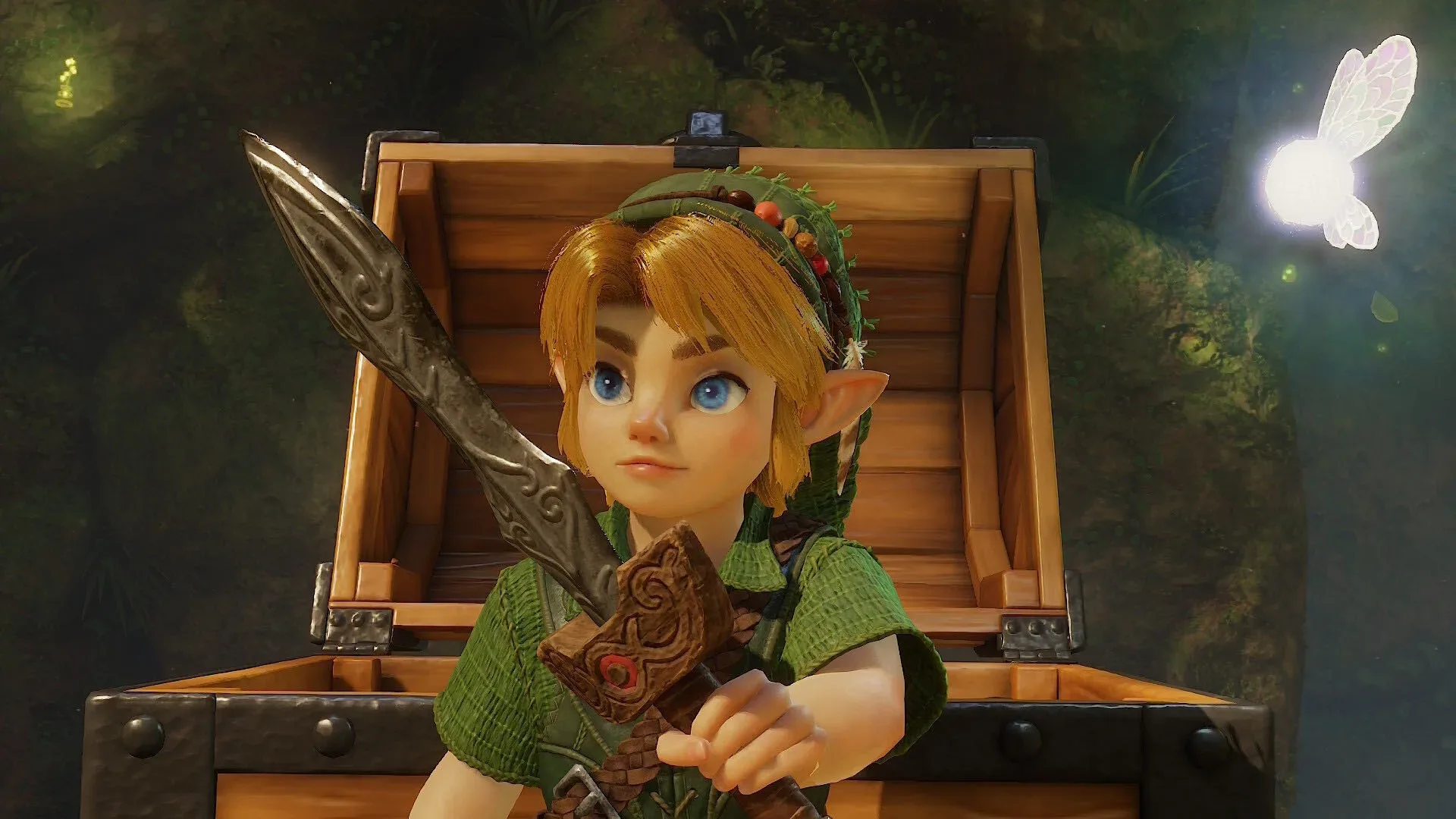
There is a peculiar burden attached to disliking The Legend of Zelda: Ocarina of Time. It is not enough simply to prefer another Zelda game. Once a work has become a foundational point of reference for an entire medium, saying “this one is not for me” can feel like admitting you have failed an exam everyone else took decades ago.
That pressure is exactly what makes a committedly petty anti-Ocarina stance so entertaining. A recent hater’s guide approaches the game with the correct amount of theatrical stubbornness: it acknowledges that the remake is good, recognizes the emotional force it can have for people who grew up with it, and still refuses to surrender an inch of ground. The preferred alternative is Majora’s Mask, held up as Zelda’s stranger, darker and more singular cousin.
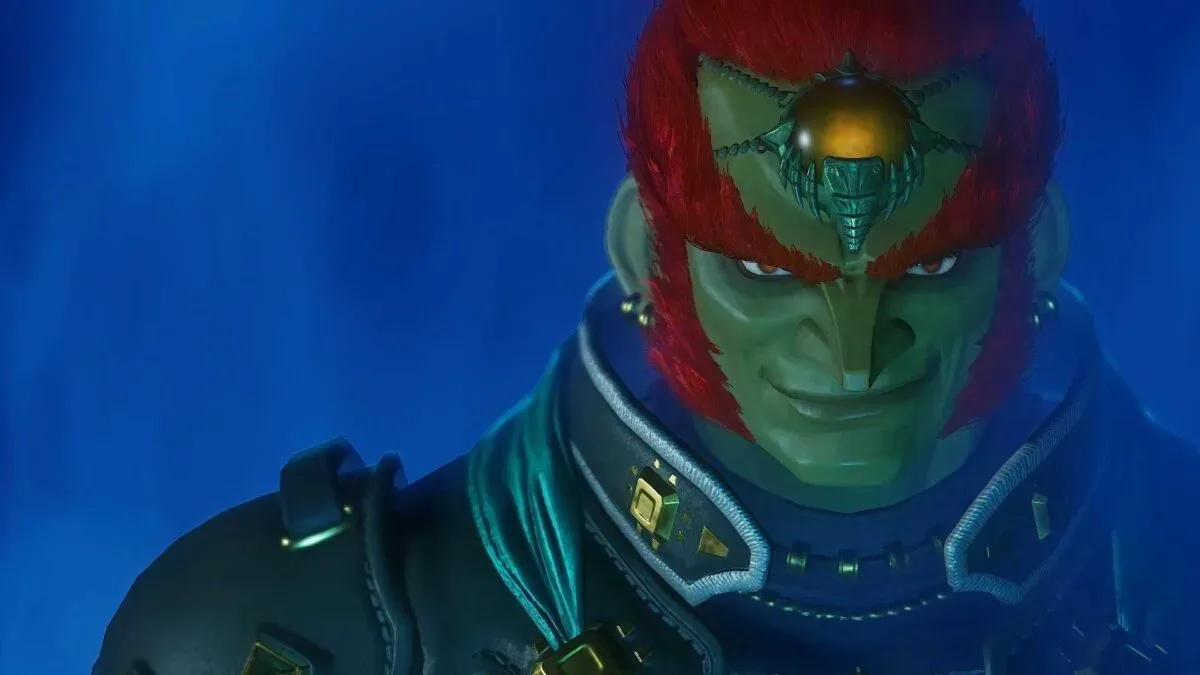
This is not a serious attempt to revoke Ocarina of Time’s place in gaming history. It is something more useful: permission to separate historical importance from personal attachment. A game can provide a blueprint for later adventures, impress people who encounter it in its original moment, and still leave another player cold — or, in this case, leave them intensely preoccupied with the anatomical shortcomings of Ganondorf.
The strongest anti-Ocarina argument starts by conceding its strengths
The guide’s central joke works because it does not pretend Ocarina of Time is incompetent. Quite the opposite. It accepts that the game was influential, that it helped establish approaches later Zelda games and other adventures would follow, and that its updated visuals and music can strike an intensely nostalgic chord. Those are meaningful accomplishments, not inconvenient details to be ignored in pursuit of a hot take.
But influence is not the same as universal preference. “Foundational” describes how a work relates to what followed it; it does not obligate every person to have the same emotional reaction. Players who arrived after years of games built on similar ideas may encounter Ocarina differently from players who watched those ideas take shape in the late 1990s. The surprise has already been absorbed into the language of games they know.
That distinction matters because nostalgia is not merely an irrational bias to be dismissed. It is context. For some, returning to Hyrule means reconnecting with a formative memory, familiar music and an adventure that once seemed enormous. For someone without that memory, the same game can be judged mostly on its present-tense texture: how its characters look, how its story beats land, and whether its particular version of fantasy resonates.
Neither response invalidates the other. In fact, the guide gets sharper by granting that a remake can make the original game’s appeal easier to understand without converting every skeptical player. Appreciation and affection are different verbs. One can appreciate the achievement while affectionately reserving all one’s devotion for the game with the moon, the masks and the existential dread.
Why Majora’s Mask makes such a persuasive rival
The case for Majora’s Mask here is not built on a checklist of technical victories. It is a matter of identity. The game is characterized as weird, dark and soulful — qualities that make it feel distinct even after almost three decades. Where Ocarina of Time is often treated as a shared reference point, Majora’s Mask is framed as a work that still resists easy replacement.
Related coverage includes Why It's Still Fun to Be an Ocarina of Time Hater.
That is a valuable way to talk about sequels and follow-ups. The most influential entry in a series is not always the one that feels most personal. Sometimes the successor has the freedom to be more specific, more uncomfortable or more eccentric because another game already laid down the broad vocabulary. A player may admire the template while preferring the oddball variation that takes bigger emotional swings.
There is also a practical lesson for Zelda conversations: ranking games as though they are competing for one permanent crown tends to flatten what makes each one worth discussing. A person can believe Ocarina of Time is historically monumental and still prefer Majora’s Mask’s atmosphere. They can even believe the latter deserves more attention without arguing that the former deserves none. For more Zelda continuity context, Nintendo’s evolving chronology has also been part of the conversation around the series’ long view in the placement of the Great Calamity relative to Breath of the Wild.
A deliberately unserious grievance docket
Once the guide has made its sincere concession, it gets to the real business: absurd objections delivered with courtroom confidence. These are not mechanical critiques or an attempt to litigate design choices. They are the kind of hyper-specific complaints that emerge when a player has spent enough time with a beloved series to notice every tiny visual oddity and decide it is now an unforgivable crime.
- The Skulltula objection: Large Skulltulas are deemed too frightening once rendered with greater visual clarity. The argument is not that they should be less spider-like in principle; it is that the softer, blurrier Nintendo 64 presentation created a more comfortable distance. Technical fidelity, the complaint suggests, has limits when it makes a fantasy arachnid feel too present.
- The Zora confectionery problem: The Zora are accused of looking oddly rubbery, with a resemblance to gummy candy. This is not a conventional art-direction note, but it does capture a real response to stylized character models: texture and material can matter as much as shape, and sometimes a design crosses an invisible line from aquatic to snackable.
- The Ruto carrying dispute: Princess Ruto’s question of whether she is “just a weight” is met with an emphatic yes, on the grounds that Link has literally been made to carry her. It is a wonderfully literal answer to dramatic dialogue — and a reminder that gameplay tasks can alter how players hear a scene’s emotional framing.
- The pony-access campaign: Young Link, the guide insists, should be allowed to ride a pony. This is less a documented feature request than a demand for age-appropriate equestrian equality. Still, it conveys the hater’s larger approach: find a detail that cannot possibly matter, then treat it as a scandal.
- The Mido resemblance: Mido is said to resemble Will Poulter. No evidence is presented, no comparison chart is supplied, and none is needed. These are the observations that lodge in the brain and make every later encounter with a character feel slightly derailed.
- The red-eye logistics question: Sheik’s red eyes prompt a deadpan inquiry into whether Hyrule possesses contact-lens technology. Fantasy settings are full of mysteries, but selective realism remains one of fandom’s most durable comic tools: accept magic, question optometry.
- The Rauru disappointment: Rauru’s failure to be a “hot goat man” is offered without further explanation. That restraint is wise. Some grievances are most powerful when left in their mysterious, unappealable form.
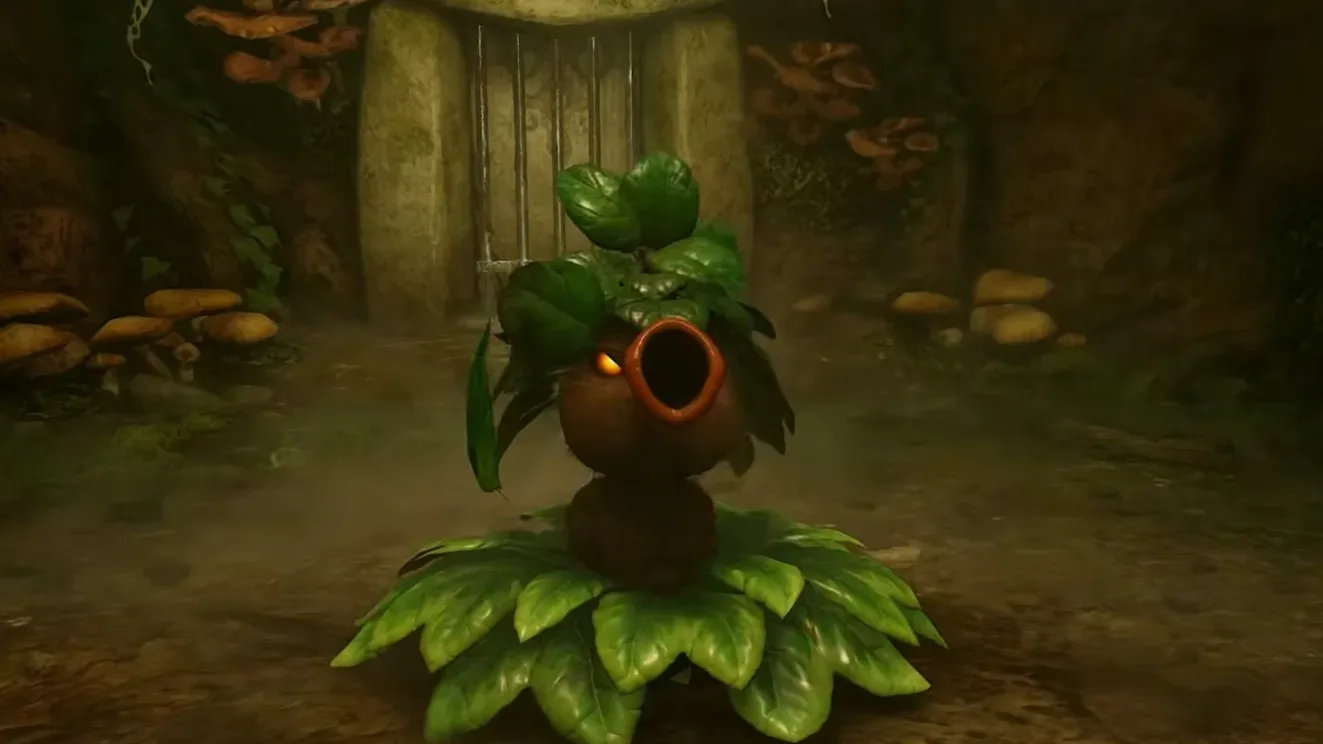
Other targets include Skull Kids, the Happy Mask Salesman and Ganondorf himself. The latter is criticized in a way that is blunt enough to require no elaboration. The point of the list is not coherence. It is the pleasure of recognizing that a game can be culturally sacred and still contain a dozen tiny details that make one particular player say, “Absolutely not.”
What “hater” means in a healthy fandom
In this context, “hater” is a comic role, not a refusal to engage. The guide’s speaker played the remake, admitted it was good, and spent time considering why its admirers respond to it so strongly. That is much closer to criticism than reflexive dismissal. The joke lands because the animosity is built on familiarity and because the affection for another game is clear.
There is a useful distinction here. Bad-faith contrarianism rejects praise without listening to the reasons behind it. Playful dissent listens, understands and then chooses to complain that a character looks too edible. The former shuts down discussion; the latter gives people something specific — however ridiculous — to volley back and forth.
For players, that can be a better way to approach canonical games generally. Do not feel required to manufacture awe just because a title is frequently called essential. Give it a fair reading on its own terms. Notice what it pioneered, if that history is available to you. Pay attention to what works in the version you are actually playing. Then allow your own taste to remain intact.
Maybe the emotional pull is immediate. Maybe the famous music does nothing for you. Maybe the monsters are a little too realistic, the Zora are too much like confectionery, or the plot has made you question Hyrule’s supply chain for eye care. None of that erases the game’s achievements. Nor do those achievements erase your right to root for its peculiar, haunted follow-up.
Ocarina of Time can remain a landmark. Majora’s Mask can remain the favorite. And the rest of us can enjoy the rare criticism that understands reverence well enough to make irreverence funny.