Hellraiser: Revival is not built to reassure anyone. Its premise places Aidan Lynch on a mission to save his girlfriend, Sunny, from the extra-dimensional Cenobites, but the route there is lined with the franchise’s familiar refusal to separate pleasure from pain, devotion from mutilation, or spectacle from revulsion. That is the point. Saber Interactive’s action game appears willing to be alienating in ways big-budget games increasingly avoid.
This is not simply a matter of putting more blood on screen. Hellraiser has always made physical horror inseparable from a worldview: the Cenobites do not fit cleanly into the role of ordinary movie monsters, and their victims are often drawn toward them by curiosity, desire, obsession or faith. Revival reportedly embraces that uncomfortable inheritance through a cult that mistakes self-harm and ritual degradation for a path to Cenobite approval, alongside the franchise’s otherworldly mythology and its elaborate puzzle-box logic.
The result sounds intentionally excessive. It is also a potentially meaningful example of a high-profile game declining the safest possible version of itself.
A Hellraiser game should not be tidy
Clive Barker’s 1986 novella The Hellbound Heart supplied the foundation for a horror series that has never been especially interested in polite boundaries. Its most enduring idea is not merely that pain can be frightening. It is that sensation, desire and bodily autonomy can become horrifying when pushed beyond recognition. The Cenobites embody that premise: they are not conventional slasher villains, but transformed figures whose morality and appetite sit outside human comfort.
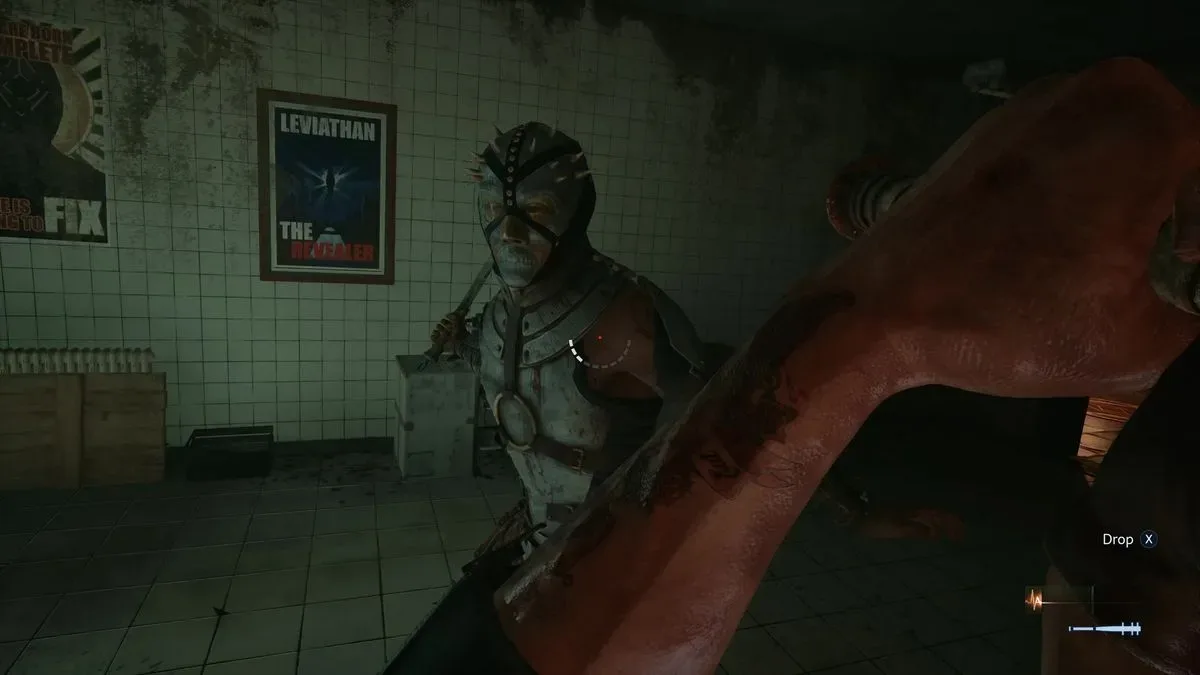
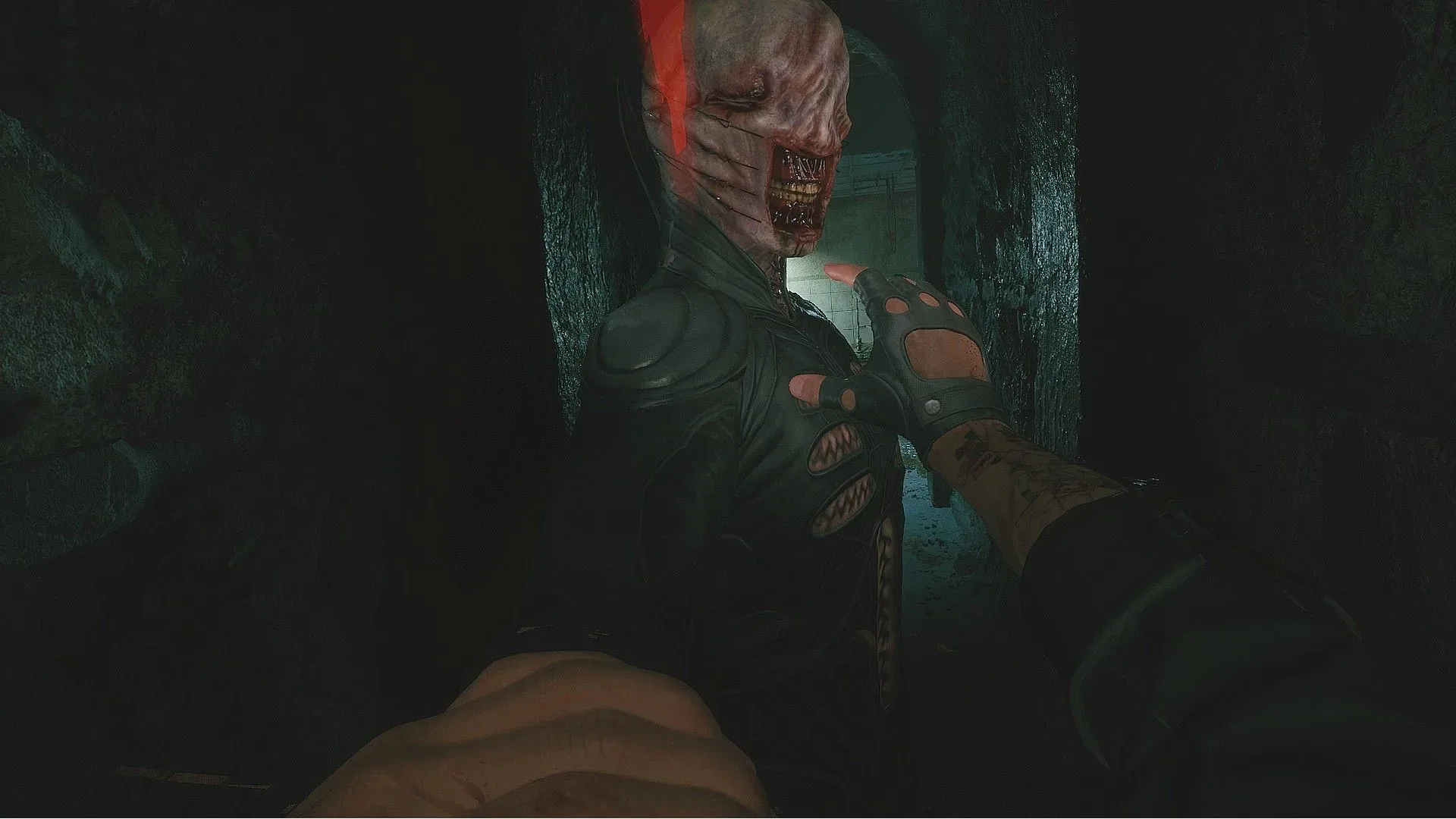
Revival’s setup is rooted in that material. Aidan is pursuing Sunny while facing the Cenobites, including Pinhead, voiced by Doug Bradley, who played the character in the original films. The game also draws on the dense supernatural and science-fiction framework associated with Hellbound: Hellraiser II, including Leviathan and a new puzzle box called the Genesis Configuration.
That emphasis matters because adaptation can easily turn a strange property into a recognizable but flattened brand. A Hellraiser game could borrow the name, put a puzzle box in a menu, add chains to combat arenas and otherwise function as generic horror action. Revival instead appears to be leaning into the details that make the property difficult to package: vulnerability, fetishistic imagery, bodily corruption and characters who misunderstand suffering as spiritual achievement.
Clive Barker was described in 2025 by executive producer Nenad Tomic as having been deeply involved from the project’s beginning. There is no need to treat creative involvement as an automatic seal of quality, but it helps explain why the game’s apparent approach seems less interested in sanding down the franchise’s extreme edges. Hellraiser without discomfort would be a peculiar proposition. The discomfort is not a decorative layer; it is the language of the fiction.
Body horror is more than graphic imagery
Body horror is often used as a shorthand for gore, but the term means more than blood or anatomical detail. It describes horror rooted in the body becoming unstable: altered, exposed, invaded, broken down or made unfamiliar. The fear comes from a collapse of the line between a person and something that treats the person as raw material.
Related coverage includes Hellraiser: Revival Embraces Body Horror Without Chasing Mass Appeal.
By that definition, the grisly imagery reported in Revival is not just meant to produce a flinch. Curved needles, ritualized surgical transformations, human forms turned into objects, and a cult treating mutilation as devotion all support an idea central to Hellraiser: bodies are sites of both craving and terror. The game does not appear to pause dramatically after every gruesome sight with an instruction to be shocked. Its horrors are presented as part of the world’s texture.
That restraint can be more unnerving than a score that dictates every reaction. When a work does not insist that the audience scream, it leaves space for a more complicated response: disgust, curiosity, disbelief, recognition, even dark amusement. Barker’s fiction has long carried this strange mix of blunt grotesquerie and matter-of-fact energy. Revival’s approach, as described, seems closer to that tradition than to a haunted-house ride that treats gore as a jump-scare accessory.
It also gives the cultists a role beyond disposable enemies. Their belief that pain will earn them attention from the Cenobites is tragically misguided. In Hellraiser’s cosmology, wanting to be chosen does not mean one understands what the choice entails. The gap between devotion and comprehension is a useful horror engine: these followers seek transcendence, while the forces they worship are indifferent to the human meanings imposed on them.
What “abjection” adds to the conversation
The philosophical language around this kind of horror can sound forbidding, but one idea is especially useful here: abjection. In Julia Kristeva’s Powers of Horror, abjection concerns the visceral rejection that occurs when boundaries we rely upon break down. Blood, waste, decay and exposed flesh can provoke that reaction because they trouble the clean division between self and world, life and death, inside and outside.
Hellraiser has always worked in that territory. Its images make the body impossible to treat as a sealed and orderly vessel. Revival’s reported fixation on flesh, injury, ritual and contamination puts the player in contact with precisely the material that polished commercial entertainment often hides or neutralizes.
That does not mean any repulsive image is automatically profound. Shock can be empty, and mature imagery is not the same thing as mature storytelling. The more interesting possibility is that Revival uses extremity in service of a specific aesthetic and conceptual identity. It asks players to inhabit a world where ordinary categories of decency, beauty and safety have been made unreliable. For Hellraiser, that is not an optional flourish. It is the premise.
Technical polish and creative ugliness can coexist
There is another notable tension in Revival’s apparent design: the game reportedly pairs highly polished first-person combat with subject matter that is fundamentally hostile to mass-market cleanliness. First-person combat means the player sees the action through the protagonist’s eyes, a perspective that can make threats and environments feel immediate. When that combat is responsive and fluid, as described, it establishes a familiar action-game rhythm.
Then the game turns that technical assurance toward a setting full of needles, exposed anatomy, sexualized cult imagery and cosmic sadomasochism. This contrast is important. An unusual tone does not require a game to be mechanically careless, and polished mechanics do not have to serve the same heroic fantasies again and again.
In practical terms, a responsive action system may make Revival more accessible to players who know first-person shooters but are uncertain about its lore-heavy horror setting. At the same time, the content itself sets a clear expectation: this is not a universal recommendation, and it should not be marketed as one. People sensitive to graphic bodily injury, sexualized horror or torture imagery may reasonably decide it is not for them. That boundary is not a weakness. It is an honest reflection of the material.
A rejection of the safest blockbuster instinct
There is a persistent commercial incentive for major games to be instantly legible: a heroic lead, a clean power fantasy, trailer-friendly action and content that can circulate widely with minimal friction. A project shaped around Hellraiser’s most disturbing qualities runs against that incentive. Its subject matter risks limiting who wants to play it, watch it streamed or promote it.
That is why Revival’s apparent lack of interest in broad comfort is notable. Rather than translating the series into an all-purpose shooter, it seems to preserve its niche appeal and its capacity to repel. In an industry regularly preoccupied with enormous audiences, recurring engagement and repeatable formulas, a large production willing to be this specific can feel like a creative argument in itself.
The broader industry context makes that argument sharper. Conversations around layoffs, corporate consolidation and generative AI have raised fundamental questions about what large publishers value: distinctive human creative choices, or scalable products designed to minimize risk. Those issues are not abstract when they influence what kinds of games get funded and which creative risks are seen as expendable. For a related look at AI-related pressure points in development, see this report on a game contract dispute involving AI-generated code, confidentiality and deliverables.
Revival cannot resolve those structural problems merely by being strange. No individual game can. But it can demonstrate that scale, technical craft and a deeply idiosyncratic artistic voice are not mutually exclusive. Its value is not that every future blockbuster should imitate Hellraiser’s imagery. It is that blockbusters should be allowed to possess a point of view strong enough to make some people recoil.
Why its discomfort may be its strongest asset
Hellraiser: Revival appears most promising when considered not as a test of whether graphic content is permissible, but as a test of whether a major game can remain faithful to an abrasive sensibility. The source material is strange, sensual, cruel and cosmically absurd. It treats the body as both a source of desire and a site of existential dread. A respectful adaptation should risk making audiences uncomfortable.
That does not demand uncritical admiration. The game’s story, pacing and combat still need to carry the weight of the imagery, and graphic content works best when it does more than compete for attention. But the available details point toward a project that understands the assignment. Aidan’s pursuit of Sunny, the Genesis Configuration, Leviathan, Pinhead and the cult’s self-destructive faith all suggest a game using Hellraiser’s lore as more than a coat of black leather.
In a medium capable of letting players confront worlds rather than merely observe them, body horror can be especially potent. It can force attention onto the fragile, unruly physical reality that cleaner entertainment prefers to ignore. Revival’s embrace of that possibility is not a promise that it will be for everyone. It is a promise of something much more valuable: that it may be unmistakably itself.