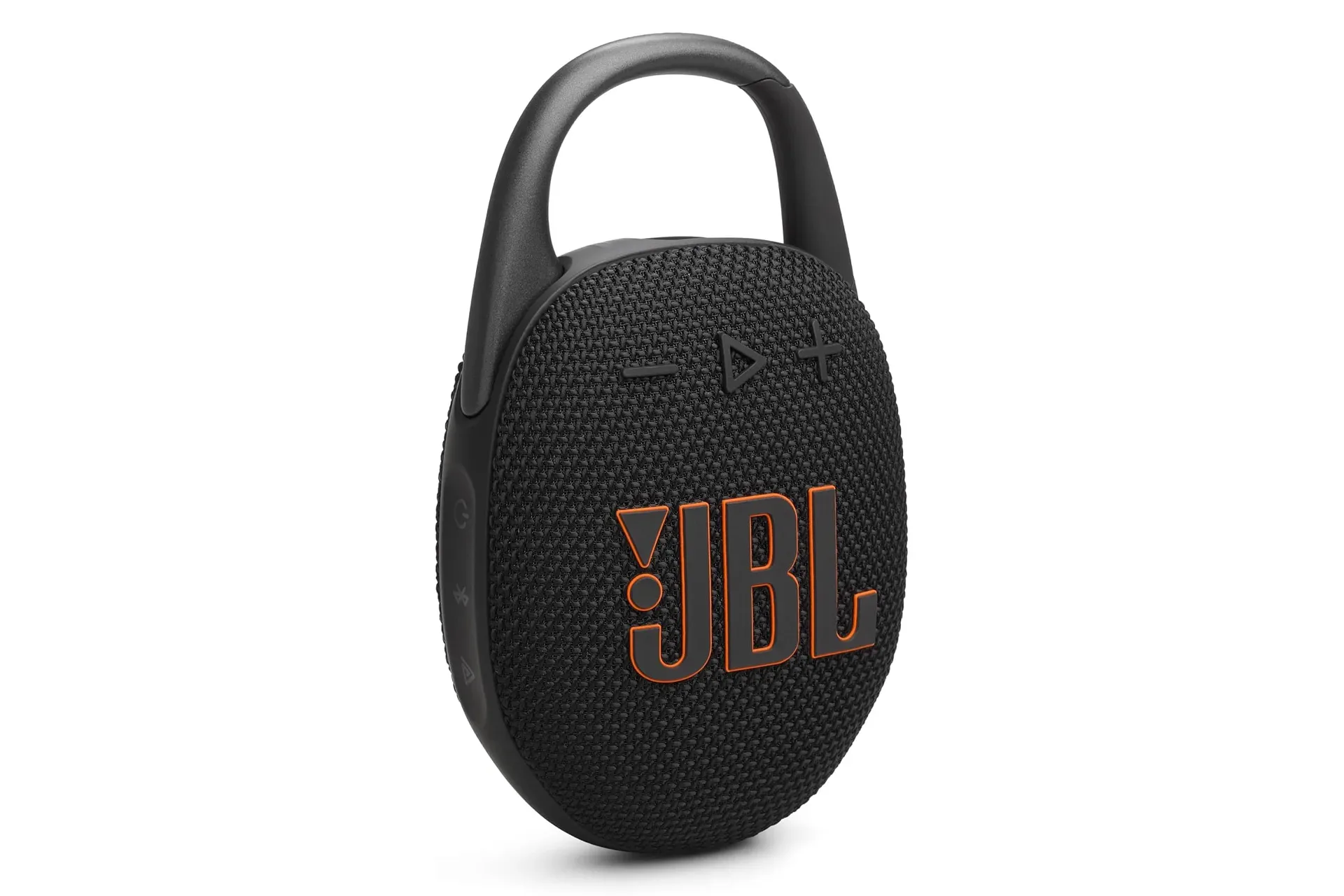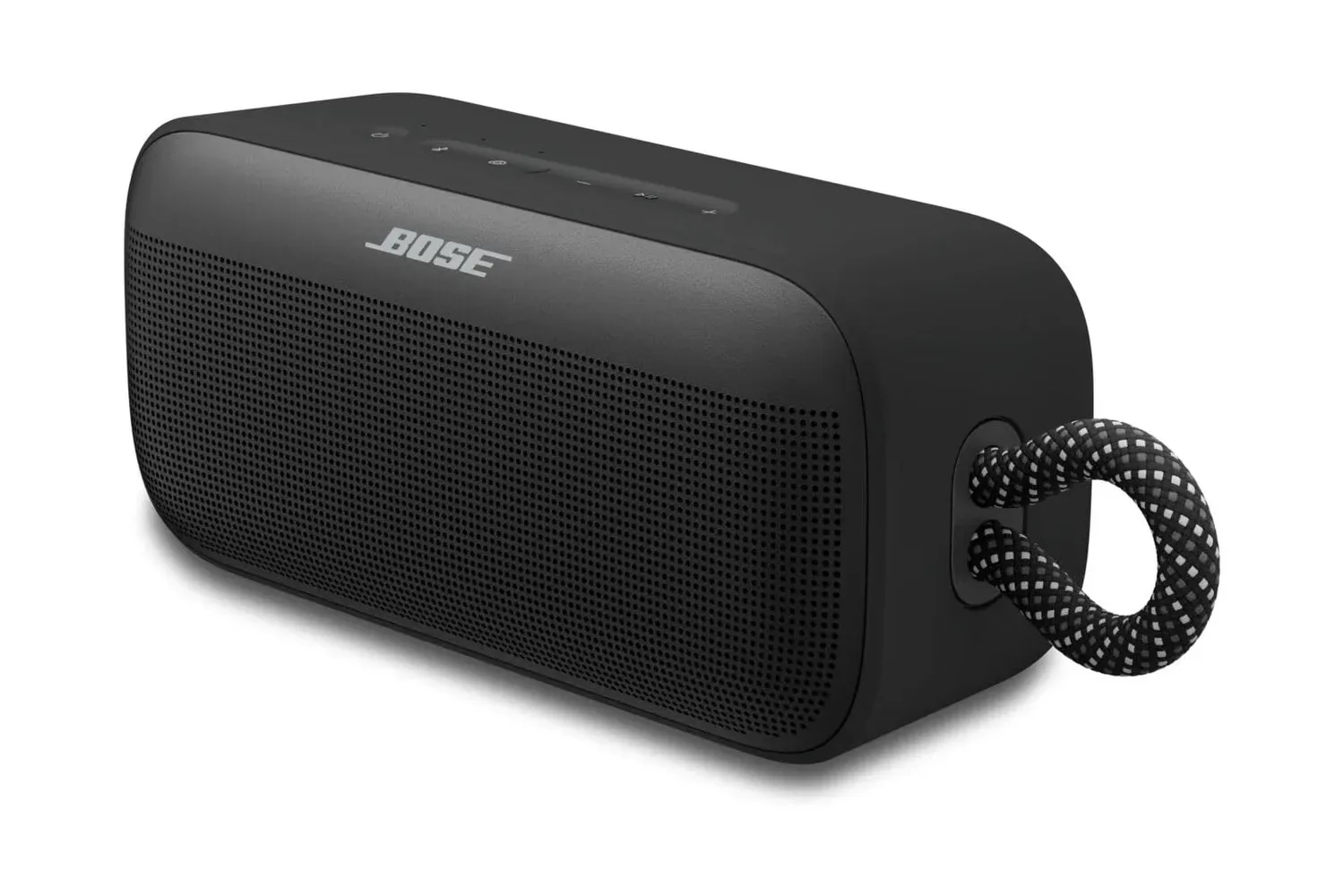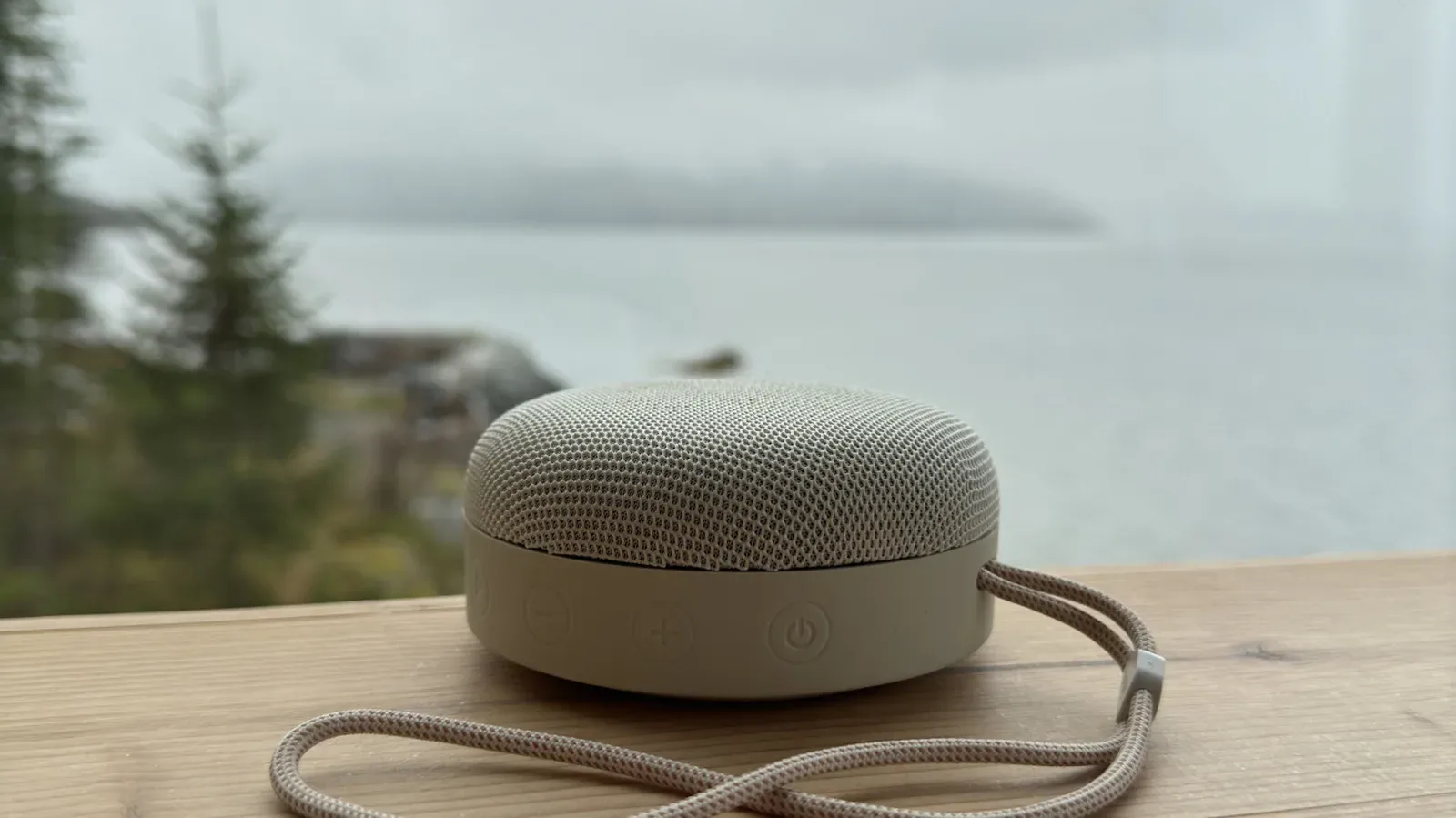
A portable Bluetooth speaker is practically an invitation to tempt fate. It goes to the patio, beside the pool, into a backpack with a suspicious water bottle, or to a beach where sand has apparently achieved diplomatic immunity from every zip and seal. For gaming, it can also become the soundtrack machine for a local tournament, a garage setup, or a session that has migrated outdoors because somebody said, “It’ll be fine.”
It may indeed be fine—but only if the speaker’s protection rating matches the danger zone. The useful label to look for is its Ingress Protection, or IP, rating. This two-character numerical system is less glamorous than bass response, RGB lighting, or a dramatic product photo surrounded by splashes, yet it says far more about whether an accidental meeting with water is likely to become an expensive silence.
The short answer is straightforward: IP67 is an excellent target for most people buying a portable Bluetooth speaker. It covers meaningful dust protection and a level of temporary water submersion protection that is well beyond a few raindrops. IPX7 is similarly strong on the water side if dust testing was not included. IP68 can offer even more robust submersion protection, while IP69 is a very high all-around rating that is uncommon on mainstream speakers and usually unnecessary for ordinary use.
The longer answer is important because “waterproof” is an imprecise marketing comfort blanket. A rating is a test classification, not permission to treat electronics like a scuba accessory.
Read the two digits, not just the word “waterproof”
An IP rating normally looks like IP56, IP67, or IP68. Each position matters:
- The first digit describes resistance to solid particles such as dust. Its scale runs from 0 to 6.
- The second digit describes resistance to water. Its scale runs from 0 to 9.
When a product is marked IPX7, the X does not mean it failed a dust test. It means the manufacturer did not provide a dust-protection classification. For someone worried about a dropped speaker in water, the final 7 is the key fact. For a beach trip, campsite, workshop, or dusty shelf full of retro hardware, the missing first digit deserves more attention.
Think of the rating as a quick way to translate a real-world risk. IP56, for example, indicates strong dust protection and protection against powerful water jets. That is a useful combination for rougher environments, but it is not the same promise as an immersion-rated speaker.
What the water digit means in everyday speaker terms
The second digit is the one that answers the questions buyers actually ask: Can it handle rain? Can it sit in a steamy bathroom? What happens if it falls in the pool during a particularly animated Mario Kart finish?
IPX2: minor, brief moisture—not an outdoor confidence rating
A water rating of 2 can tolerate limited contact with falling water. Brief rain exposure may be survivable, but it is not a rating to choose for a speaker intended to live outdoors, ride in an open bag, or operate beside a sink. There are premium devices with relatively low water ratings because their priorities lie elsewhere. That does not make them bad speakers; it simply means the owner needs to treat weather as an enemy encounter rather than background scenery.
IPX5: a reasonable rain companion
IPX5 is a sensible baseline for someone who expects rain, splashes, or the occasional beverage near-miss. It is a meaningful upgrade from basic drip resistance and should suit casual outdoor listening better than lower-rated alternatives. It should not be interpreted as a license for deliberate dunking.
IPX6: a better choice for heavy splashes and shower-adjacent use
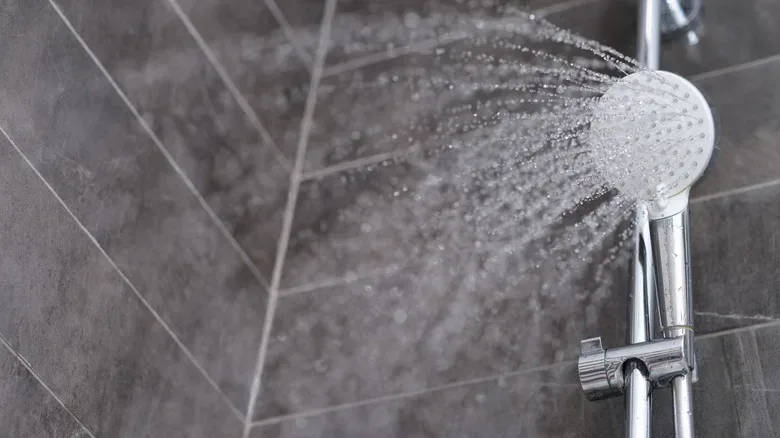
A rating of IPX6 indicates protection against stronger water jets. For a speaker intended for shower use, this is the minimum worth considering, with a 7-rating preferable. The distinction is practical: shower environments involve recurring spray and humidity, while a lower-rated device may be designed only for lighter, more incidental contact.
IPX7: the most useful all-purpose water rating
A 7-rating is the sweet spot for many portable speaker buyers. It is associated with temporary submersion resistance, not merely rain or spray. That makes IP67 and IPX7 common, reassuring choices among well-known, higher-quality Bluetooth speakers. If a speaker slips into water, an IPX7-style rating gives it a far better chance than a rain-only model—provided its ports, seals, and condition are all as intended.
For the average person, this is the point at which water protection stops being a polite feature-list extra and becomes genuinely useful insurance. It is also plenty for most gaming-adjacent setups: backyard sessions, kitchen listening, a tournament table vulnerable to drinks, and a spontaneous move from couch multiplayer to the deck. For more couch-side survival rules, see The Unwritten Rules of Couch Multiplayer, Now Written Down.
IPX8 and IP68: more serious submersion capability
An 8-rating is intended for more demanding water exposure than a 7-rating, including submersion under harsher conditions or for longer periods as defined by the product’s testing. The exact conditions remain important, so buyers should not assume every IP68 product is protected to the same depth or duration.
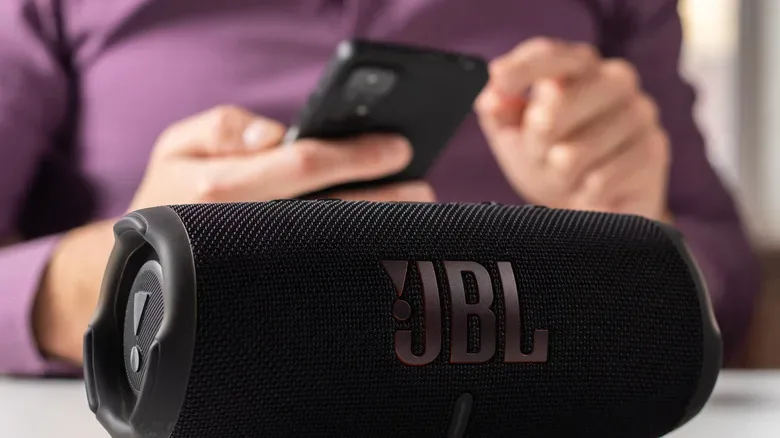
IP68 is attainable in reputable portable speakers. The JBL Charge 6, for instance, carries an IP68 rating. In plain language, that places it above the already capable IP67 category for immersion resistance, while also retaining the highest standard dust digit. It is a formidable rating for a speaker that may encounter sand, rain, and accidental water exposure. But formidable is not synonymous with indestructible.
IP69: the high-water mark, and usually overkill
The theoretical top-end all-around label in this context is IP69: maximum dust resistance paired with the highest water digit. It is rare outside specialized products. Shoppers should not turn its absence into a reason to dismiss an IP67 or IP68 speaker. In normal ownership, the jump from no meaningful rating to IPX5—or from IPX5 to IP67—will matter vastly more than chasing a scarce IP69 badge.
Choose the rating for the place, not the bragging rights
The best rating depends on where the speaker is going, not on the largest number printed on a box. A simple buying map makes the decision less mystical:
- Desk, bedroom, or carefully supervised indoor listening: lower water resistance can be acceptable, especially if portability and sound are the priority.
- Walks, picnics, and unpredictable weather: IPX5 is a practical floor for rain protection.
- Bathroom or shower area: look for at least IPX6; IPX7 provides more reassuring protection.
- Pool, beach, boating, camping, or clumsy social gatherings: IP67 is a strong all-round target because it brings both dust and temporary immersion protection.
- Frequent high-risk water exposure: consider IP68, then check the manufacturer’s stated conditions rather than relying on the number alone.
Dust protection is easy to underrate. A poolside speaker may primarily face water, but a beach speaker faces both water and fine grit. A first digit of 6 is therefore more than a bonus for travel: it can be the detail that separates a broadly protected outdoor device from one that is only prepared for a sudden shower.
Why an IP rating is not an immortality cheat code
Even an IP68 speaker is not “fully waterproof” in the sense many shoppers mean when they use that phrase. Ratings reflect specific test conditions. They do not necessarily cover every mixture of pressure, movement, heat, detergent, salt, impact, and aging that real life can invent.
A speaker dropped briefly into fresh water is not facing precisely the same conditions as one used repeatedly in a chlorinated pool, covered in wet sand, aimed directly at a shower, or left on a dock during a storm. The seals that help earn a rating can also degrade through damage and repeated use. A cracked housing, loose flap, or poorly closed charging port can turn a once-reassuring number into a memory of better days.
An IP rating should be treated as a safety margin for accidents and intended environments—not as a challenge to see how spectacularly an electronic device can lose an argument with water.
There are also practical habits that cost nothing. Close covers and ports before bringing a speaker near water. Avoid charging it while wet. If it takes an unexpected swim, dry the exterior and let it dry fully before connecting power. Keep saltwater and soapy water in the “avoid wherever possible” category, even when the rating looks heroic. And do not mistake floating for a universal feature: water resistance and buoyancy are separate claims.
The sensible answer: IP67 for most buyers, IP68 for extra assurance
For most people, the best waterproof rating to seek in a Bluetooth speaker is IP67. It is common enough to find in quality portable models, covers dust effectively, and provides the kind of temporary immersion protection that makes rainy travel, poolside use, and everyday accidents considerably less alarming. If the label is IPX7, the water protection remains strong; just recognize that dust resistance has not been rated.
Move to IP68 when your use case frequently involves greater water risk and you want the extra margin that a higher immersion classification can represent. The JBL Charge 6 is one example of a Bluetooth speaker with that rating. Meanwhile, IP69 is an impressive specification but not a practical requirement for a normal portable-speaker purchase.
Ultimately, a speaker needs to survive your actual life, not an imaginary laboratory duel with a fire hose. Rain listeners can do well with IPX5. Shower users should start around IPX6 and favor 7. Outdoor and travel buyers should look hard at IP67. Once the rating fits the mission, you can return to the more enjoyable question: what should play when the next session starts?