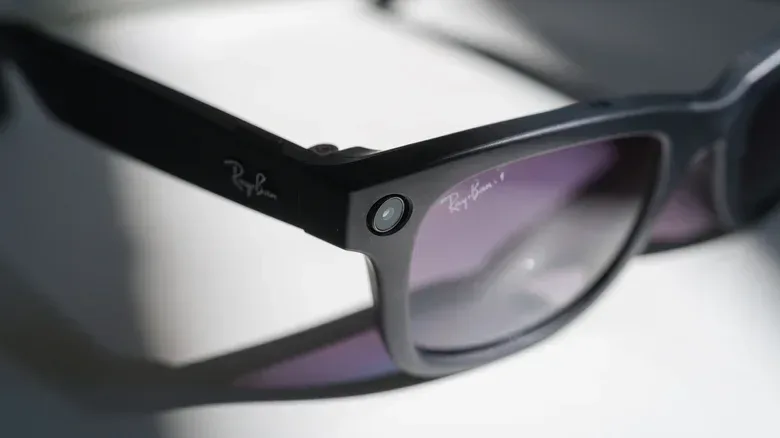
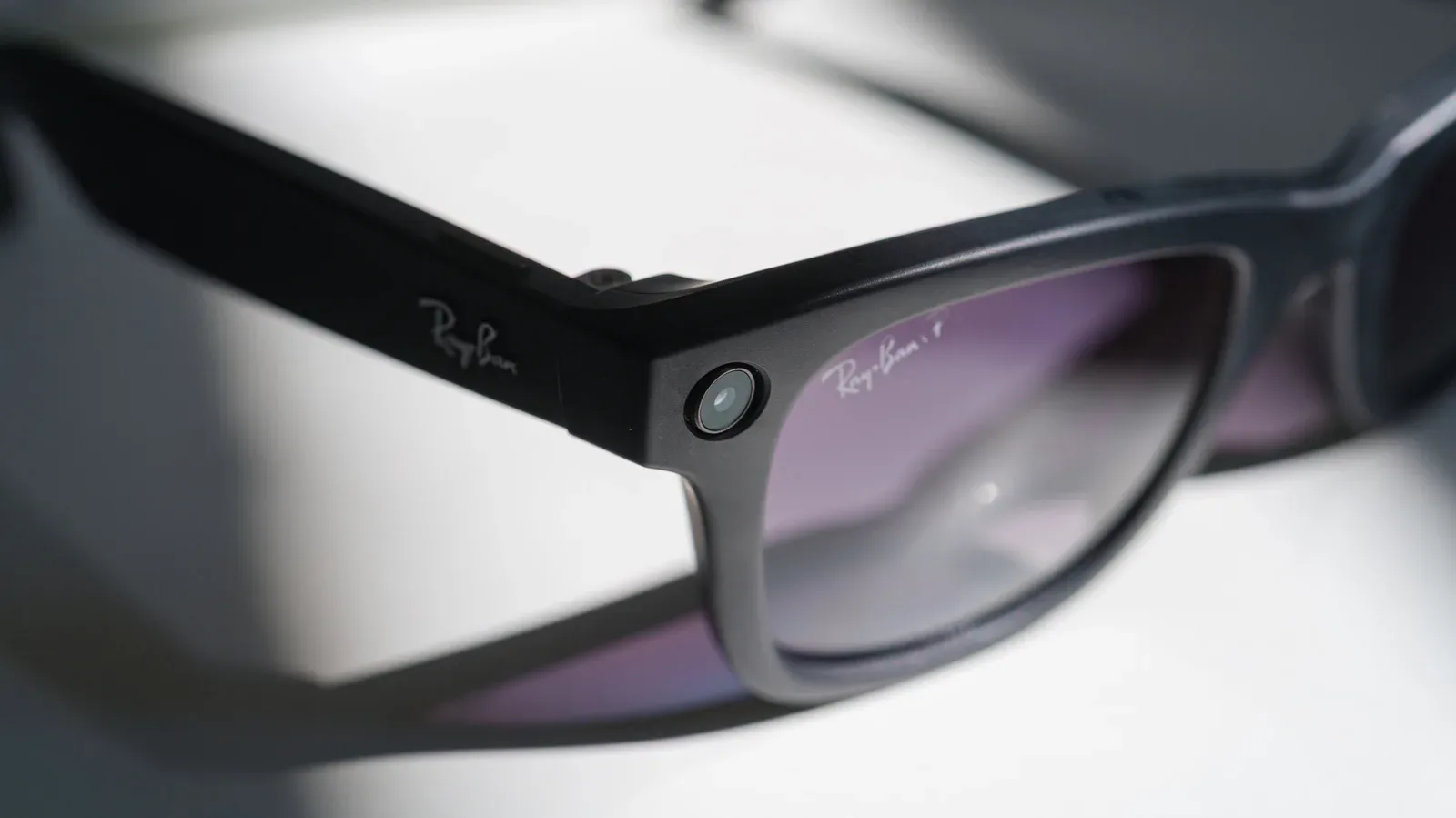
AI glasses, often grouped under the broader label of smart glasses, have made the sci-fi pitch unusually literal: electronics live inside something designed to sit on your face all day. That is an exciting idea, and it has clear appeal for people who want a more immediate way to capture video, receive assistance or manage small tasks. It is also a product category where “can do” and “should wear” are very different questions.
A 2026 Security.org survey found that 25% of respondents said they were likely to buy smart glasses within the next year. Interest alone does not settle whether a pair makes sense for a particular person, though. The purchase deserves more scrutiny than many gadgets because the device is worn on the body, may include a camera, and changes the experience of people nearby as well as the owner.
The useful way to approach AI glasses is not as a verdict on all wearable technology. Their benefits can be real, especially in accessibility and in work where a first-person view is genuinely useful. Their downsides are equally real: comfort concerns such as eye strain or irritation, a potentially high cost, unclear day-to-day value, and privacy questions that become much sharper when recording can happen discreetly.
The first question is simple: what problem would the glasses solve?
“AI glasses” can make the category sound more specific than it is. In practical terms, smart glasses are eyewear with technology embedded in the frame or lens area. Depending on the pair, that hardware may support camera-based video capture and assistance features. The “AI” portion generally refers to software intended to help interpret requests or information, rather than a magical replacement for a phone, computer or human judgment.
That distinction matters because a compelling demonstration can be a poor reason to buy an always-worn device. Before treating glasses as the next essential screen, a potential owner should identify a repeated task that would be easier with them. Recording a repair process from the wearer’s viewpoint is one credible example. Accessibility support or reminders tied to appointments and medication may be another. If the answer is merely that the device seems futuristic, its expense and compromises may quickly become more noticeable than its novelty.
This is especially true for people already satisfied with a smartphone. A phone can be taken out when needed and put away when it is not; glasses create a more continuous relationship with the device. For gaming-adjacent everyday tech, that distinction is familiar. A companion app can be useful precisely because it adds convenience around a main activity without demanding constant attention—much like the role discussed in the PlayStation App as a PS5 sidekick. Smart glasses need an equally clear supporting role, rather than becoming another notification surface looking for a reason to interrupt.
First-person video explains much of their appeal
Smart glasses have found a natural audience among technology creators and repair shops. A camera located at eye level can show what a wearer sees while they work, which may make instructional clips, demonstrations and day-to-day documentation easier to understand. That perspective can feel more direct than a conventional camera setup, particularly when both hands are occupied.
There is a practical benefit here beyond novelty. A first-person view can make a process more legible to an audience: viewers see the object, tools and sequence from a perspective close to the person doing the task. For repair work, that may be a natural fit. For creators, it can offer an approachable behind-the-scenes format.
Related coverage includes AI Glasses Can Be Useful, but Privacy and Comfort Questions Remain.
But the strength of that viewpoint is inseparable from its risk. The same camera position that makes a tutorial feel immediate can collect footage of bystanders, colleagues, customers or passers-by who did not expect to be on video. That is why first-person capture should not be treated as neutral simply because the camera is small or built into an ordinary-looking object.
Accessibility is one of the category’s strongest arguments
The most persuasive case for smart glasses is not necessarily content creation. Some seniors have shown interest in accessibility functions and in support for tracking doctor visits or medication reminders. The category is also popular with people with disabilities, where assistance that is available at the point of need can have a far clearer purpose than a flashy gadget demo.
Accessibility is not a bonus feature in this context; it can be the main reason a wearable is worth considering. A device does not need to be indispensable to every person to matter. If it reduces friction for someone managing reminders, navigating a daily routine or accessing helpful information, that is a meaningful outcome.
Still, a good use case should not erase the need for careful design. A person using glasses for help should not have to accept pain, fatigue, confusing controls or social hostility as the price of access. Nor should accessibility needs be used as a blanket defense for every implementation of recording or AI features. A technology can provide real value to one group while still requiring better safeguards for everyone around it.
Comfort is a product requirement, not a minor complaint
Glasses are unusually personal hardware. A controller can be set down. A phone can stay in a pocket. Eyewear presses against the nose, ears and face, often for long stretches. Reports of eye strain and irritation therefore deserve to be treated as central buying considerations, not a footnote after a feature list.
Eye strain refers broadly to discomfort associated with sustained visual effort. Irritation can mean physical discomfort from wearing the device itself. Neither term automatically proves that every pair will be unsuitable for every buyer, but both point to a basic limitation: a device designed for frequent use must be comfortable enough for the owner’s actual routine.
Smart glasses can be compared in this narrow respect with VR glasses: both place technology close to the eyes and can create comfort challenges. The comparison should not be pushed too far, because the products are used differently, but the core lesson is the same. More hardware near the face does not automatically make a device more useful. If the product causes discomfort, its best features may go unused.
Potential buyers should think in terms of duration, not just a quick try-on. How long would the glasses plausibly be worn during work, commuting, errands or social time? Is the expected benefit valuable enough to justify that physical presence? If the technology only has a convincing purpose for a few minutes at a time, conventional devices may remain the more sensible choice.
The camera changes the social contract
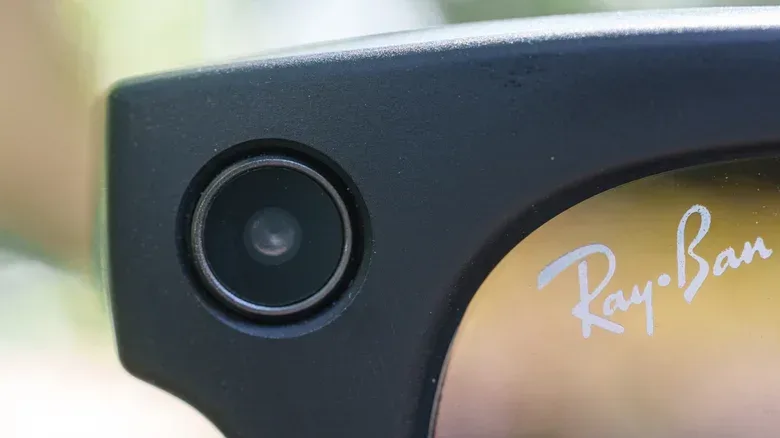
Privacy is the issue that most clearly separates smart glasses from many other wearable devices. A camera capable of capturing video is not inherently harmful. It may be useful for a repair tutorial, documentation or a needed accessibility workflow. The problem is that glasses can make recording difficult for other people to notice.
Consent means that people understand and agree to something that affects them. In a recording context, meaningful consent is more than assuming that anyone in view should have anticipated a camera. When people cannot easily tell whether they are being filmed, they have less ability to make a choice about participating, moving away or objecting.
This is why clandestine recording is such a serious concern. The objection is not simply that a person might appear in a video. It is that wearable cameras can make surveillance feel routine and invisible in places where people reasonably expect ordinary social interaction rather than documentation. That unease can exist even when the wearer has benign intentions.
Privacy and consent laws have repeatedly been part of the conversation around smart glasses. The applicable rules can depend on location and circumstance, so users should not assume that a device’s capability makes every use appropriate. More importantly, legal permission and respectful behavior are not identical standards. A responsible owner should consider whether a person can reasonably recognize the situation, understand that recording is happening, and feel able to decline.
Practical habits for more responsible use
- State the purpose clearly. If video capture is part of a task, tell people rather than relying on the device blending into ordinary eyewear.
- Be extra careful in sensitive spaces. A camera’s convenience does not outweigh another person’s expectation of privacy.
- Separate needed recording from continuous recording. Capture only what has a clear purpose instead of treating every moment as potential content.
- Respect a refusal immediately. If someone is uncomfortable, stop recording or move the activity elsewhere.
- Do not use subtle design as an excuse. The fact that other people may not notice a camera makes transparency more important, not less.
Workplace efficiency should not outrun human judgment
Smart glasses have been helpful in some workplaces, but that does not make them automatically worker-friendly. Technologies introduced in the name of efficiency can alter how people are observed, measured and expected to perform. When quotas and productivity pressure are already part of a job, a wearable device may be experienced not as an optional tool but as another layer of monitoring.
There is a meaningful difference between a worker choosing a device because it helps complete a task and an organization treating a body-worn camera or assistant as a baseline expectation. The former can support a job; the latter can add surveillance and pressure. Any workplace considering these devices should account for comfort, recording practices and the actual needs of the people expected to wear them.
The same caution applies to the public spaces around a workplace. A repair shop filming a clearly identified demonstration is different from an environment where employees and customers cannot tell when capture is occurring. Good policy is not merely a technical setting. It is a plain, understandable agreement about when the device is used, what it is for and how people can raise concerns.
A worthwhile device for some, not a default upgrade for everyone
Smart glasses are neither a universally alarming technology nor an automatic next step after the smartphone. They are a specialized wearable with a few genuinely compelling roles. First-person video can be useful for hands-on demonstrations. Accessibility tools and reminders may offer meaningful support. Those uses deserve serious consideration rather than dismissal.
At the same time, the trade-offs are unusually intimate. The wearer may deal with eye strain or irritation. People nearby may be unsure whether they are being recorded. Buyers may discover that a feature which sounded transformative has little place in their daily routine. A healthy market and growing consumer interest do not solve those questions.
The best buying test is therefore modest: identify the task, assess whether the glasses improve it often enough to matter, and weigh that against comfort and the responsibility that comes with a discreet camera. If the benefit is concrete—especially for accessibility or a defined hands-on workflow—AI glasses may earn a place. If not, hesitation is not resistance to progress. It is a reasonable response to technology that asks to live on someone’s face and, potentially, observe everyone around them.