Kingdom Hearts is about to receive the kind of examination that its reputation rarely gets: a complete, chronological replay with enough time to ask not merely whether the story is complicated, but when, how, and why it became complicated. The planned journey runs from the original game through Kingdom Hearts III, its Re:Mind DLC, Melody of Memory, and ultimately toward Kingdom Hearts IV, which is currently expected in late 2027. That makes the project more than an excuse to revisit beloved Disney worlds. It is a chance to look at a famously meme-ready series in sequence rather than treating its most bewildering nouns as the whole argument.
The timing is unusually neat. Square Enix released the Kingdom Hearts I~III Collection on October 8 for PlayStation 5, Xbox Series X/S, and Switch 2, giving players on those platforms a new starting point for a large part of the saga. The proposed retrospective begins with the first Kingdom Hearts from October through December 2026, then proceeds through the major games and story entries over 2027.
There is an appealingly simple question at the heart of that itinerary: does the original game already contain the foundation of the elaborate mythology people associate with Kingdom Hearts, or did the series’ complexity arrive in layers later? A replay cannot settle every debate over taste, but it can put the debate on firmer footing.
From a simple premise to a towering continuity
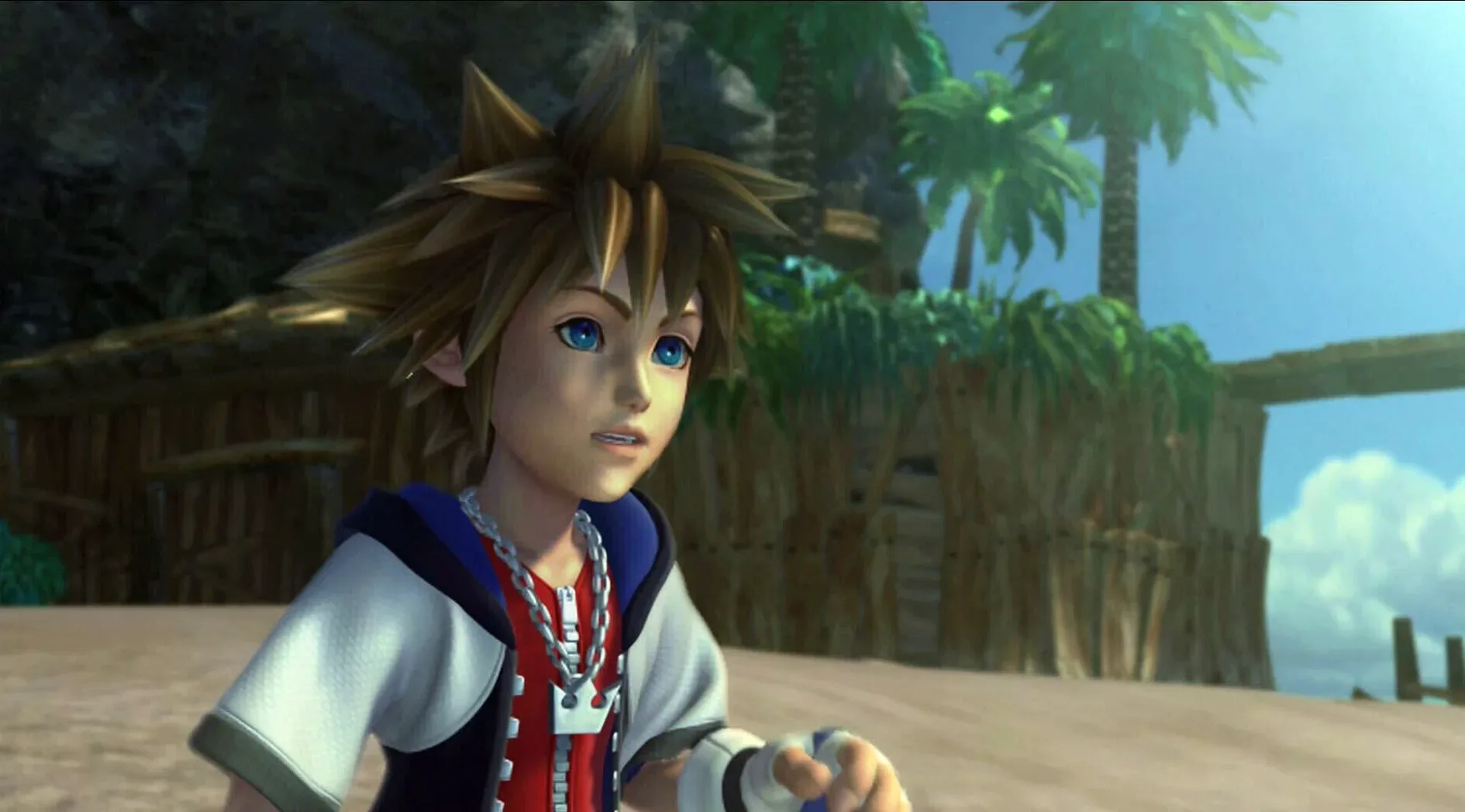
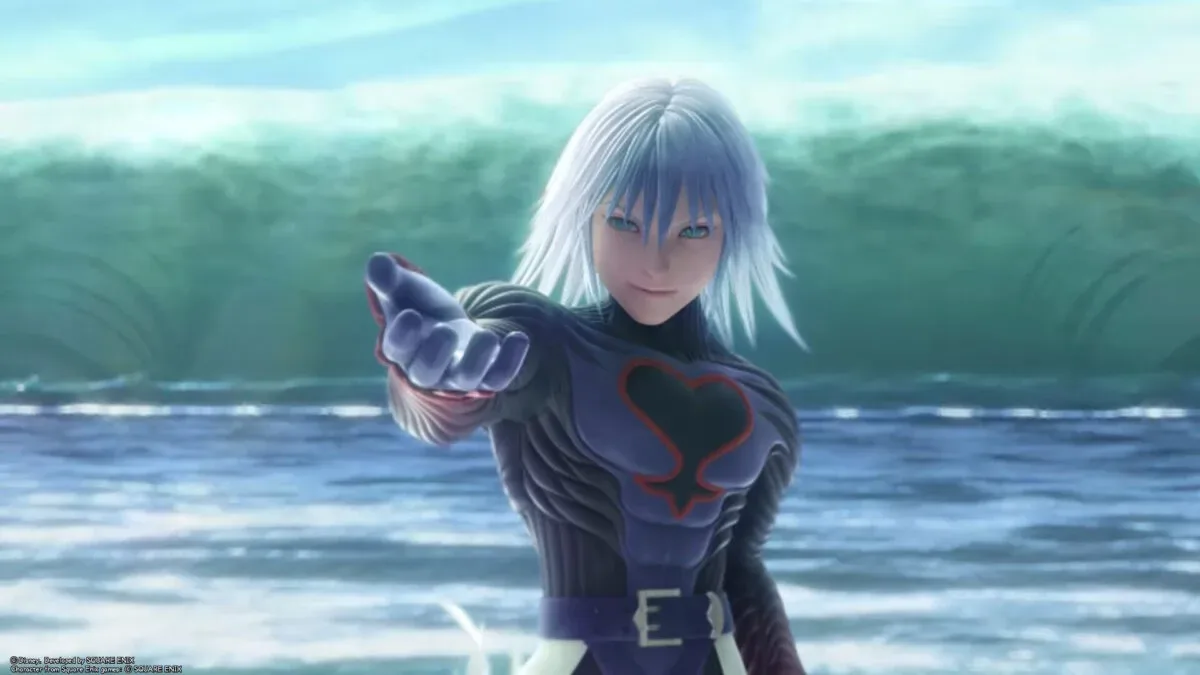
At its outset, Kingdom Hearts has a clean emotional hook. Sora, Riku, and Kairi are children on Destiny Islands who want to see worlds beyond their home. That desire quickly becomes much larger, as their island and their relationships are caught up in threats involving light, darkness, and separated worlds. The concept can be explained without a chart: friends are divided, a young hero goes looking for them, and familiar Disney settings become stops on that journey.
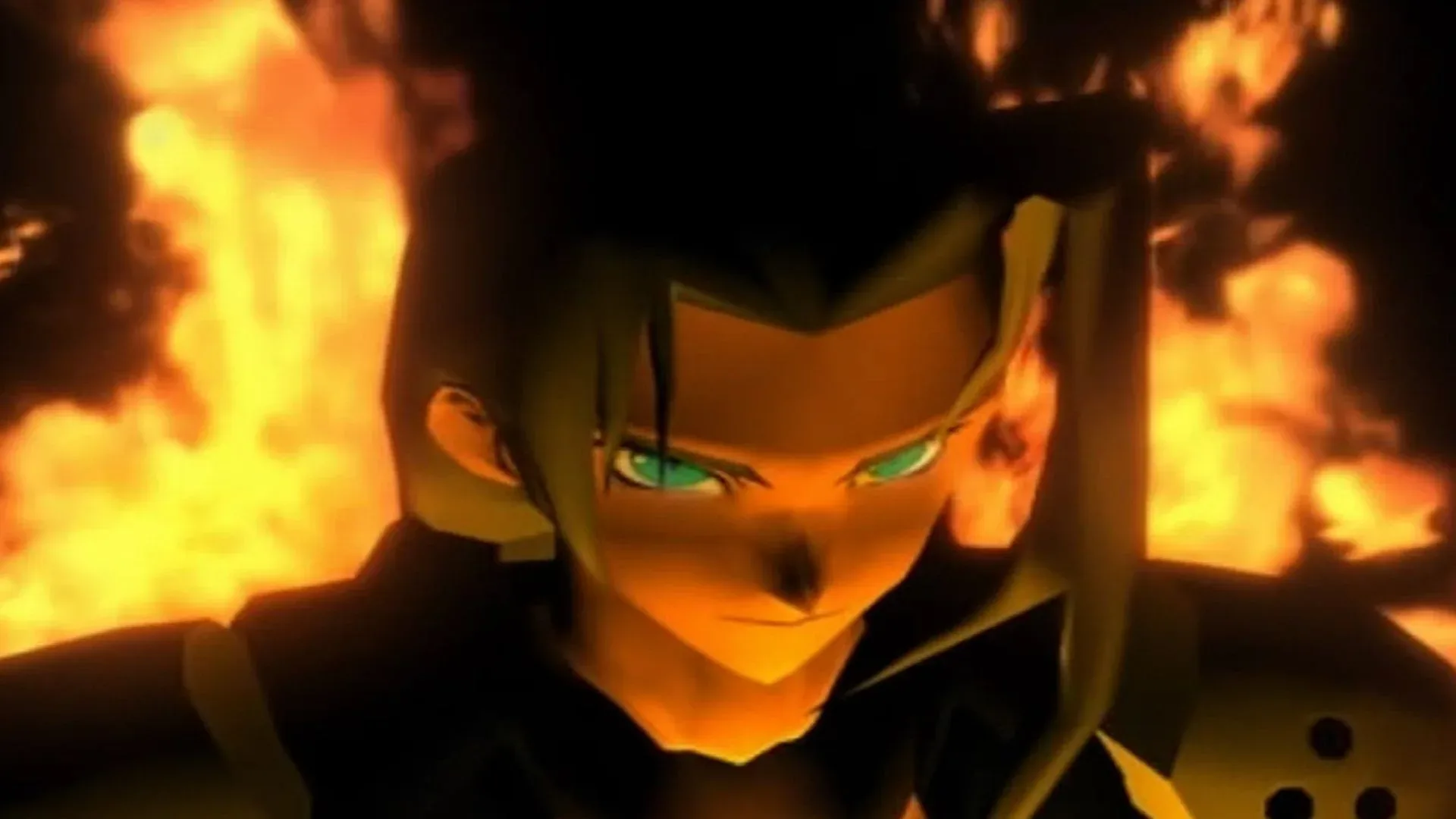
That directness matters. The series is often spoken about as though it emerged fully formed as a thicket of identities, hidden histories, and grand cosmological rules. But the early setup is recognizable adventure storytelling: a protagonist leaves home, visits extraordinary places, forms alliances, and learns that personal bonds matter. The use of Disney characters and Final Fantasy connections gave that adventure a distinctly improbable flavor, but not necessarily an impenetrable premise.
Over time, though, the narrative expanded well beyond the initial crossover frame. The long interval before the third numbered entry was filled by additional games, while later material broadened the lore around the central conflict. The result is a continuity spread across titles including Chain of Memories, Kingdom Hearts II, 358/2 Days, Re:Coded, Birth by Sleep, Dream Drop Distance, A Fragmentary Passage, the mobile-story material Union χ and Dark Road, Kingdom Hearts III, Re:Mind, and Melody of Memory.
That list alone helps explain why a straight replay has value. “Complexity” can refer to several different things, and they should not be flattened into one complaint. A story may have a lot of proper nouns. It may expect familiarity with events from earlier installments. It may use non-linear revelations. It may make a player follow threads that originated on different hardware. Or it may simply be emotionally heightened and sincerely dramatic. Those are separate traits, even if they can overlap.
What a replay can clarify
A retrospective has the advantage of restoring context. When players encounter a late-game reveal years after an earlier installment, it can be difficult to remember whether the original work planted a clear seed, offered a vague possibility, or had no apparent reason to prepare the audience for it. Playing the games closer together gives each new idea a more useful measuring stick: what did the games actually establish before this point?
Related coverage includes A Full Kingdom Hearts Replay Could Reveal Where the Series Became So Complicated.
That distinction is especially important for retcon, shorthand for a retroactive continuity change or addition. Fans often use the term loosely for any new information that changes how an old scene feels. But a new revelation can work in several ways. It may pay off a detail that was visibly present from the beginning. It may reinterpret an earlier event without outright contradicting it. Or it may introduce a major premise that the older work did not seem built to support. Those approaches have different effects on a series, and a chronological revisit is better positioned to tell them apart than a collection of remembered plot summaries.
The same goes for the phrase lore. In the broadest sense, lore is the accumulated body of a fictional world’s rules, history, terminology, and hidden connections. Lore is not automatically a problem. It can make a setting feel intentional and reward people who pay attention. It becomes a practical barrier only when key emotional stakes depend on information the work does not adequately communicate, or when the audience cannot tell which details are essential.
Kingdom Hearts is a particularly good candidate for this test because it has always balanced two storytelling languages. One is immediately readable: friendship, loss, homesickness, courage, and the promise of reunion. The other is its expanding fantasy mythology of light and darkness. The first can make an individual scene land even when a player cannot instantly recite every rule of the second. A replay can identify whether the series preserves that balance as it grows—or whether the mechanics of continuity increasingly crowd out the original emotional clarity.
Why the internet version of a game is not the game
Long-running games are especially vulnerable to being reduced to a handful of jokes. A strange phrase, an out-of-context scene, or a list of intimidating character names travels much faster than a patient explanation of how a plot develops. Eventually, the shorthand becomes a public-facing identity. Plenty of people who have never played Kingdom Hearts know that they are expected to call it confusing.
That response is understandable, particularly for a story that has expanded across many installments. But it is not the same as criticism. Saying that a series contains unfamiliar terminology only proves that the series has terminology. It does not establish whether the terms are introduced clearly, whether they serve an emotional or thematic purpose, or whether the continuity genuinely fails to connect its ideas.
A full replay offers a more productive alternative: track the exact moment where comprehension becomes difficult, then ask what caused it. Was the relevant game absent from the route a player took? Was there a leap in the storytelling? Did a concept receive an explanation only after it became crucial? Or has the series simply become dense enough that the audience has to retain more information than it did at the beginning?
That is not an attempt to declare the criticism invalid in advance. It is a way to make it precise. A player might conclude that the original game is unusually accessible while a later stretch depends heavily on outside context. They might find that some supposedly impossible concepts work perfectly well when encountered in release order. They might also decide that the growth in mythology is exactly what they enjoy. The key is that each conclusion comes after engaging with the work rather than only with the jokes surrounding it.
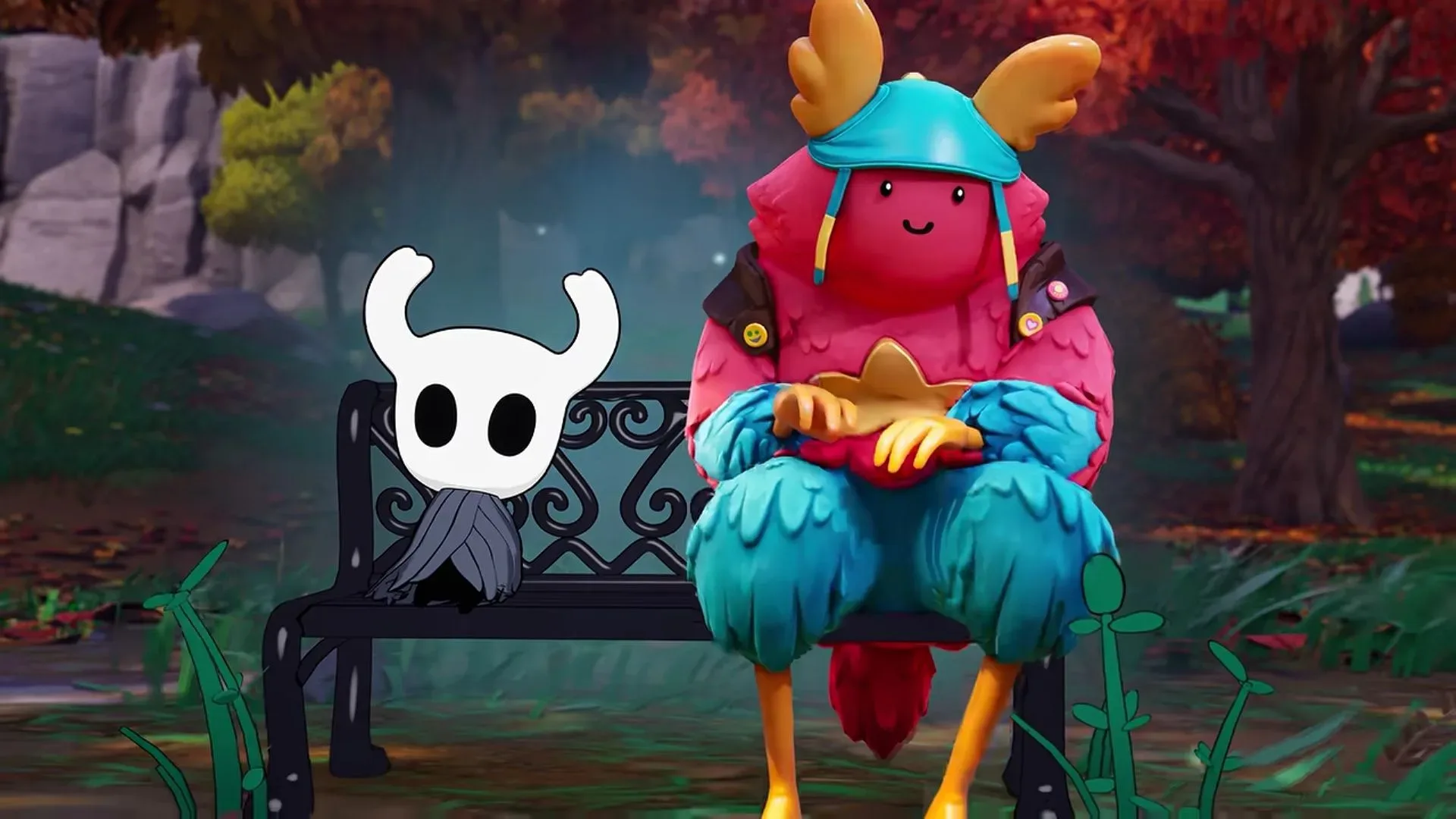
This kind of attention is particularly worthwhile for a crossover series. Crossovers invite audiences to focus on recognition: which character appears, which world returns, which unlikely brands are sharing a scene. That reaction is part of the fun, and crossover games remain an active part of the medium’s culture, as seen with Fortnite’s recent Hollow Knight bundle discussion. But Kingdom Hearts has also spent decades trying to turn that initial novelty into an ongoing original story. Its Disney and Final Fantasy associations may get people through the door; the question for a replay is how the series asks them to stay.
A schedule built around the series’ actual shape
The planned route does not skip straight from numbered sequel to numbered sequel. That is significant because the in-between titles are part of the story under examination. Chain of Memories is scheduled for January 2027, followed by Kingdom Hearts II from February through April. May is devoted to 358/2 Days and Re:Coded, before Birth by Sleep takes June.
July brings Dream Drop Distance and A Fragmentary Passage. August is set aside for a watch-through of the unplayable mobile games Kingdom Hearts Union χ and Dark Road, then Kingdom Hearts III and its Re:Mind DLC occupy August through October. Melody of Memory follows in November, with Kingdom Hearts IV positioned for late 2027.
Including the mobile material is more than a completionist flourish. It acknowledges a central practical reality: a narrative can be difficult to follow not because every individual scene is poorly written, but because relevant information is distributed across entries with differing formats and accessibility. A story that asks its audience to make sense of material outside the most obvious path creates a different kind of complexity from a story that is merely intricate on its own terms.
The schedule also gives the later games room to be considered as works rather than as homework. Kingdom Hearts III, for instance, arrives after the preceding story material rather than as an isolated destination. That framing will not change anyone’s personal reaction to it, and the retrospective’s organizer has already expressed a negative view of the game. Still, moving through the saga in this order may better reveal what the third numbered installment is trying to resolve, what it inherits, and what it leaves open for the next arc.
The emotional case for returning
There is another reason a replay can be revealing: people change, while the game stays put. For many players, the original Kingdom Hearts was an early encounter with an action RPG and with unabashedly emotional game storytelling. Its mix of adventure, melodrama, Disney familiarity, and Utada Hikaru’s “Simple and Clean” left an impression that was not necessarily tied to mastering every line of mythology.
Returning as an adult can expose the difference between what was actually on the screen and what a player carried with them afterward. Some scenes may feel simpler. Others may reveal craft that a younger player could feel before they could articulate it. Early experiences of games are often bound up with circumstances—a shared rental, a repeated opening section because there was no memory card, a particular room and a particular console—not just a plot outline. That makes revisiting a beloved series both an analytical project and a personal one.
Neither side has to cancel the other out. A game can be deeply meaningful to someone and still be worth scrutinizing. It can be confusing in places and still communicate its core relationships powerfully. It can have an enormous continuity and still be more coherent than its online caricature suggests. Conversely, nostalgia does not require a player to defend every later development.
With Kingdom Hearts IV approaching in late 2027, the question is no longer only whether players remember Sora, Riku, and Kairi fondly. It is whether the route from Destiny Islands to the new arc can be described with more care than a punchline allows. The new collection creates a convenient entry point on PS5, Xbox Series X/S, and Switch 2. The more intriguing opportunity, however, is to revisit the series slowly enough to notice where its straightforward adventure became a vast mythology—and whether that transformation was always visible in the light.