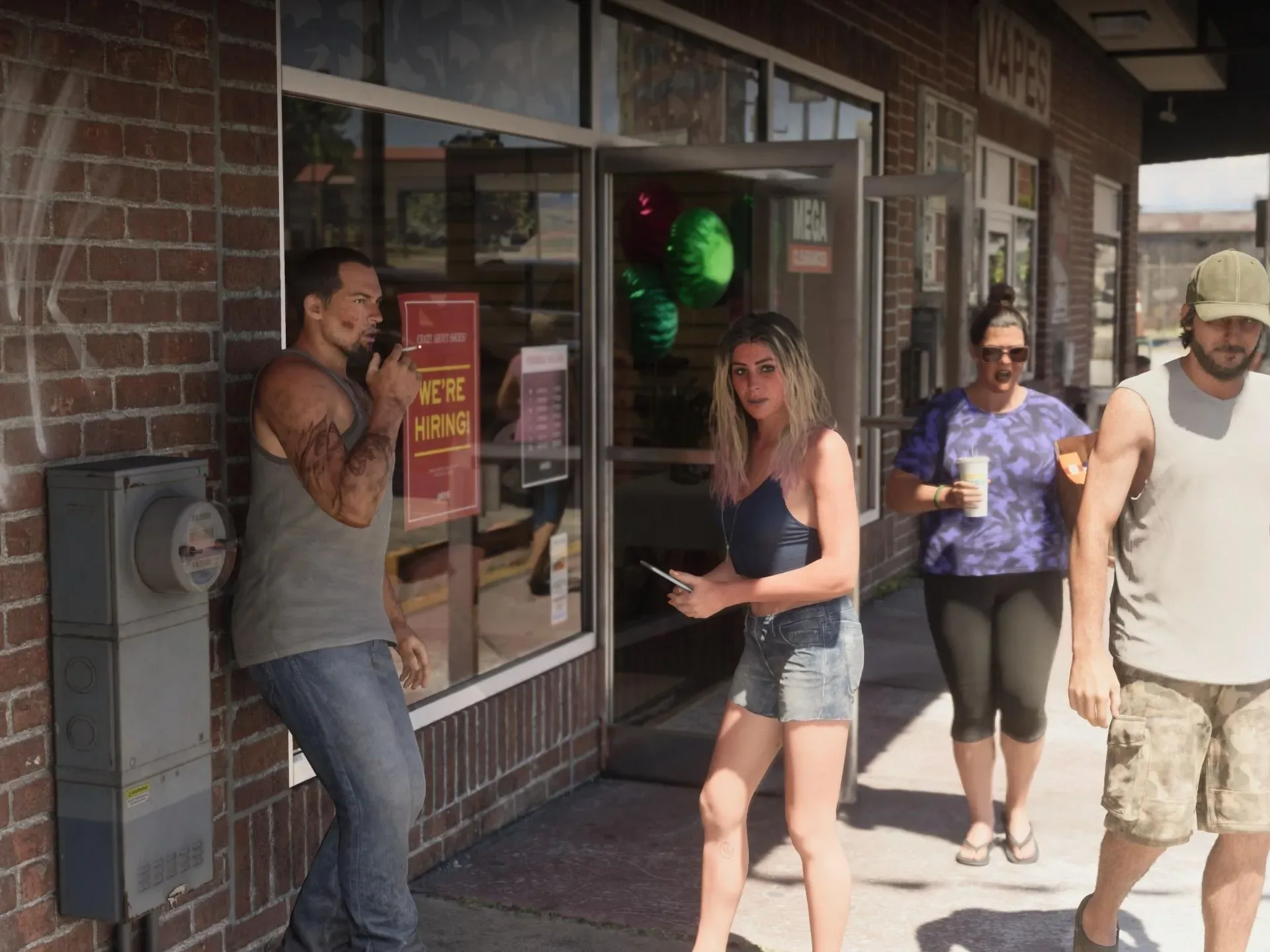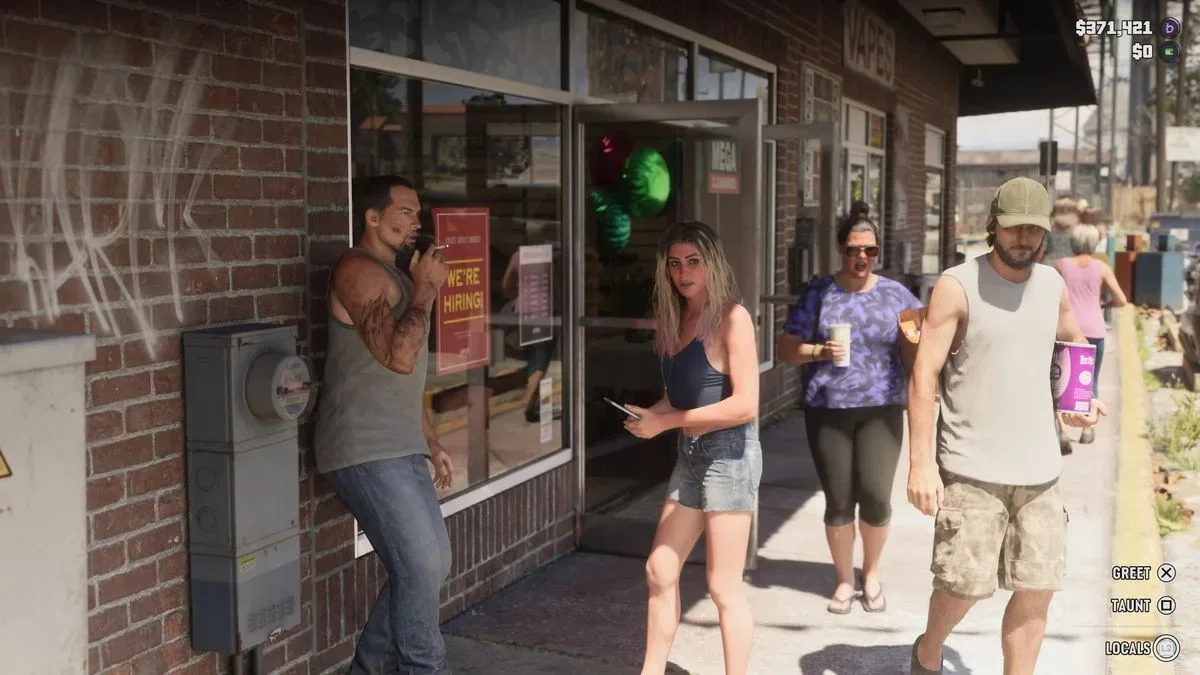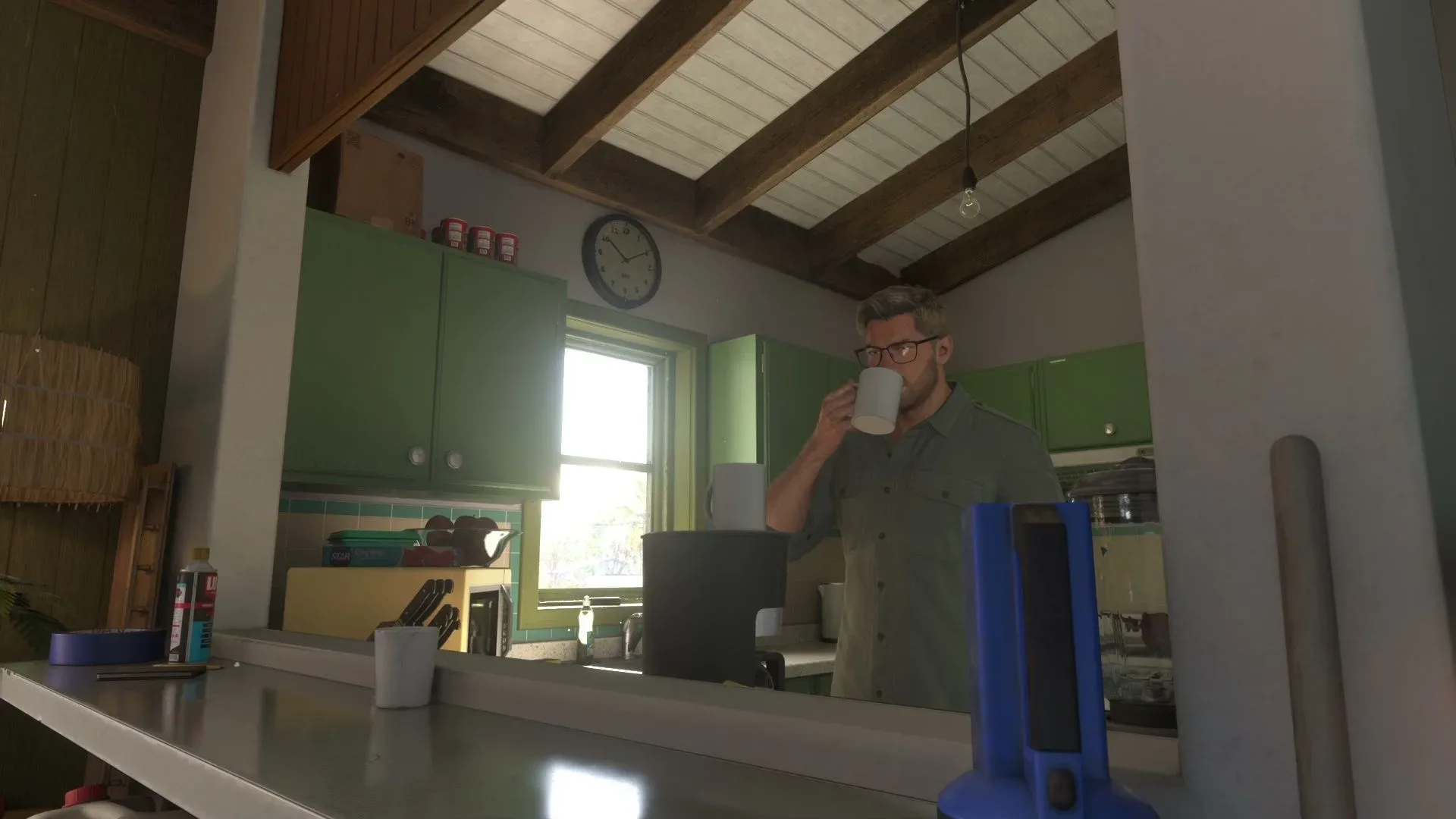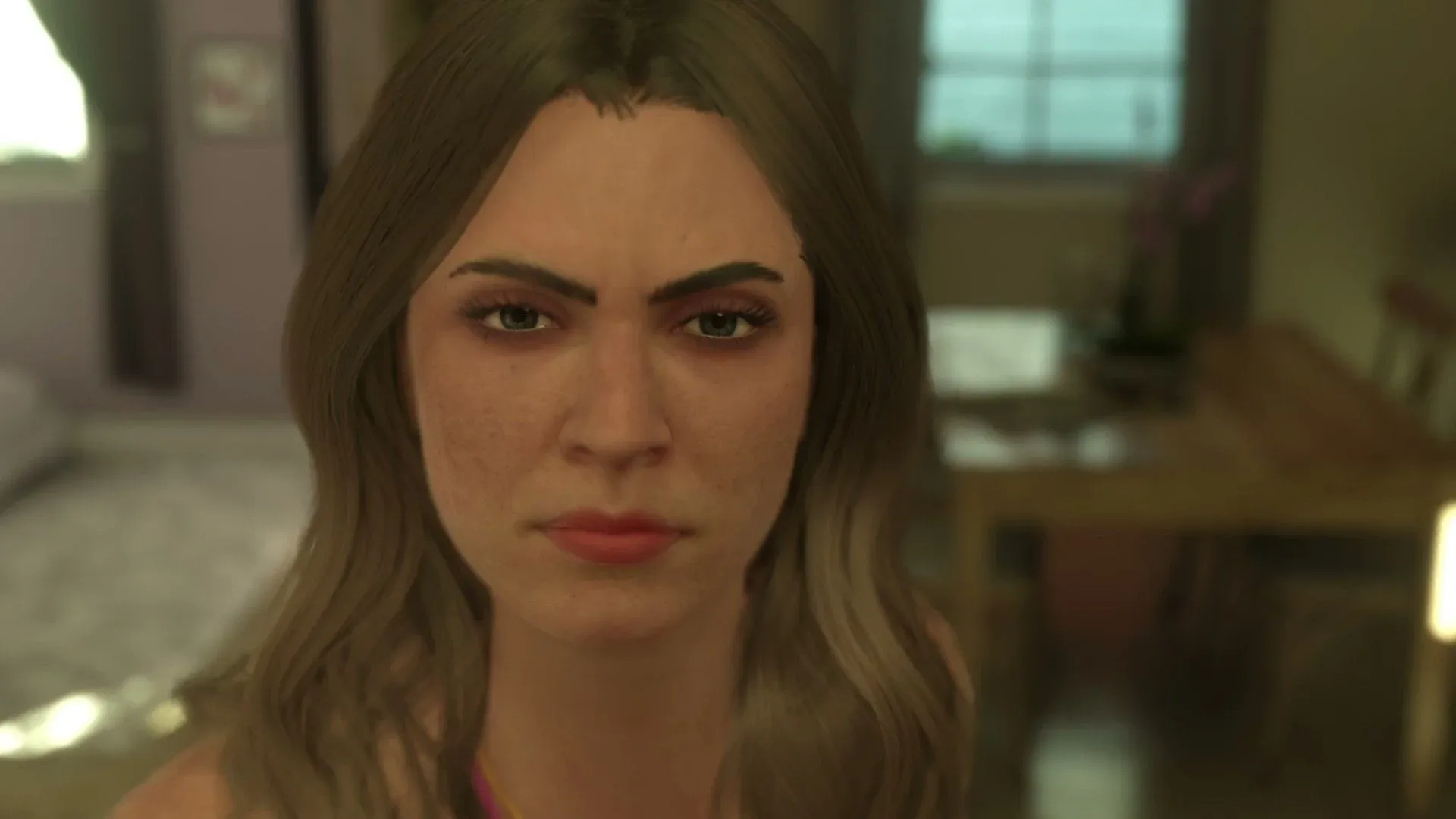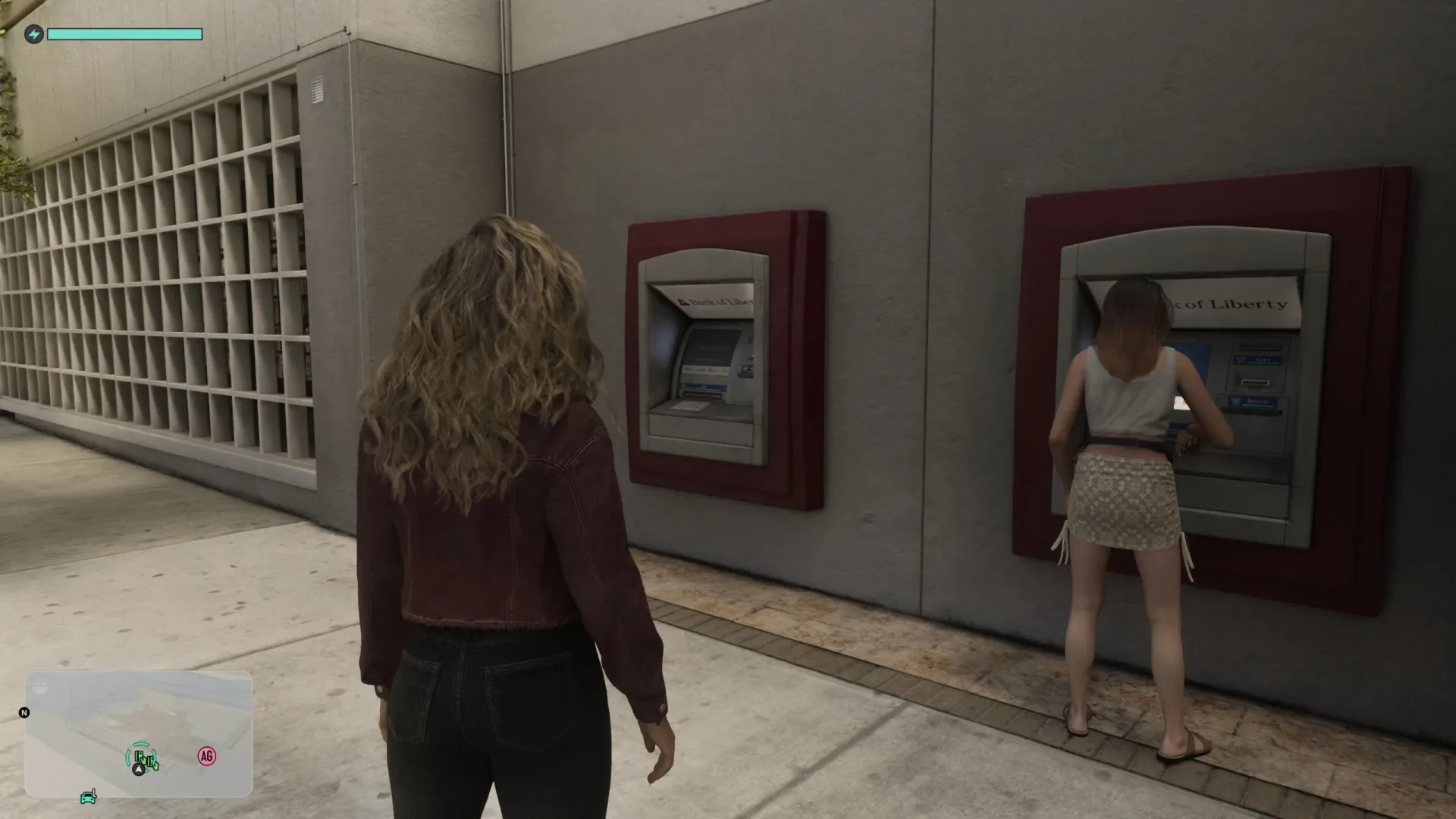
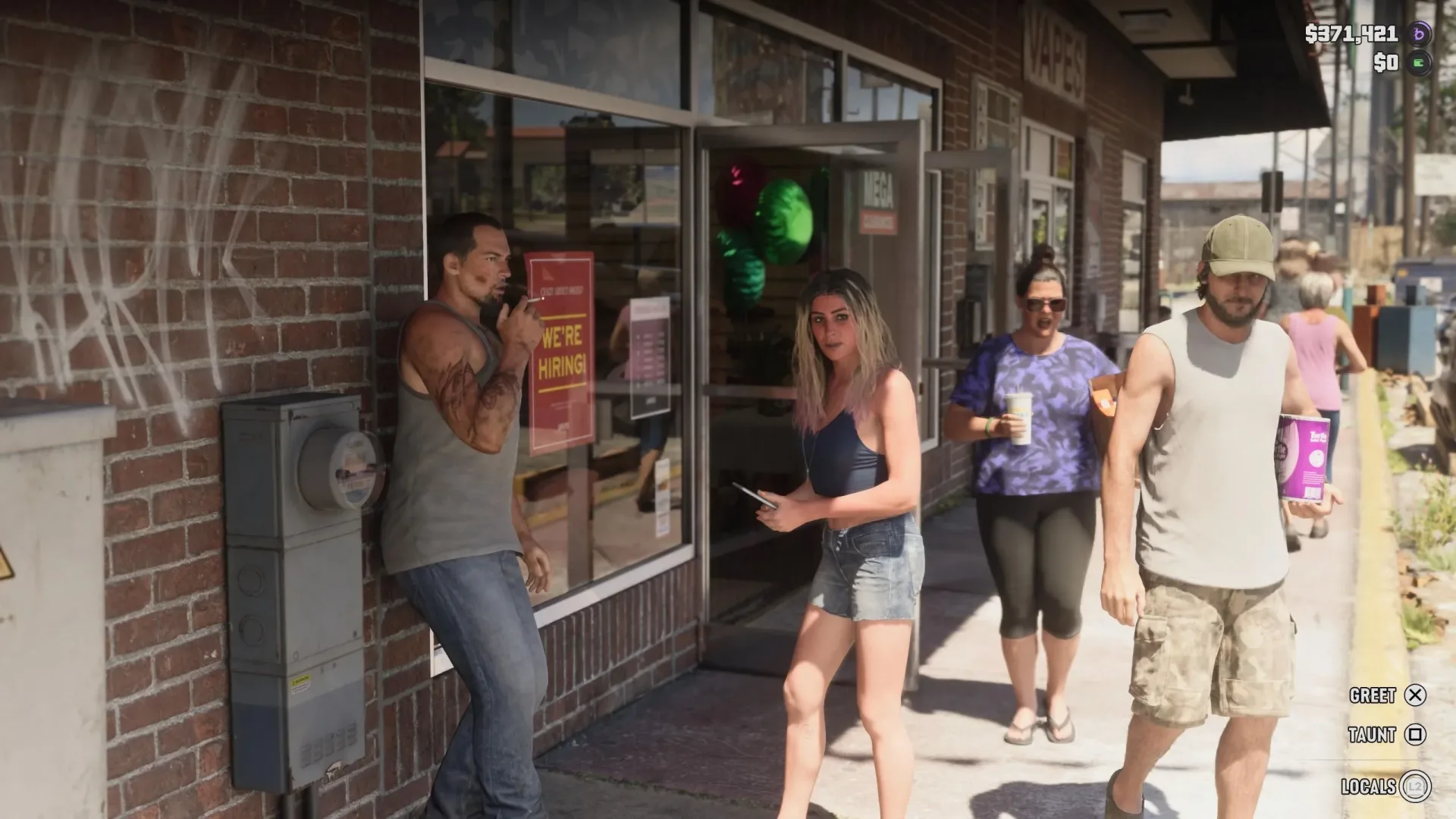
Players looking to experience all of Leonida through Jason and Lucia’s eyes will need to adjust expectations: GTA 6 does not include a full, freely selectable first-person mode. There is no general camera toggle that turns on a first-person perspective for open-world roaming, standard driving or mission play.
That distinction matters because GTA 5 later added the ability to alternate between first- and third-person viewpoints on its PS4 and Xbox One release in 2014. GTA 6 takes a more limited, contextual approach instead. The game can place the camera in first-person for specific actions, but it does not let players make it their default way to play.
For anyone searching menus, testing stick combinations or hunting for a cheat, the useful answer is simple: there is no hidden universal setting to activate. The available first-person moments are tied to particular interactions.
The short answer: no full first-person toggle
GTA 6 is designed primarily around its third-person camera. Players cannot switch into first-person and then continue freely through missions, on-foot exploration and the broader world from that viewpoint.
This is especially worth clarifying because pre-release material created the expectation that a first-person option might be present. In the finished game described here, that expectation does not translate into a mode players can enable at will.
It also means there is no reason to keep cycling through settings in search of a permanent perspective option. The game’s limited first-person views are intentional, action-specific camera states rather than an incomplete configuration step.
How contextual first-person views work
Although there is no all-purpose perspective switch, players can still occasionally see through Jason or Lucia’s eyes. These moments are useful for a closer look at people, objects and equipment, even if they do not change the game’s wider camera system.
Focus on a character, then press both sticks
To inspect a character or a specific item more closely, first focus on the character with L2 on PlayStation controllers or LT on Xbox controllers. Then click L3 and R3—the left and right analog sticks—at the same time.
That input enters a first-person view for the interaction, offering a more direct look at the subject. It should not be confused with a full first-person mode: the purpose is observation in that specific context, not unrestricted movement around Leonida.
In controller terminology, “click” means pressing the analog stick inward like a button. L3 refers to the left stick button, while R3 refers to the right stick button. The combination can be easy to trigger accidentally during hectic play, so it is helpful to use it deliberately when the goal is to examine a character or nearby detail.
Phone use can be first-person
Pulling out the in-game phone is another situation in which GTA 6 can use a first-person view. This fits the game’s contextual approach: rather than changing the player’s general camera preference, it shifts perspective for an activity where seeing the device directly is the point.
The phone view is therefore best understood as an interface or interaction perspective, not evidence that a broader first-person setting has been unlocked. Once phone use ends, players should expect the game to return to its standard third-person presentation.
Some vehicles support first-person views
First-person camera use is also available in certain vehicles. The key word is certain: the available information does not establish a universal in-car camera across every vehicle category, nor does it suggest that vehicle first-person can be treated as a permanent global camera selection.
For players who value cockpit-level immersion, this makes vehicle choice and situation relevant. A first-person driving moment may be available where the game supports it, but it does not change the absence of an on-foot, all-mission first-person mode.
Scoped weapons have a precision first-person option
Weapon scopes provide the clearest gameplay-focused use of first-person view. If a weapon has been modified with a scope, aim down sights and click R3 to enter first-person for more precise aiming.
Aiming down sights means using the weapon’s aimed view rather than firing from the hip. In practical terms, the camera change is associated with the scope-equipped weapon and its aiming state, rather than with general combat movement. It is a targeted tool for lining up shots, not a way to play an entire shootout from a first-person camera.
This limitation is still meaningful: a scoped first-person perspective can make careful aim more readable when the player needs accuracy. But after the immediate aiming task, the game does not become a conventional first-person action game. Mission traversal and the larger gameplay loop remain third-person.
What players should not expect
- No free-roam first-person setting: You cannot select first-person as the camera for ordinary on-foot exploration.
- No first-person mission run: GTA 6 missions cannot be played start to finish from a freely chosen first-person view.
- No cheat-based workaround: Available cheats do not provide a route into universal first-person mode.
- No confirmed future addition: There is no basis here to expect a later update to add the missing full-camera option.
That last point is important for players deciding whether to wait for a patch or search for an unlock condition. The game’s behavior should be treated as a deliberate set of contextual views, not a feature that needs to be discovered through progression.
Why the difference between a mode and a moment matters
“First-person mode” can describe two very different things. In one sense, it means a persistent player-selected camera: choose it once and the game stays there while walking, driving and completing objectives. That is the feature GTA 6 does not offer.
In the other sense, it means the camera moves into the character’s viewpoint for a particular action. GTA 6 does offer that second kind of first-person use: close inspection after focusing on a character, phone use, certain vehicles and scoped precision aiming.
Knowing which version is in the game prevents a common source of confusion. Seeing a first-person perspective during one interaction does not mean there is a nearby menu command that will make it permanent. Conversely, the lack of a global toggle does not mean every first-person-style view is absent.
Best use cases for the camera options that are available
The limited views still have practical value. Use the character-focus input when an interaction gives you a reason to look more closely at a person or object. Use first-person weapon aiming when a scoped gun calls for precision. Treat the phone and supported vehicle perspectives as situational presentation choices rather than systems to configure.
Players exploring the world’s visual detail may find the character-focus option the most relevant substitute for a general first-person camera. It will not turn strolling around Leonida into an eye-level tour, but it can provide a more intimate look when the game permits it.
For mission planning, the more consequential limitation is that third-person remains the baseline. Anyone who prefers first-person for navigation, combat awareness or role-playing should account for that before starting an objective. The scoped aiming option is an exception for accuracy, not a wholesale alternative.
If your immediate GTA 6 problem is about timing rather than camera perspective, the game’s time-management options are covered in this guide to skipping time with sleep, taxi rides and time-sensitive mission warnings.
Quick control reference
- Inspect a focused character or item: Hold L2/LT to focus, then click L3 and R3.
- Use first-person precision aiming: Equip a weapon modified with a scope, aim down sights, then click R3.
- Phone: First-person view is available while using it.
- Vehicles: First-person view is available in certain vehicles.
The bottom line is uncomplicated: GTA 6 has several first-person instances, but no full first-person mode. Use the contextual camera when an interaction supports it, rely on scoped aiming for close precision, and expect the rest of Jason and Lucia’s journey to stay in third-person.