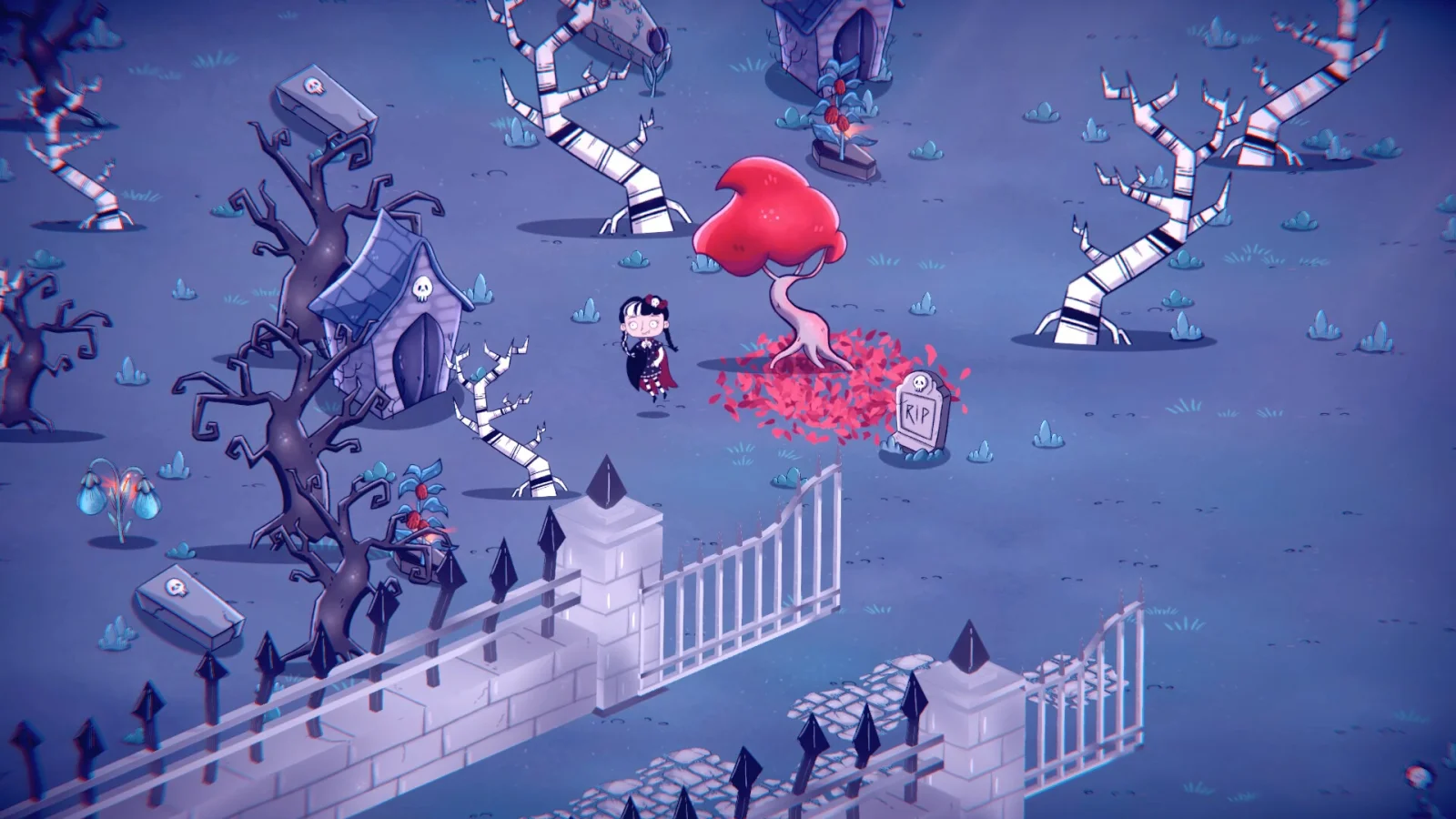
Zombuffoonery is an unscored Xbox launch assessment, not a hands-on review. Sharkgame’s single-player wave-survival action game combines escalating monster waves with fortifications, turret deployment, and direct combat. Brainium Games publishes the Xbox version, which is listed for Xbox One, Xbox Series X|S, and PC through Xbox Play Anywhere. The Xbox store gives the Xbox release date as September 18, 2026. That date should remain distinct from the July 23, 2026 PC release date listed on Steam.
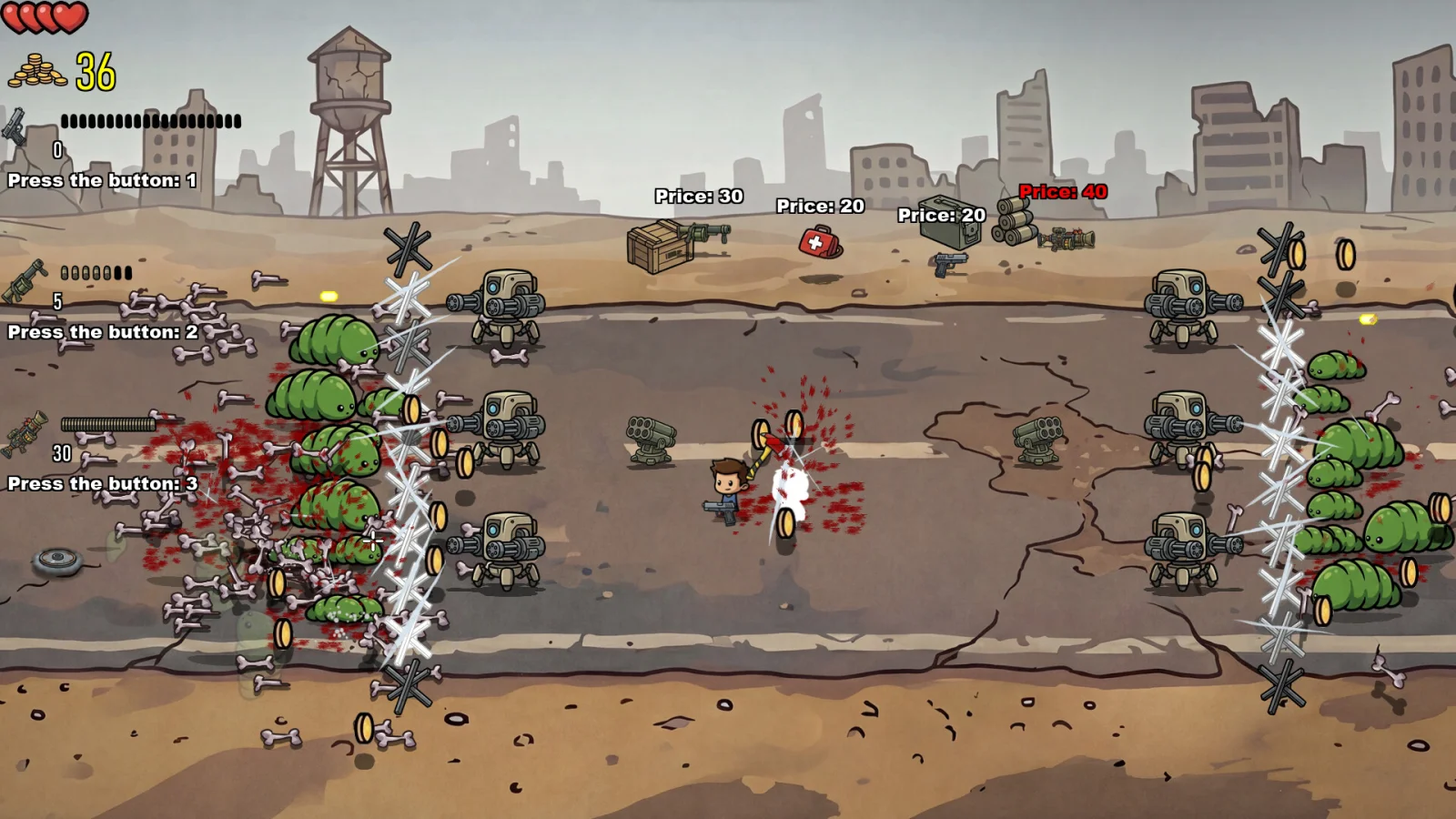
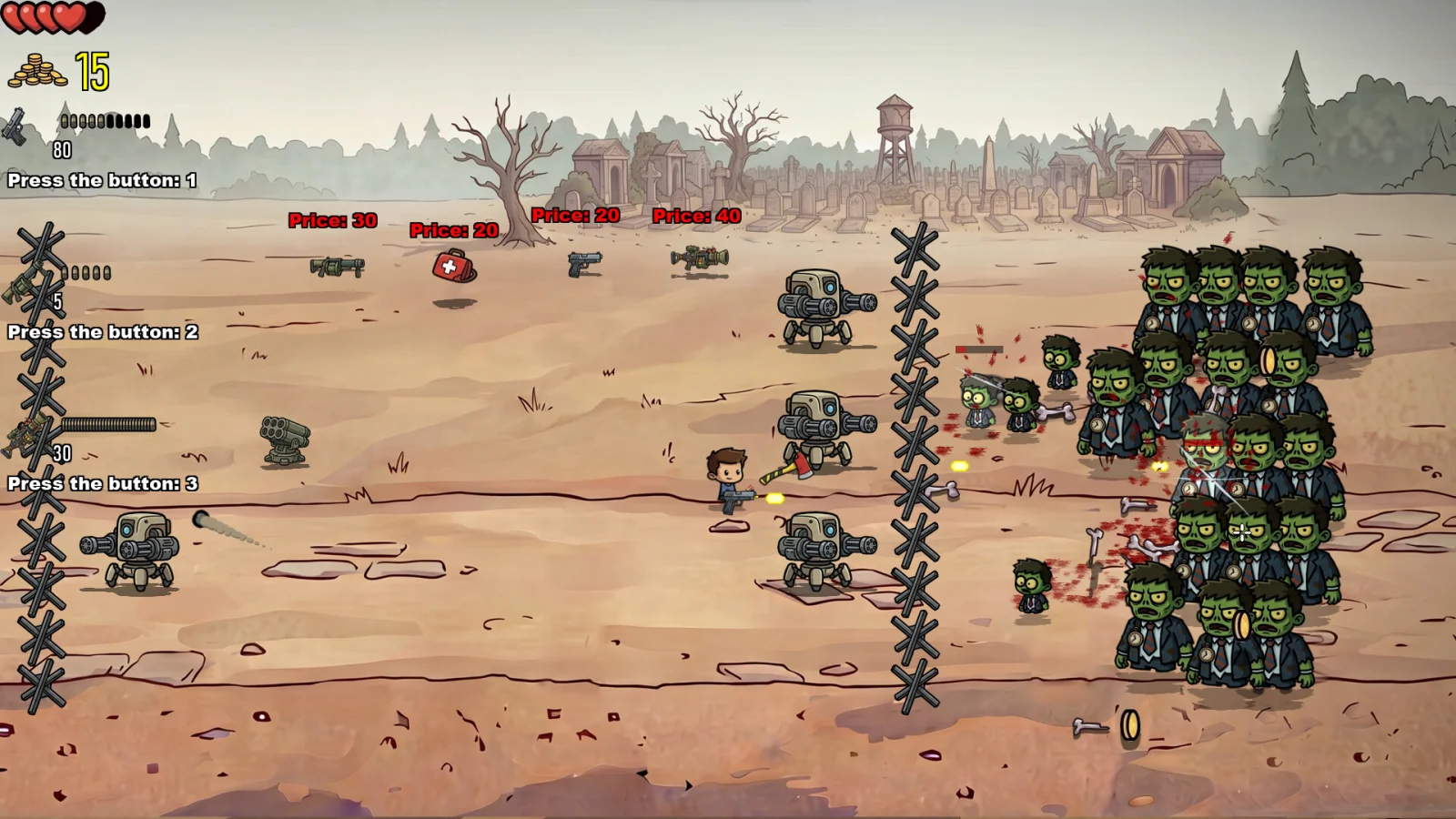
The available description establishes a broad survival loop. Monsters arrive in increasingly demanding waves. Players can build fortifications intended to slow them, deploy turrets, and fight personally with a pistol, grenade launcher, axe, and knives. Defeated enemies drop coins, leveling makes the player stronger, and health is identified as a continuing risk. These documented ingredients place Zombuffoonery at the intersection of direct-action survival and defense planning, with the player handling both active combat and the tools meant to contain pressure before it reaches them.
That premise has a straightforward appeal. A defense-focused game can emphasize placement and preparation, while a wave-action game can concentrate attention on immediate targeting and movement. Zombuffoonery’s stated systems could ask players to consider both at once. Fortifications are meant to slow monsters, turrets offer a documented automated offensive tool, and the named weapons ensure that personal intervention is part of the advertised loop. The important question is not merely whether several tools exist, but whether their interaction produces useful choices under pressure. The supplied information supports the possibility, not a conclusion about how well the design is tuned in practice.
What is established for the Xbox version
Zombuffoonery is listed as a single-player game on Xbox. The official description identifies escalating monster waves, buildable fortifications, turret deployment, coins dropped by defeated enemies, player leveling, and health risk. It also names four personal weapons: pistol, grenade launcher, axe, and knives. The Xbox listing advertises ten challenging achievements.
Xbox compatibility is listed for Xbox One and Xbox Series X|S, with PC availability through Xbox Play Anywhere. Smart Delivery, cloud saves, and achievements are also listed. These are documented platform features, but they are not evidence of responsiveness, controls, visual quality, or performance on a particular Xbox console. The store additionally lists support for eight languages. The individual languages should not be inferred from a separate PC storefront listing.
The supplied information is considerably more concrete about combat and defense systems than it is about narrative presentation. There is no reliable basis here to characterize story structure, dialogue, characters, visual style, or the intended tone. For prospective players, the dependable starting point is a solo survival premise built around resisting a rising monster threat while using defenses and weapons to keep that threat manageable.
A defense loop that could reward competing priorities
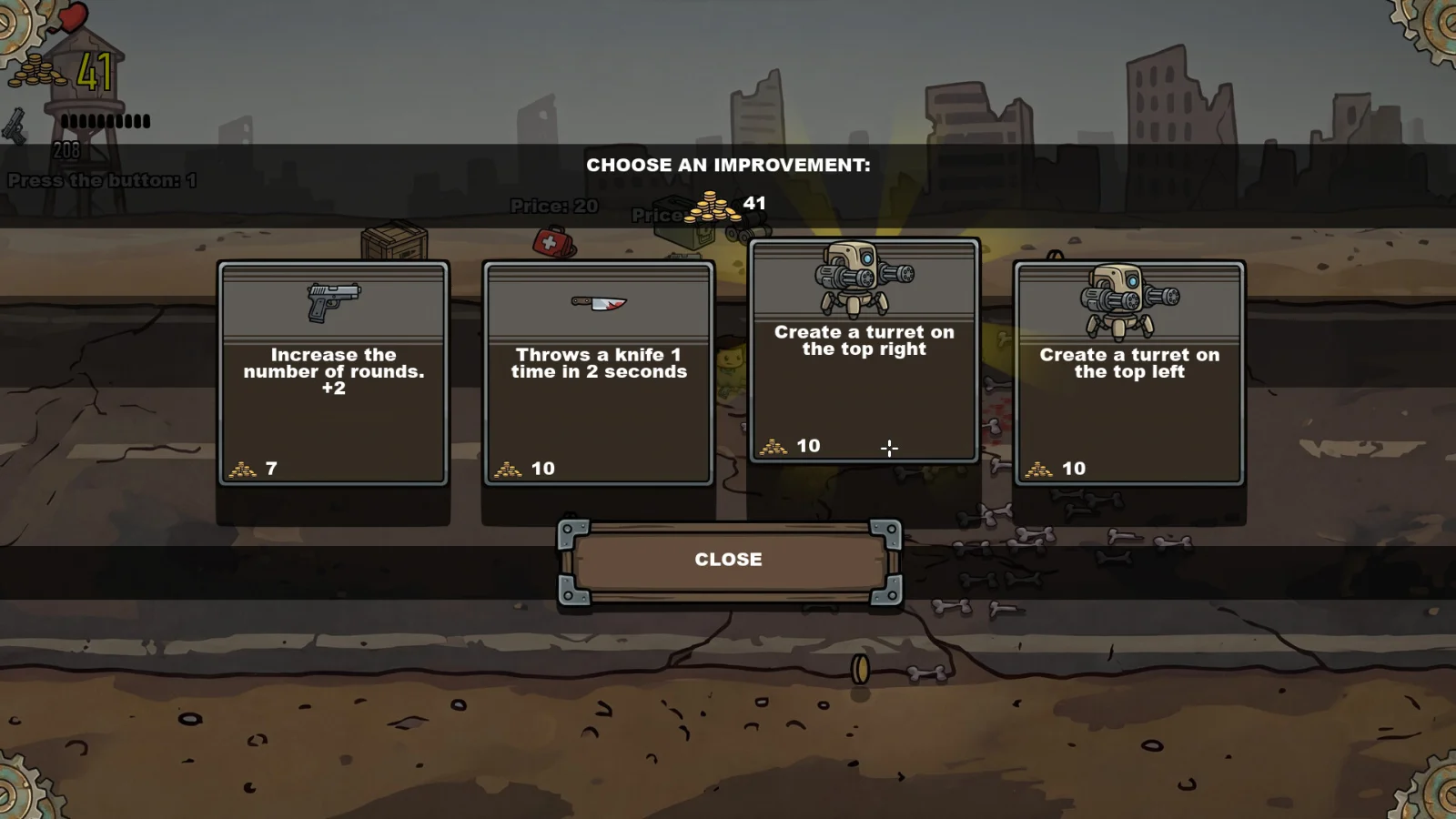
Fortifications and turrets are the most consequential advertised parts of the premise because they introduce possible considerations beyond immediate shooting. The game documents coin drops from defeated enemies, as well as defenses and turrets within its wave-survival loop, but it does not establish what coins purchase or how resources are distributed. If those systems are meaningfully connected during play, they could create decisions about whether to invest in delaying enemies, increasing automated coverage, or leaning on direct combat while saving resources for a later threat. That is conditional design analysis rather than a claim about the game’s economy.
Fortifications and turrets could also address different kinds of danger. A fortification intended to slow enemies could create more time to respond, reposition, or focus attacks. A turret could potentially cover an area that is difficult to watch continuously while the player deals with another direction. Direct weapons could remain the flexible answer when enemies get close or when a defensive position is under strain. Whether those roles are clearly differentiated depends on unestablished details including costs, durability, targeting behavior, damage, enemy behavior, and placement limits.
The listed weapon selection suggests potential variation in how the player engages threats. A pistol, grenade launcher, axe, and knives document a mixture of firearms and close-range tools. That mixture could make range, crowd pressure, and enemy proximity relevant considerations. A grenade launcher may imply an option with a different tactical role from a pistol, while axes and knives suggest that the advertised arsenal is not exclusively firearm-based. However, the available facts do not establish ammunition rules, attack speed, damage, aiming behavior, weapon handling, or the specific advantages of any tool. The supported conclusion is only that Zombuffoonery presents personal combat as a component alongside defense building and turrets.
Health is a documented risk, which could make delaying enemies with defenses strategically valuable. If a slowed approach gives the player extra time to react, a well-positioned fortification could matter for more than damage prevention alone. Yet the severity of damage, the availability of recovery, the frequency of close encounters, and the consequences of defeat are not established. Health creates an identifiable survival stake in the description, but it does not by itself reveal the game’s difficulty or punishment level.
Escalating waves and progression potential
Wave escalation is an appropriate foundation for a survival game because it can put pressure on a setup that initially seems sufficient. Zombuffoonery explicitly advertises increasingly demanding monster waves and player strengthening through leveling. Together, those systems could create a contest between incoming pressure and expanding capability. A compelling version of that structure would not necessarily make the player invulnerable; it could instead make each new strength another choice about how to handle the next increase in danger.
Coins introduce another documented reward element. Enemies drop them, while leveling is separately described as making the player stronger. The information provided does not explain whether coins buy defenses, upgrades, weapons, or anything else, and it does not identify an upgrade tree, unlock order, or persistent progression. Still, coins and levels could give waves two overlapping forms of value: surviving the immediate encounter and improving one’s position for later pressure. Whether that becomes careful planning, simple accumulation, or a different structure altogether cannot be determined from the feature list.
Escalating waves also make clarity a key potential design requirement. If players are expected to place fortifications, deploy turrets, select weapons, collect coins, and endure stronger assaults, they need some understandable relationship between decisions and results. This is not a claim that Zombuffoonery communicates its systems well or poorly. It is the central design question raised by the announced mix. A failed defense can encourage adjustment when a player can recognize whether positioning, timing, personal combat, or resource use contributed to the outcome. Without hands-on evidence, that clarity remains unassessed.
Why the hybrid premise is worth watching
For a relevant comparison of defense-game premise rather than proof of shared mechanics, see JokingJoystick’s Hex Core defense-game assessment. Zombuffoonery’s documented distinction is its combination of deployable defensive tools and a player-controlled arsenal. The player is not described solely as an observer placing automated protection; the store description also explicitly puts them into combat with four named weapons.
That hybrid structure could reduce the divide that sometimes exists between building and fighting. If placing defenses, deploying turrets, fighting monsters, collecting coins, and leveling are all active parts of the same survival loop, the game could ask players to make choices while under immediate pressure rather than solely between encounters. At the same time, such a design would need to keep its connected systems understandable. Players would need to see how fortifications, turret placement, weapons, health, coins, and leveling affect survival without losing the immediate appeal of action. There is not enough information to determine whether Zombuffoonery achieves that balance.
The ten listed achievements are also relevant to Xbox players who value platform objectives. Their conditions are not established in the available information, so they should not be treated as evidence of particular milestones, challenges, or gameplay structures. Their confirmed existence does, however, sit alongside the listed cloud saves, Smart Delivery support, and Xbox Play Anywhere availability as part of the Xbox package.
Verdict
Zombuffoonery has a focused Xbox premise: survive escalating monster waves alone, build fortifications to slow them, deploy turrets, fight with a pistol, grenade launcher, axe, and knives, collect coins from defeated enemies, and become stronger through leveling. The established feature set points toward an action-defense game in which automated protection and direct intervention could create worthwhile questions about positioning, priorities, and survival risk.
Its execution remains open. The supplied information does not establish combat feel, weapon balance, defense costs, enemy behavior, progression depth, controls, difficulty tuning, maps, visual fidelity, performance, session structure, or the long-term variety of the survival loop. The Xbox listing provides enough to identify a potentially appealing blend of wave action and defenses, but not enough to substantiate a quality score or a hands-on verdict. This is therefore an unscored launch assessment of the documented design.