KytyPS5’s latest build focuses on controller and device handling
KytyPS5-2026-10-05-72e4989 is the newest build in a sequence of development releases published between October 4 and October 5, 2026. Packages are provided for Windows x64, Linux x86_64 and macOS x86_64. Windows and Linux are the project’s primary platforms, while macOS support remains experimental.
The documented changes in this update concern controller audio, haptics-related handling and high-level device services. Several intermediate builds in the supplied range contain only links to their full changelogs, so no additional specific changes can be reported for those builds.
Linux recognizes the “Wireless Controller” audio endpoint
One update adds recognition for an audio endpoint named “Wireless Controller” on Linux. The change is part of KytyPS5’s haptics handling and is relevant when a host system exposes a compatible controller endpoint under that name.
This does not amount to a general compatibility guarantee for every controller or Linux audio configuration. The release notes identify the endpoint-recognition change but do not provide broader performance results or a list of newly supported games.
DualSense SpeakerFX receives a wider volume range
Another build raises the DualSense speaker volume range used by SpeakerFX. This gives the launcher a higher available range for supported controller-speaker audio scenarios.
The notes do not specify a new default volume, a measured loudness increase or changes to every DualSense audio path. The documented adjustment is specifically to the volume range used by SpeakerFX.
New Bluetooth, device and USB service stubs
KytyPS5 also adds high-level emulation stubs for BluetoothHid, DeviceService and Usbd. These stubs provide expected service interfaces or entry points without claiming to implement the full behavior of the corresponding hardware or operating-system services.
The additions provide compatibility groundwork for software that checks Bluetooth HID, device-management or USB-related services. They should not be read as a claim of complete Bluetooth or USB emulation, newly working games or finished peripheral support; the release notes do not document those outcomes.
Packages and project status
The newest supplied tag is KytyPS5-2026-10-05-72e4989, published on October 5, 2026 at 06:41 UTC. The attached packages are KytyPS5-2026-10-05-72e4989-Linux-x86_64.tar.gz, KytyPS5-2026-10-05-72e4989-macOS-x86_64.zip and KytyPS5-2026-10-05-72e4989-Windows-x64.zip.
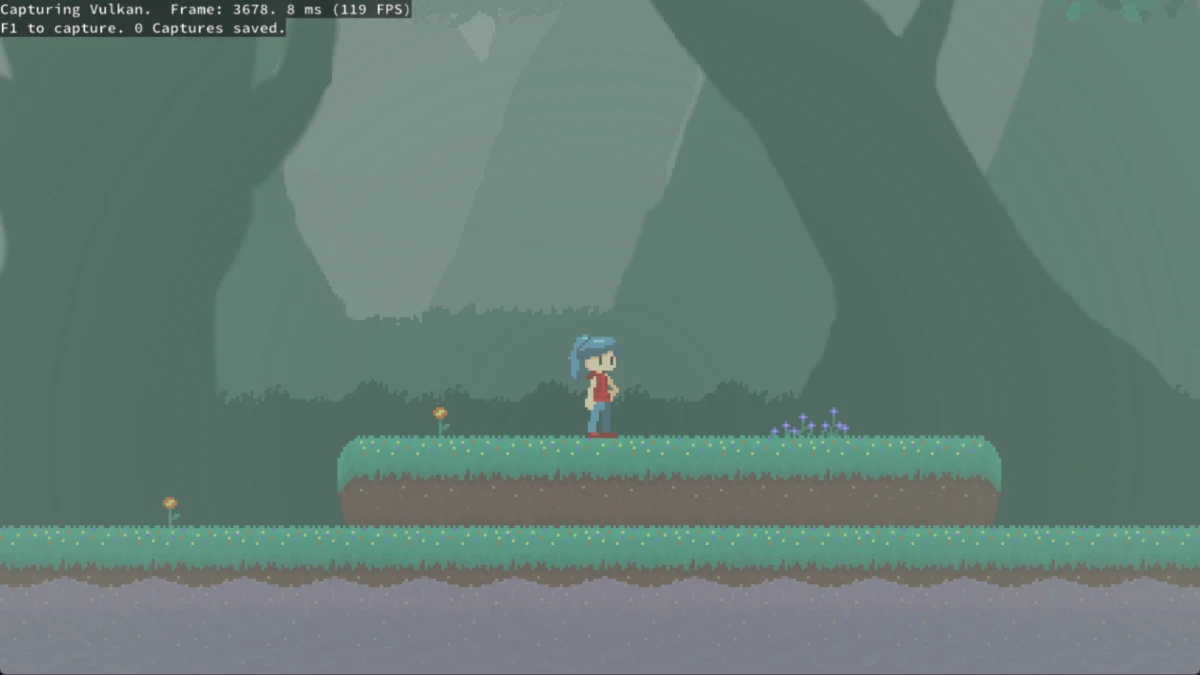
KytyPS5 is a free, open-source PlayStation 5 emulator for desktop operating systems. The project says it can boot 2D games and a selection of 3D games, including titles built with Unreal Engine 4 or 5, Unity and custom engines. Compatibility, stability and performance can vary between builds, and the project remains in active development.
Desktop platforms and graphics requirements
Windows and Linux receive the most testing. The emulator uses a Vulkan 1.3-capable GPU with current drivers on those platforms. macOS builds target x86-64 and run under Rosetta 2 on Apple Silicon, with Vulkan provided through MoltenVK. The project identifies macOS support as experimental and says that release archives include a signed MoltenVK library.
KytyPS5 does not distribute games or copyrighted system software. Users must provide game files obtained legally. The project’s documentation says the launcher can search configured folders recursively for game directories containing eboot.bin, as well as ZArchive game dumps whose archive root contains eboot.bin. ZArchive dumps are mounted read-only and streamed without needing to be extracted first.
What this update means for users
Linux users with a controller endpoint exposed as “Wireless Controller” may benefit from the new recognition in haptics-related handling. DualSense users may also gain more room to adjust SpeakerFX volume through the launcher. The new service stubs are less immediately visible, but they extend the interfaces KytyPS5 can present to software that probes Bluetooth HID, device or USB services.
The supplied notes do not identify a specific game made playable by these changes, and they do not document measured audio improvements or complete peripheral emulation. As with other active-development builds, compatibility and stability can change between versions.