Faster rendering on ARM hardware
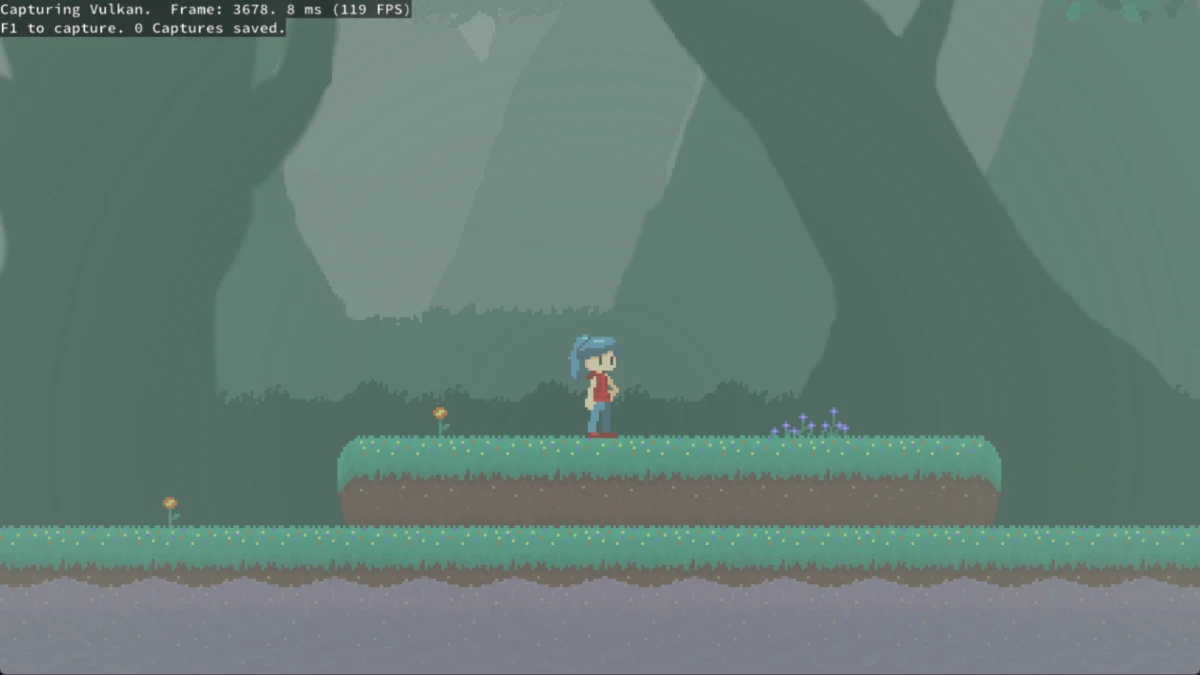
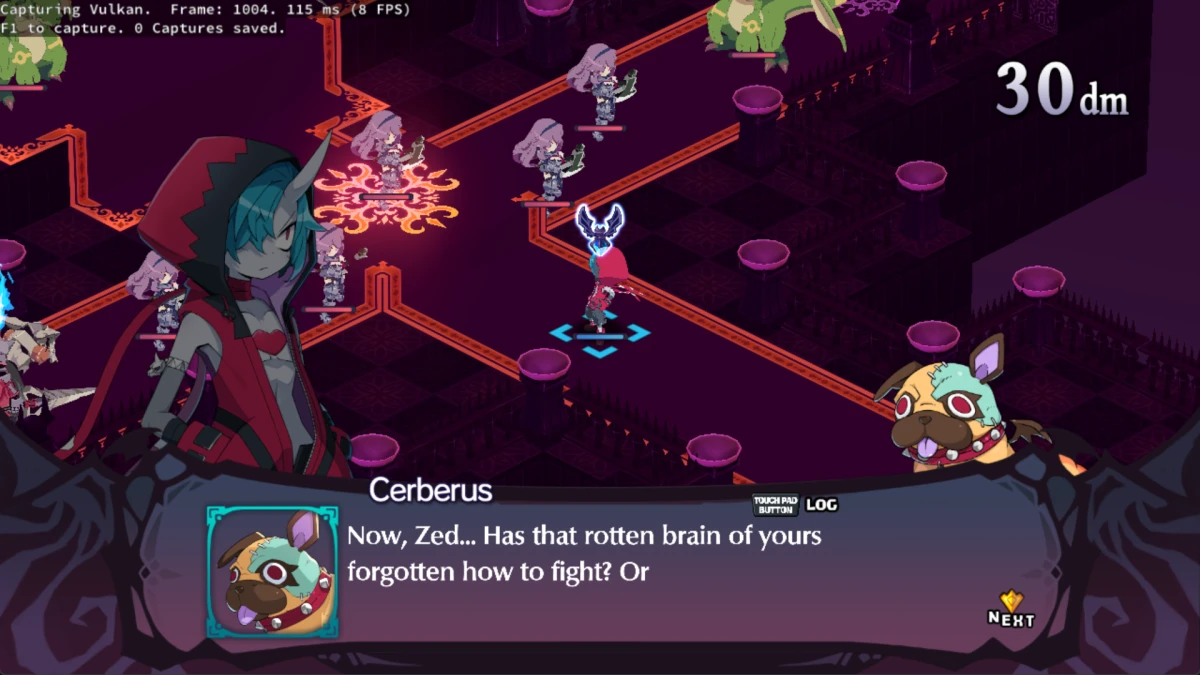
The release concentrates on the graphics synthesizer, with work spanning the software renderer, Classic hardware renderer and Vulkan device policy. The project reports improvements across tests performed on Snapdragon 865, Dimensity 8300 and Snapdragon 662 devices, although these figures are project-provided measurements rather than independent testing.
On the Snapdragon 865 test system, the supplied 22-scene replay set became faster in most cases, including reported gains of 38% for Xenosaga and 27% for Katamari B. The Dimensity 8300 results show larger improvements in several scenes, with Xenosaga reported at 84% faster and Stuntman at 64% faster. The project also says that all 22 tested scenes fit within their frame-time budget at worst case after the update on the Dimensity device.
Accuracy and Vulkan changes
The software renderer now models several PlayStation 2 graphics behaviors more closely, including dithering, interpolation, texture-filtering weights, anti-aliasing coverage and destination-alpha handling. Changes to the graphics core add optimized vertex processing, console-measured palette rules and a narrower per-draw environment snapshot.
The hardware renderer gains more precise alpha-mask tracking, alternative blend paths for devices lacking required barriers, improved sprite-edge handling at higher scale and a workaround for Turnip devices that disregard fixed blend constants. Vulkan changes include explicit external dependencies between render passes, revised descriptor-pool and stream-ring handling, deferred non-coherent memory flushing, device-fault reporting and a readback transfer-size correction. The shader-cache format advances from version 108 to 114.
Device policy and game fixes
On Dimensity 8300 systems using Mali-G615 graphics, Auto now selects Vulkan and enables in-tile framebuffer fetch. A DisableFramebufferFetch option is provided to revert that behavior, while other MediaTek Mali hardware continues to use the copy path. The release also adjusts Turnip and Adreno handling, including a narrower stencil restriction and cached stream-ring memory for Adreno 610.
Jak X: Combat Racing should no longer become stuck at the Saving Data screen after a profile save. Additional fixes cover car reflections in Ridge Racer V, native scaling in S.L.A.I., half-pixel positioning in Syphon Filter: Logan’s Shadow, and recommended High blending plus AA1 settings for God of War II.
Texture packs and Android builds
ARMSX2 2.6.9 adds support for ASTC KTX and tar.zstd texture packs. The release also includes an Android build of the new graphics replay and diagnostic runner, with replay-loop, draw-log, per-frame statistics and console-payload options intended for device-side analysis.
The published assets are Android ARM64 packages targeting SDK 26, 30, 33 and 35. ARMSX2 remains a PlayStation 2 emulator based on PCSX2, using native ARM64 recompilers and targeting ARM64 systems; the listed release assets specifically document Android packages rather than a new packaged build for every platform mentioned by the project. A legitimately obtained PlayStation 2 BIOS is required according to the project’s documentation.