Sports Illustrated magazines have long been a familiar kind of sports keepsake: something saved in a bedroom, office, attic, or long-forgotten stack near a bookshelf. In 2026, more collectors are giving those issues a closer look. Magazine collecting and third-party grading have gained momentum, and Sports Illustrated is part of that renewed attention.
The important lesson for anyone pulling old copies from storage—or considering a first purchase—is that a cover subject alone does not tell the full story. Two copies with the same athlete, date, cover photograph, and apparent condition can carry different collector appeal. The biggest distinction is often whether the magazine was a subscription copy or a newsstand copy. First cover appearances and physical condition can matter, too.
That does not mean every old issue is a hidden jackpot. It does mean that collectors should identify precisely what they have before assigning a value, listing an issue, or deciding whether grading makes sense. A magazine is both a printed artifact and a display piece; the details visible on its cover can significantly affect how it is received by the market.
The first check: subscription copy or newsstand copy?
The most practical starting point is determining how the magazine was originally distributed.
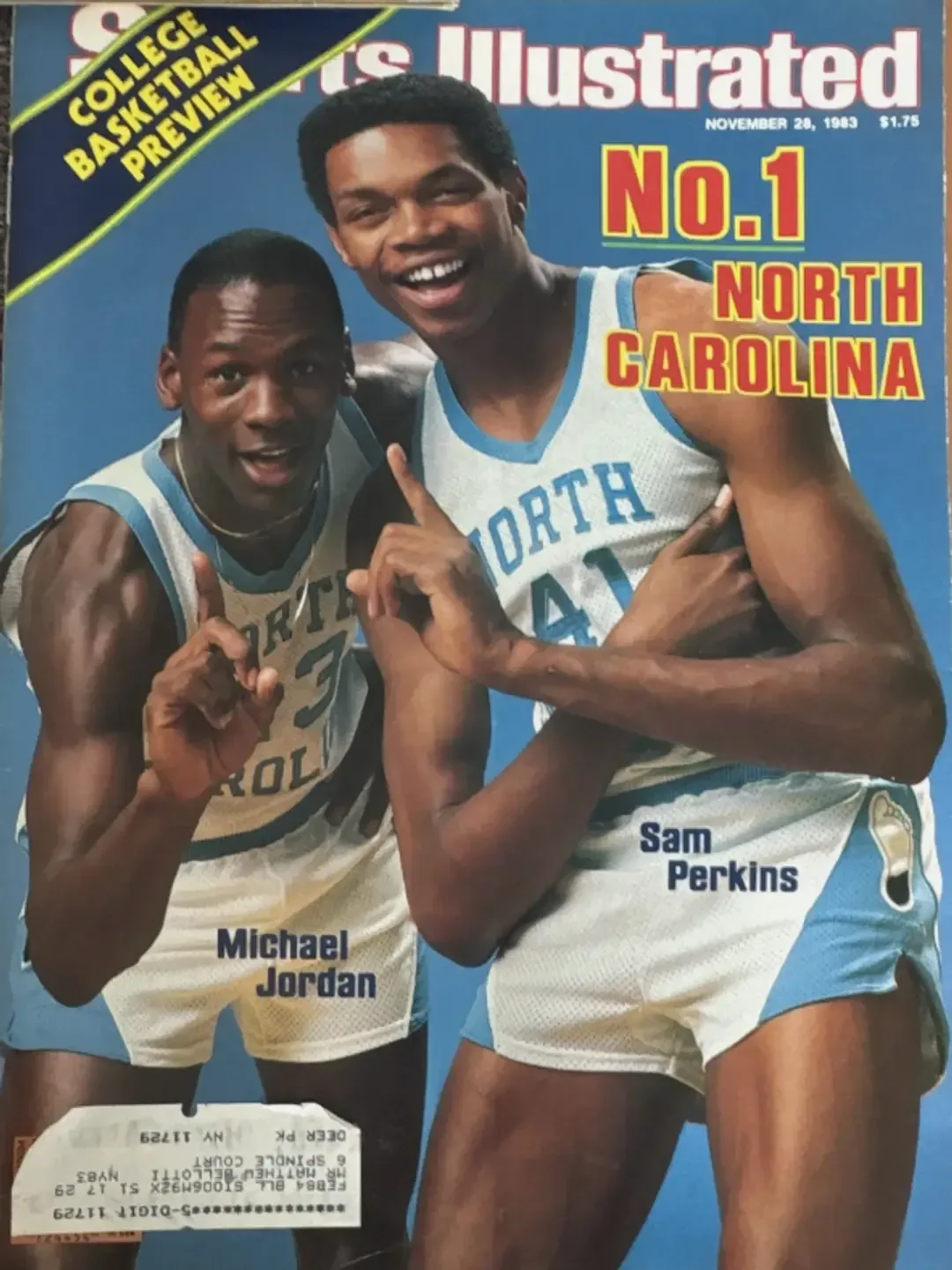
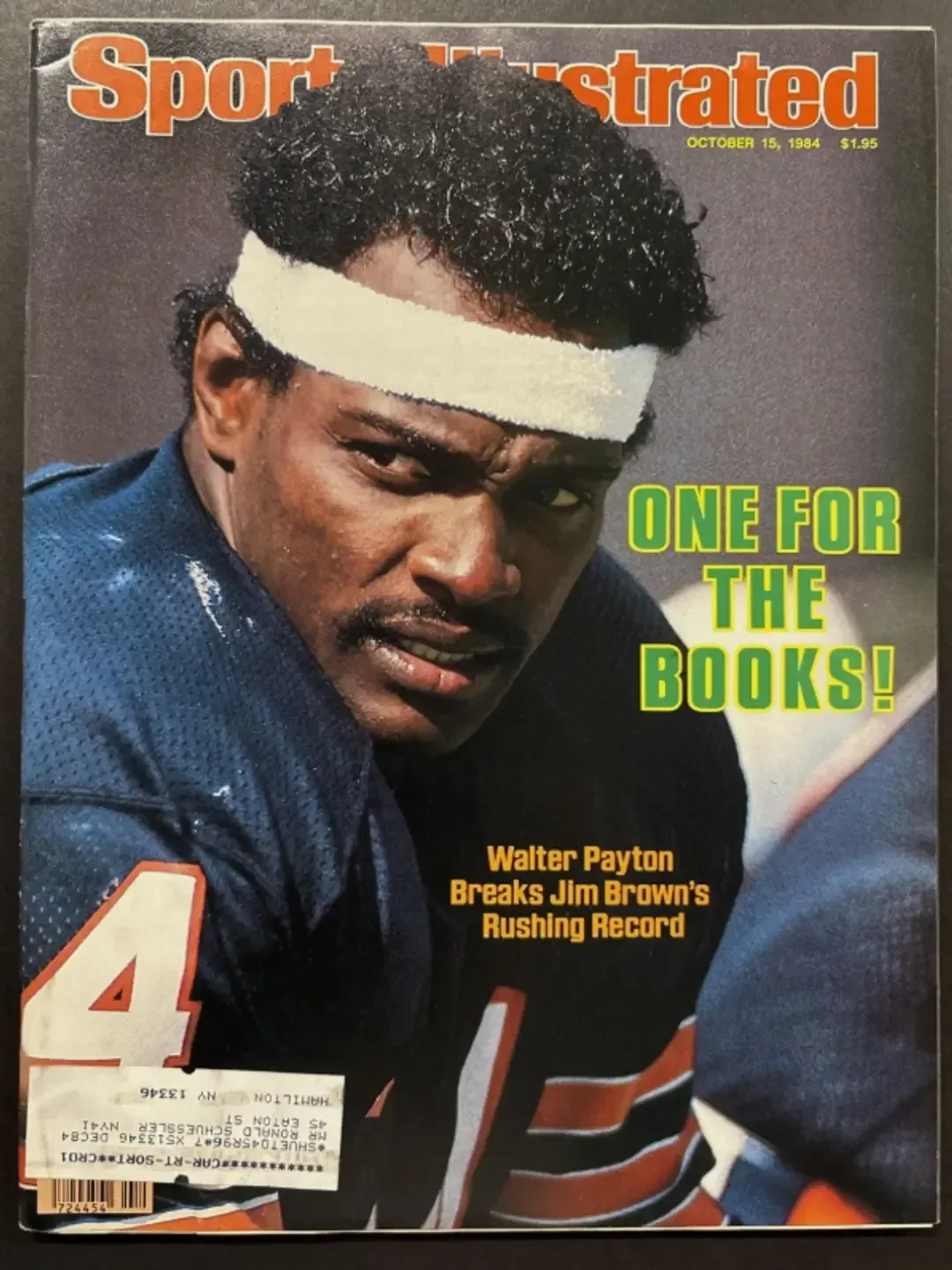
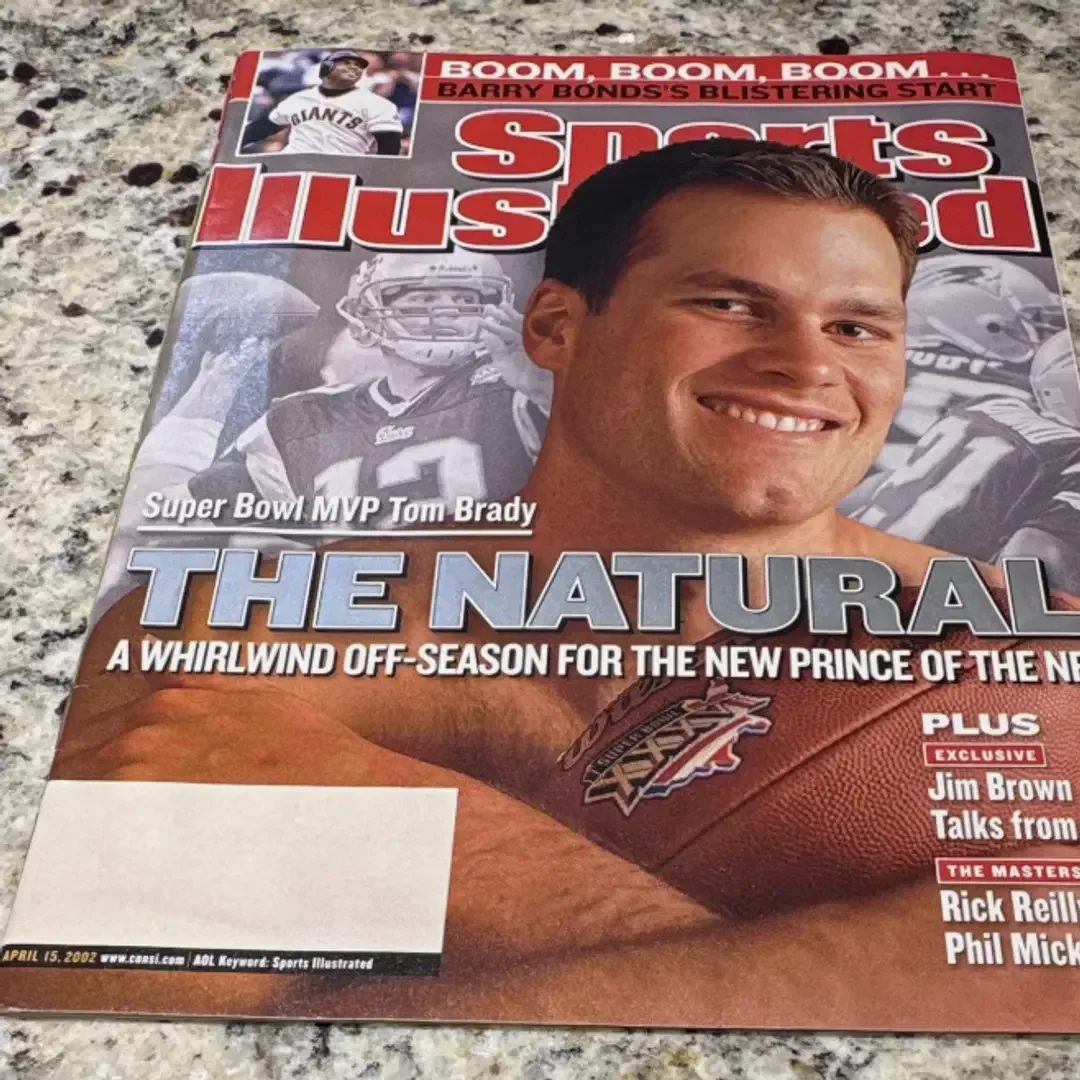
Subscription issues were mailed to readers. They commonly have an address label on the front cover. For many collectors, that label reduces visual appeal because it interrupts the cover art, headline design, and photograph. These copies generally sell for considerably less than their newsstand counterparts.
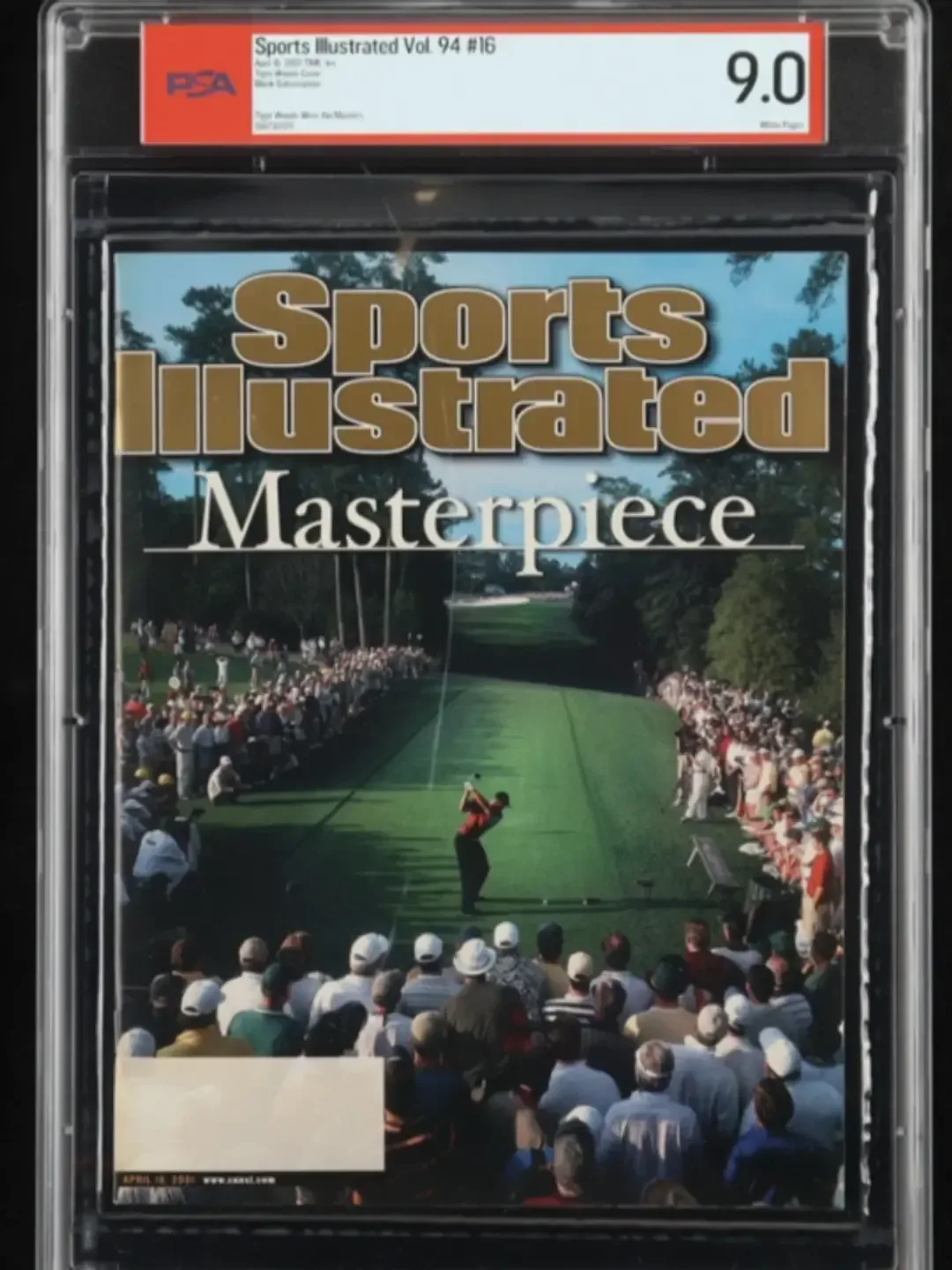
However, the absence of an address label does not automatically transform a copy into a newsstand edition. A label might have been removed, potentially leaving evidence behind. Some mailed copies were sent with advertising placed over the relevant area rather than a conventional visible address label. Others can have a blank white box where the label would normally appear. Those details can confuse newer buyers, but they do not add value simply because the recipient information is no longer visible.
Newsstand issues can be identified by a barcode on the cover, typically in a bottom corner, though its exact placement can vary. This is the key marker to look for. A newsstand copy offers a cleaner presentation than a labeled subscription issue, and that visual advantage is a major part of its appeal.
There is also a supply consideration. Copies displayed and sold at retail could experience rougher handling during delivery and while on the stand. As issues get older, well-preserved newsstand copies may be harder to locate. That does not eliminate the need to assess each magazine individually, but it helps explain why the edition distinction can have an effect beyond appearance.
Related coverage includes Sports Illustrated Magazine Collecting: Subscription, Newsstand and First Covers.
A straightforward value example
The October 15, 1984 issue featuring Walter Payton provides a useful comparison. An ungraded subscription copy in good shape recently sold for $5, while an ungraded newsstand copy sold for $15. The two sales do not establish a universal price rule for every Sports Illustrated issue, condition, or athlete. They do clearly illustrate the principle: collectors may pay differently for the same dated issue depending on its distribution version.
For a buyer, the practical implication is simple: compare like with like. A low sale for a subscription copy should not be treated as a direct valuation for a clean newsstand example, and a strong newsstand sale should not be used to price a mailed copy as though the address label were irrelevant.
Why a first cover can carry extra collector interest
Athletes’ first Sports Illustrated cover appearances can create another layer of desirability. The cover becomes a recognizable milestone: not merely an issue featuring an athlete, but an early landmark in that athlete’s wider public sports story. That premium is particularly relevant for Hall of Fame players and athletes collectors view as likely future Hall of Famers.
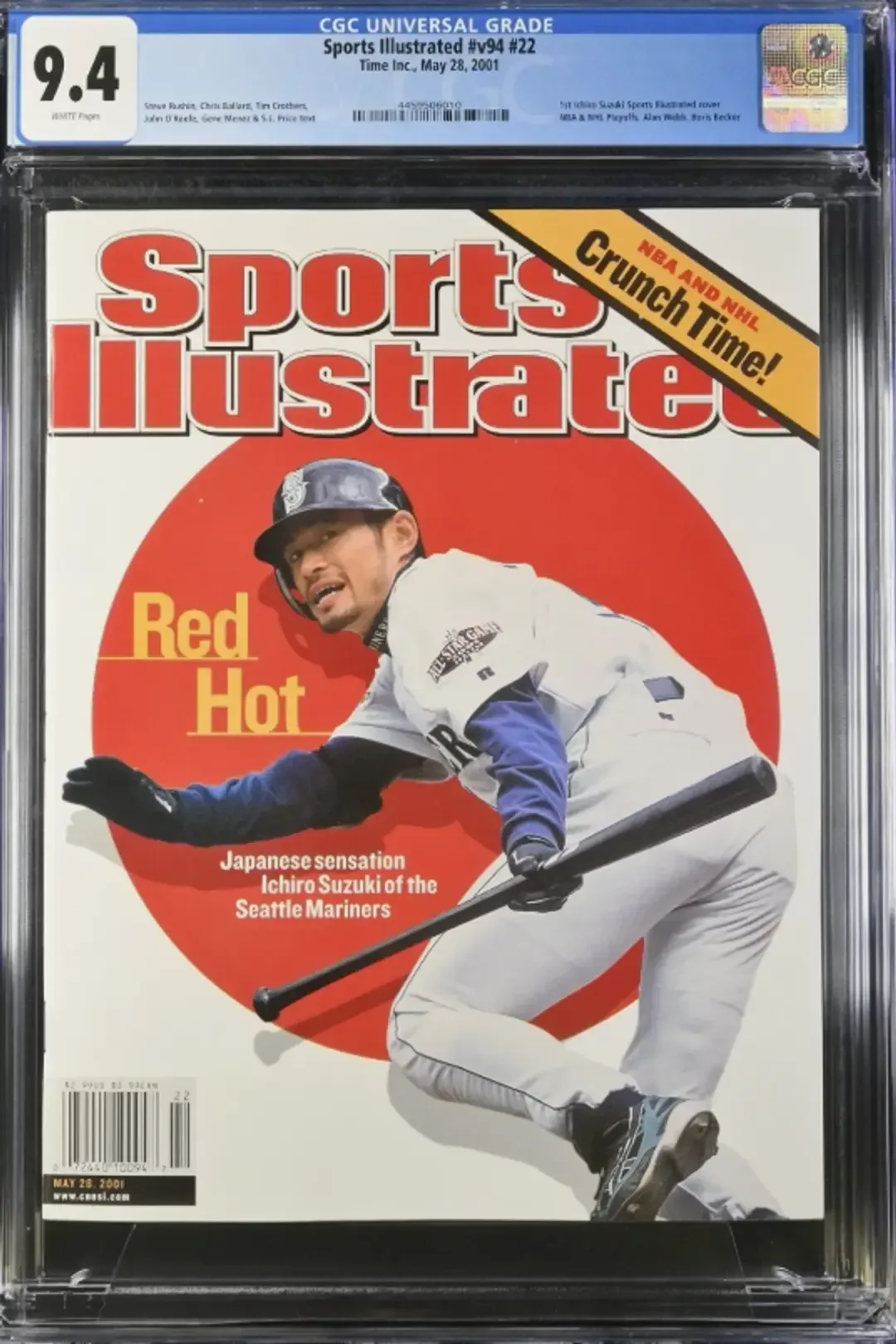
Ichiro’s first Sports Illustrated cover appearance, dated May 28, 2001, shows how that interest can appear in real sales. An ungraded newsstand copy has sold in the $18 to $25 range. That is stronger than the level associated with an ordinary newsstand issue, reflecting the added importance of the first-cover designation.
The ceiling can move much higher in a strong certified grade. A CGC 9.4 example of that Ichiro first cover sold for $270 last month. This is a notable result, but it should be read carefully. It is evidence that a first cover, a newsstand edition, and high condition can combine to draw substantial interest. It is not proof that all Ichiro copies—or all first covers—will command a similar number.
That distinction is central to sensible collecting. “First cover” is a meaningful description, but it is only one variable. Edition, preservation, grade, and the particular demand for the athlete all shape the outcome.
What grading means for magazine collectors
Grading is the process of having a third party assess a collectible’s condition and assign it a numerical grade. In the magazine space, PSA and CGC are among the prominent companies attracting collector attention. A graded magazine is generally placed in a sealed holder with the assigned grade displayed, making its condition assessment easier to communicate when it is stored, displayed, or resold.
The stated grade is especially important because magazines are vulnerable to the kinds of flaws that can undermine their presentation: wear from handling, delivery damage, and the cumulative effects of age. Since newsstand issues may have faced harsher treatment before they ever reached a buyer, an especially well-kept copy can stand apart.
Still, certification should be approached as a tool rather than an automatic upgrade. The available sales information supports stronger interest in certain combinations—such as a desirable athlete’s first cover in a high grade—but it does not establish that grading every issue will be financially worthwhile. Collectors should first identify the edition, confirm why the issue matters to them or to the market, and take an honest look at the magazine’s condition.
In other words, grading can make a compelling copy easier to define and display. It cannot make an ordinary issue historically significant, turn a subscription copy into a newsstand copy, or erase wear that affects the assigned grade.
A practical inspection routine for stored magazines
Collectors who uncover a pile of Sports Illustrated issues do not need to begin by chasing headline sales. A more useful process is to sort and document what is in front of them.
- Record the issue date and cover athlete. The date is essential. It separates seemingly similar copies and helps establish whether a magazine could be a notable first cover.
- Identify the edition from the cover. Look for the barcode associated with a newsstand issue. If there is an address label, a blank box, or signs a label has been removed, treat the copy cautiously rather than assuming it is a clean newsstand example.
- Note condition honestly. The magazine’s survival state is part of the collectible. Older newsstand copies in better shape can be harder to find, which is why condition can become more consequential.
- Separate personally meaningful copies from resale candidates. A favorite athlete, a memorable season, or a cover tied to childhood can be enough reason to keep an issue, regardless of edition or grade.
- Use comparable sales with the right details. When assessing market interest, match the publication date, athlete, edition, raw-versus-graded status, and stated condition as closely as possible.
This routine reduces a common mistake: treating a magazine’s cover subject as the only meaningful identifier. In this hobby, the same athlete can appear in copies with very different collector profiles.
Market interest is real, but so is uncertainty
Sports Illustrated is participating in a wider rise in magazine collecting and grading in 2026. Certain copies have seen significant increases in attention and value, while other issues are drawing interest for more individual reasons. The graded segment has also grown this year, and that activity could continue.
“Could” matters. Recent sales offer useful snapshots, not guarantees. The Walter Payton comparison demonstrates an edition premium in two ungraded sales. The Ichiro results demonstrate the greater potential attached to an important first cover, particularly in a high certified grade. Neither example establishes a permanent floor, a fixed multiplier, or an assured future result.
For collectors, that uncertainty favors careful language and careful buying. Describe a copy by what it verifiably is: its date, its cover subject, whether it is subscription or newsstand, its condition, and any third-party grade. Avoid letting one standout sale become the basis for broad claims about every issue featuring the same athlete.
This is also why a collection built solely around short-term market expectations can be fragile. Collector demand can be influenced by athlete recognition, cover milestones, scarcity of well-preserved examples, visual appeal, and grading interest. Those factors do not always move together.
Collect the cover that means something to you
Market awareness and personal enjoyment do not have to be opposing approaches. Some collectors will prioritize barcode-bearing newsstand issues and high-grade first covers. Others will happily keep subscription copies because the athlete, image, or memory matters more than an address label. Sports Illustrated has a particular nostalgic pull for people who remember checking the mailbox to see that week’s cover.
That personal connection is a legitimate collecting rationale. A worn subscription issue featuring a favorite athlete can be the perfect office display even if it will never be a premium graded piece. Meanwhile, a collector focused on condition-sensitive examples can pursue newsstand copies with a clearer understanding of what distinguishes them.
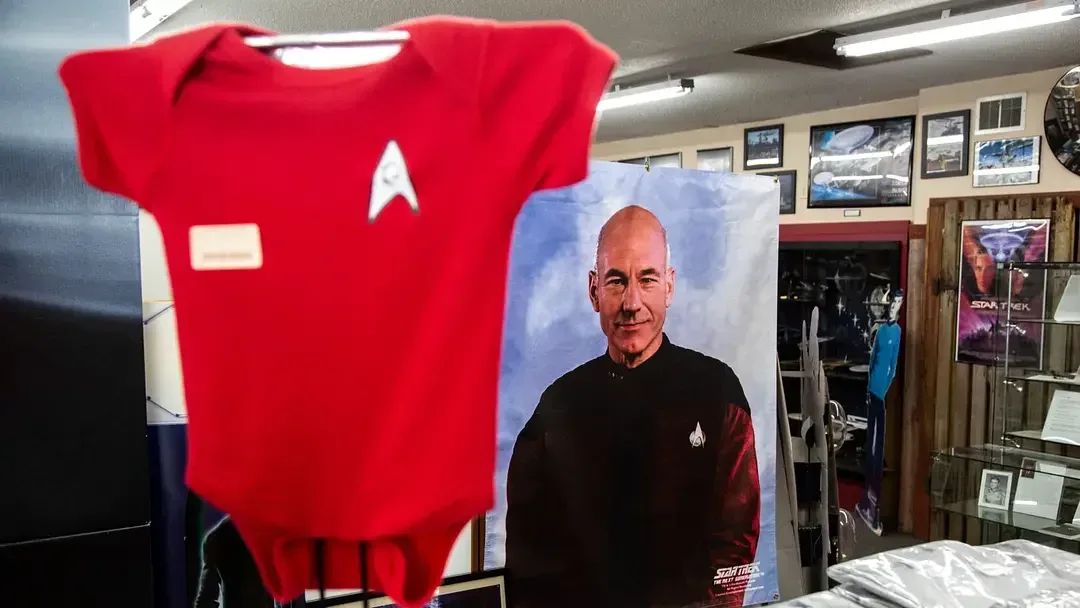
The broader physical-media hobby contains many routes into collecting, from publications to signed items and figures; the range is visible in this look at Patrick Stewart collectibles, figures and autograph cards. Sports Illustrated magazines offer a particularly approachable version of that impulse: a recognizable cover, a defined publication date, and clear differences that reward close inspection.
For anyone starting out, the best approach is to learn the newsstand-versus-subscription distinction, pay attention to first-cover milestones, and remember that condition has a real role in both raw and graded collecting. Then choose the issues you actually want to own. The market may be active, but the magazine on the shelf should still be one worth looking at.
Shop the products
Check current price, model and availability at the retailer.
- SI Magazine 11/28/83 - Michael Jordan 1st Cover Subscription Issue | eBay on eBay
- SI Magazine 4/15/02 Subscription Issue Tom Brady 1st Cover | eBay on eBay
- SI Magazine 10/15/84 Walter Payton Subscription Issue | eBay on eBay
- SI 5/28/01 - First Ichiro Cover Appearance | eBay on eBay
- SI Magazine Tiger Woods Cover PSA 9 | eBay on eBay