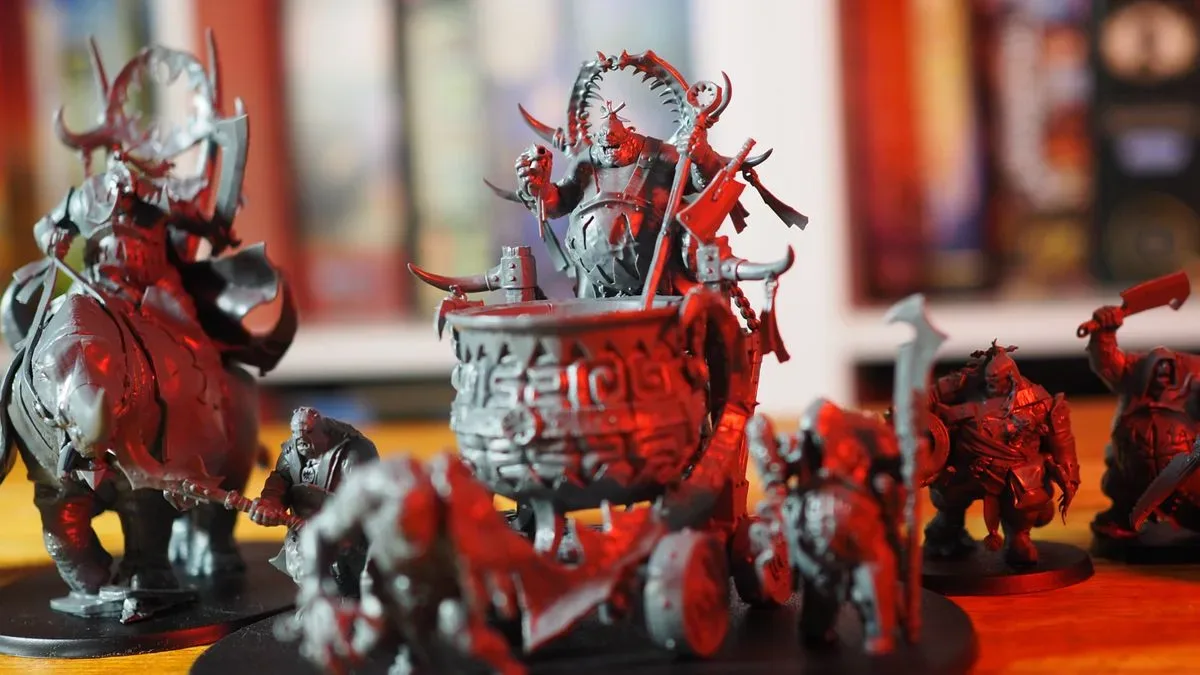
The Sons of Behemat have always had a wonderfully direct battlefield philosophy: arrive, loom over everyone, and apply an impractically large foot to the problem. In Warhammer Age of Sigmar, that identity has made the gargant faction instantly understandable. Its biggest strengths have traditionally been physical presence, punishing melee attacks and the unnerving fact that even its supposed “small” members are still giants by ordinary standards.
The newest Sons of Behemat additions and Battletome for Age of Sigmar’s fourth edition do not discard that appeal. Giants are still here to clobber things. What changes is the number of ways they can support that plan. Ma Maegran brings the faction’s first dedicated magical role, while the Boss-stompers and Rock-hurlers offer a more organized, configurable type of gargant unit. Most importantly, Rock-hurlers give an army famous for closing distance a way to create pressure at range.
That is a notable shift for a force that has often been defined by a single, very loud solution. The new rules and miniatures suggest an army that can still win through brute strength, but can now use buffs, debuffs, shooting and combat sequencing to make that strength land at the right moment.
Ma Maegran gives the gargants a magical support piece
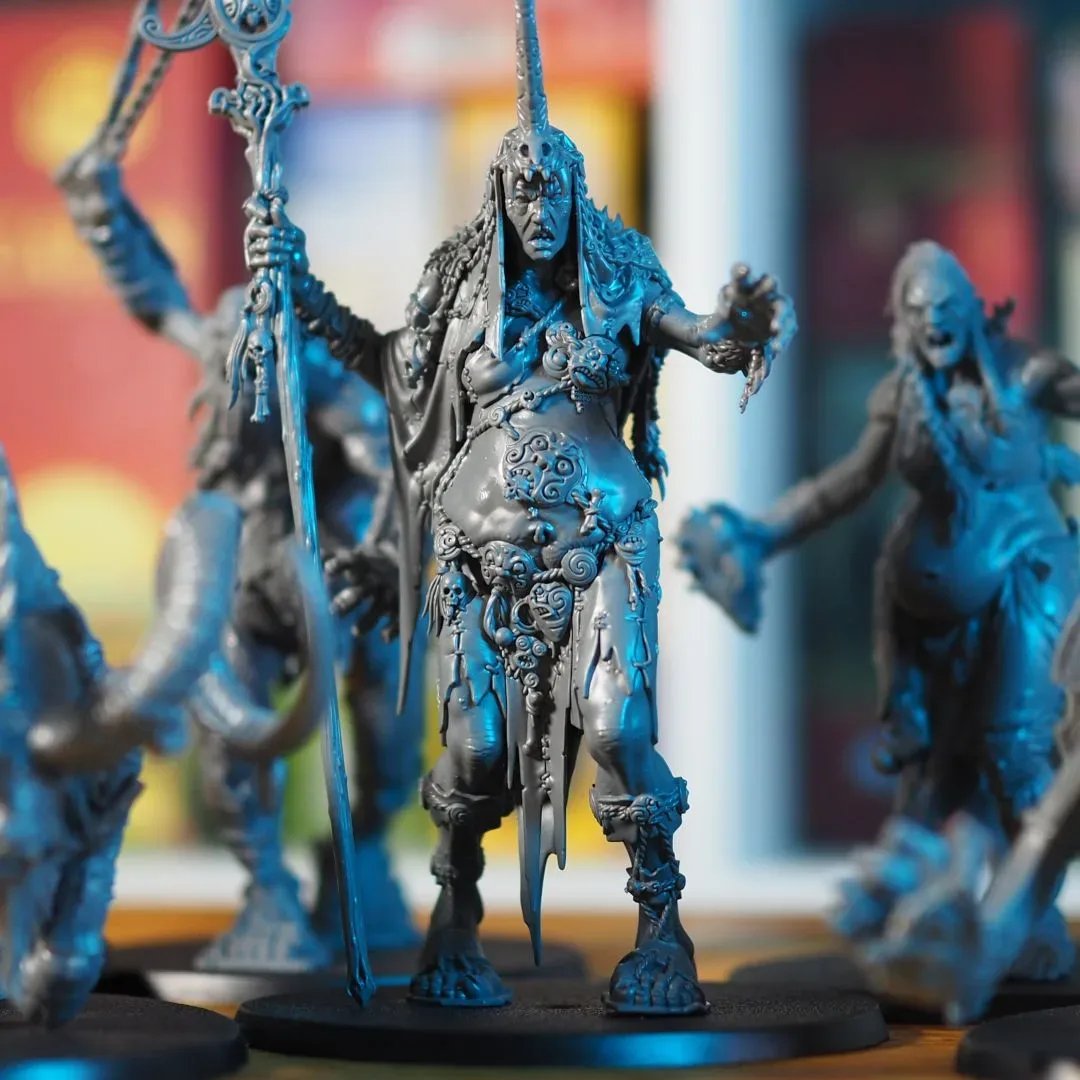
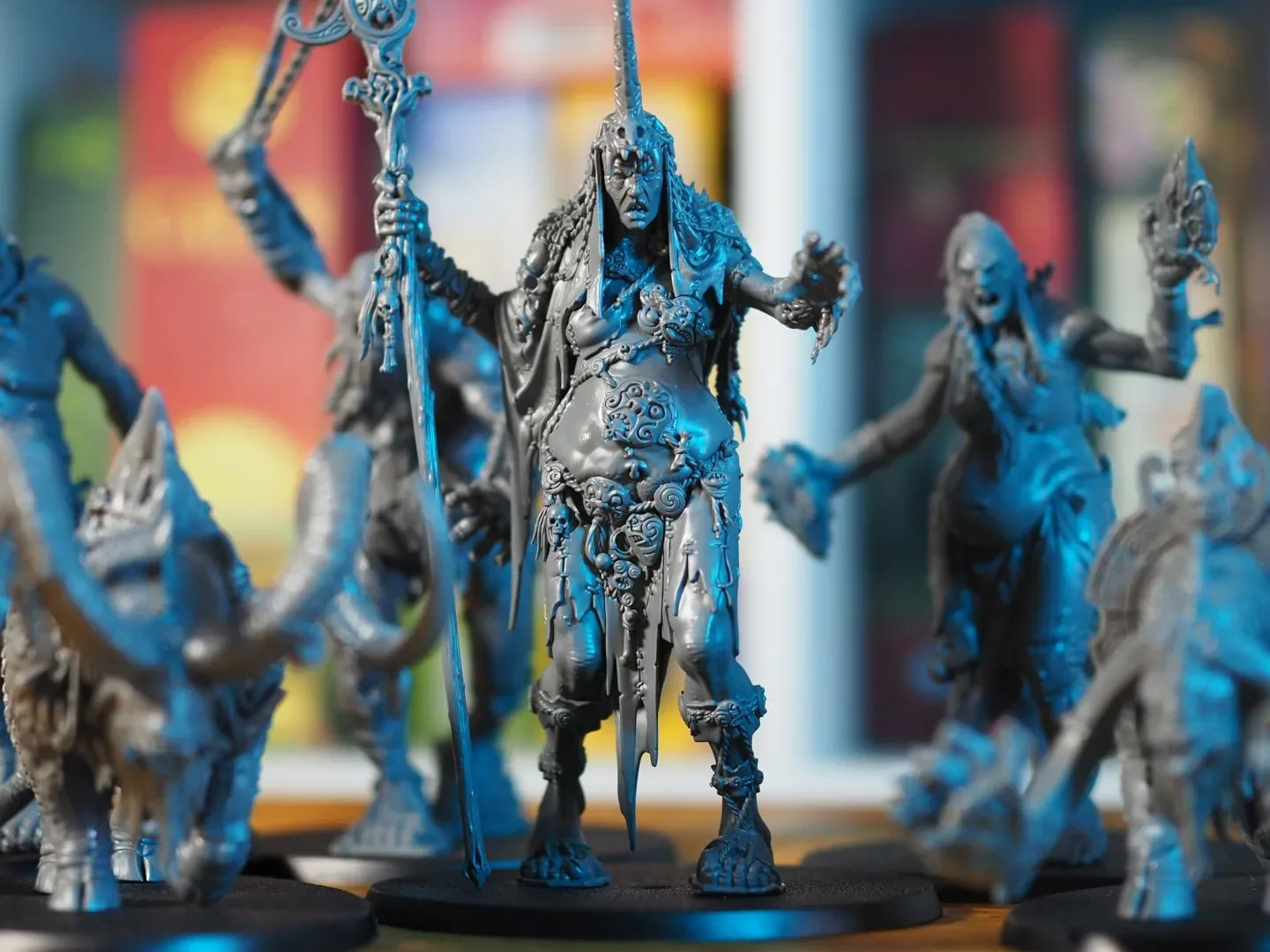
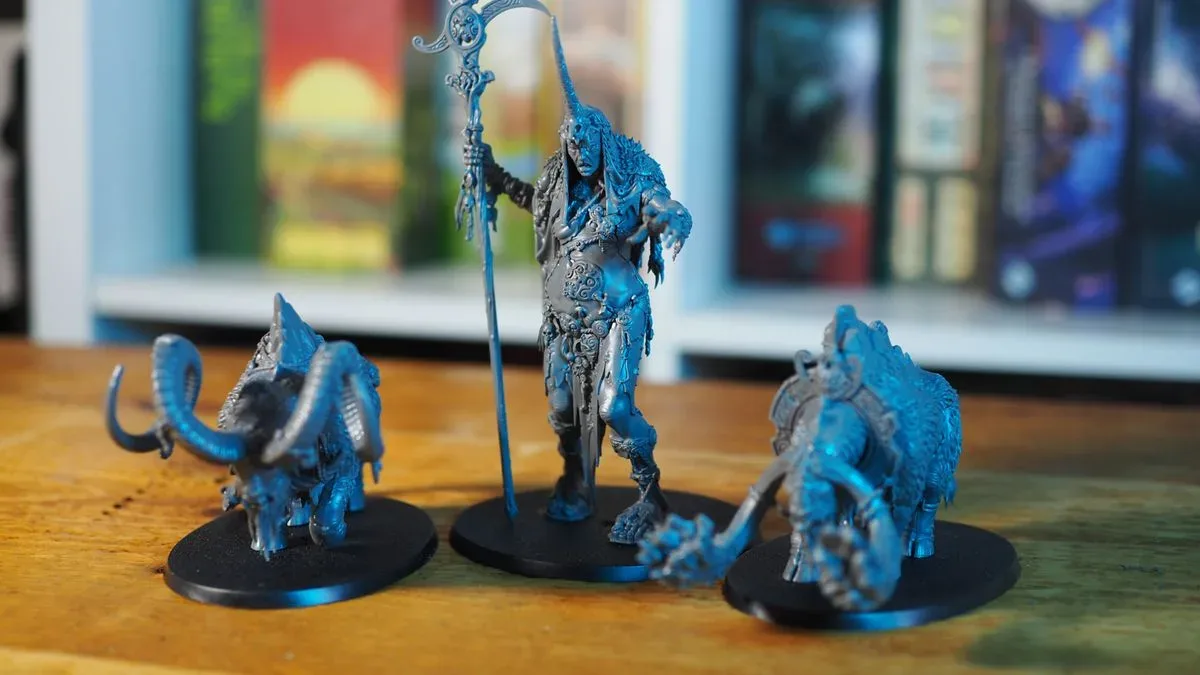
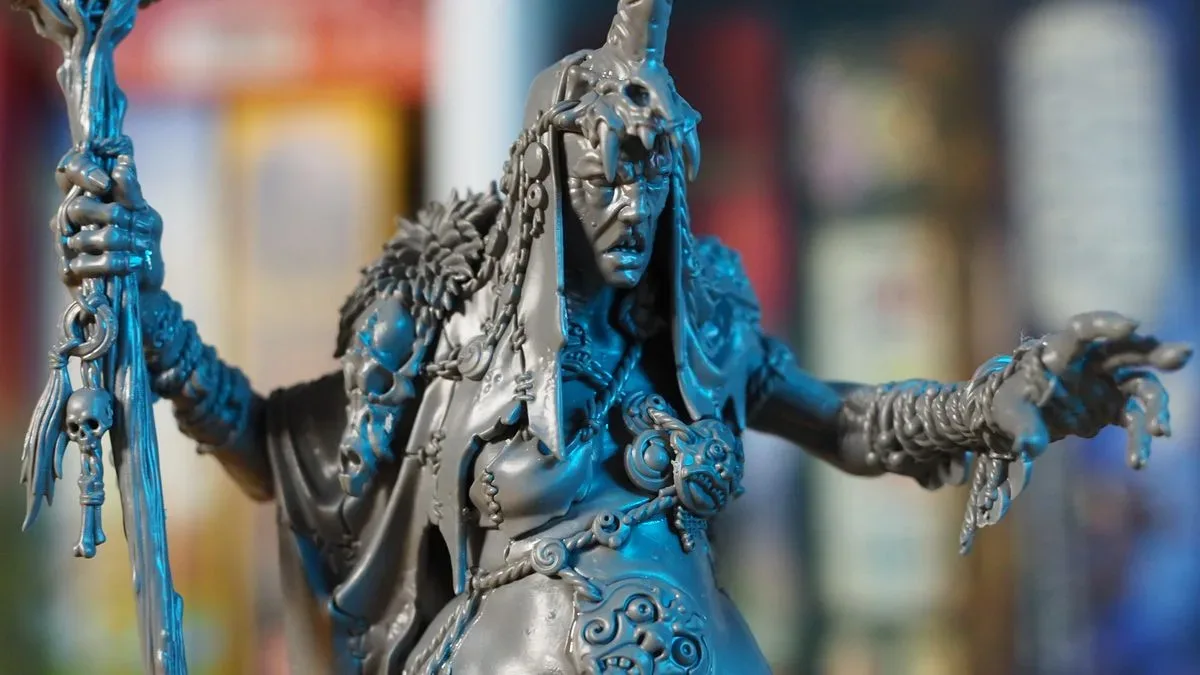
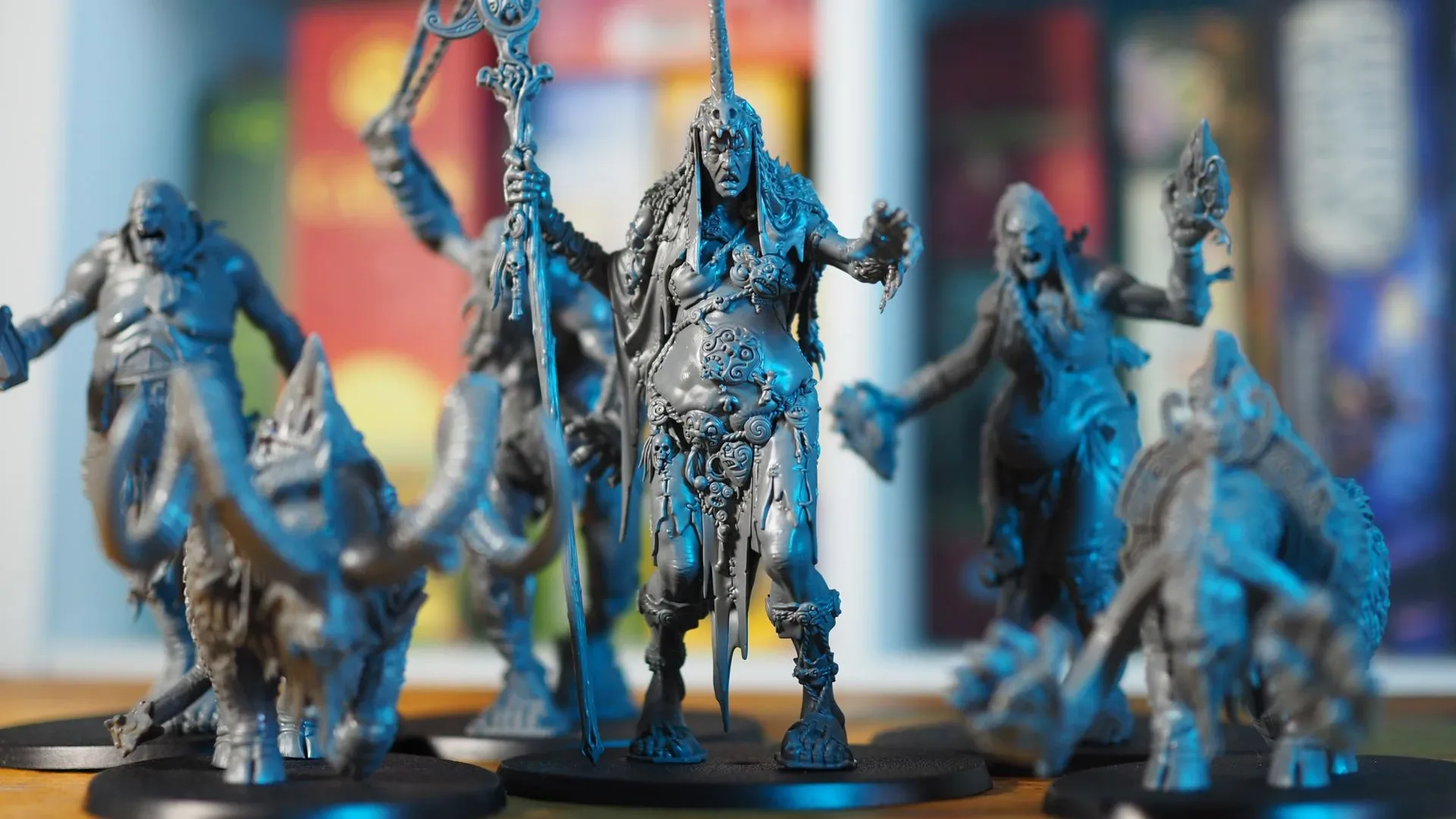
Ma Maegran is a striking departure from the usual Sons of Behemat look. Rather than another warrior hauling an enormous improvised weapon, she is a sinister mystical figure accompanied by Ancient Gyrochs. Her role is especially important because she is the faction’s sole magic-wielding unit. For an army that previously had no equivalent tool, that alone makes her a consequential addition to roster-building decisions.
Her magical contribution is not framed as conventional battlefield artillery. Instead of functioning as a spellcaster who dominates through direct destructive effects, Ma Maegran is built to improve the gargants around her and disrupt opponents. Her Creepy Cantrips ability adds 1 to rampage rolls and adds 1 to hit rolls for a nearby chosen gargant. Rampages are central faction benefits, so improving both that roll and a giant’s accuracy can make an already intimidating activation substantially more reliable.
She also has access to three spells from the Lore of Behemat in the Battletome. Those options can bolster gargant effectiveness, weaken enemy units or grant Crit (Mortal) to fortunate units. The result is not merely a new rules keyword in an army list; it is a way for Sons of Behemat players to influence exchanges before the main melee begins.
Ma Maegran’s “Chooser of the Mighty” identity extends that support role in a very giant-like direction. Her rules can let gargants deal mortal damage on rolls of 6, or return a slain Big gargant by replacing a Little model with it, narratively representing the smaller gargant growing to an enormous size. It is a theatrical mechanic that feels particularly suited to the faction’s folklore-meets-catastrophe tone.
The Ancient Gyrochs are not just scenic companions. They regenerate three wounds in each turn, making them awkward targets to remove, and Ma Maegran can improve their damage, grant them an additional move that may carry them into combat, or draw on their vitality to improve her casting. Together, those details position her as a backfield coordinator who can make the rest of a giant army more consistent without requiring her to become its principal brawler.
Related coverage includes Sons of Behemat Expand Beyond Pure Stomping With New Age of Sigmar Models.
Assembly expectations for Ma Maegran
- Complexity: Moderate
- Estimated build time: About 60 minutes
- Customization: None indicated
Despite the elaborate silhouette, Ma Maegran is reported to be comparatively approachable to assemble. Most components fit together without much trouble. Some details around the legs sit close to the sprue gates, so careful clipping will be useful to avoid damaging them. One Ancient Gyroch has a more piece-heavy construction than the rest of the kit, but that appears to be the principal fiddly section rather than a general issue with the model.
For hobbyists, the lack of customization makes Ma Maegran less of a conversion playground than the giant kits, but the distinct character of the sculpt leaves plenty of room for painting choices. Her status as a unique magical figure also means she should stand out naturally among the army’s more familiar leather, metal and giant-skin palette.
Boss-stompers and Rock-hurlers bring a new kind of core unit
Boss-stompers and Rock-hurlers may read at first as familiar gargant territory: enormous humanoids with oversized weapons and the confidence to use whatever they find as equipment. In the Battletome, though, they are presented as more orderly giants with relatively maintained arms and a measure of organization. That is still a modest standard by civilized-realm definitions, but it distinguishes them from the faction’s more ragtag options.
These kits are close to the army’s practical rank-and-file component, bringing more attacks than comparably sized Mancrushers even if Mancrushers retain their own distinctive tricks. Each kit builds a trio, and the choice between Boss-stompers and Rock-hurlers is a meaningful one rather than simply a cosmetic preference.
Boss-stompers are the clear option for players who want to emphasize the traditional Sons of Behemat plan. Their main club profile has seven attacks, hitting on 4+ and wounding on 2+, with 2 damage per successful attack. Each has 12 health, and they can prompt Big gargants to use a fight ability immediately after the Boss-stompers do. That sequencing tool could matter greatly when a giant army needs to turn one combat into a decisive surge.
Rock-hurlers offer the rarer commodity for this faction: meaningful shooting. Their Hurlin’ Rocks attack makes three attacks, each dealing D3 damage. It can be adapted with modifiers that include shooting while in combat or gaining +1 to hit. They still possess a credible melee option, but their value lies in making opponents respect the board before the gargants reach them.
A Rock-hurler trio is also the Sons of Behemat Spearhead. That makes the kit especially relevant to players looking at the game’s streamlined mode, as well as established collectors who want a ranged complement to a collection already saturated with close-combat threats.
Boss-stompers reinforce the faction’s blunt-force identity; Rock-hurlers make that blunt force harder to avoid.
On raw melee emphasis, Boss-stompers look more forceful. However, Rock-hurlers address a major structural gap by supplying cover fire and forcing decisions at range. For an existing collection that already leans heavily into melee gargants, the Rock-hurler build appears to be the more complementary choice. A newer army may instead prefer to decide based on whether it needs direct combat volume or tactical reach.
The kits also invite a little long-term speculation around the Mancrusher Gargants. Their role and visual territory overlap with the newer Boss-stompers, and the Mancrusher first appeared in Warhammer Fantasy Battle in 2006. That does not confirm any retirement or replacement plan, but the resemblance makes a future transition easy to imagine.
Assembly expectations for the giant trio kit
- Complexity: Moderate
- Estimated build time: About 40 minutes
- Customization: Alternate weapons and heads
For their size, Boss-stompers and Rock-hurlers are described as relatively quick builds. A few arm connections may require extra attention, as their intended placement is not always immediately obvious in the instructions. Test-fitting and rotating those parts before applying glue should resolve most uncertainty. These sound manageable even for hobbyists who are fairly new to Age of Sigmar, provided they work patiently through the occasional ambiguous join.
The kits carry the playful scavenger aesthetic that makes gargants rewarding to examine up close. Their gear includes recognizable trophies and improvised equipment drawn from across the Mortal Realms, including Stormcast Eternals armour, Soulblight Gravelords coffin lids and Helsmiths of Hashut shields. Those details provide useful opportunities for painters to add contrasting colours, weathering, heraldry or tiny narrative touches.
One practical warning is the amount of exposed skin. Large flesh areas can make mold lines unusually visible, so preparation work will matter. Taking time to scrape and smooth those lines before priming should pay off, particularly on broad limbs where an overlooked seam can remain conspicuous after painting.
A broader identity without losing the stomp
The strength of these releases is that they expand the Sons of Behemat rather than attempting to turn them into a fundamentally different faction. Ma Maegran does not make gargants delicate spell-duel specialists; she makes their destructive turns more dependable. Rock-hurlers do not transform them into a gunline; they give giants a way to threaten targets while they advance. Boss-stompers, meanwhile, ensure that pure close-combat violence remains central.
For collectors, that balance means the additions should sit comfortably alongside earlier giant models while creating new visual variety. For players, it offers a more layered set of choices: when to enhance a key gargant, where to apply a debuff, whether to prioritize a fight sequence, and when ranged rocks are better than another club swing. That extra flexibility may be exactly what the army needs to stay enormous, unmistakable and considerably less one-note.
Those interested in the wider hobby of preserving and understanding game-era artifacts may also enjoy our look at Action Replay’s history, from freezer cartridges to cheat codes and save customizers.