When a seller says a cartridge is tested, ask what was actually tested. A game can load, display its title screen and play normally while its writable save circuit is failing. That may be acceptable for a short session, but it is a major purchase risk if you are planning a long Chrono Trigger, Final Fantasy III or Ocarina of Time playthrough.
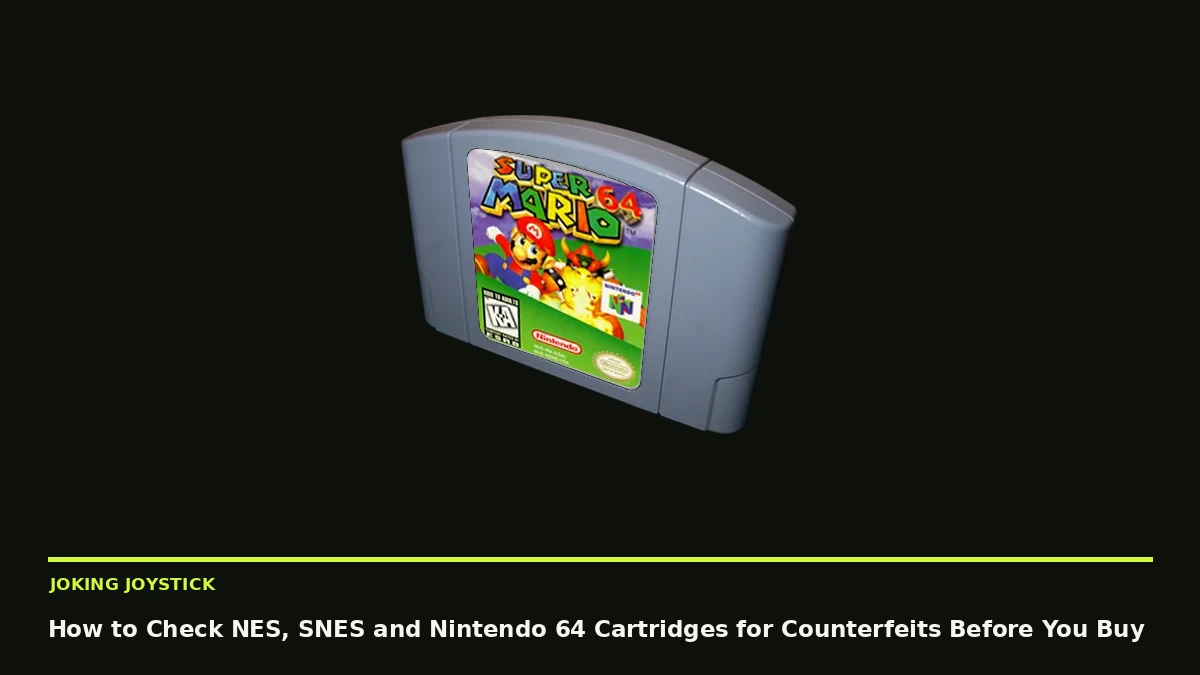
The central distinction is the save method, not simply the console generation. Super Mario Bros. and Super Mario Bros. 3 are useful NES comparison cases because their original cartridges do not use battery-backed save hardware. Super Mario 64 uses EEPROM rather than battery-backed SRAM. Chrono Trigger, North American SNES Final Fantasy III and Ocarina of Time use battery-backed save systems. A save that works today still cannot prove a lifetime of retention.
Start with the kind of ownership you want
Your acceptable evidence should match your intended use. A display collector may care most about the correct regional label, shell, box and overall presentation, and may accept undocumented save condition. Someone buying an RPG for a months-long playthrough should prioritize a documented save test, a usable return period and a seller who can answer specific questions in writing.
Separate three use cases before comparing listings. A display copy can tolerate unknown internal history if the price and condition reflect that uncertainty. A short-session copy needs reliable booting and compatible hardware but may not justify paid battery service. A long-play copy needs verified writing and reloading, evidence about battery history and enough buyer protection to return it if the save fails after arrival.
Do not let a lower asking price erase the cost of uncertainty. Add shipping, tax, possible professional battery service, a compatible original system or testing service, replacement parts if cosmetic restoration matters and the possibility of a second repair if corrosion or damaged traces are found. The cartridge with the lowest listing price is not always the least expensive route to dependable play.
- Decide whether the cartridge is for display, short sessions or a long save-dependent game.
- Write down the exact title, region and platform before comparing listings.
- Set a maximum total cost that includes likely service and return-related costs.
- Treat untested as missing evidence, not as evidence of a simple fix.
Know which of these six games actually raises battery questions
The six example games divide into useful categories. Super Mario Bros. for NES and Super Mario Bros. 3 are not battery-backed save cartridges. Nintendo’s information about original NES in-game saves does not list either title among the games with built-in save features. Their value as comparison cases is important: not every cartridge from the same era needs a battery, and a seller’s claim that one was replaced should be checked against the game’s normal hardware design.
Chrono Trigger for North American SNES uses battery-backed save hardware. Final Fantasy III for North American SNES also uses battery-backed SRAM. The Final Fantasy III manual describes the Game Pak battery retaining up to three saved files, so battery history is directly relevant to the game’s intended use.
The title and region matter especially here. The North American SNES release called Final Fantasy III is the localized version of Final Fantasy VI. It is not the same release as the Japanese Famicom game commonly identified as Final Fantasy III. A listing that combines the North American title, a Japanese cartridge and a different platform needs clarification before purchase.
Nintendo 64 examples show why assumptions are dangerous. Super Mario 64 uses EEPROM for normal saves, so a seller’s claim that its battery was replaced does not describe the expected save system. It may indicate confusion, a modified board or an incorrect listing. Ocarina of Time uses battery-backed SRAM, making battery history relevant. Nintendo also explains that most N64 games save directly to the Game Pak while others use a Controller Pak. Verify the exact title instead of assuming every N64 cartridge needs a memory card.
- Treat Super Mario Bros. and Super Mario Bros. 3 as no-battery comparison cases.
- Ask whether the listing means North American SNES Final Fantasy III or another Final Fantasy III release.
- Do not accept a battery-replacement claim for Super Mario 64 without resolving the contradiction.
- Keep an internal cartridge battery separate from an N64 Controller Pak.
Ask what tested means before trusting it
A photograph of a save file or a message saying saves work is incomplete evidence. The file may be old, staged, difficult to overwrite or simply readable even though new data cannot be retained. A stronger seller test changes the state of the cartridge: create a new file or alter an existing one, shut the system down normally, restart it and confirm that the changed data remains.
A reset-only test is weaker. It may show that the game can access memory while power is still present, but it does not adequately test retention after shutdown. Nintendo warns against rapidly switching a console on and off because backed-up Game Pak information can be lost. A careful test should therefore use normal power-off and power-on procedures rather than frantic cycling.
Ask the seller to describe the exact sequence instead of repeating a conclusion. Useful details include the console used, whether the file was created or changed, whether the system was fully powered down, how long it remained off and whether the seller reloaded the same file afterward. You do not need a dramatic test video, but you do need enough information to distinguish a real write-and-reload check from a boot demonstration.
A seller may reasonably decline to create an elaborate recording for a low-value loose cartridge. That does not make the listing dishonest; it simply means you should price the missing proof into the decision and give more weight to the return policy. For a costly or save-dependent cartridge, specific written answers are a reasonable pre-purchase request.
- Ask whether a fresh file was created or an existing file was changed.
- Confirm that the console was powered down before the save was checked again.
- Treat title-screen photos and old save files as limited evidence.
- Avoid rapid power cycling when testing a received cartridge.
Understand why a working save is not a lifetime guarantee
Battery-backed SRAM needs continuous power to retain data. If its battery is removed or falls below the required voltage, saved data can disappear. A replacement can also involve data-loss risk if the SRAM is not kept powered during service. That is why the statement the save worked for me answers only a short-term question: it does not establish how much useful life remains in the battery or whether the rest of the circuit is healthy.
Battery age is only one risk factor. SRAM can fail, solder joints can fatigue, traces can corrode and cartridge contacts can create intermittent behavior. Moisture, dirt, extreme heat and cold add concern; Nintendo advises keeping Game Paks away from those conditions. A clean-looking shell cannot establish storage history, and a healthy-looking battery cannot prove that the board has no hidden damage.
Think of the seller’s test as a snapshot. It can demonstrate that a particular operation succeeded at a particular time under particular conditions. It cannot promise retention for the duration of your playthrough. For a save-dependent purchase, the best practical protection is documented service history, a credible arrival test and a return window long enough to check the cartridge before investing serious progress.
The same logic applies after a successful purchase. A replacement battery reduces one known risk, but it does not convert an old cartridge into a permanently maintenance-free device. Keep important progress backed up when your hardware and software setup supports safe save-data management, and avoid treating an old save as irreplaceable until the cartridge has passed your own verification.
- Use working today to describe a test result, not a projected battery lifespan.
- Consider battery, SRAM, traces, solder joints and corrosion as separate risks.
- Give extra weight to return protection when battery history is unknown.
- Plan to verify the cartridge before beginning a major playthrough.
Evaluate replacement claims as evidence, not certification
New battery is not a complete repair record. Ask when the work was performed, who performed it, what battery type was installed, whether the original save was preserved and whether the claim applies to the exact cartridge pictured. A date without an identified item is weak evidence, especially when a seller handles many similar games.
A clear board photograph can show that a cartridge was opened and modified. It cannot prove correct polarity, adequate voltage, sound solder joints or future retention. A visible holder may be a practical service choice, but it also establishes that the cartridge no longer has completely undocumented original hardware. Neither a holder nor a factory-looking cell is, by itself, a quality certificate.
Ask whether the replacement used the correct electrically compatible component and whether the board was inspected for corrosion or lifted pads. You do not need the seller to make unsupported technical promises; you need a clear account of what was done and what was actually tested afterward.
Do not ask a casual seller to perform risky work solely to close a sale. Internal inspection and battery service should be handled by a qualified retro-electronics technician. Buyers should not bridge cells, solder live circuits or attempt invasive repairs without the necessary competence and safety controls. If service is needed, price it as a separate professional task and ask whether the technician will document the board and test the save afterward.
- Request the service date, technician or shop, battery type and exact cartridge identity.
- Treat a replacement photo as evidence of modification, not proof of reliability.
- Ask whether the prior save was preserved, while recognizing that preservation is not guaranteed.
- Use qualified service for internal work rather than improvising electrical repairs.
Inspect the listing without overstating what it proves
Exterior evidence helps establish identity and handling, but it has limits. The label can support a title and region match; it cannot prove originality, save health or board condition. Shell color, seams, screws and seals can reveal opening, damage or a mismatch between photos, but they do not establish that a save circuit works. Corrosion, residue, warped plastic or liquid marks are meaningful risk signals even when the game boots.
A board photo can help distinguish an internal battery, EEPROM or another save arrangement, but revisions and regional variants matter. Do not identify a cartridge from a similar board photo found online. Ask for clear images of the exact item only when the seller can provide them consistently, and compare the board, shell, label and any serial markings across the listing.
A battery visibly attached to a board proves that a battery is present in the photographed cartridge. It does not prove the cell’s remaining capacity, polarity, solder quality, connection to the save circuit or the condition of the SRAM. The absence of a visible battery in an exterior photograph proves very little because the board may not be shown.
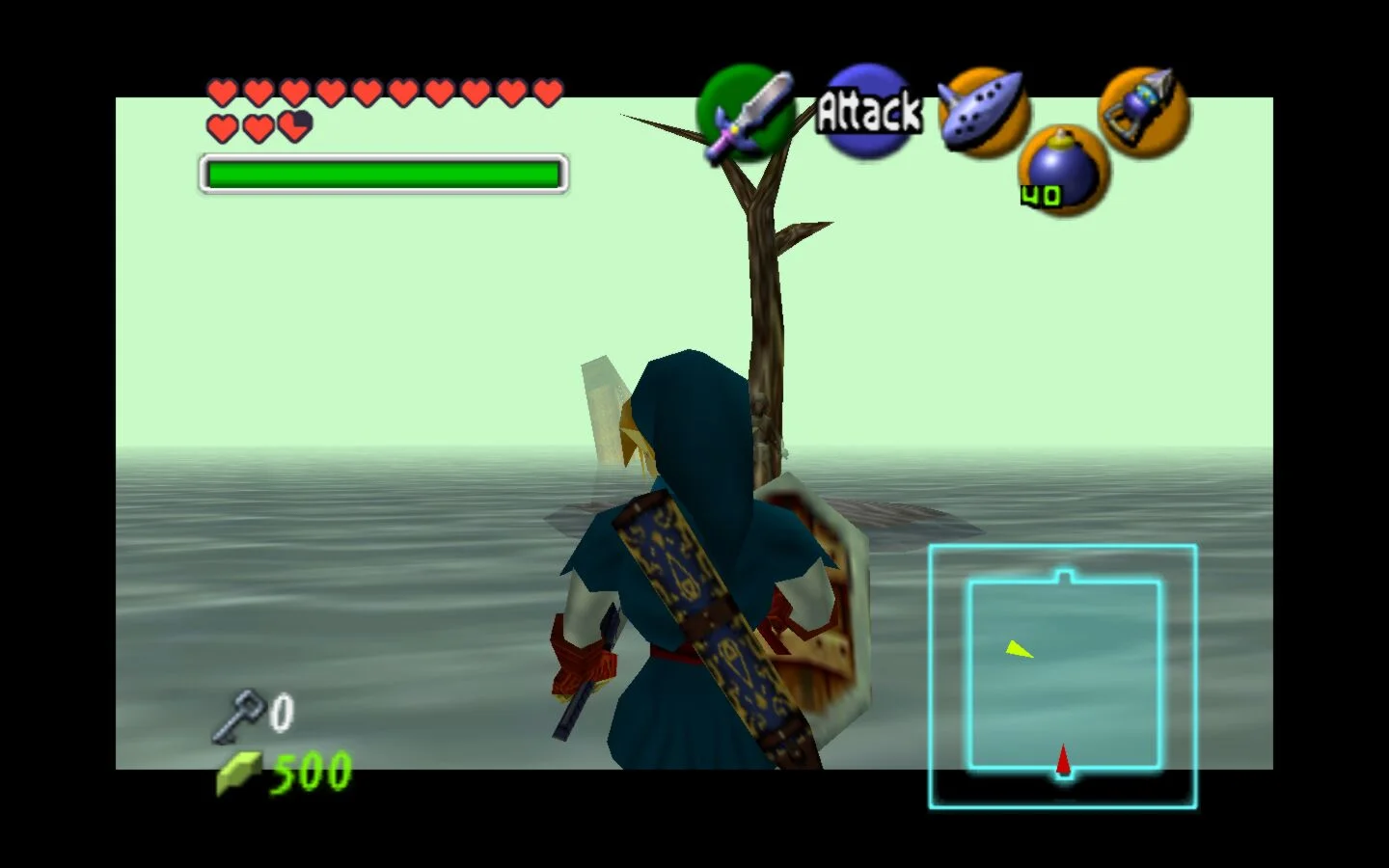
The same caution applies to gameplay media. A screenshot proves that an image was captured somewhere, not that the pictured seller’s cartridge produced it. Ask the seller to photograph the actual item alongside the requested test result if identity matters, while remembering that even matching photos do not authenticate every component or guarantee future performance.
- Match the photographed label, shell and board to the exact item being sold.
- Use corrosion or residue as risk evidence, not as proof of a particular failure.
- Do not authenticate from one screw, seal, label, board or save screen.
- Treat generic gameplay images as illustrative rather than item-specific proof.
Check region, platform and accessory compatibility
Before focusing on batteries, confirm that the cartridge is the version your system can use. The Final Fantasy III name is especially important: North American SNES Final Fantasy III and the Japanese Famicom title are different releases. Ask for the front label, back label and seller’s written identification when the title, language or region is unclear.
Confirm the intended console and its condition. An original NES, SNES or Nintendo 64 may have contact, power or video problems that look like cartridge faults. A seller’s test on one console does not prove identical behavior on another. If you plan to use a clone system, modern adapter or preservation device, check that device’s current documentation for cartridge and save compatibility rather than assuming it reproduces original behavior.
For Nintendo 64, distinguish Game Pak saving from Controller Pak saving. A Controller Pak is a separate accessory and is not a replacement for a failing internal battery. If a seller says an N64 game needs a Controller Pak, ask whether that is required for the exact title, optional for a particular feature or simply a workaround based on a different game.
Also check whether the listing is for a cartridge, a reproduction, a flash cartridge or an original release. A reproduction may imitate the label and shell while using different save hardware. That does not automatically make it unusable, but it changes the compatibility, preservation and return questions. The seller should identify it accurately rather than allowing the buyer to infer originality from appearance alone.
- Confirm region, language, platform and edition before checkout.
- Ask what console and accessories were used for the seller’s test.
- Check current documentation for any non-original hardware you plan to use.
- Treat Controller Pak claims as title-specific and require clarification.
Set stop conditions before you become invested
A good buying plan includes reasons to walk away. Stop when the listing contradicts itself, such as calling Super Mario 64 battery-backed while showing an unexplained battery replacement, or describing North American Final Fantasy III with the identity of another release. Stop when the seller refuses to identify whether saving was tested, labels an item tested while only showing boot footage or cannot distinguish a Controller Pak from internal save memory.
Physical warning signs should also affect the decision. Reject or heavily discount a cartridge with active-looking corrosion, liquid residue, severe warping, cracked plastic near the board or unexplained modifications when the seller offers no return protection. A collectible exterior may still be worth owning, but it should not be priced or described as a dependable long-play copy without stronger evidence.
Stop when the photographs are inconsistent. A front label from one region paired with a back shell from another, a board that does not match the stated edition or a battery photo that appears to belong to a different cartridge creates an identity problem before it creates a save problem. Ask for clarification once; do not let urgency replace evidence.
Be cautious with listings that require off-platform payment, remove ordinary marketplace protections or pressure you to skip written questions. Platform policies vary, but services such as eBay’s Money Back Guarantee generally depend on using the platform’s documented checkout and meeting its requirements and deadlines. Preserve the listing, messages and photographs, and use the platform’s stated dispute process rather than moving the transaction elsewhere.
- Walk away from contradictory title, region or save-method descriptions.
- Treat corrosion, residue, cracks and unexplained modifications as added risk.
- Do not exchange buyer protection for a private payment arrangement.
- Save listing photos and messages before completing the purchase.
Use the return window as a controlled verification period
When the cartridge arrives, record its condition before cleaning, opening or altering anything. Photograph the label, shell, screws, contacts and packaging, and compare them with the listing. Do not begin by replacing a battery or changing the shell; those actions can complicate a return claim and may destroy evidence about the item’s delivered condition.
Test with compatible, known-good equipment using normal user-level procedures. Confirm that the cartridge boots, then create or change a save file. Turn the system off normally, restart it and verify the changed file. If the game is battery-backed and the return period allows, repeat the check after the cartridge has been unplugged and left unpowered for a while. This is stronger than confirming a file immediately after a reset, but it still cannot predict indefinite retention.
Do not spend dozens of hours on a cartridge before completing this process. If the save disappears, the title is wrong, the item differs from the listing or the seller’s claim cannot be reproduced, keep your evidence and follow the marketplace’s return procedure within its deadline. If the cartridge passes, retain the test record and still treat the save as a maintained component rather than a permanent guarantee.
Avoid unnecessary cleaning or opening during the initial test. If the cartridge does not boot, first confirm the console, power, display connection and other known-good games before concluding that the save hardware is responsible. A save fault and a contact fault can produce different symptoms, and neither should be diagnosed from one failed startup.
- Photograph the received item before cleaning or opening it.
- Complete a write, full shutdown, restart and reload test.
- Repeat the check after a longer unpowered interval when practical.
- Use the marketplace return process promptly if the item fails or differs.
Choose evidence according to the game you plan to play
For Super Mario Bros. or Super Mario Bros. 3, battery history should not be the deciding factor because these cartridges are not listed with battery-backed save hardware. Your priorities can instead be correct edition, physical condition, reliable contacts and compatibility with the intended NES setup. Do not pay extra for a supposed battery replacement that does not correspond to the game’s normal cartridge design.
For Chrono Trigger, Final Fantasy III and Ocarina of Time, make save retention central to the purchase. Favor listings with a specific replacement history, an identifiable technician or shop, a real write-and-reload test and usable buyer protection. That evidence still does not remove all risk, but it gives you a more defensible decision than a boot-only listing.
For Super Mario 64, prioritize confirmation that the cartridge uses the expected EEPROM-based save arrangement. A battery story is not reassuring here; it is a prompt to investigate. If the listing actually shows a reproduction or modified cartridge, evaluate it as that product rather than assuming the original Nintendo design.
Across every title, the sensible decision is not original always wins or replaced battery always wins. Choose the item whose identity, save method, condition, documentation and total cost fit your actual use. A display copy and a dependable long-play copy may look identical in a listing, but they require different levels of proof.
- Use no-battery games as control cases rather than forcing a battery narrative onto them.
- Demand stronger save evidence for long RPG and adventure playthroughs.
- Investigate, rather than reward, an unexplained Super Mario 64 battery claim.
- Choose documented risk over attractive but unverifiable certainty.
A seller’s save test is useful only when you know what happened before and after the test. Identify the exact cartridge, separate battery-backed SRAM from EEPROM and no-save designs, and treat every battery claim as evidence to verify rather than a warranty.
The safest purchase is the one that matches your use: documented enough for the playthrough you intend, compatible with your hardware, priced with service and return risk included and protected by a clear marketplace process. A working save today is a valuable observation, not a promise that the cartridge will preserve tomorrow’s progress.