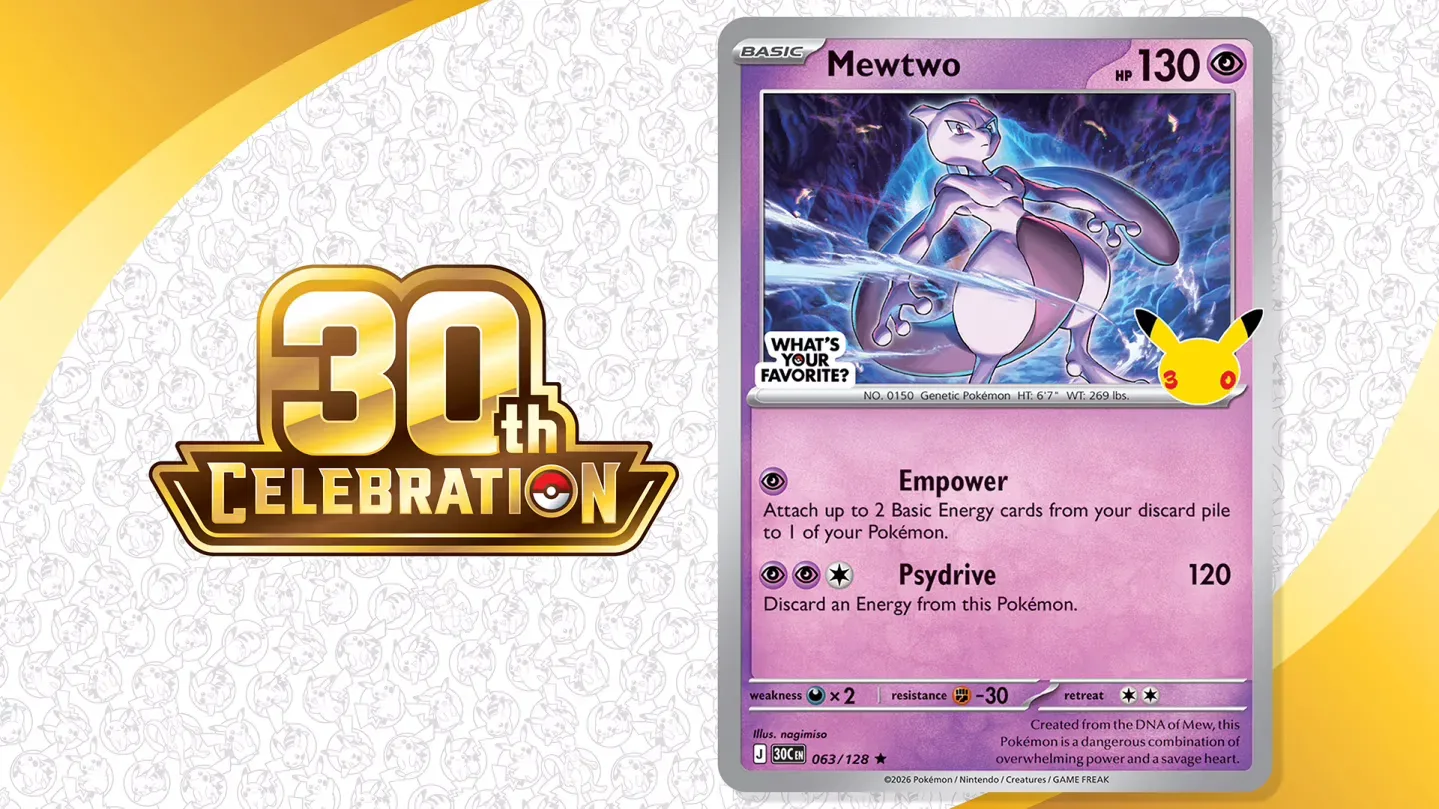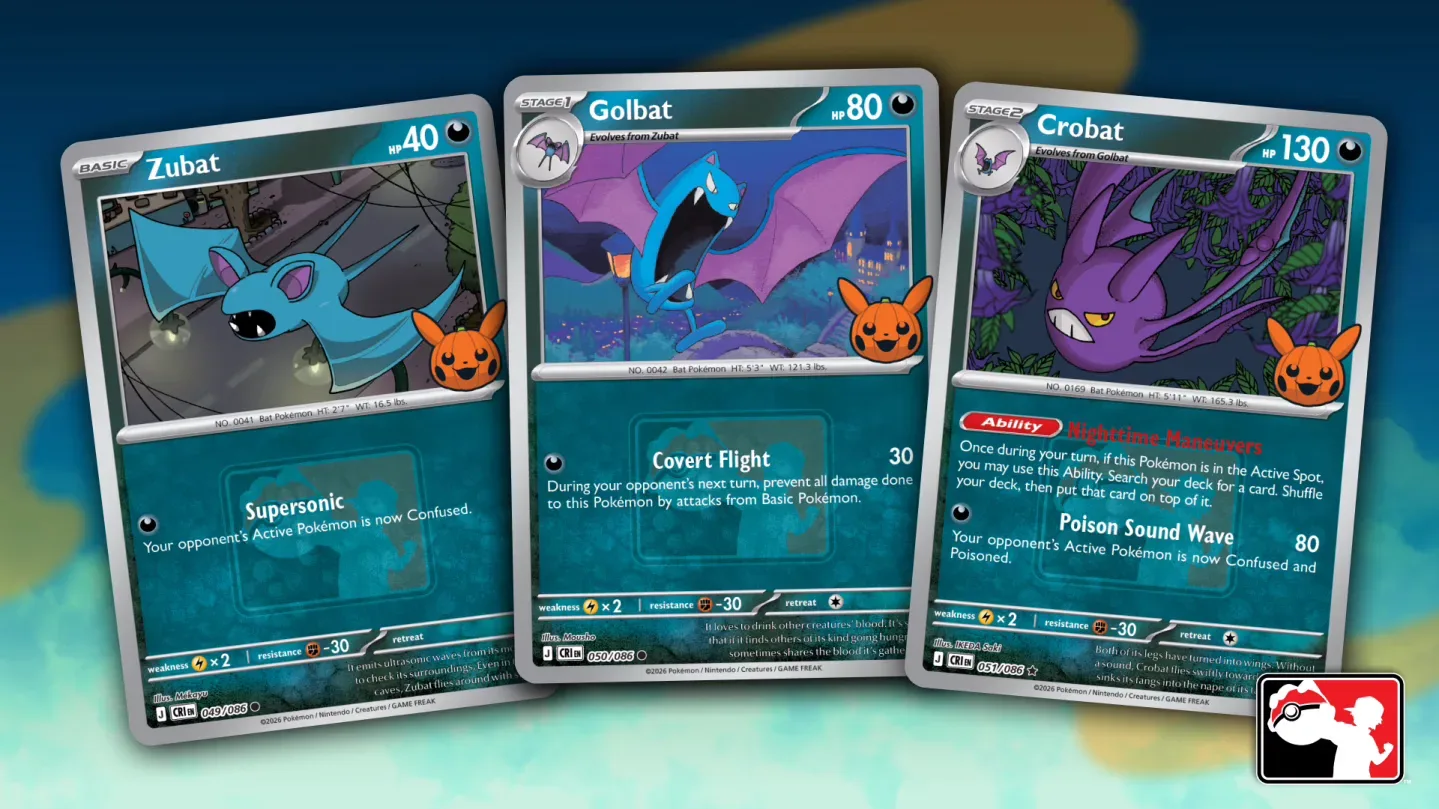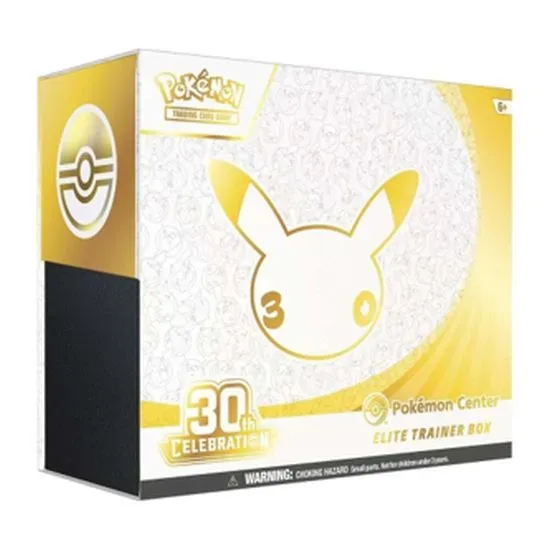
Pokémon trading cards are reportedly heading back to U.S. McDonald’s Happy Meals this November, reviving one of the hobby’s most visible—and occasionally most chaotic—fast-food promotions. The reported window runs from November 5 through December 9, giving collectors a little over a month to find a set said to contain 15 cards.
There is an important catch before anyone starts planning a drive-thru route: McDonald’s has not yet publicly confirmed the promotion or its checklist. The dates, pack format and set size are therefore best treated as reported details rather than final rules. Store participation, stock levels, purchase limits and the actual card roster could all matter enormously once official information arrives.
What is reportedly included in each Happy Meal pack?
The proposed format follows the broad pattern of earlier Pokémon Happy Meal card releases. Each individual pack is expected to contain four cards: three regular cards and one holo card. “Holo” is short for holographic, describing a card with reflective foil treatment. It does not, by itself, establish how hard that card is to pull or how much it might be worth; that depends on the eventual checklist and distribution.
With 15 cards in the full set, the promotion is compact compared with a standard retail expansion, but that does not necessarily make completion straightforward. Packs are randomized, so receiving four cards at a time does not guarantee four new cards. Duplicates are a normal part of opening trading-card packs, and the one-holo-per-pack format means collectors will want the confirmed card list before deciding what they actually need.
- Reported promotion period: November 5 to December 9
- Reported market: participating McDonald’s locations in the United States
- Reported set size: 15 cards
- Reported pack contents: four cards—three regular cards and one holo
- Still unknown: the complete checklist, rarities, store-level limits and whether every location will participate
The key unknown is the checklist
No cards have been identified for the reported U.S. release. That is the central detail collectors are waiting for, because a Happy Meal Pokémon set can take very different shapes. Previous promotions have used reprints of already existing cards, marked with an exclusive McDonald’s logo. A reprint is a new printing of a previously released card rather than a newly designed card. The restaurant branding can still make such a release distinct for set collectors, even where the Pokémon, artwork or gameplay text began elsewhere.
The possibility of a more unusual inclusion has also drawn attention to a Pikachu promotional card distributed through a comparable Japanese McDonald’s campaign last year. That card depicts Pikachu stretching across a table toward a burger and vegetables. It has not yet been released in the United States, and there is no confirmation that it will appear in this reported promotion.
That distinction is worth making plainly. A card being popular abroad, tied to a similar campaign, or fitting an anniversary mood does not confirm its inclusion in an American set. Until a U.S. checklist is published, Pikachu’s burger-reaching cameo remains a possibility for collectors to watch rather than a card to count on.
A short window can create a surprisingly awkward collecting challenge
November 5 to December 9 sounds like a reasonable run on paper. In practice, promotional availability is usually governed by local inventory. One restaurant may have packs early in the promotion while another may run out, receive different stock timing or not take part. A month-long campaign is not the same thing as a guarantee that every card will be easy to find for the entire month.
Related coverage includes Pokémon Happy Meals Reportedly Return to McDonald's in November for 30th Anniversary.
For collectors, the sensible first step is patience. Wait for McDonald’s to publish its terms and checklist, then contact or visit a participating local restaurant to ask what is actually available. It is also useful to keep unopened packs, wrappers and any campaign inserts in clean condition if collecting the promotion as a complete physical release matters to you. Those materials can help identify the specific edition later, especially where branded reprints resemble cards from other sets.
Collectors focused on completing a binder set should also separate two goals that are often blurred together: opening packs for fun and obtaining specific missing cards efficiently. Random packs are part of the appeal, but duplicates become likely over time. Once the checklist is known, trading duplicates with other collectors may be a more measured route than repeatedly seeking more meals in pursuit of a single card.
Practical checklist for collectors
- Watch for official confirmation. Dates and contents remain reported, not finalized.
- Check the eventual card list. Confirm which cards are regular, which are holo, and whether variants exist.
- Ask locally about participation and limits. Restaurant-level stock and policies can differ.
- Track pulls as you open. A simple list prevents accidental overbuying when duplicates pile up.
- Trade responsibly. Duplicates are useful to other set builders, particularly in a small randomized release.
- Protect cards promptly. A sleeve and binder page can help preserve cards that are intended for a collection rather than the kitchen table.
Food waste and scalping remain the uncomfortable part of the story
The appeal of a Pokémon card tied to a Happy Meal is obvious: it puts a collectible card directly into a familiar family purchase, gives casual fans an easy entry point and offers established collectors a limited promotional variation. But the model also attracts people who are chasing resale demand rather than building sets, commonly described as scalping. In this context, scalping means acquiring scarce promotional stock in volume with the intent to resell it, often making access harder for the intended audience.
Last year’s related Japanese campaign became a cautionary example. Reports described uneaten burgers being discarded in public as fans and scalpers sought the cards. The chain ended that giveaway early and introduced tighter measures intended to curb Pokémon scalping in future promotions.
That episode should inform how this U.S. promotion is approached if it proceeds. The card is the collectible; the food should not become collateral damage in the chase for it. Families who want the cards can treat them as part of a meal they intended to purchase, while collectors seeking extras can prioritize swaps after the checklist is available. Those choices do not eliminate scarcity, but they avoid turning a small card release into unnecessary waste.
It also explains why official details on limits may be just as relevant as the identity of the chase card. Purchase caps and distribution rules can shape who has a reasonable opportunity to get packs. No U.S. rules have been announced in the information currently available, so it would be premature to assume that the restrictions used after the Japanese incident will apply here in the same way.
Why this promotion matters to Pokémon collectors
McDonald’s Pokémon cards occupy a distinctive space in the hobby. They are tied to a specific promotional moment, usually carry restaurant-specific branding, and reach people outside the usual card-shop or booster-box audience. That can make them meaningful to collectors who build Pokémon sets by character, by promo type, by annual release or by personal nostalgia rather than strictly by competitive play.
The reported 15-card count also gives this campaign a clear, manageable collecting target—at least once the actual cards are named. For now, though, the most useful stance is informed restraint. The dates indicate when to pay attention, the pack structure explains the basic opening experience, and the unknown checklist leaves the real question unanswered: which Pokémon will make the menu?
Collectors can keep an eye on broader Pokémon card news through Joking Joystick’s Pokémon coverage. Until McDonald’s confirms the campaign, the November promotion remains one to prepare for, not one to treat as fully revealed.