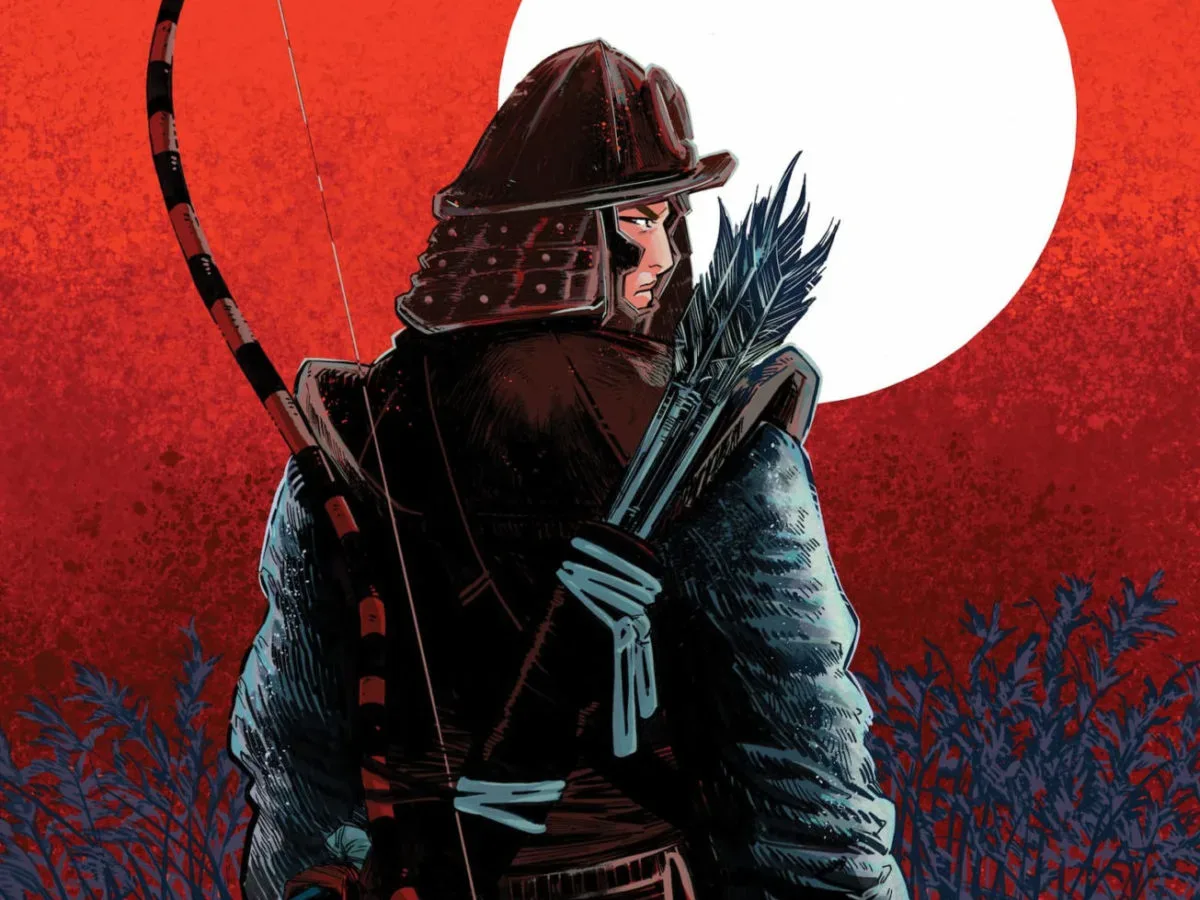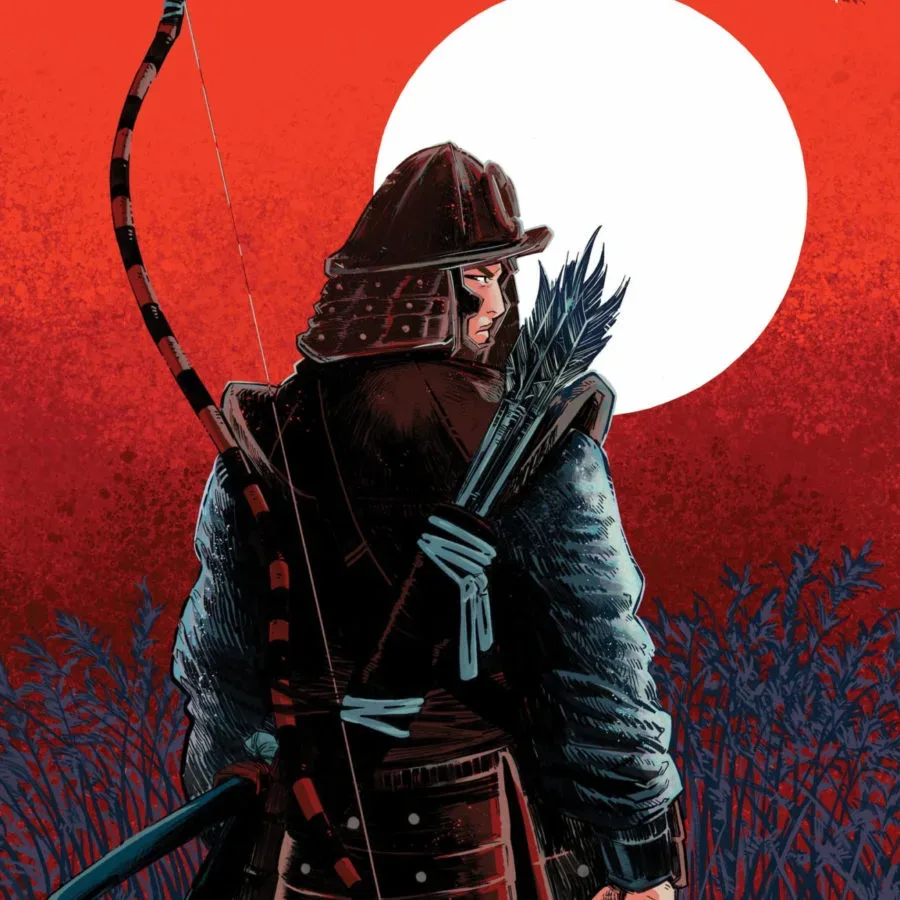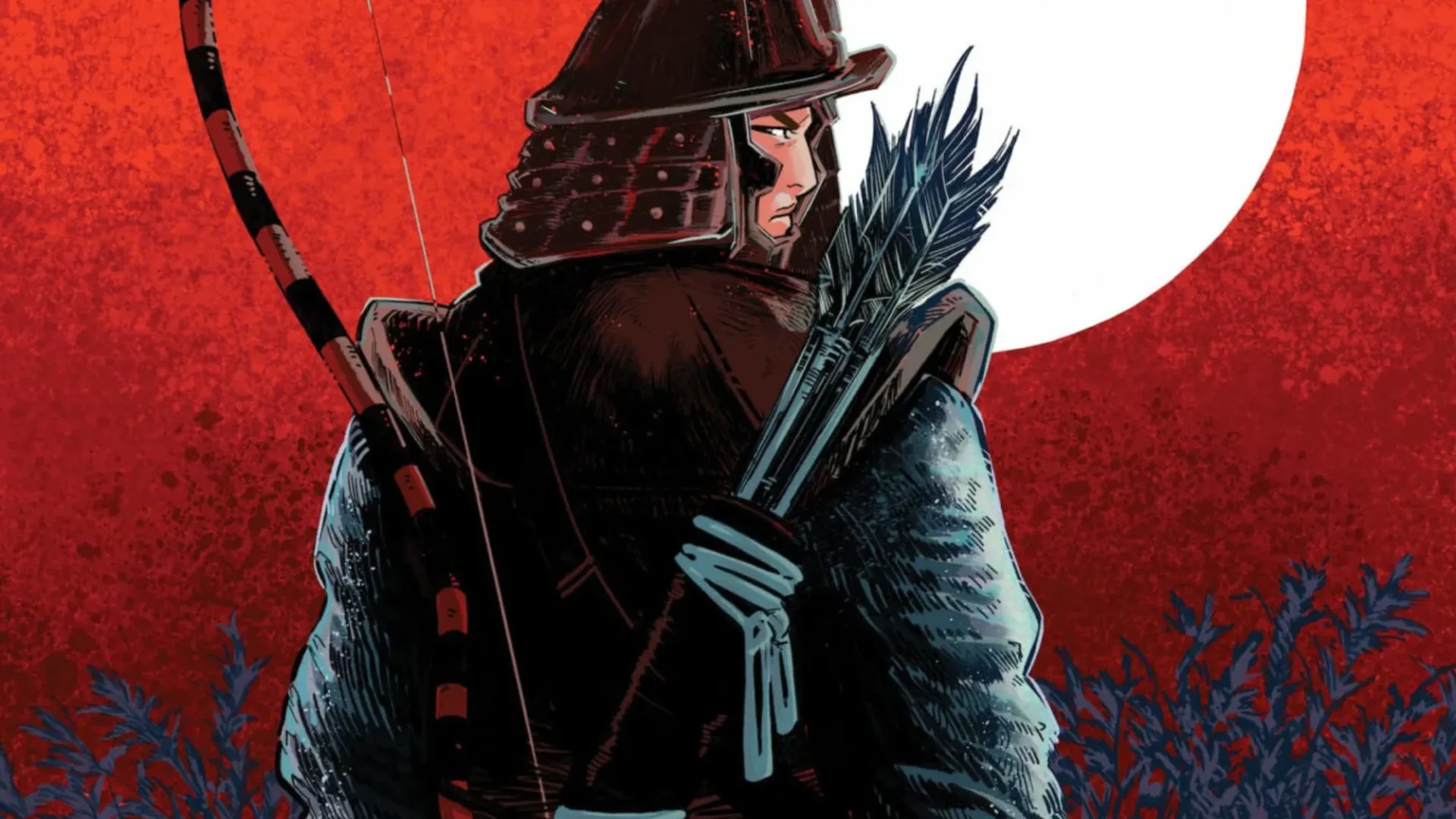
Teenage Mutant Ninja Turtles: The First Ronin is set to take the Turtle concept somewhere notably different when it launches in March 2027. The five-issue limited series is a prequel set in the world of Teenage Mutant Ninja Turtles: The Last Ronin, with Stan Sakai writing and designing the project and Soo Lee providing the art.
Its central change is right in the premise: the four turtle figures are not mutants. Sakai has described them as yōkai, a broad Japanese term used for supernatural creatures and monsters in folklore. Rather than simply relocating the familiar heroes to historical Japan, the series is positioning them as mythic beings within a new supernatural framework.
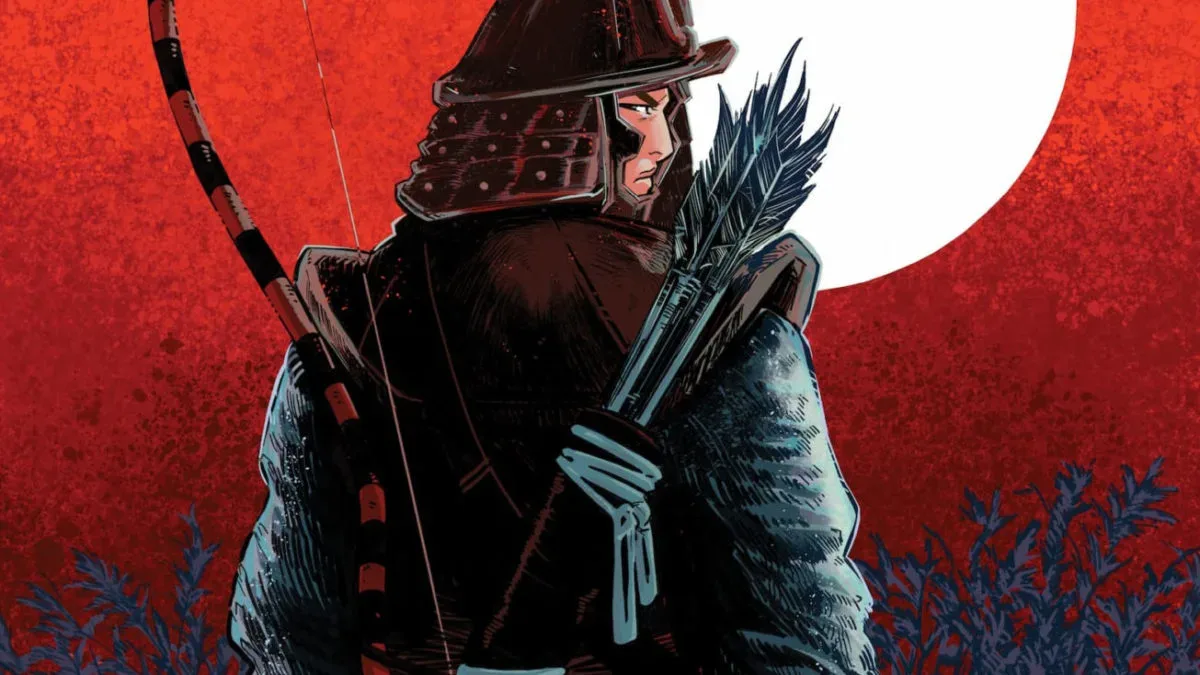
The story takes place in 1600s Japan and follows General Kameyama, presented as a formidable warrior and tactician caught in a major war. After his allies are defeated, Kameyama becomes the last man standing—until four humanoid, turtle-like yōkai arrive to help him overcome his enemies. That intervention does not end the danger; an epic yōkai war is still approaching.
A Last Ronin prequel with a different kind of Turtle origin
Calling The First Ronin a prequel establishes a connection to The Last Ronin universe, but the announced setup also makes clear that it is not being framed as a routine origin retelling. The project moves centuries into the past and swaps the franchise’s mutation-based foundation for folklore-driven creatures.
That distinction matters. In the source material provided, yōkai refers to supernatural creatures and monsters from Japanese folklore. The label can accommodate a wide variety of beings and does not, by itself, define the four characters’ personalities, powers, allegiances, or individual identities. Readers should therefore avoid assuming that familiar Turtle roles map directly onto this team until the comic itself establishes them.
What has been confirmed is the visual and narrative direction: turtle-like humanoid yōkai, a wartime setting, General Kameyama at the center of the initial conflict, and an expanding mythology tied to the wider Last Ronin line. Sakai is also creating new character designs and page layouts alongside the writing, meaning his contribution extends beyond scripting the story.
“It will have new variations of the Turtles, not mutants this time, but yōkai,” Sakai said, describing that change as one of several surprises planned for the series.
The distinction between “variation” and replacement is useful here. Nothing in the announced details suggests that this is meant to overwrite the standard Teenage Mutant Ninja Turtles setup. Instead, it appears to be a historically situated interpretation that uses the recognizable four-member silhouette and turns it toward supernatural folklore.
Why Sakai and Lee are an especially fitting pairing
Sakai’s involvement gives the book a creator whose relationship with the Turtles reaches back to 1984, the year both TMNT and Usagi Yojimbo debuted. Sakai has said he has been a fan of the Turtles since that time and has enjoyed their many incarnations, including The Last Ronin.
That long familiarity is significant because The First Ronin has to balance two jobs. It needs to offer a fresh mythology that can stand on its own, while remaining legible as a Turtles comic and as a piece of Last Ronin-adjacent fiction. A creator with a longstanding connection to both the franchise’s early era and Japanese-inspired storytelling is well placed to navigate that balance. Still, the announcement does not reveal whether established characters from the present-day TMNT continuity will appear, so that remains unknown.
Lee’s role is equally central. The announcement credits her on art, and she has characterized the project as a new vision and expansion of the group’s lore. In a comic built around new character designs and an unfamiliar historical setting, the artist will be responsible for making the premise immediately readable: Kameyama’s military struggle, the distinction between human combatants and supernatural entities, and the identity of the four turtle-like allies.
Comics are particularly well suited to this type of premise because the page can manage character revelation, action, mood, and folklore imagery simultaneously. Sakai’s listed work on layouts suggests that the visual storytelling plan is part of the project’s authorship from the beginning, while Lee’s finished art will bring that plan to the page. The announcement does not specify a colorist, letterer, cover artists, format, or individual issue schedule, so those details should not be presumed.
What “prequel” means—and what it does not yet answer
In franchise terms, a prequel is a story set before an existing work. It can illuminate earlier events, introduce the origins of a later idea, or establish thematic echoes without necessarily explaining every plot point from the better-known story. The First Ronin is explicitly described as a prequel in the Last Ronin universe, but the available information does not state exactly how General Kameyama’s conflict feeds into the later narrative.
That leaves several important questions open. Is the new yōkai team a direct ancestral connection to later Turtle mythology, a legend that informs it, or a separate supernatural chapter within the same broader universe? What does “ronin” mean in this particular setting? How much of the five issues will focus on Kameyama versus the four yōkai? The announcement gives no definitive answers, and it is better to treat those as story questions rather than fixed details.
The one clear narrative arc announced so far is a progression from battlefield desperation to a broader supernatural conflict. Kameyama begins at impossible odds, receives aid from four unexpected allies, and then faces a war larger than the immediate battle. That is a strong foundation for a limited series: the first encounter can establish the team, while the looming yōkai war provides room for escalation across five issues.
How it fits into a busy 2027 for The Last Ronin
TMNT: The Last Ronin III – Return for New York is also scheduled for 2027. That final chapter is credited to Kevin Eastman, Tom Waltz, the Escorza Brothers, Ben Bishop, and Luis Antonio Delgado. Its planned arrival in the same year means readers interested in the wider Last Ronin material will have both a concluding chapter and a historical prequel on the horizon.
The two projects should not be confused. Return for New York is described as the final chapter of its saga, whereas The First Ronin is a five-issue prequel from Sakai and Lee set in 1600s Japan. Their shared universe connection is confirmed; their exact release order, plot relationship, and any narrative overlap have not been detailed in the supplied information.
For readers tracking upcoming genre releases more broadly, Joking Joystick’s October 9, 2026 release roundup offers a separate look at the day’s game calendar. The First Ronin, however, remains a future comic-book release, with March 2027 as its announced launch window.
What readers can reasonably expect
- A five-issue comic series: It is planned as a limited run rather than an ongoing title.
- A historical setting: The action is set in Japan during the 1600s.
- General Kameyama’s war story: He begins as an embattled commander whose allies have fallen.
- Four supernatural turtle figures: They are humanoid yōkai, not mutants.
- New designs and lore: Sakai is writing and designing the series, while Lee handles the art.
- A connection to The Last Ronin: It is billed as a prequel within that universe, though the precise mechanics of the connection remain under wraps.
The appeal of the announcement is not simply that TMNT is visiting feudal-era Japan. The intriguing part is that the franchise’s core image—four turtle warriors—is being reinterpreted at the level of mythology. General Kameyama encounters rescuers who resemble the Turtles, but their place in the story arises from yōkai folklore and a supernatural war rather than the origin mechanism most readers associate with TMNT.
With Sakai shaping the writing, designs, and layouts and Lee illustrating the series, TMNT: The First Ronin has a clearly defined creative identity before a single interior page has been shown in the supplied details. The remaining wait is for the specifics: fuller character information, artwork, issue-by-issue material, and an explanation of how this 1600s conflict connects to the larger legacy of The Last Ronin.