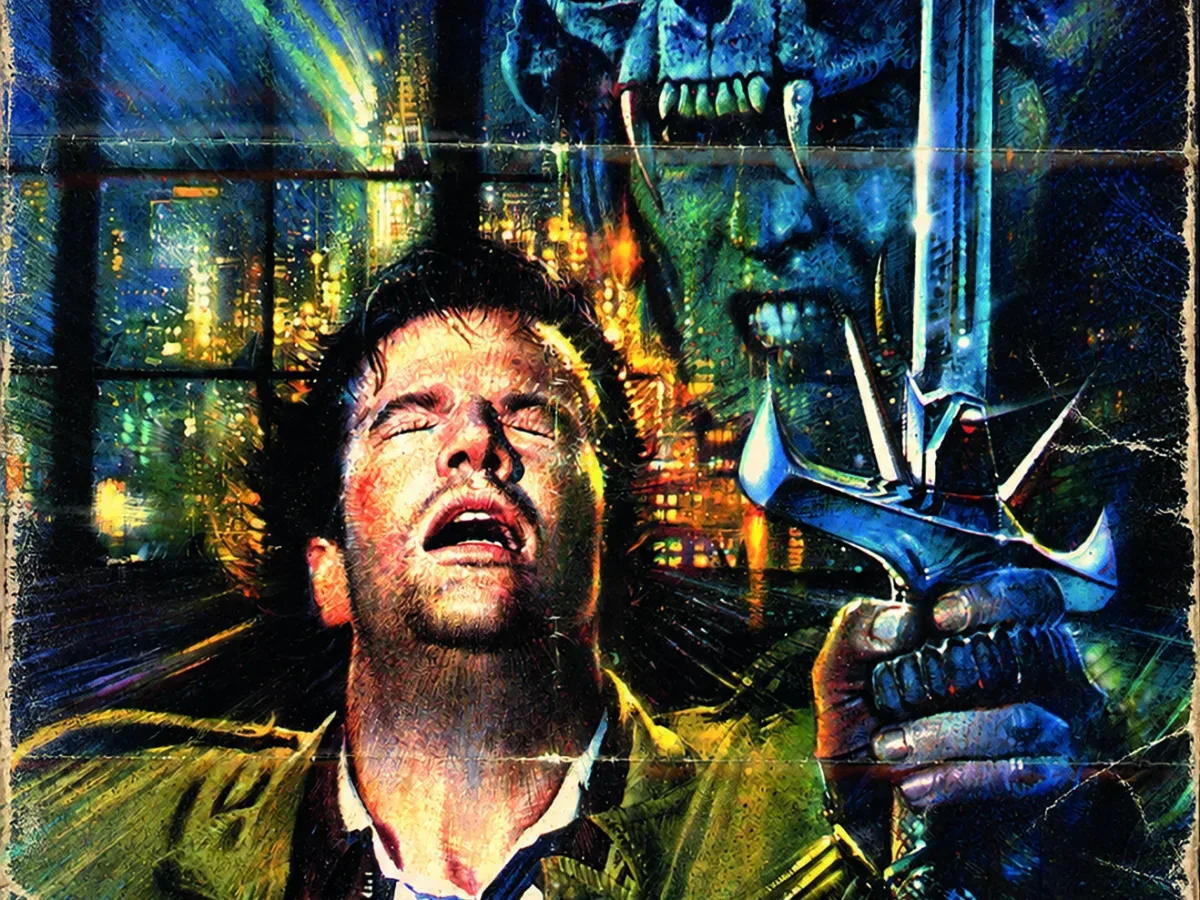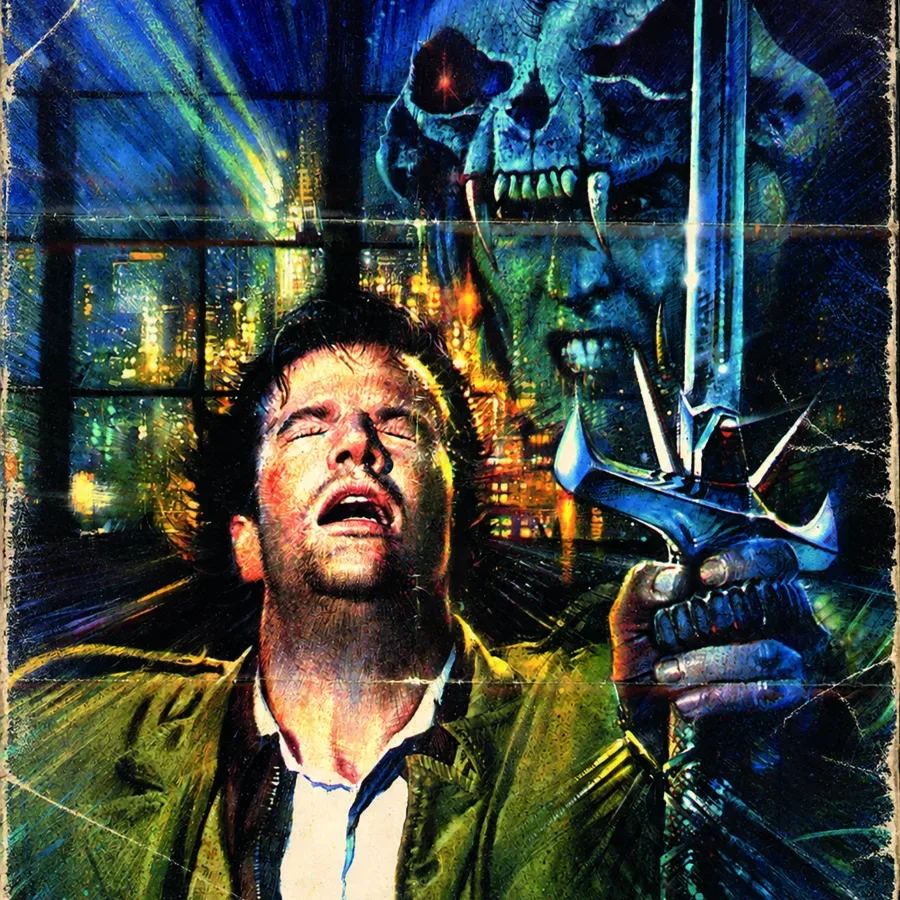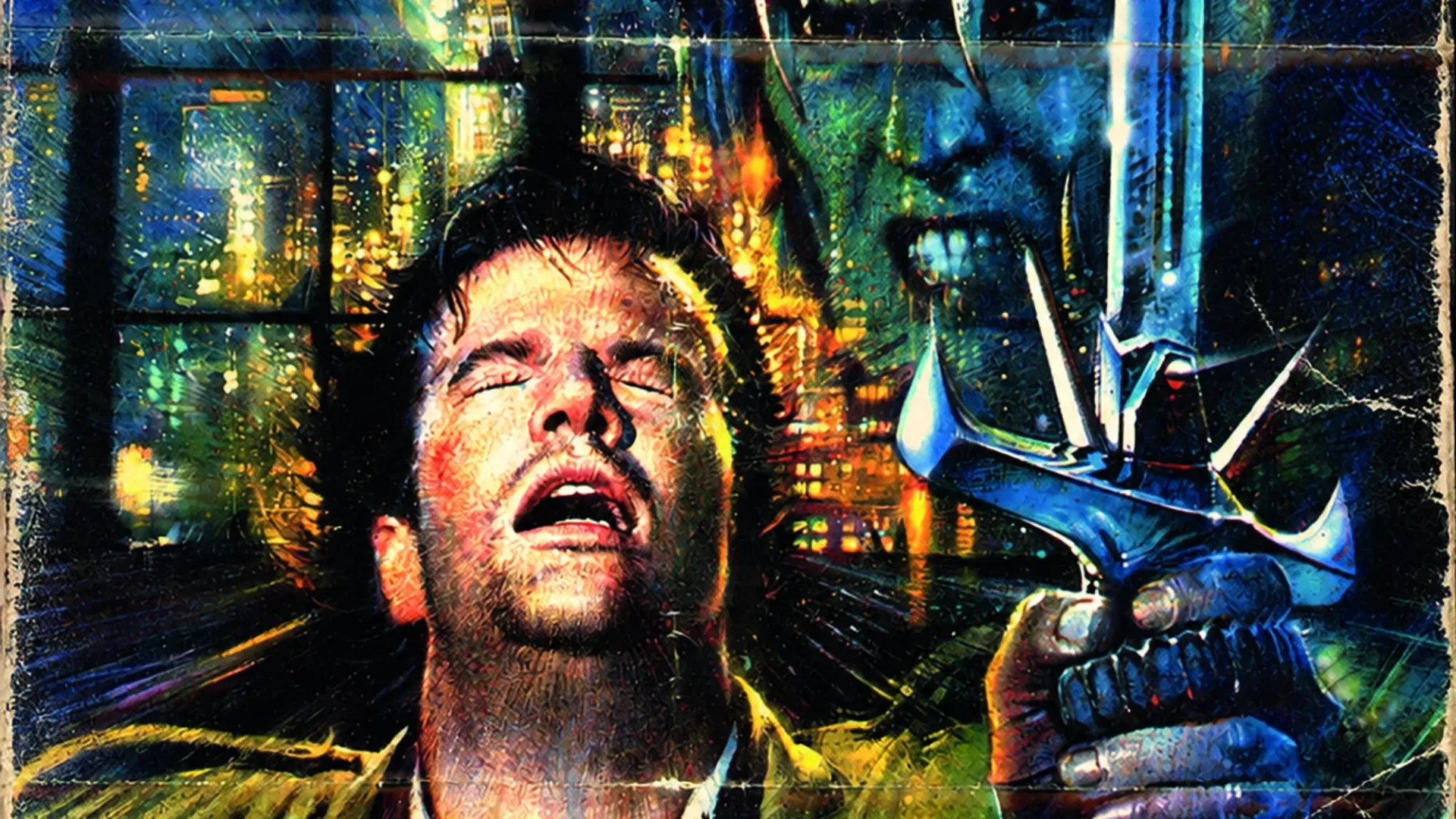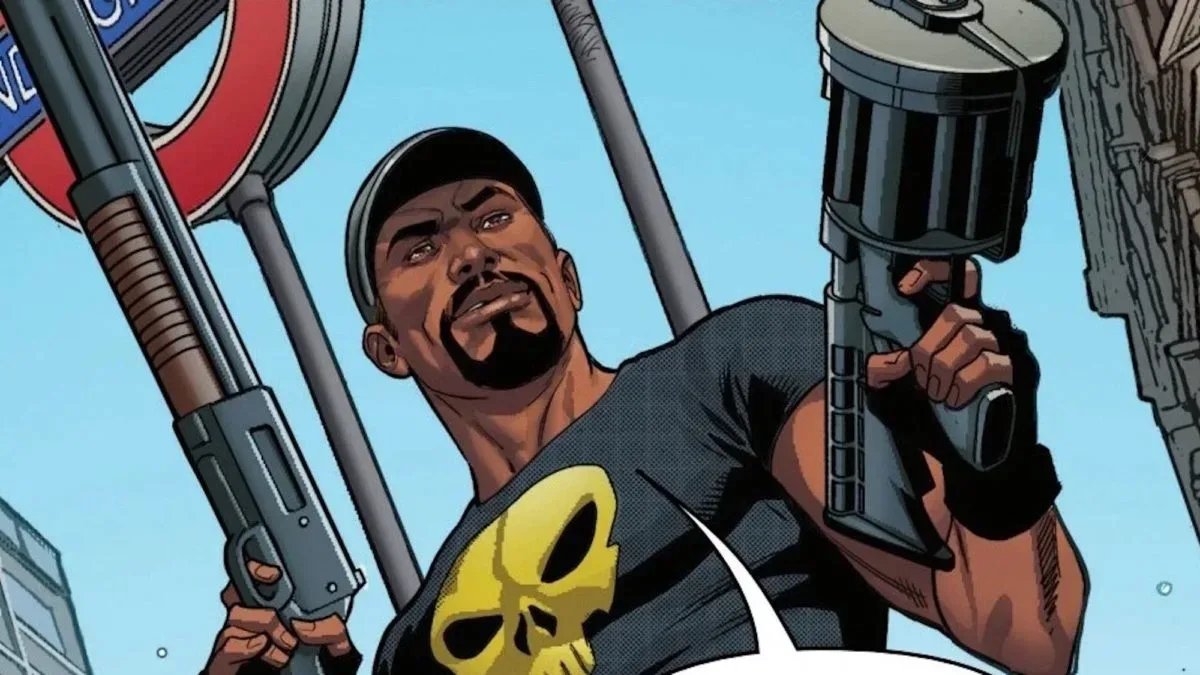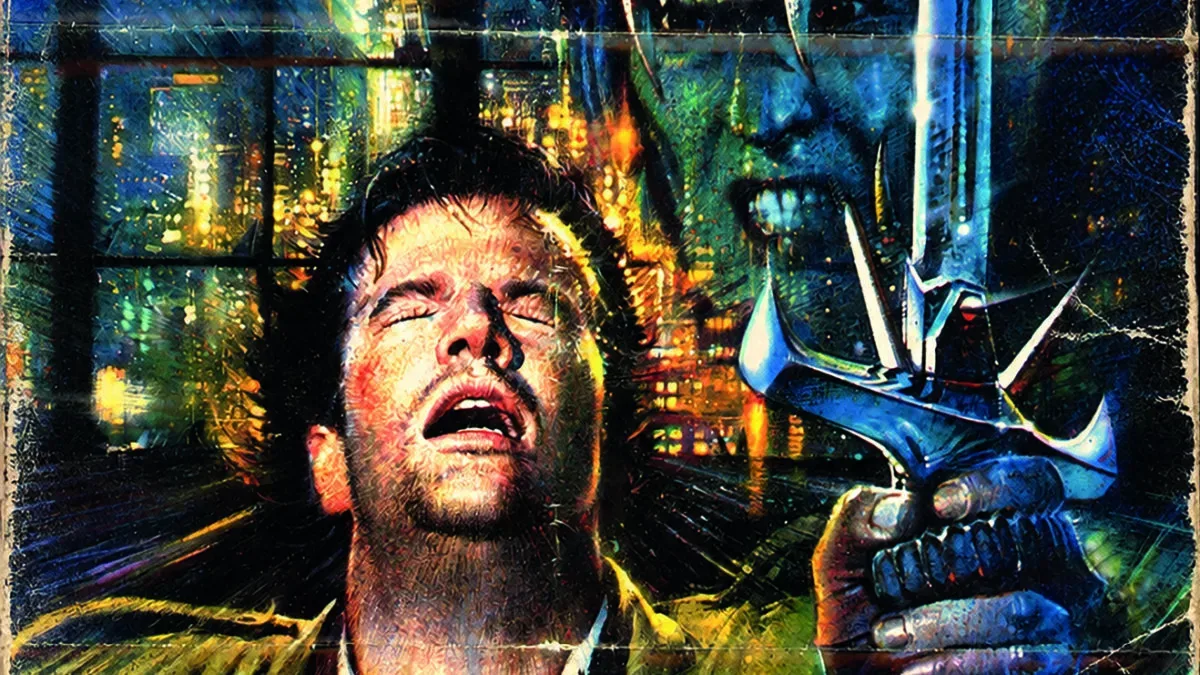
There can be only one is getting a very particular kind of comics revival in December 2026. Highlander: The Original Screenplay #1, the first chapter of a four-issue miniseries, is scheduled for December 2. Rather than simply launching another continuation, the comic is built from Highlander creator Gregory Widen’s original script, with art by Szymon Kudranski.
That distinction is the essential hook. An “original screenplay” adaptation is not automatically the same thing as a sequel, reboot, or straightforward film-to-comic retelling. The supplied description frames this project as an opportunity to see Widen’s initial vision rendered in comics form. Connor MacLeod remains at the center: an immortal living through centuries, confronting rivals, and pursuing the mysterious Prize. But the attraction for established Highlander readers is the prospect of material and emphases shaped by the screenplay source rather than by expectations of a standard franchise extension.
The debut is a 32-page issue priced at $4.99, with covers credited to Gerardo Zaffino, Lee Binding, Kudranski, Claudia Gironi, and Brian Bysouth. Widen is credited as writer, while Kudranski handles interior art. As with any announcement-stage description, readers should treat the premise as the currently listed plan for the series, not a substitute for seeing the finished adaptation or knowing every way it may differ from other versions of the story.
Why the screenplay angle matters
Comics are especially suited to screenplay adaptations because both media use sequential storytelling, but they distribute information differently. A screenplay establishes scenes, dialogue, action, and dramatic progression for a production; comics transform those directions into page composition, panels, pacing, and visual transitions. The words “lavishly illustrated” indicate an emphasis on the visual realization, while Kudranski’s credit makes clear that the comic is not merely presenting a script as prose.
For readers, that means the series’ value will likely rest on two connected questions: what is distinctive about Widen’s original story, and how does Kudranski choose to stage it on the page? The solicitation does not specify individual screenplay changes, cut sequences, or plot departures, so it would be premature to promise any particular revelation. What it does establish is a defined creative premise: the comic is based on Widen’s original script and follows Connor’s life across centuries and conflicts with fellow immortals.
That also sets Highlander apart from the other December releases. Much of the line is either an ongoing installment, a collection, or a continuation of a story already in motion. Highlander: The Original Screenplay begins with a self-explanatory four-part structure and a source-text concept that can appeal to both franchise followers and comics readers interested in adaptations as adaptations.
Conan has the broadest December footprint
If Highlander is December’s headline debut, Conan is the month’s most extensive presence. The schedule includes two new comic issues, a Reforged issue, two Reforged collections in different formats, and limited issue packs.
Conan the Barbarian: Tides of the Tyrant King #4 arrives December 16 for $4.99. Jim Zub writes, Jesus Merino provides art, and the listed covers are by Gerardo Zaffino, Merino, and Derek Laufman. The conflict brings back Thulsa Doom, described here as an Atlantean necromancer whose power threatens to let the dead overwhelm the living. The issue is a 32-page continuation, so it is best approached as part of the existing Tyrant King story rather than an isolated new beginning.
One week later, on December 23, Conan the Barbarian #38 lands at $4.99. Zub writes again, with Ivan Gil on art. The premise moves Conan into Zamora as a thief hired to take a young bride away from her noble family so that she can marry her secret lover. The listed wrinkle is that success carries a cost greater than Conan expects. Its cover artists are Juan Alberto Hernandez, Aaron Lopresti, Sedat Oezgen, and Gil.
The Savage Sword of Conan: Reforged #8 arrives December 9 as a larger 64-page, $11.99 issue. Roy Thomas and Dick Giordano adapt Robert E. Howard’s “Jewels of Gwahlur,” in which Conan searches a lost city for a legendary treasure amid rivals, ancient secrets, and monstrous threats. It also contains the fifth installment of an adaptation of Howard’s Hyborian Age essay, credited to Thomas and Walter Simonson. “Reforged” is important terminology here: the line is presenting restored full-color editions of stories that originated in the classic The Savage Sword of Conan magazine series, rather than new continuity material.
That restoration approach continues with The Savage Sword of Conan: Reforged Vol. 2, also due December 9. The 192-page, $19.99 book collects Reforged issues #4-6, with stories associated with Roy Thomas, John Buscema, and Alfredo Alcala; Earl Norem and Neal Adams are listed for covers. Readers who want a bound entry point into that segment may find the collection more practical than tracking its component single issues.
At the premium end is The Savage Sword of Conan: The Original Comics Omnibus Vol. 13, an 864-page hardcover-sized proposition in every sense at $125, on sale December 9. Its announced material includes the first reprint of Conan the Rogue, credited to John Buscema and Roy Thomas, as well as early Conan work by John Arcudi. Writers Chuck Dixon, Arcudi, and Thomas and artists Ernie Chan and Mike Docherty are listed for the omnibus, with a cover by Earl Norem.
December also has a limited Conan the Barbarian #33-36 Pack. Priced at $19.99 and limited to 600 copies, it bundles four 32-page issues from the Conan and Valeria pirate storyline involving the Red Brotherhood and occult enemies from Conan’s past. Limited packs are physical-comics products rather than a new chapter of story: they package previously numbered issues together and explicitly state a capped quantity.
Science fiction and horror series advance
Blade Runner: Tokyo Nexus: Die with Honor #2 is another 32-page, $4.99 issue scheduled for December 2. Nancy A. Collins writes and Mariano Taibo draws. Its plot places Alura, Stix, Mead, Uldren, Cheshire Corp., Kalanthia, and the Borealis Team in a chain of competing agendas. Uldren learns Stix and Mead are alive and wants them killed; Alura demands the promised bootleg Replicants before acting; Stix is then ordered to lead three Cheshire Replicants after Madame Nomura. In Blade Runner terminology, a Replicant is the artificial human at the center of the setting’s moral and corporate conflicts. The solicitation specifically describes the Cheshire group as bootleg Replicants, meaning unauthorized creations within this story’s corporate struggle.
Readers seeking the earlier Tokyo Nexus chapter will also have Blade Runner: Tokyo Nexus: To Lose Is to Win Vol. 2, a 112-page, $17.99 collection arriving the same day. It gathers issues #1-4 and centers on Uldren’s attempt to conceal his betrayal and theft of Tyrell data, the information that enabled Cheshire Corp.’s Replicant assassins. The collection’s overlap in characters and corporate intrigue makes it a useful way to establish the stakes around Stix and Mead, though the new Die with Honor issue is a separate #2 in its own four-part series.
Vampire: The Masquerade: Wake in Hate #2 follows on December 16. John Lees writes, Tom Mandrake draws, and Alan Quah, Claudia Ianniciello, and Jenna Cha provide covers. The 32-page, $4.99 issue follows Silky deeper into a protest zone as disappearances continue and his relationship to Terence intensifies. The title’s “masquerade” refers in this context to the pressure to preserve a boundary between vampires and human affairs. The stated tension is not just whether Silky intervenes, but whether emotion and the beast within him compromise that boundary.
Vampire Survivors #4, also December 2, closes its four-issue run. David Hazan writes, Jimmy Kucaj provides art, and Jão Canola is credited for color. In Capella Magna, the Belpaese and Ladonna families attempt to exorcise Imelda Belpaese. The complication is that the Trickster is not a demon, and the threat may turn Imelda’s own family against her. Alessio Petillo and Avenoirn supply the covers. As a finale, the 32-page issue offers the clearest single-issue stopping point among the month’s ongoing genre series, although whether it functions for new readers cannot be determined from a synopsis alone.
A Fugitive Doctor collection and several manga entry points
Doctor Who: Circuit Breaker collects two comic-strip adventures starring the Fugitive Doctor. Written by Dulcie Montoya and Dan Watters with art by Roberta Ingranata and Sami Kivelä, the 112-page $17.99 book arrives December 2 with a Jay Anacleto cover. Both stories involve the Daleks. Adversary of the Daleks takes the Doctor to Thessaloniki in ancient Greece, while Dawn of the Daleks is set on war-ravaged Skaro and concerns the fate of the Kaled forebears. A collection such as this groups complete adventures into one purchase, in contrast to the monthly serialization of a four-issue miniseries.
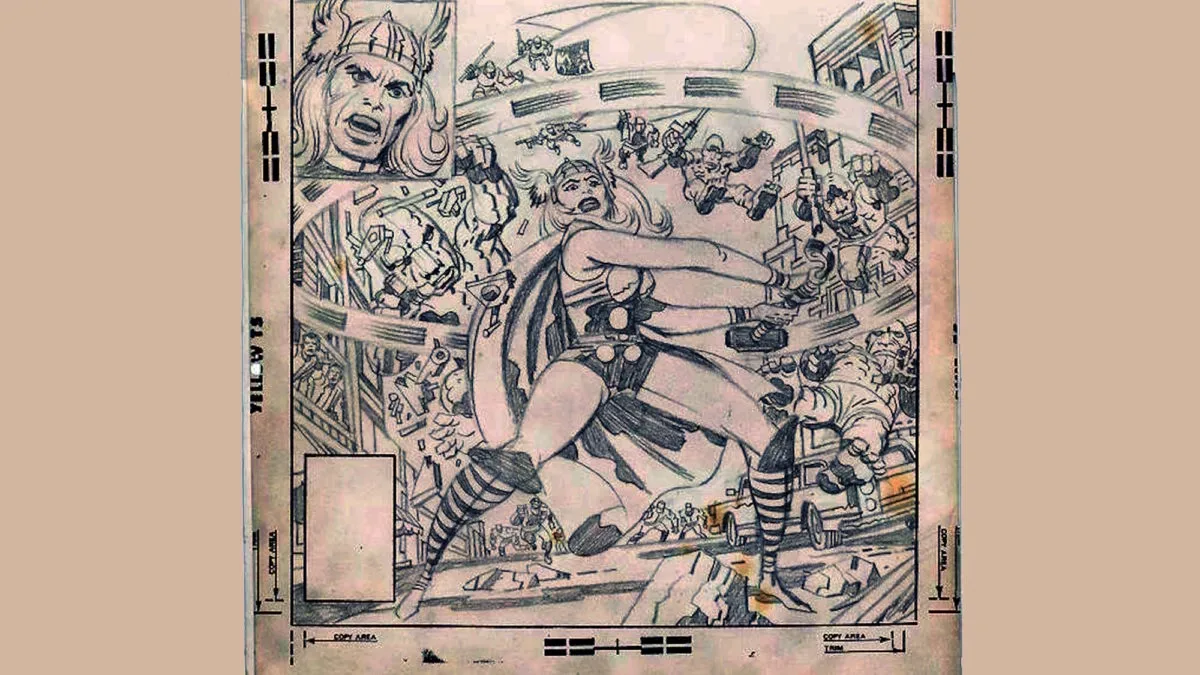
For readers interested in the wider comics-art ecosystem, the preservation of pages and artists’ legacies is also a continuing conversation, as seen in this report on original comic art entering the Jack Kirby Museum. That is a separate story, but it provides helpful context for why named artists, restored editions, and cover lineups remain meaningful details in solicitations.
December’s manga releases include several first volumes, giving readers clearer new-series access points. Break Blade Vol. 1 is due December 16 for $12.99 and 160 pages. Yunosuke Yoshinaga writes and draws the series, which follows Rygart Arrow, one of the few people unable to use magic in a kingdom where magic shapes warfare. He discovers an ancient Golem that only he can pilot while invasion looms. Here, “mecha” describes the story’s large war machines; the solicitation pairs that machinery with political conflict and character drama.
Black Witch Mirror Vol. 1 follows December 23 at 208 pages for $12.99. Yonan Togawa is credited as writer and artist. A young girl encounters a witch connected to dangerous mirrors, with reflections revealing suppressed memories, desires, and unsettling possibilities. The supplied description cuts off before completing its final sentence, so readers should not infer a specific final outcome or threat beyond the announced reality-and-memory premise.
Two more new volumes arrive December 9. Modern Villainess: It’s Not Easy Building a Corporate Empire Before the Crash Vol. 1, written by Tofuro Futsukaichi with art by Data, is a 192-page $12.99 story about Luna Keikain, reborn as an otome-game villainess before the 2008 financial crash. “Otome game” commonly denotes a romance-focused game genre, but the listed premise turns its reincarnation setup toward corporate rescue and economic foreknowledge. The Legendary Witch Is Reborn as an Oppressed Princess Vol. 1, by Touko Amekawa and Nae Serizawa, is likewise 192 pages at $12.99. Claudia recovers memories of being the witch Adelheid and uses that power to reject the tragic future imposed on her.
Elsewhere, Baby. Vol. 2 continues Chang Sheng’s five-volume post-apocalyptic saga on December 30, at 320 pages and $24.99. High Elf with a Long Life Vol. 2 arrives December 16 at 176 pages and $12.99, following Acer beyond the Great Pulha Woodlands. Strange Pictures Vol. 3, by Uketsu and Kikou Aiba, uses apparently innocent drawings as clues in linked mysteries on December 30; it is 160 pages and $12.99. And Nebukuro’s Welcome to Ghost Mansion Vol. 4 brings more supernatural rental-management chaos on December 30, in a 208-page $12.99 volume.
December 2026 release dates at a glance
- December 2: Highlander: The Original Screenplay #1; Blade Runner: Tokyo Nexus: Die with Honor #2; Vampire Survivors #4; Solomon Kane: The Lion Errant #1-4 Pack; Blade Runner: Tokyo Nexus: To Lose Is to Win Vol. 2; Doctor Who: Circuit Breaker.
- December 9: The Savage Sword of Conan: Reforged #8; The Savage Sword of Conan: Reforged Vol. 2; The Savage Sword of Conan: The Original Comics Omnibus Vol. 13; Modern Villainess Vol. 1; The Legendary Witch Is Reborn as an Oppressed Princess Vol. 1.
- December 16: Vampire: The Masquerade: Wake in Hate #2; Conan the Barbarian: Tides of the Tyrant King #4; Black Star #1-5 Pack; Conan the Barbarian #33-36 Pack; Break Blade Vol. 1; High Elf with a Long Life Vol. 2.
- December 23: Conan the Barbarian #38; Black Witch Mirror Vol. 1.
- December 30: Baby. Vol. 2; Strange Pictures Vol. 3; Welcome to Ghost Mansion Vol. 4.
The immediate takeaway is a line divided between a screenplay-rooted Highlander launch, expansive Conan archival and current-story options, genre miniseries moving toward or through their midpoints, and multiple manga volume ones. For a reader deciding where to start, Highlander #1, Break Blade Vol. 1, Black Witch Mirror Vol. 1, and the two December 9 manga debuts are the cleanest fresh-entry choices. For readers already following ongoing books, the issue numbers, collection labels, page counts, and dates make it easier to choose between single installments, complete arcs, and archival editions.