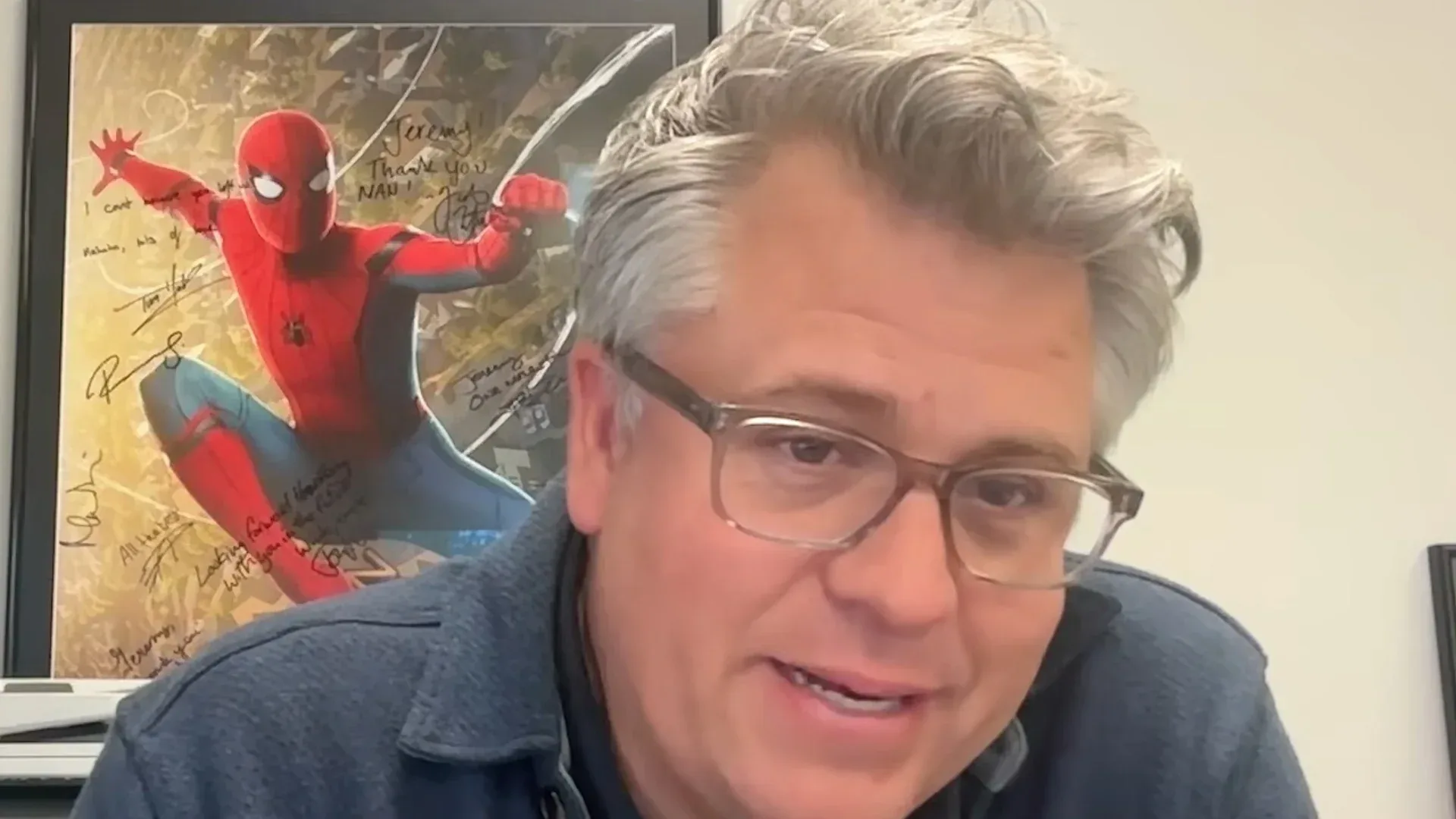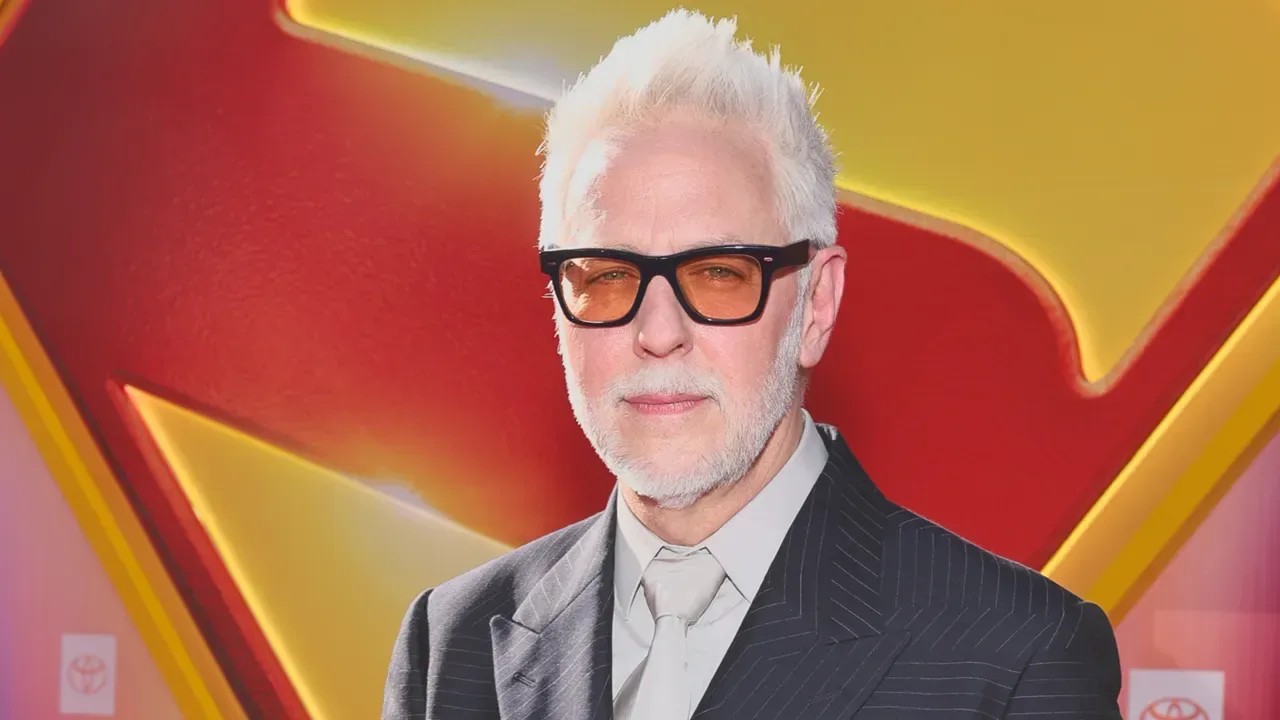
Claims about potential changes at DC Studios have become a major point of attention in comics and entertainment discussion, with James Gunn, Peter Safran, Jeremy Latcham and Jim Lee all appearing in the latest cluster of heavily circulated headlines. The available material, however, is a popularity roundup of previously published stories rather than a formal announcement, and it does not provide independently verifiable details establishing that any leadership transition has occurred.
That distinction matters. A headline saying a person is “out,” another saying future involvement is “unclear,” and a third connecting a new name to a role can create the appearance of a settled story when read together. Yet the underlying information supplied here contains no official statement text, no confirmed job title for Latcham, no effective date, and no response attributed to DC Studios, Gunn, Safran, Latcham or Lee. Readers should therefore treat the leadership claims as unconfirmed industry chatter, not as established corporate news.
What is actually in the roundup
The November 10, 2026 digest identifies a story about “Late Night DC Comics Gossip” as its most-read item and puts several related DC Studios headlines near the top of its prior-day reading list. Those headlines involve Gunn, Safran, Latcham and Lee, including one that frames Gunn’s future involvement as uncertain and another that alleges Gunn and Safran are departing while Latcham is being named.
Importantly, the digest’s purpose is to list stories readers clicked, alongside older stories that drew attention on the same calendar date in earlier years. It also includes items about LEGO Mario Kart, Transformers products, Marvel comic-book developments, Batman material, toy-business activity and forthcoming comics. In other words, it is a measure of what was attracting interest, not a record of confirmed developments.
The most reliable conclusion available from this material is straightforward: possible DC leadership changes were a prominent subject of discussion on November 9 and 10. The claims themselves need firmer sourcing before they should be presented as fact.
Why the names generate such immediate interest
DC occupies several connected spaces at once: monthly comics, collected editions, animation, film, television, consumer products and games. Any report involving senior creative or studio leadership can therefore be interpreted by fans through multiple lenses. Comic readers may wonder about editorial direction and character initiatives. Film audiences may look for implications for upcoming screen projects. Collectors can immediately start speculating about whether a particular character, run, cover or screen tie-in has new significance.
That response can be understandable while still getting ahead of the evidence. Interest is not confirmation, and a rise in attention does not tell us whether a claim is complete, accurate, outdated or missing vital context.
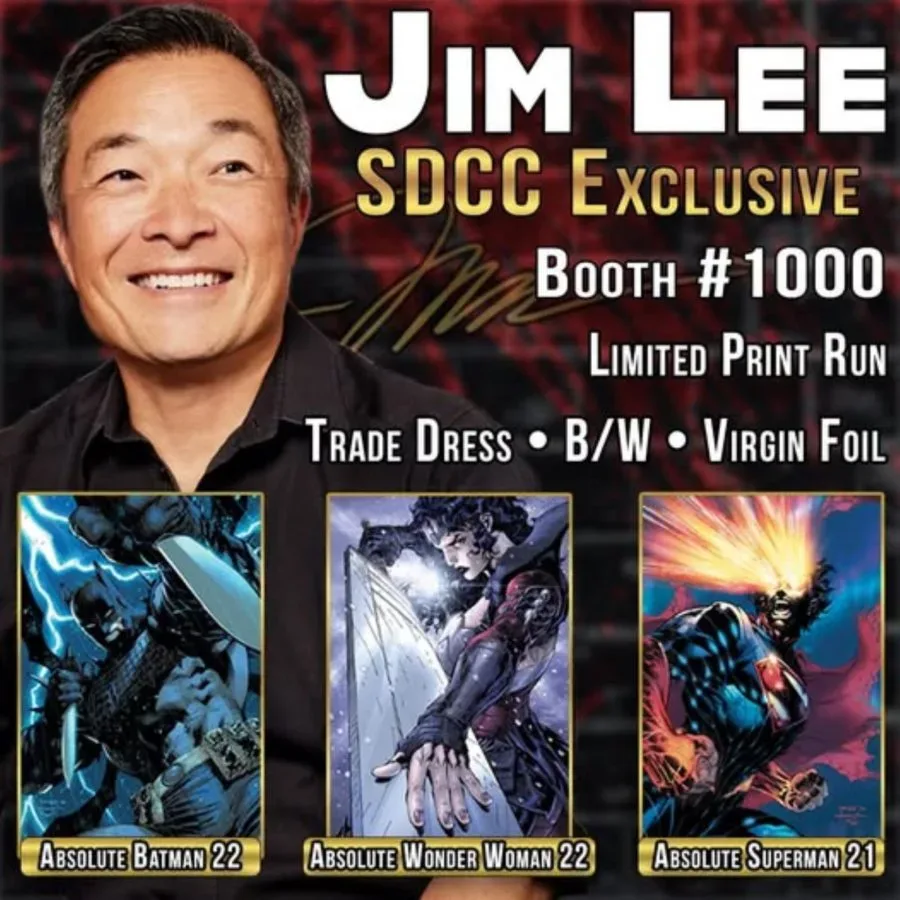
Jim Lee’s inclusion is particularly notable because his name is closely tied to DC Comics rather than being evidence, by itself, of a broader studio management decision. A headline that combines Lee with the DC Studios names can prompt readers to infer that the film-and-comics sides are changing together. Nothing in the supplied information establishes that connection. It may simply reflect the natural overlap in public interest around the DC brand.
Understanding the difference between DC Comics and DC Studios
One reason reports of this kind travel so quickly is that the terms are easy to blend together in conversation. DC Comics refers to the comic-book publishing side associated with characters such as Batman, Superman and Wonder Woman. DC Studios refers to the screen-focused studio operation linked to DC properties. They share characters, brand recognition and a great deal of fan attention, but discussion of one is not automatically proof of a decision at the other.
For readers, that means a story about a Batman annual, a Superman comic, or an imprint’s publishing plans should not be treated as corroboration for a report on a studio executive arrangement. Likewise, speculation about film leadership does not establish a new comic-book slate, a line-wide reboot, an event series or a change in the creative teams behind ongoing titles.
The distinction is useful beyond DC. In entertainment reporting, one brand may cover publishing, licensing, games and screen production, each with different personnel and planning cycles. A management report can have long-term implications across that wider ecosystem, but implications are not the same thing as announced changes.
The practical reader’s guide to unconfirmed leadership reports
When a major franchise becomes the subject of rumors, the best approach is to separate the claim from the information that would verify it. In this case, several essential details are absent from the supplied material.
- No official confirmation: There is no supplied statement from the companies or people named.
- No defined positions: The material does not specify the role Latcham is alleged to be taking.
- No timeline: There is no confirmed effective date for any purported change.
- No explanation of scope: It is unclear whether the chatter concerns an exit, a restructuring, a revised remit, succession planning or something else.
- No stated impact on projects: The information does not identify any film, series, comic or game whose status would change.
These are not minor gaps. They are the details that turn a rumor into a report. Until they are available from authoritative sources, fans and collectors should avoid treating secondary effects as settled: there is no demonstrated reason here to alter buying decisions, assume cancellations, declare a creative era over, or predict a specific direction for DC’s characters.
That restraint is especially useful in collector circles, where rumors can be amplified into claims of scarcity or future importance. A comic issue, toy or other item is not made more significant merely because people are talking about a corporate shift that has not been confirmed. Physical-collectible decisions should rest on condition, personal interest, edition details and trustworthy market information—not a fast-moving headline cycle.
Why aggregation can make a story look more definite than it is
Daily trend lists are useful tools for seeing what people are discussing. They are less useful as a standalone way to determine what happened. An aggregation format brings separate headlines close together, repeats names, and ranks subjects by attention. The result can make a developing claim feel more established than the supporting evidence warrants.
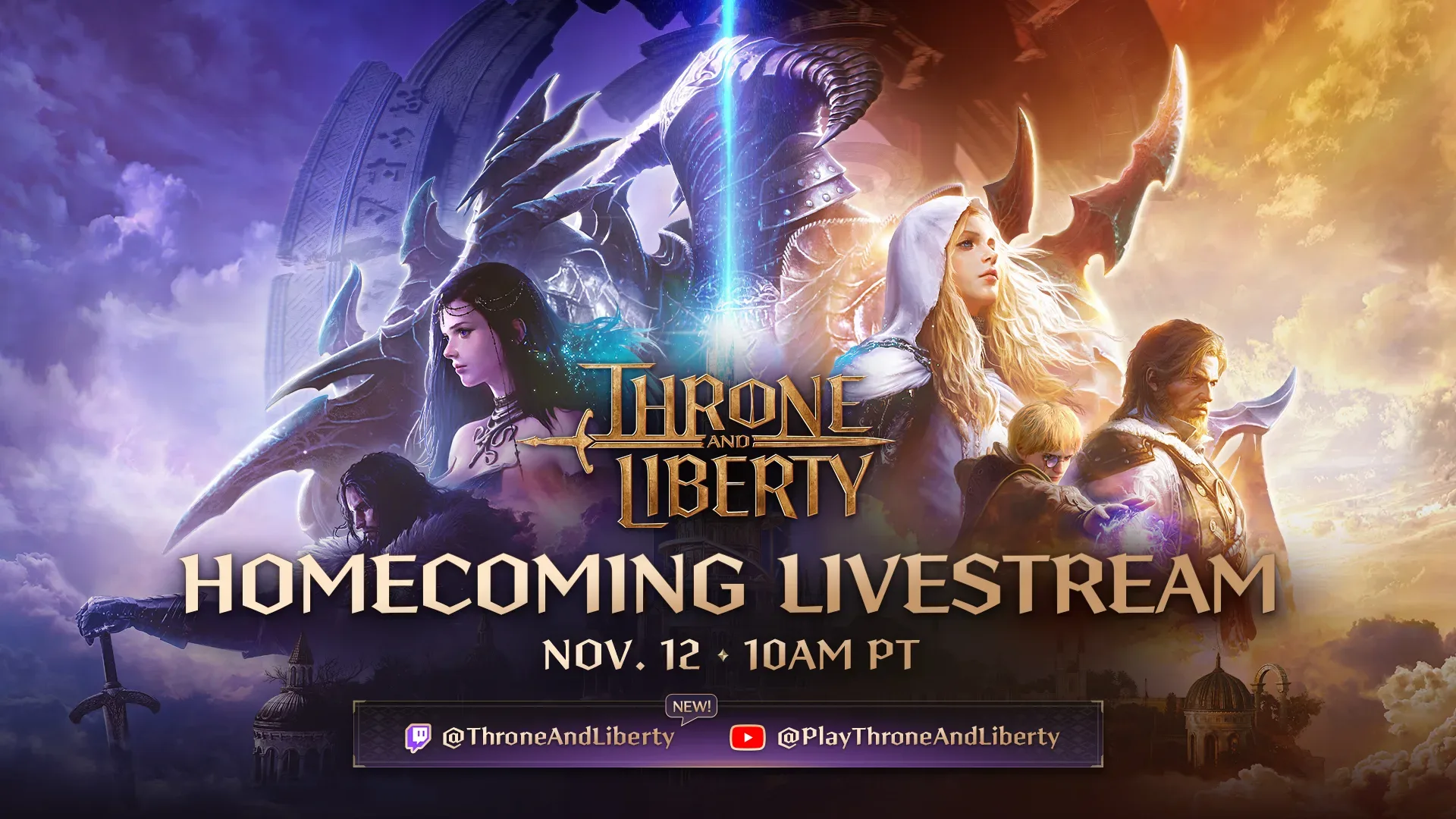
That is not unique to comics. Gaming audiences see the same pattern around publisher leadership, platform-holder strategy, studio acquisitions and release rumors. The reason verified publishing arrangements matter is clear in gaming as well; for example, coverage of NC taking global publishing of Throne and Liberty is useful because a specific business relationship and player-facing detail are identified. By comparison, the DC-related material summarized here leaves the core alleged arrangement undefined.
Readers do not need to dismiss every early report out of hand. But an early report should be described accurately: as a claim, a report, an allegation or a rumor, depending on the evidence available. It should not gain certainty simply because many posts, summaries and social discussions repeat it.
What the wider list says about the comics conversation
Beyond the DC Studios chatter, the digest highlights the broad mix of topics that draw comics readership: Batman developments, Marvel character stories involving Spider-Woman and Carnage, a retrospective item about Christopher Priest and a Superman/Spider-Man crossover, plus publisher solicitations and creator-led projects. There are also references to Devil’s Due, Image Comics, IDW, Ahoy Comics and the return of BloodRayne to comics for its 25th anniversary.
That range is a useful reminder that comics news is not one single beat. Corporate management speculation may lead a day’s traffic, while readers are also looking for upcoming books, character continuity, creator work, licensed properties and retail formats. One listed item references blind bags for Hello Kitty trade paperbacks in 2027, while others turn toward superhero stories or independent-comics announcements.
The historical portion of the digest reinforces another point: discussion cycles are short, but franchises and creative work are long-lived. The list revisits stories from one to eight years earlier, spanning topics such as Absolute Batman, Gotham by Gaslight, Wonder Woman, X-Men, comic distribution, creator compensation and various screen adaptations. The repeated appearance of DC, Marvel and other familiar properties reflects durable public interest, not necessarily continuity in the business circumstances around each story.
What can be said now—and what cannot
It is fair to say that rumored DC Studios changes involving Gunn, Safran and Latcham have attracted significant attention, and that Jim Lee’s name is part of the same conversation in the headlines collected by the digest. It is also fair to say that fans have reason to watch for official clarification because DC’s publishing and screen properties command broad interest.
It is not supported by the supplied material to state that Gunn and Safran have definitely left DC Studios, that Latcham has definitely assumed a particular role, that Lee’s responsibilities have changed, or that any particular comic, film, television project or game will be affected. Those claims require information that is not included here.
For now, the sensible read is that this is a high-interest, low-certainty story. Watch for direct confirmation and precise details, keep DC Comics publishing news separate from DC Studios leadership speculation, and resist translating an attention-grabbing rumor into a firm prediction about the future of the brand.