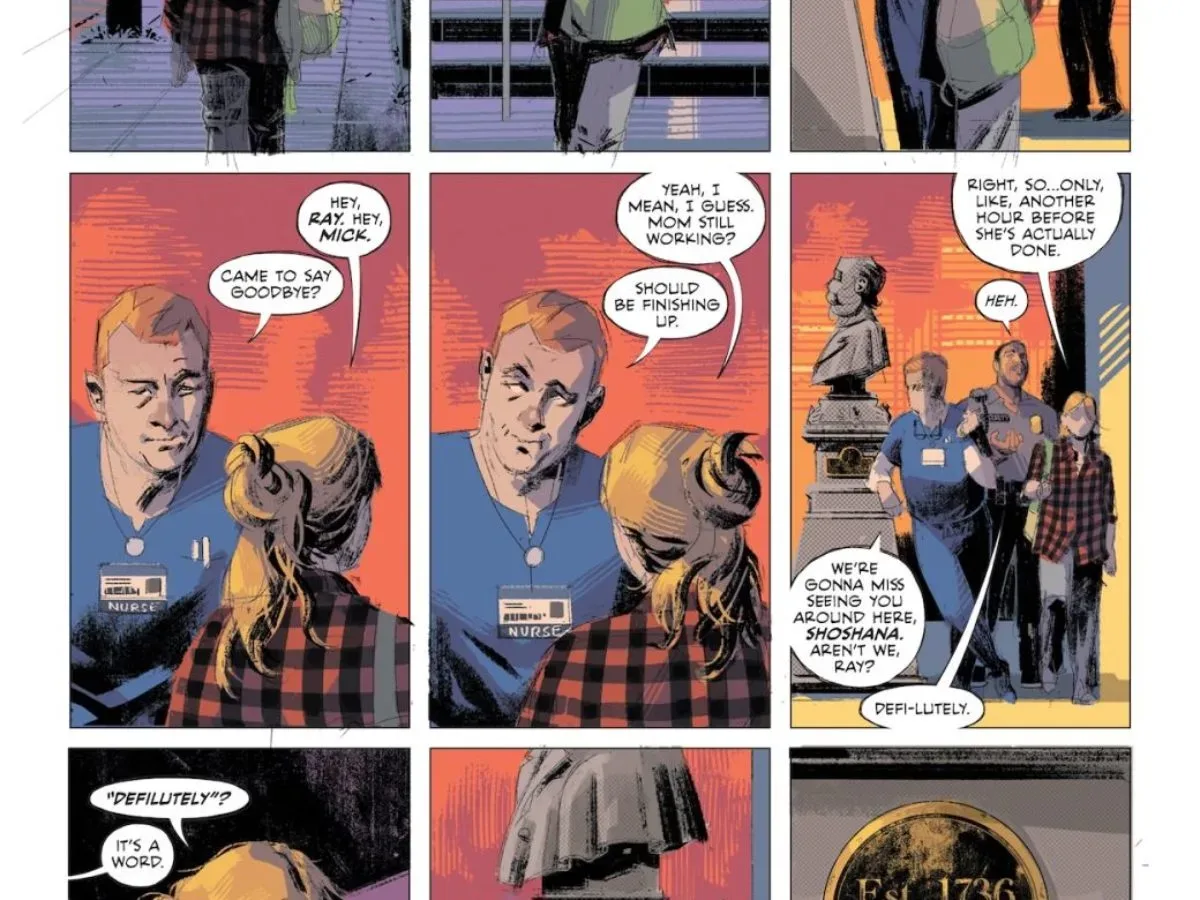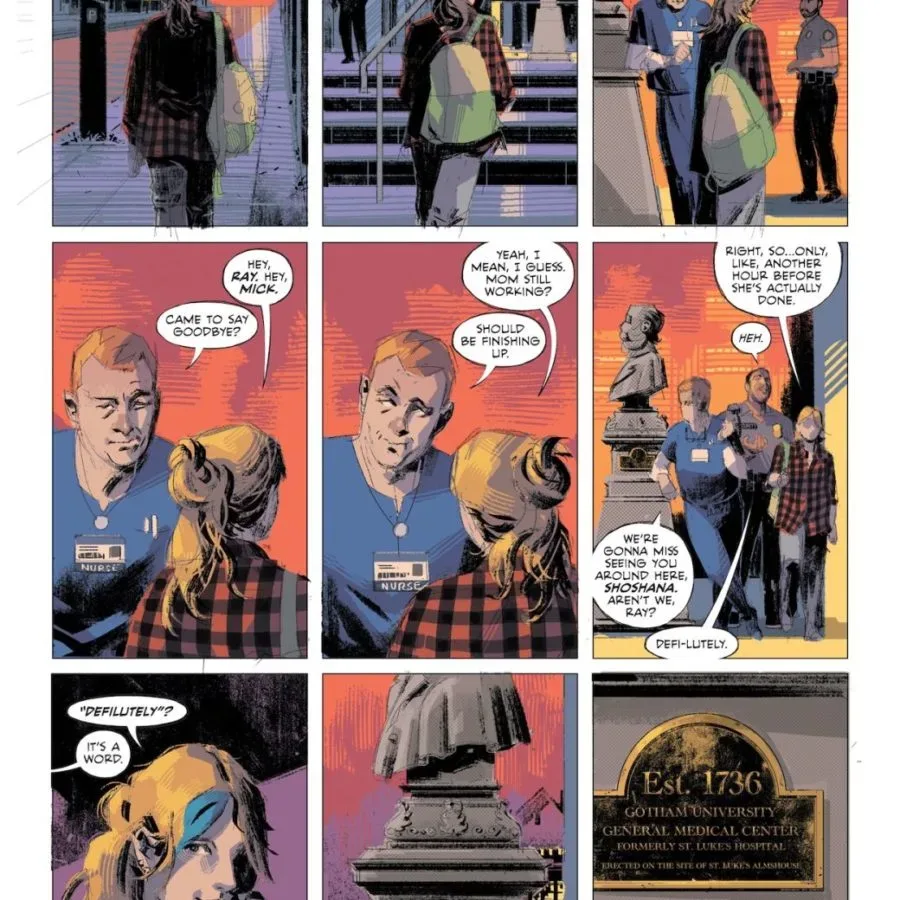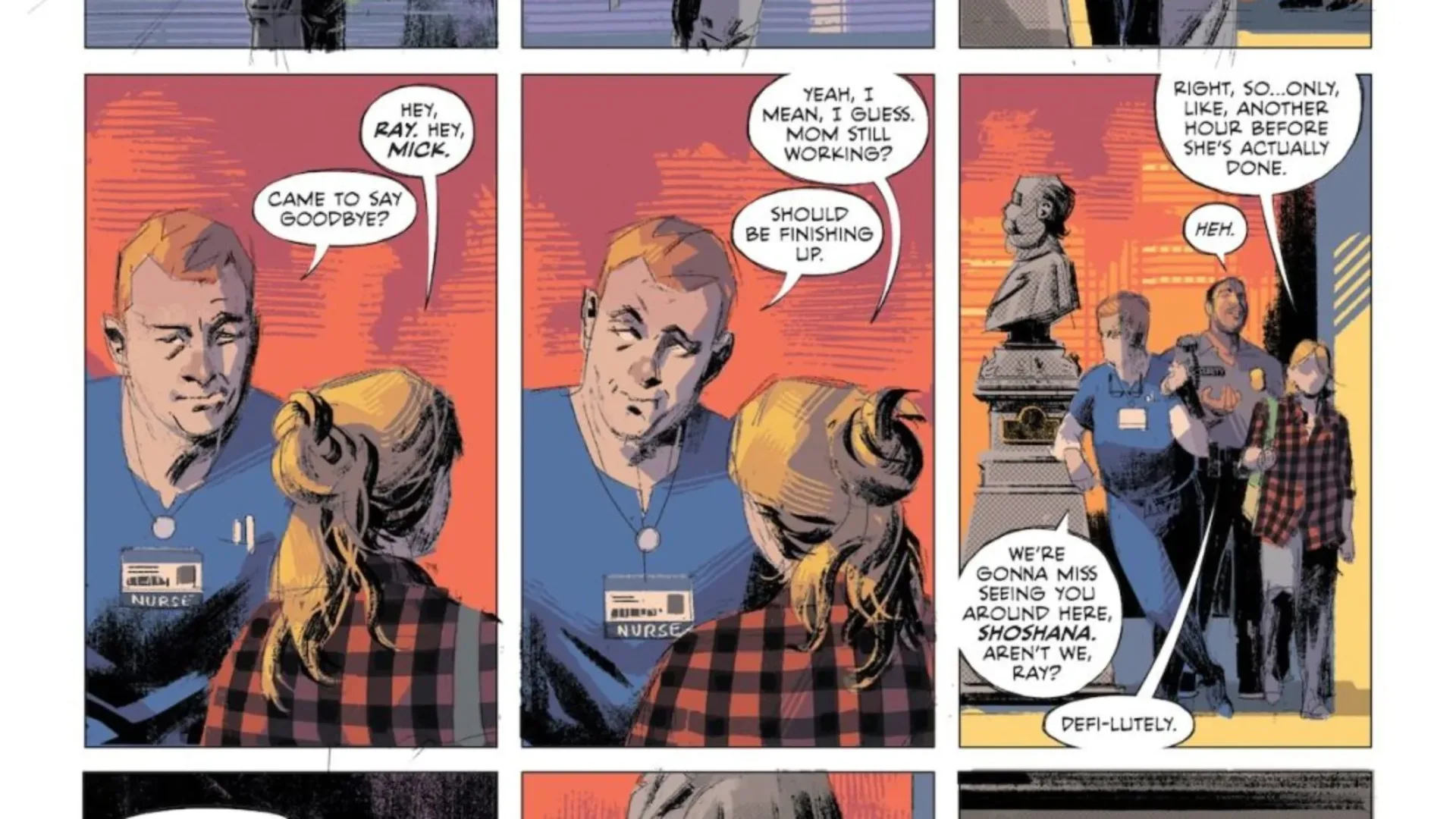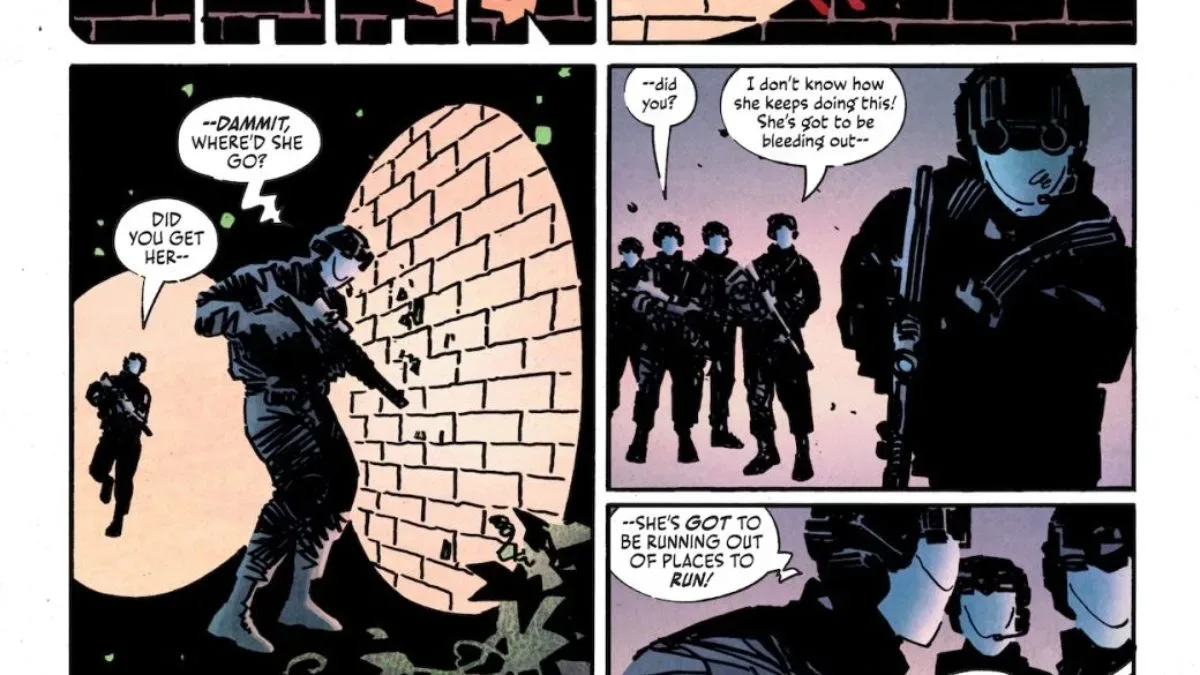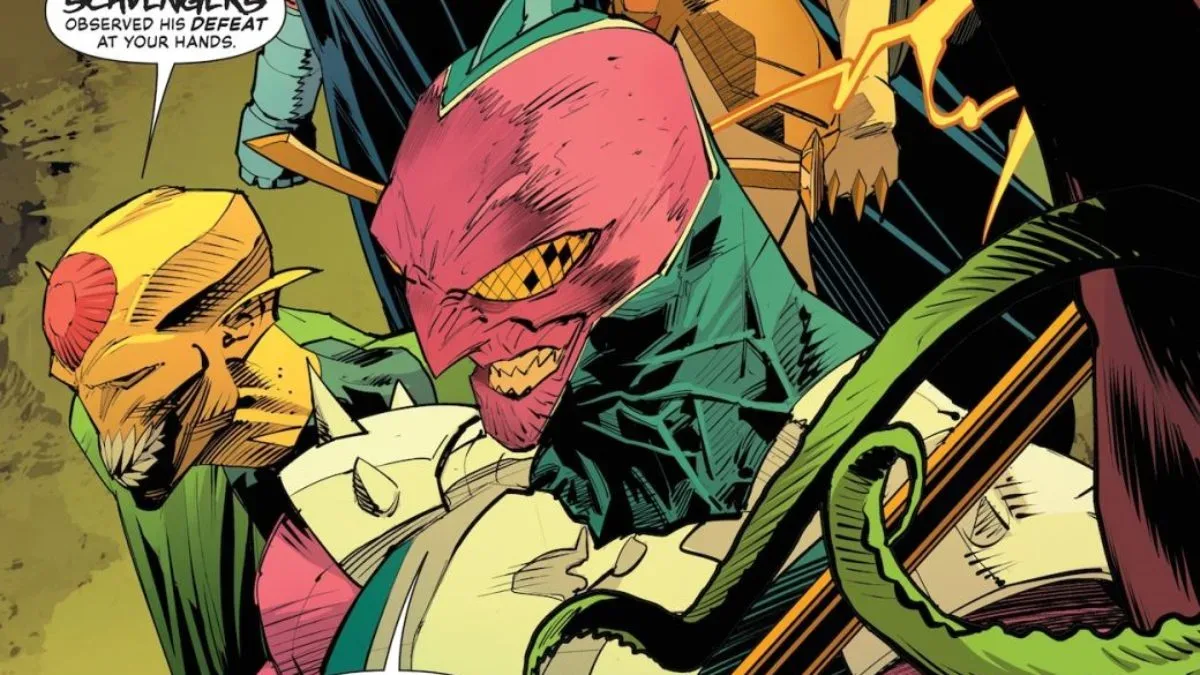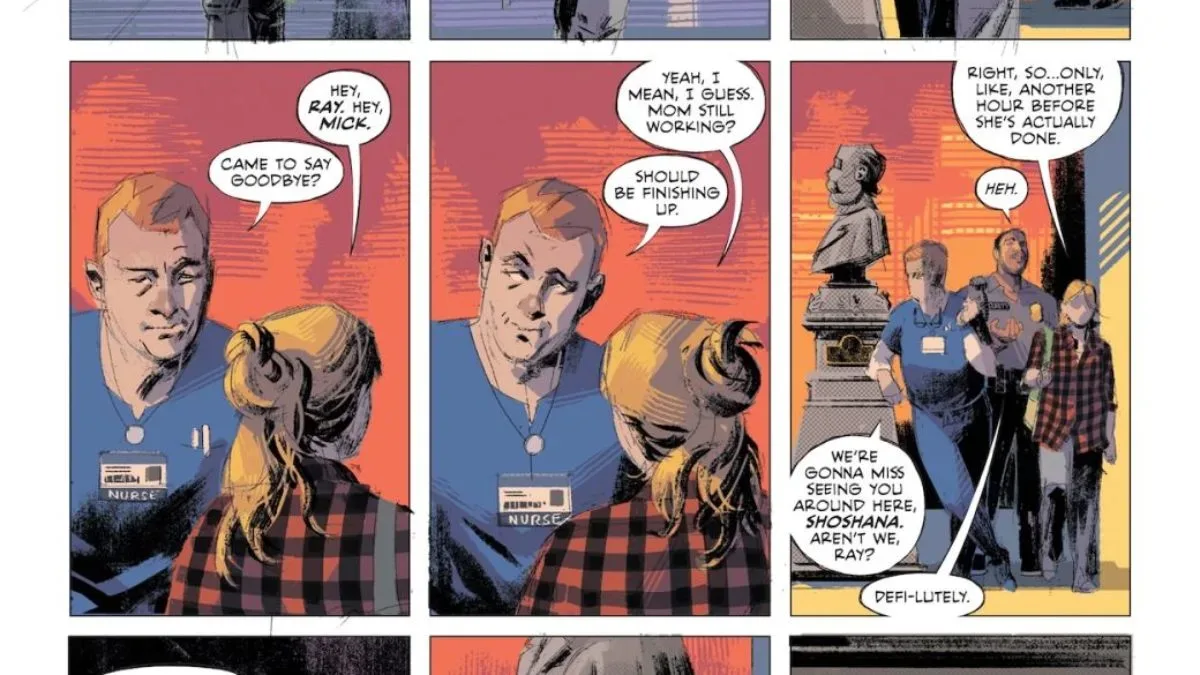
Batman stories usually ask what happens when Gotham’s worst night lands on the shoulders of one vigilante. Batman: Bad Seeds – Gotham General #1 takes a notably different route: it heads inside Gotham City’s tier-one trauma center, where the people expected to keep functioning do not have costumes, gadgets, or a signal in the sky.
Listed for comic shops on Wednesday, October 28, 2026, the issue is written by Greg Rucka with art and cover art by Rosa Ekedal. Its central figure is Dr. Ava Dastur, who works alongside the staff at Gotham General as an already severe emergency gets worse. The power is out, fires are burning, transportation has been disrupted, and patients continue arriving despite a shortage of beds.
That premise moves the focus away from the person who caused a Gotham disaster or the hero who might stop it. Instead, the question appears to be what happens after the chaos reaches the emergency department doors.
A Gotham disaster viewed from the treatment floor
The solicitation establishes a pair of alarming patient presentations. Half of those arriving at Gotham General are dealing with respiratory complications, while the other half are suffering hallucinogenic psychotic episodes. Those terms matter because they suggest a crisis affecting more than one individual or isolated incident: the hospital is confronting a volume of patients with overlapping, urgent problems at the same time.
Respiratory complications refers broadly to problems affecting breathing or the respiratory system. Hallucinogenic psychotic episodes, as used in the setup, describes patients experiencing perceptions or thinking detached from reality. The description does not identify a cause, and readers should not treat the premise as a medical diagnosis or a confirmed explanation of Gotham’s emergency. What is clear is that General’s staff must manage both physical distress and severe behavioral or perceptual symptoms while their workplace infrastructure is failing.
The combination of a power outage, fires, compromised transport, insufficient beds, and a continuous stream of patients gives the issue a disaster-story framework. Yet its key dramatic choice is scale. Gotham is often portrayed through rooftops, alleys, police scenes, or destructive set pieces. A trauma center is where the consequences of all of that become immediate, personal, and impossible to ignore.
“When disaster strikes, not all of Gotham’s heroes wear capes,” the issue’s setup says, while also insisting that the people working at General do not call themselves heroes because this is their job.
That tension is likely the point. The staff are not presented as costumed replacements for Batman. They are professionals performing their roles amid circumstances that would overwhelm a less battle-tested emergency department. The language framing such conditions as “a Tuesday” for the Gotham General team underlines how routine extraordinary pressure has become in this fictional city.
Why the hospital setting is a meaningful Batman-adjacent angle
Gotham General gives the larger Batman setting a practical civic institution rather than another masked figure. A hospital cannot simply leave when a crisis begins. It remains open when fires spread, when the roads fail, and when the available space no longer matches demand. That built-in constraint can make the setting especially suited to a comic about decision-making under pressure.
The announced scenario also changes what “action” can mean. In a conventional superhero confrontation, action may be a pursuit, a fight, an escape, or a rescue. At General, action can be triage, coordination, maintaining care during a power loss, and deciding how to respond when resources are visibly limited. Triage is the process of sorting patients by the urgency of their needs when immediate care cannot be provided to everyone at once. The solicitation does not spell out the hospital’s procedures, but more patients than beds makes the idea of prioritization central to the pressure of the premise.
This does not mean the comic is confirmed to be a realism-driven medical drama. Gotham remains a DC setting, and the hallucinogenic episodes, burning city, and widespread failure suggest an abnormal event beyond an ordinary shift. But the book’s stated attention is on workers who must address the consequences, rather than on caped intervention alone.
For readers who follow superhero fiction as a broader form of pop culture rather than only as continuity, that angle is also part of a larger appeal: familiar worlds can be revisited by changing the people allowed to narrate them. A hospital staff’s perspective can reveal the human scale of a city’s recurring catastrophes without requiring the story to abandon the city’s recognizable high-stakes identity. That same interest in how established fantastical properties extend beyond their original medium or viewpoint can be seen across adaptation conversations, including the reported scale of the Elden Ring movie project.
Dr. Ava Dastur and an ensemble built around work
Dr. Ava Dastur is the only named staff member in the available information, but the premise places equal importance on the wider group at Gotham General. That is significant because the issue is explicitly not selling a single, cape-free substitute for Batman. Its stated emphasis is on the men and women working at the hospital.
An ensemble approach fits the material. A strained trauma center depends on different people doing different jobs, and the emergency described is too large to be framed as one person’s challenge alone. The synopsis does not name the rest of the cast or provide individual roles, so it would be premature to assume precisely how the team is structured or who will take focus. Still, the issue’s language positions collective labor as the story’s core subject.
The line that these professionals should not be called heroes is more than a catchy inversion of superhero language. It directs attention toward competence, responsibility, and repetition. The staff are not stepping into an unfamiliar emergency for one dramatic night; their ability to keep going is described as part of the normal burden of working in Gotham.
That framing may be particularly useful in a Batman-related book because it avoids making Gotham’s civilians purely spectators, victims, or people waiting to be saved. General’s workers are active participants in preserving the city, even if their work is not the kind that produces a rooftop silhouette or a headline-worthy arrest.
Creative team and cover options
Rucka is credited as writer, while Ekedal is credited for both the interior art and the main cover. The issue has a standard suggested retail price of $4.99.
Three additional cover listings are included:
- Javier Fernandez cover — listed at $5.99
- Mitch Gerads cover — listed at $5.99
- Dustin Nguyen cover — listed at $7.99
Those prices distinguish the cover editions from the standard issue listing. Beyond the creator names, no additional details about the imagery, format, print treatment, or relative availability of these covers have been provided. Collectors deciding between editions should therefore avoid assuming that a higher listed price alone establishes a particular print status or long-term scarcity.
What is confirmed—and what remains open
The information currently available establishes a clear setting and crisis but leaves many of the story’s bigger questions unanswered. There is no identified cause for the respiratory symptoms and hallucinogenic episodes. There is no confirmed connection to a specific Batman villain, no stated appearance by Batman, and no indication of how long the emergency lasts beyond the issue’s immediate premise.
That uncertainty is worth preserving. The book’s appeal, based on the material available, is not dependent on revealing an antagonist before release. Its hook is the lived pressure of a hospital confronting a citywide failure: unreliable power, fires, disrupted movement, crowded rooms, and patients arriving faster than beds can be found.
For readers interested in a Gotham story that starts where many superhero stories end—at the point of care, aftermath, and impossible workload—Batman: Bad Seeds – Gotham General #1 is positioned as a focused look at the people holding the line inside Gotham General. It arrives in comic shops October 28, 2026.