A busy new wave of comic-book reprints is giving readers another chance to pick up recent issues while giving physical collectors a choice of cover treatments. The headline item is Absolute Batman #25, by Scott Snyder and Nick Dragotta, which is returning for a second printing timed to arrive with Absolute Batman #26 on January 13.
The wider group spans several publishers and very different corners of comics: DC’s Batman line, Sean Gordon Murphy’s Last Driver, Keenspot’s Mark Spears’ Monsters, Boom Studios’ My Little Pony: Friendship Is Magic, and Marvel’s Avengers. Their common thread is simple: new printings. But the term covers more than one thing. It can mean a straightforward replenishment of a sold-through issue, a new cover intended to distinguish the later run, or a premium-format version targeted at readers who enjoy display-oriented editions.
Absolute Batman #25 gets four second-printing cover options
DC’s second printing of Absolute Batman #25 will be available in four versions, each at a different listed price:
- Main cover by Nick Dragotta — $5.99
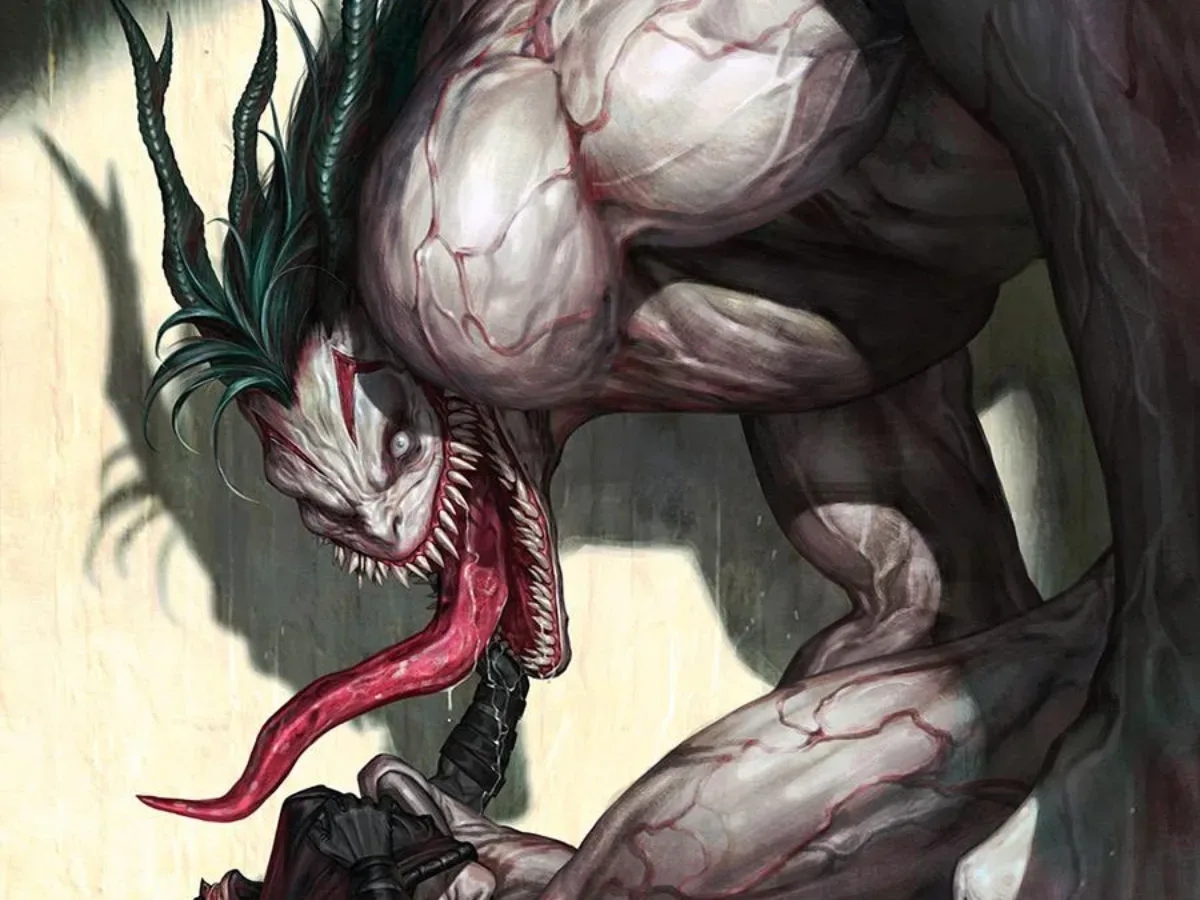
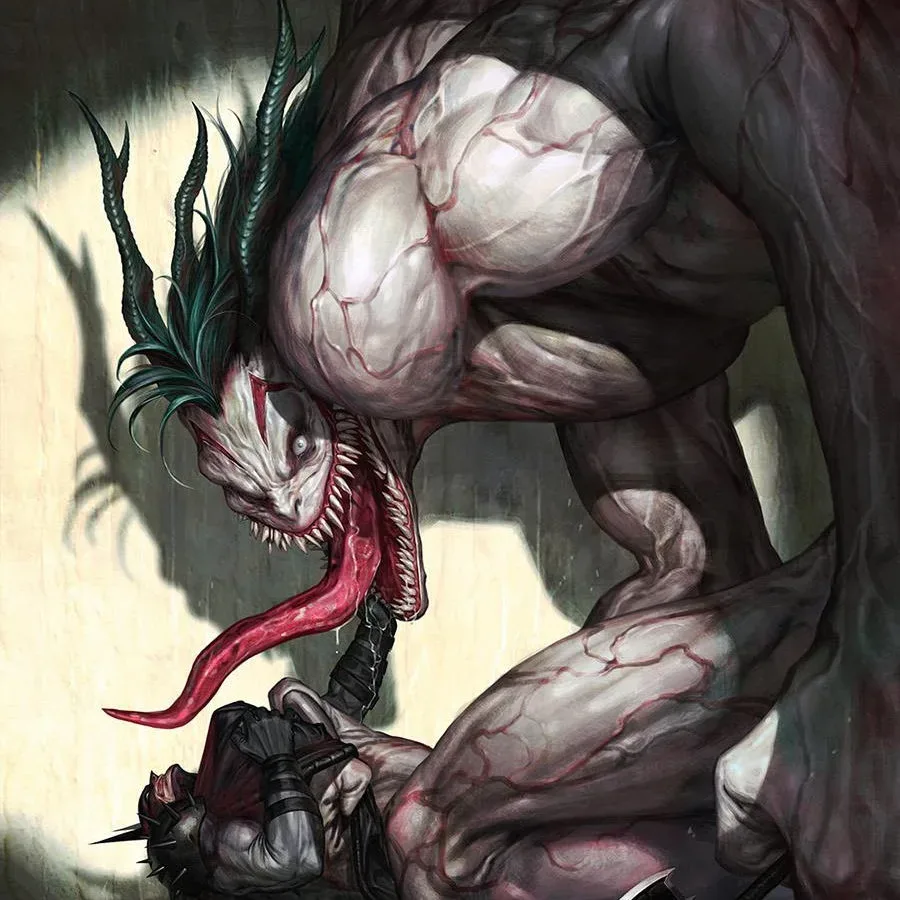
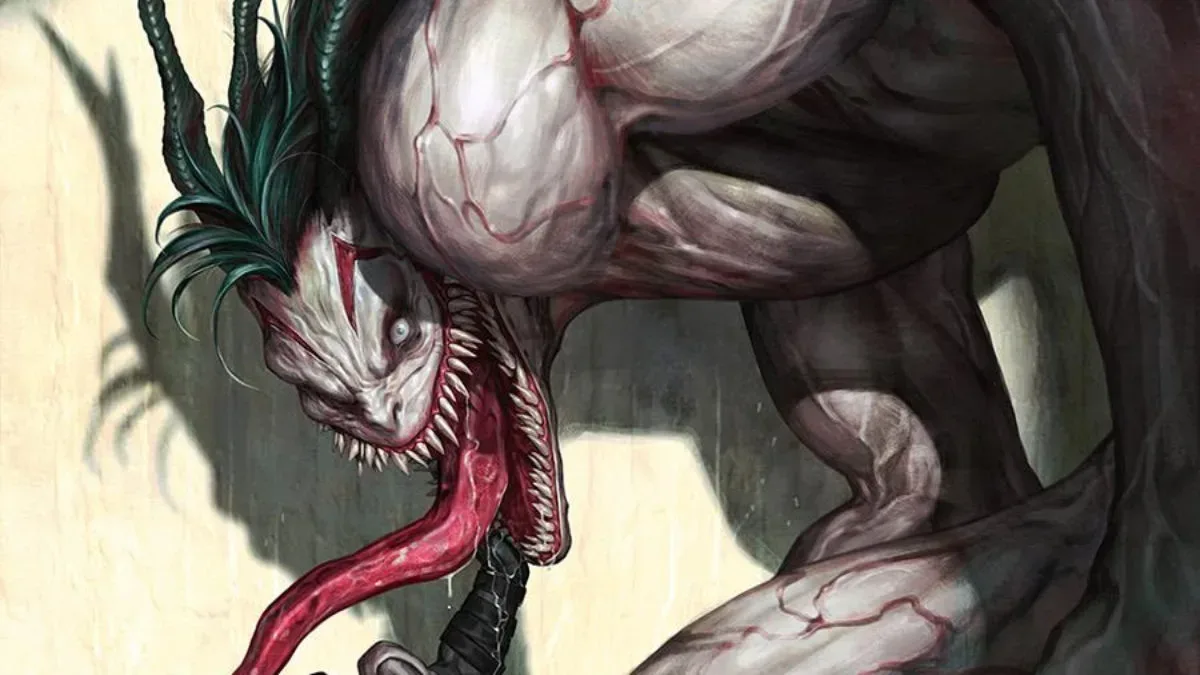
- Variant cover by Inhyuk Lee — $6.99
- Blank sketch variant — $6.99
- Spot-foil variant by Clay Mann and Nick Dragotta — $8.99
For anyone new to comic-shop terminology, a second printing is a subsequent manufacturing run of the same numbered issue after its original printing. It is not automatically a new story, an expanded edition, or a corrected edition. The defining appeal here is access: readers who missed issue #25 can seek out a newly supplied copy rather than relying solely on remaining first-printing inventory.
The cover menu also matters. The main cover offers the clearest route for someone who primarily wants the issue itself. The Inhyuk Lee edition is a variant cover, meaning an alternate piece of cover art for the same comic. The blank sketch option leaves room for commissioned drawings or signatures, which makes its purpose especially practical for collectors attending appearances by creators. The most expensive of the four is the spot-foil edition. Spot foil refers to foil used on selected elements rather than necessarily across the entire cover, creating reflective accents on particular design details.
None of those format differences alone tells a buyer how scarce or desirable an edition will prove over time. They do, however, make the editions visually and physically distinct. Readers deciding at the rack can treat them as a choice of presentation and budget, not as a requirement to buy four copies to understand the story.
Detective Comics #880 Facsimile Edition returns on January 6, 2027
DC is also sending its Detective Comics #880 Facsimile Edition back for a second printing on January 6, 2027. The release highlights Jock’s well-known cover and will again offer three cover choices:
- Main cover by Jock — $3.99
- LEGO full-trade-dress foil variant — $6.99
- LEGO full-trade-dress cardstock open-to-order variant — $4.99
A facsimile edition is designed to recreate an older comic issue in a new printing. It is important not to confuse that with an original copy of the older release: this is a modern reprint edition, not the historical original. For a reader, that distinction can be a benefit rather than a drawback. A facsimile gives the issue a contemporary way back onto shelves, while leaving the original printing and its place in comic history separate.
The phrase full trade dress means the cover presentation includes the normal identifying elements of a comic—such as logo, issue information and branding—rather than presenting artwork in a stripped-back format. Cardstock describes a heavier cover stock than a conventional comic cover. Meanwhile, “open to order” signals that retailers can order the edition without a stated restrictive order threshold in the supplied information. It should not be read as a claim that the edition is permanently available or unlimited.
The LEGO-themed variants provide a noticeably different visual option around the Jock cover. That is a useful reminder that a reprint program can serve multiple audiences at once: one reader may want an accessible facsimile, another may specifically prefer the original-style cover presentation, and another may collect a stylized variant.
Last Driver keeps adding printings across its opening issues
Last Driver #1, by Sean Gordon Murphy, is headed to a fifth printing from Image Comics, with a cover by Murphy and a December 16 date. The series’ next two issues are also being reprinted: Last Driver #2 receives a third printing with a wraparound cover by Serena Bell, while Last Driver #3 receives a second printing with a cover by Simon Gough.
The differing printing counts make the release schedule easy to read at a glance. Issue #1 has progressed furthest, while issues #2 and #3 are receiving later but fewer repeat runs. That does not establish sales totals, print quantities or a ranking between the issues; none of those figures are provided. It does show that the first three installments are all getting further physical editions rather than leaving late-arriving readers with a gap at the start of the run.
A wraparound cover is cover artwork that continues from the front around the spine to the back. It is a format especially suited to an uninterrupted illustration and can be appealing to readers who value the object as a complete piece of artwork, not merely a front-cover image.
For prospective readers, the practical implication is encouraging: a fifth printing on #1, alongside additional printings for #2 and #3, makes it more realistic to begin the series in single issues. Still, the precise versions and ordering practices can vary by shop, so buyers looking for a specific cover should communicate that preference early rather than assume every retailer will stock every edition.
Mark Spears’ Monsters #2 brings horror-themed variant treatments
Keenspot will publish a fourth printing of Mark Spears’ Monsters #2 on January 6, 2027. The new printing includes a Black, White & Dead Edition, an Amazing Spider-Man #129 homage variant, and a Taste Of Hollywood Flip cover.
“Homage” is commonly used for cover art that deliberately references the composition, visual language or recognizable concept of an earlier comic cover. In this case, the named point of reference is Amazing Spider-Man #129. That label is about the cover’s creative nod; it should not be mistaken for a crossover, a reprint of that Marvel issue, or evidence that the contents inside have become the same comic.
The Black, White & Dead name likewise identifies a particular themed edition, while “flip” identifies a cover format or presentation. Beyond the names and the announced date, no further production or interior-content details are specified. Buyers should therefore avoid assuming paper stock, rarity, or story changes from the titles alone.
That restraint is worthwhile in physical comics collecting. A sharp cover concept can be a great reason to buy a copy, but the safest purchase decision begins with what is actually known: this is a fourth printing of issue #2, it has these named edition treatments, and it is scheduled for January 6, 2027.
My Little Pony and Avengers join the reprint slate
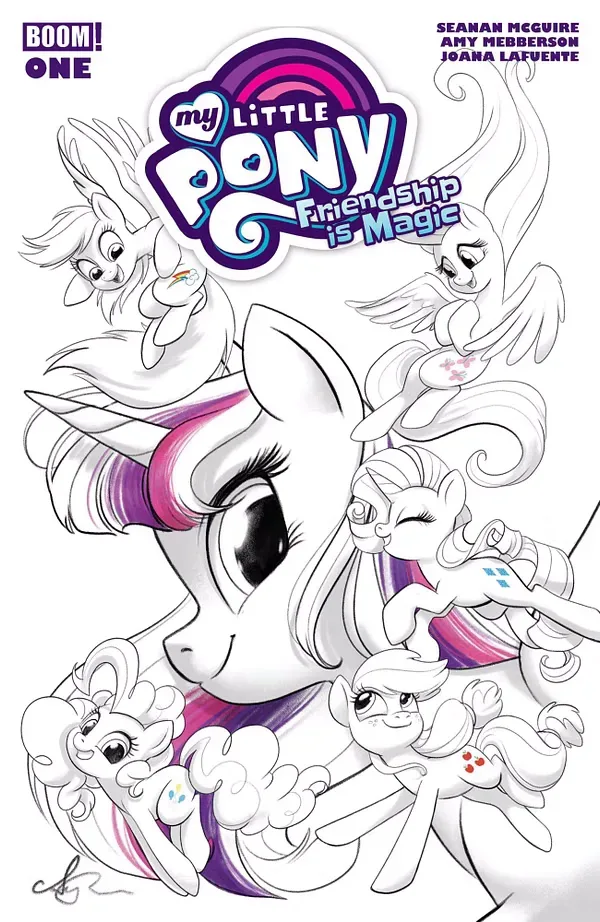
At Boom Studios, My Little Pony: Friendship Is Magic #1 by Seanan McGuire and Amy Mebberson is slated for a second printing. Its announced cover will feature the inks of series artist Amy Mebberson. A release date has not yet been determined.
Inking is a key stage in traditional comic art production. In broad terms, the inks define and finish linework over the underlying drawing, shaping the final marks that reproduction will carry to the page. An ink-focused cover therefore puts attention on a fundamental part of the art rather than simply presenting an unrelated alternate illustration.
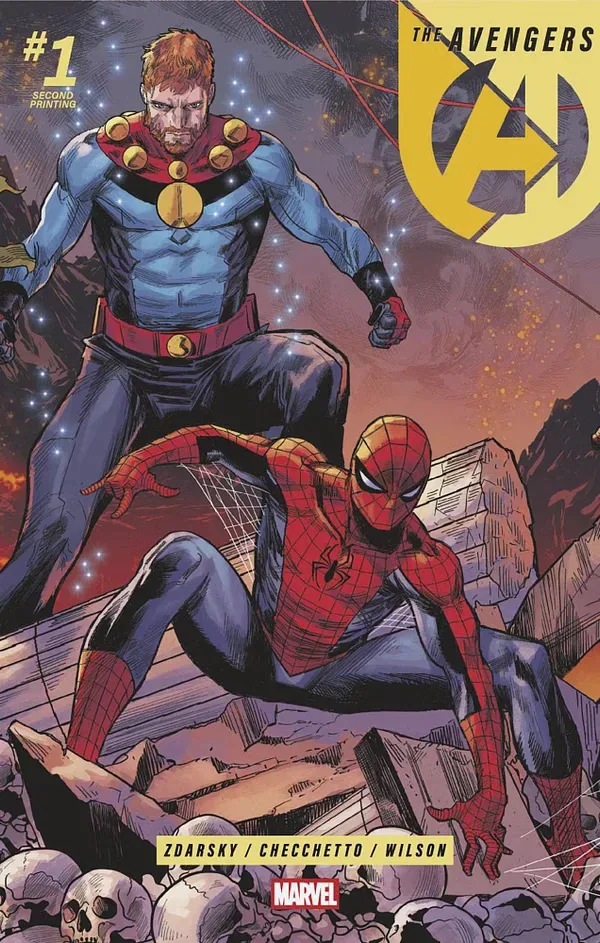
Marvel’s Avengers #1 is also receiving a second printing, with its new cover now identified. No price, date, or additional edition specifics are included in the available details, so collectors should keep expectations limited to the confirmation of that second-printing cover.
What these reprints mean for readers and physical-comic buyers
This group of releases is not one uniform event. Some books are receiving second printings, while Last Driver #1 is reaching a fifth and Mark Spears’ Monsters #2 a fourth. Some editions emphasize premium surface treatments or heavier cardstock; others spotlight a new artist, a classic-cover reference, or a blank space meant for original sketches. The common benefit is choice.
For a reader, the most useful first question is usually: Do I want the story, or do I want a particular physical edition? If the priority is reading, the standard second-printing cover can be the straightforward choice. If the priority is a commissioned drawing, the blank Absolute Batman cover has an obvious purpose. If the appeal is display, a spot-foil, wraparound, flip, LEGO-themed, or homage cover may be a better match.
For collectors, it is equally useful to record the printing number and precise cover when filing or cataloguing books. “Issue #25” is not necessarily specific enough when an issue exists in first and second printings with multiple variants. Keeping the edition information with the comic—whether in a collection database, a store receipt archive, or a simple note—reduces confusion later.
Finally, a later printing should not be treated as a lesser reading experience by default. Its central purpose is to put a comic back in circulation, and these announcements show publishers using that opportunity to create art-forward alternatives as well. Readers can use the new runs to catch up; physical-media fans can choose the cover that best fits their collection. For more genre coverage beyond comics, see our look at a major early-season development in The Rings of Power.