A card submission that collector Sky-B valued at roughly $100,000 has reportedly been caught up in a theft involving a third-party shipping vehicle carrying PSA-graded items. The collector said he spent more than two years building the group of cards before submitting it for grading, only to be told that the vehicle leaving PSA’s Southern California facility had been burglarized.
The incident is a stark reminder of the risk built into one of modern collecting’s most routine processes. Grading can establish a card’s condition, authenticate it and make its sale easier—but it also requires collectors to place valuable, sometimes irreplaceable items into a shipping chain. For Sky-B and other affected collectors, the immediate issue is no longer what grade their cards might receive. It is whether they will ever see those cards again, and how any compensation will account for both market value and the money already spent getting there.
What PSA says happened
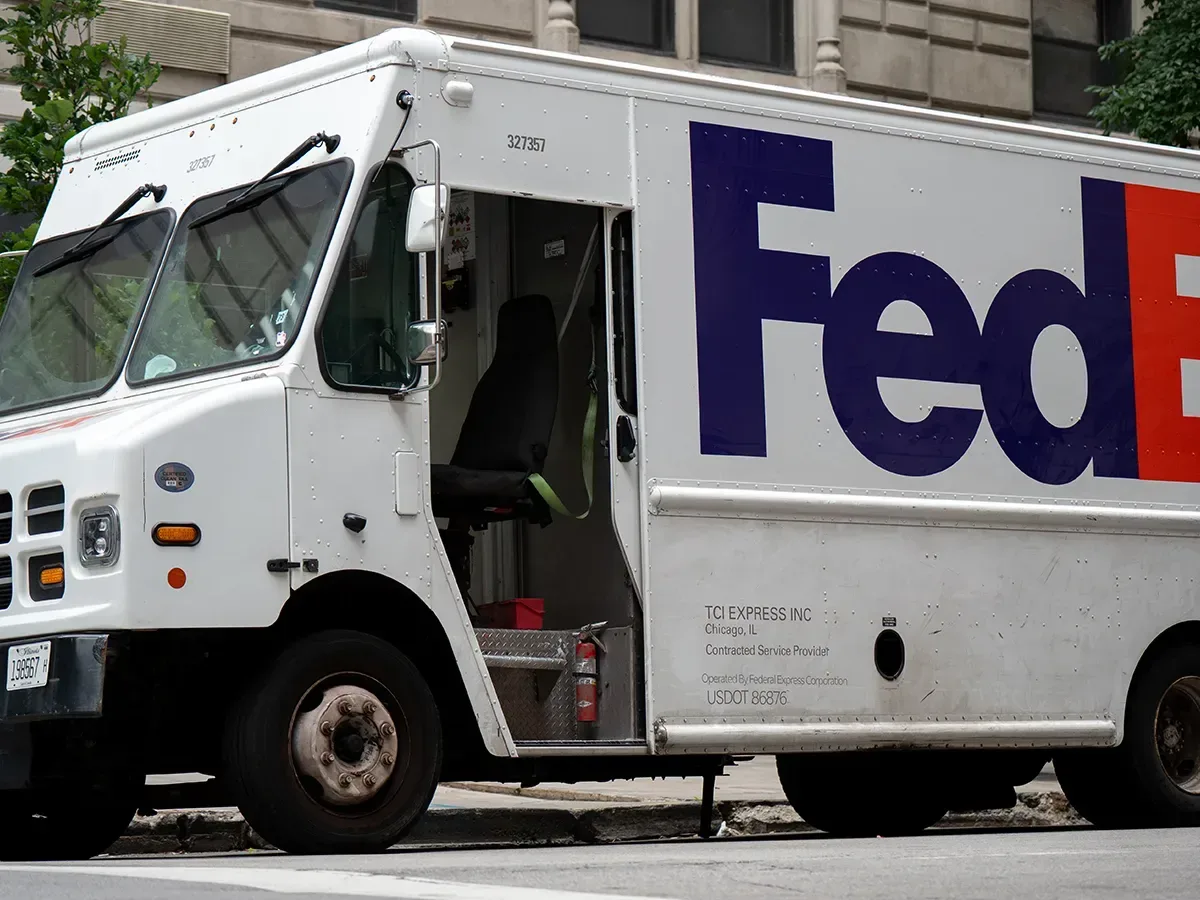
PSA confirmed that a theft involved a third-party shipping vehicle transporting PSA-graded items. The company said it is working with law enforcement and the carrier while the investigation continues. It also said it had deactivated certificates tied to the stolen items and notified marketplace partners to watch for rare and serialized cards.
That certificate step matters because a PSA certification number is part of a graded card’s identity in the marketplace. Deactivation does not physically recover a stolen slab, nor does it erase a card’s existence. It does, however, create a warning signal for prospective buyers and platforms when a listed item is associated with a stolen submission. It may make a card harder to resell openly, particularly where buyers check certification details before committing to a high-value purchase.
PSA said customer service had contacted affected customers directly and was arranging compensation based on fair market value. The company also acknowledged that collectors can see their cards as considerably more than financial assets.
“We are aware of a theft involving a third-party shipping vehicle carrying PSA-graded items,” PSA said. “We are working closely with law enforcement and the carrier as the investigation continues.”
For readers following the broader fallout, another report on the PSA shipment theft details a separate missing submission connected to the same situation.
Sky-B’s claim: years of collecting, then a missing submission
Sky-B said the cards sent for grading were worth about $100,000. In a video discussing the loss, he reviewed some of the higher-value cards in the group and the values he believed they could command at PSA 10, the company’s top numerical grade.
Among the examples were a Tyrese Maxey card projected at $1,911 in PSA 10 condition and a Caleb Williams card projected at about $1,500 with the same grade. These figures are meaningful, but they also underline a key distinction in grading claims: the value of an ungraded card, the value after a particular grade, and the fair-market value used in compensation can be very different numbers.
Sky-B said he paid $8,000 in grading fees for the submission and selected insurance totaling up to $156,000. He expressed concern that PSA could value cards below his expectations, particularly because he said the company had not charged its full commission on certain cards. His concern is understandable within the structure PSA described: compensation is tied to fair market value, up to the Maximum Insured Value selected for each item.
Maximum Insured Value and fair market value, explained
Maximum Insured Value (MIV) is a limit selected for an item. In the terms described to Sky-B, it represents the ceiling on potential compensation for that card, not an automatic promise that the full selected amount will be paid. The selected MIV therefore works as a cap.
Fair market value is the more consequential variable in an event like this. PSA said compensation would be based on fair market value up to the MIV. That leaves a valuation exercise: determining what an item would reasonably be worth in the relevant market. For cards intended to be graded, the process can be especially painful because the final grade may have been unknown when the shipment was taken.
A collector may believe a card had a realistic chance at a 10, while a compensating party may focus on evidence for an ungraded copy or reach a different conclusion about condition. In Sky-B’s case, that gap between anticipated PSA 10 values and the value used for compensation appears to be at the center of his anxiety. Nothing in the available information establishes how PSA will assess his individual cards or what figure it will ultimately offer.
Why the loss is bigger than a price total
There are three separate kinds of loss in a case like this. First is the card itself: the physical collectible that took time, searching and money to acquire. Second is the cost of the submission, including grading fees. Third is the unrealized grading outcome—the possibility that a card could have received a premium condition grade and gained substantial market value.
Only the first is an object that can potentially be returned by law enforcement. The second and third are where compensation becomes complicated. A fair-market payment may help a collector buy a replacement, but some cards are scarce, are offered only infrequently, or carry personal importance that does not fit neatly into a transaction history.
Sky-B described the emotional dimension plainly, saying that beyond the financial harm, he may never get to see the cards again. That feeling will resonate with collectors who have built a submission over years rather than purchased it as one finished lot. A collection can be a record of discoveries, trades, personal milestones and decisions to hold rather than sell. A payment, even if accepted as fair, cannot recreate that exact path.
Other collectors believe their cards were involved
Other collectors have publicly suggested that rare cards of theirs were part of the theft. One collector said a Smaug the Magnificent card was stolen, while reports also identified a PSA 10 Zoro card from One Piece among the allegedly missing cards. Those accounts have fueled speculation that the combined value of the stolen items could exceed $1 million.
That total remains unconfirmed. It should be treated as speculation, not as an established measure of the theft. Value estimates in trading cards can change sharply based on a card’s exact version, serial number, condition and most recent comparable sales. The number of affected submissions has not been established here either.
Still, PSA’s statement that it has deactivated certificates for stolen items and alerted marketplace partners indicates that the company is treating the shipment as a significant recovery and resale-prevention problem. Rare and serialized items are particularly recognizable, which can help alert buyers, sellers and platforms if they appear for sale. At the same time, a warning system is not a substitute for recovery; it is primarily a way to make illicit resale more difficult and to create leads.
What collectors can take from this incident
The episode does not mean collectors should assume every grading shipment is unsafe. It does demonstrate why documenting a submission carefully matters before it enters the mail stream or leaves a grading facility.
- Keep a detailed card inventory. Record each card’s identifying details, declared value and the submission it belongs to.
- Preserve photos and records. Retain pre-submission images, order information, grading-fee receipts and insurance selections. These materials can help establish what was sent and support a later valuation discussion.
- Know what the declared amount means. A maximum insured amount may set the upper limit of a claim, while payment can still depend on a fair-market assessment.
- Understand the grade-value gap. A projected top-grade price is not necessarily the same as the value assigned to an ungraded card, particularly if grading was never completed.
- Be cautious with unusually desirable listings. PSA said marketplace partners were notified and certificates were deactivated. Buyers considering rare or serialized cards should check certification information and pay attention to warnings connected to an item.
These steps cannot eliminate shipping risk. They can, however, make the painful administrative side of a loss more manageable. When a claim turns on the identity and market value of numerous individual cards, good records are more useful than a rough memory of what a collection contained.
Recovery and compensation remain unresolved
Law enforcement is involved, and PSA says it is continuing to work with the carrier and investigators. Whether any of the cards will be recovered is unknown. Equally unresolved is the compensation process for Sky-B and the other collectors who believe their submissions were affected.
The outcome will be closely watched not simply because of the reported dollar amounts, but because it puts the grading ecosystem’s most vulnerable moment under a microscope: the handoff between a collector, a grader and a shipping carrier. PSA’s certificate deactivations and marketplace alerts may help contain the resale risk. For those whose collections are missing, though, the central questions are much more immediate—what fair market value will mean in practice, when claims will be settled, and whether the cards they spent years tracking down can be found.