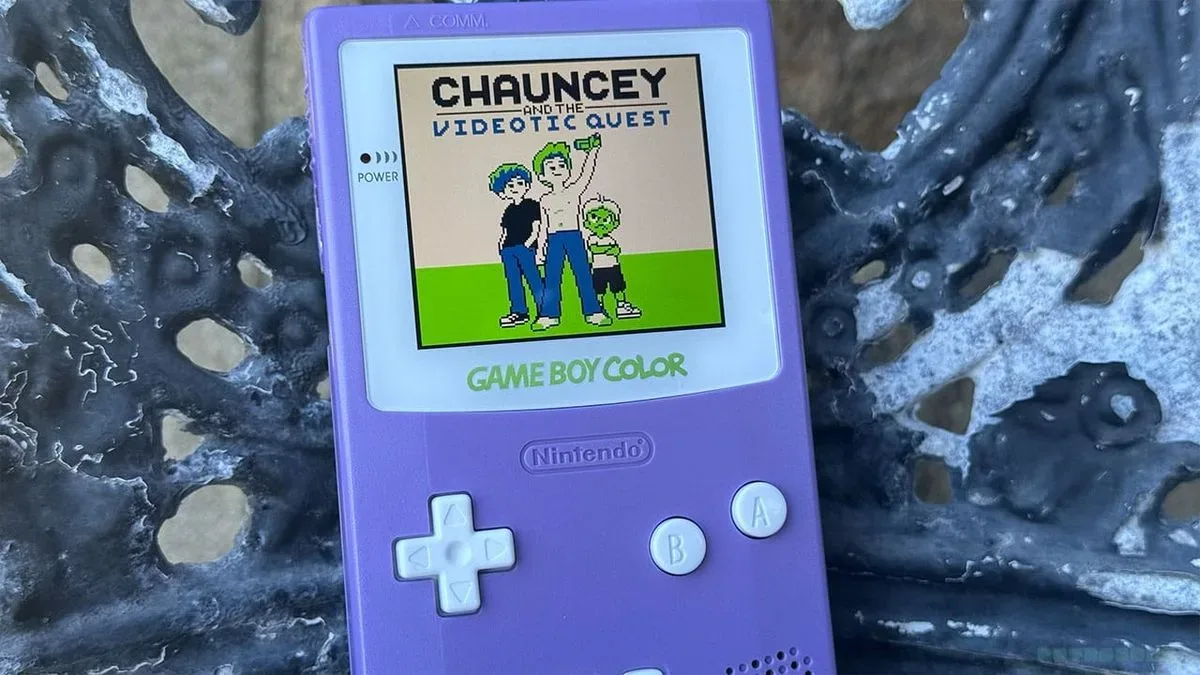
A brand-new Game Boy game in 2026 is already an unusual proposition. Chauncey and the Videotic Quest, made by Vorvy, is stranger in a more interesting way: it began as a private gift for a longtime friend, designed to run on that friend’s refurbished original Game Boy. The result is now available more widely as a compact, adult-leaning comedy adventure that draws on the language of classic handheld games without simply recreating one of them.
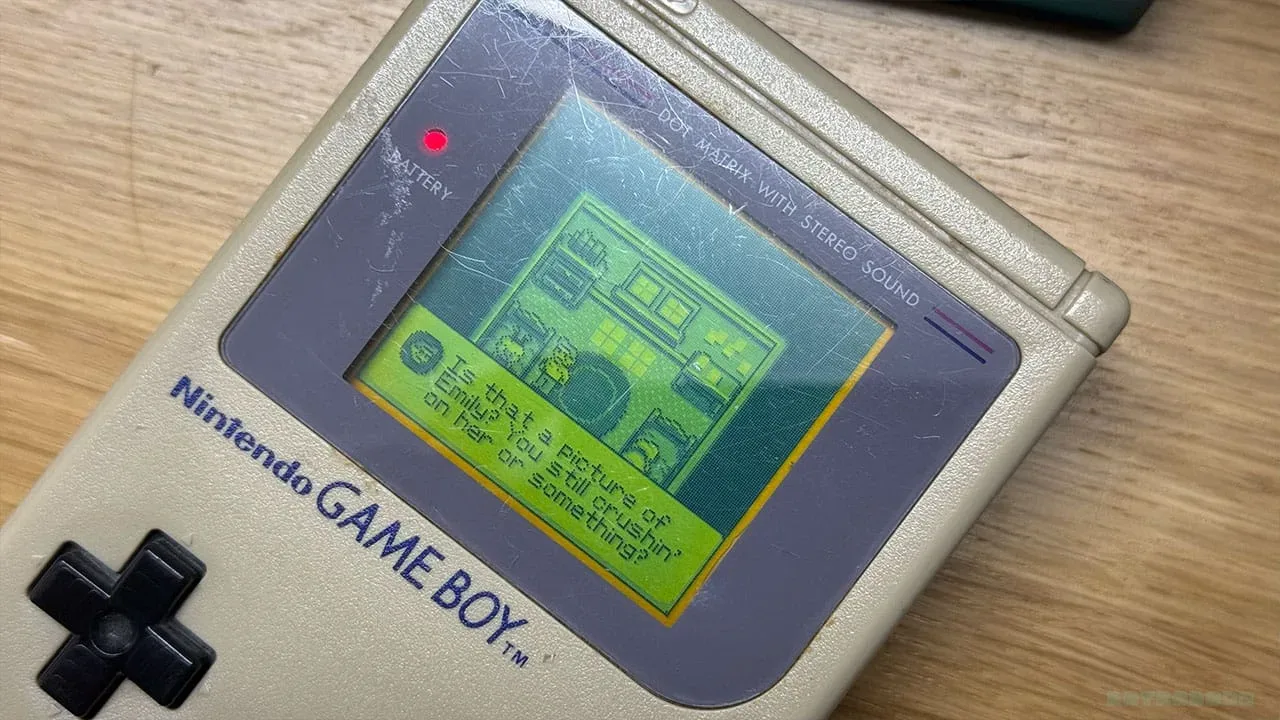
Its premise is unusually personal. Vorvy says a friend of almost 20 years lent over his childhood DMG Game Boy in poor shape: dirty, missing its front bezel and no longer powering on. Vorvy restored it, including an IPS screen upgrade, and planned to give it back with a newly made game waiting to be played. That project became Chauncey and the Videotic Quest.
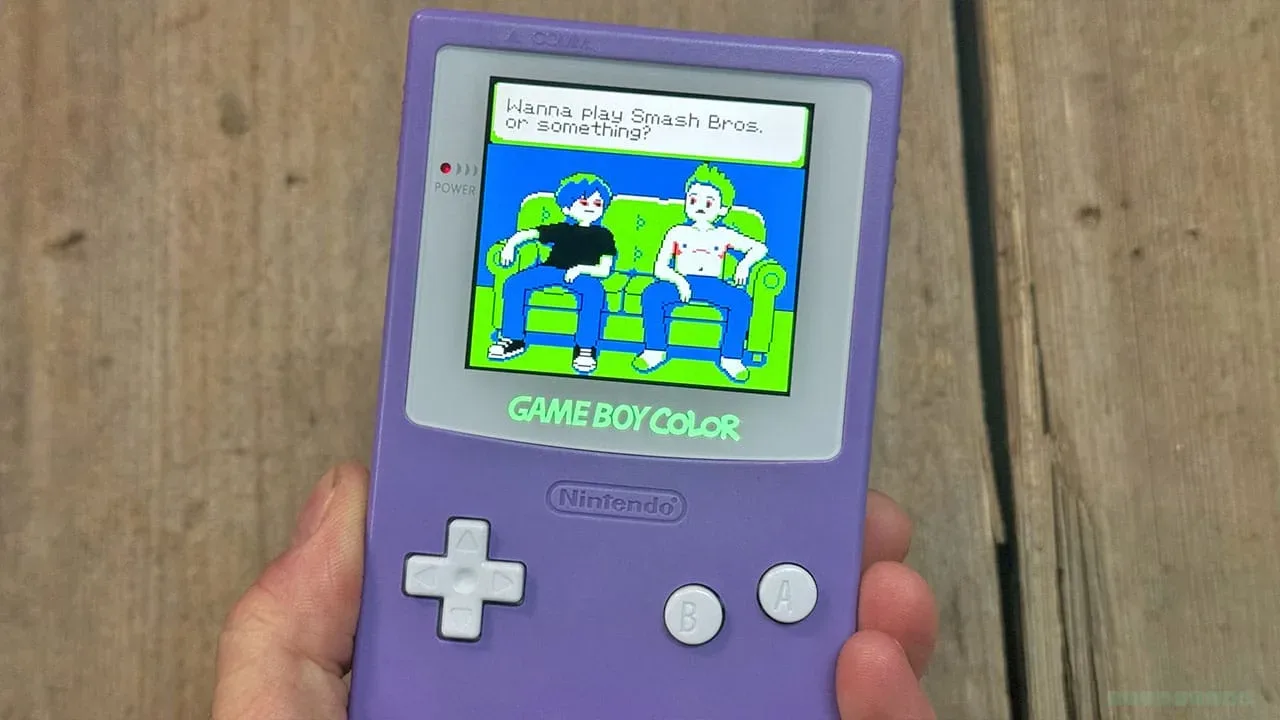
The game is based on Vorvy, referred to in its story as Sonny, alongside friend Chauncey and Chauncey’s brother Dew. Its setting is the 2010s, but its real subject is the loose, slightly chaotic rhythm of teenage friendship: playing games, getting bored, wandering about and turning minor incidents into the day’s entire story. Rather than presenting nostalgia as a museum piece, the game uses it as a delivery system for humour, recollection and deliberately specific embarrassment.
A Game Boy game made for one particular Game Boy
The restored DMG is more than a cute origin story. It explains why the project’s format matters. A DMG is the original Game Boy model, introduced in 1989, and making a new title for it means embracing an old hardware target rather than merely applying a retro-looking visual filter to a modern release. The game can be used on original hardware with a flashcart, and it also works through emulators.
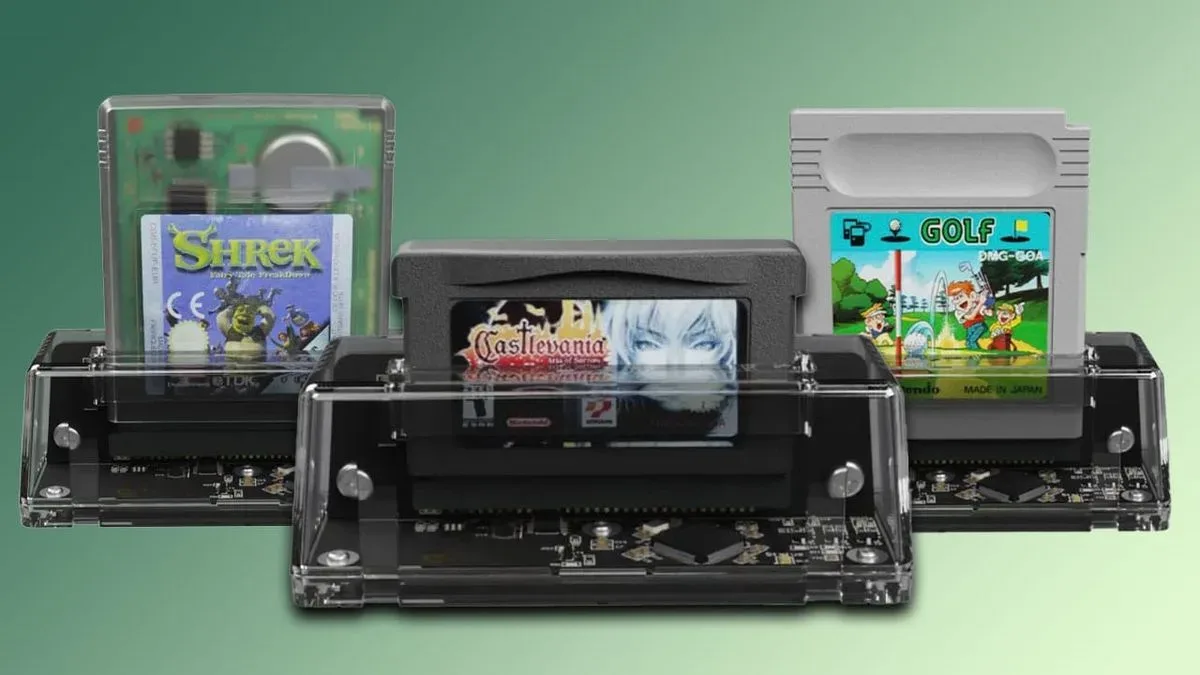
A flashcart is a cartridge capable of loading game files, typically from removable storage, on compatible original hardware. In practical terms, that makes a downloadable Game Boy game viable for someone who owns the handheld without requiring a separate physical retail cartridge. Emulation offers the other route: players can run the game through software that reproduces the Game Boy environment on another device.
Those options fit the project’s dual identity. It was conceived around a physical, repaired handheld and a personal surprise, but it is not restricted to a single restored console or one friendship circle. The design is intended to work for people who do not know Sonny, Chauncey or Dew. That is a difficult transition for any inside-joke-heavy work: specificity can make a story feel lived-in, while too much unexplained context can leave newcomers outside the room. Here, the apparent strategy is to make the incidents ridiculous enough that players can follow the tone even when they do not share the history.
Adventure-game grammar, with room for silliness
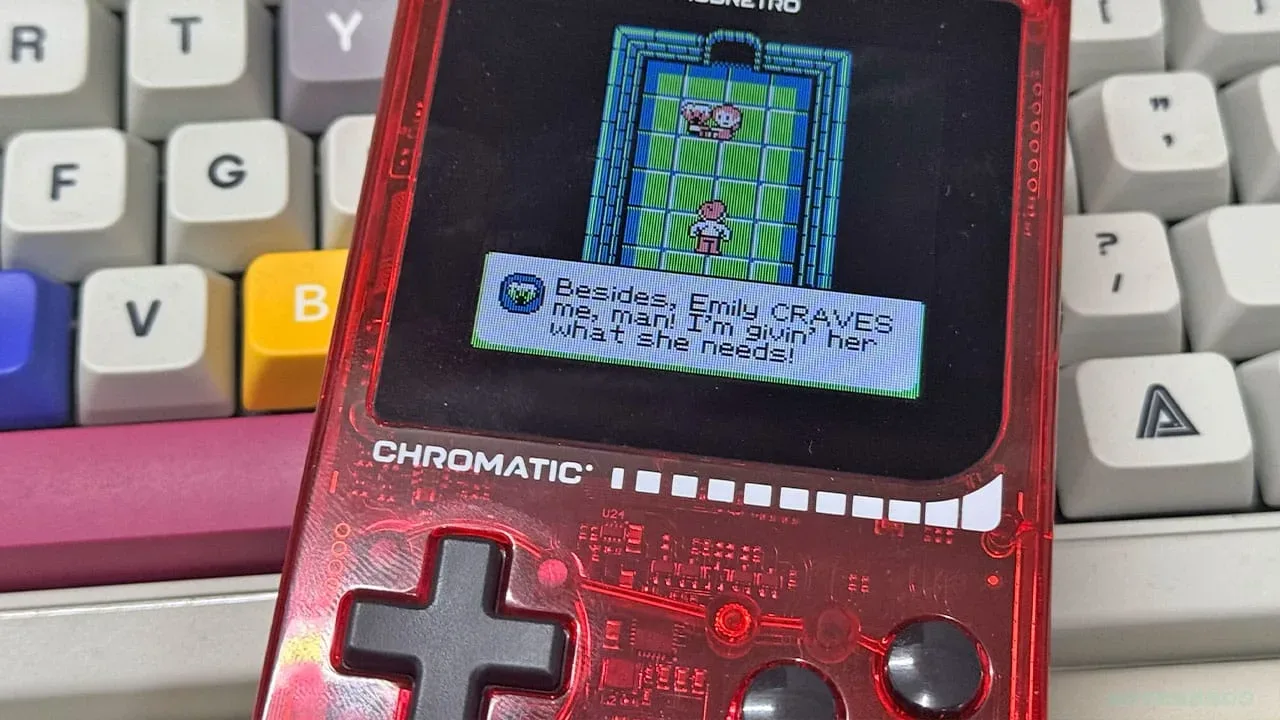
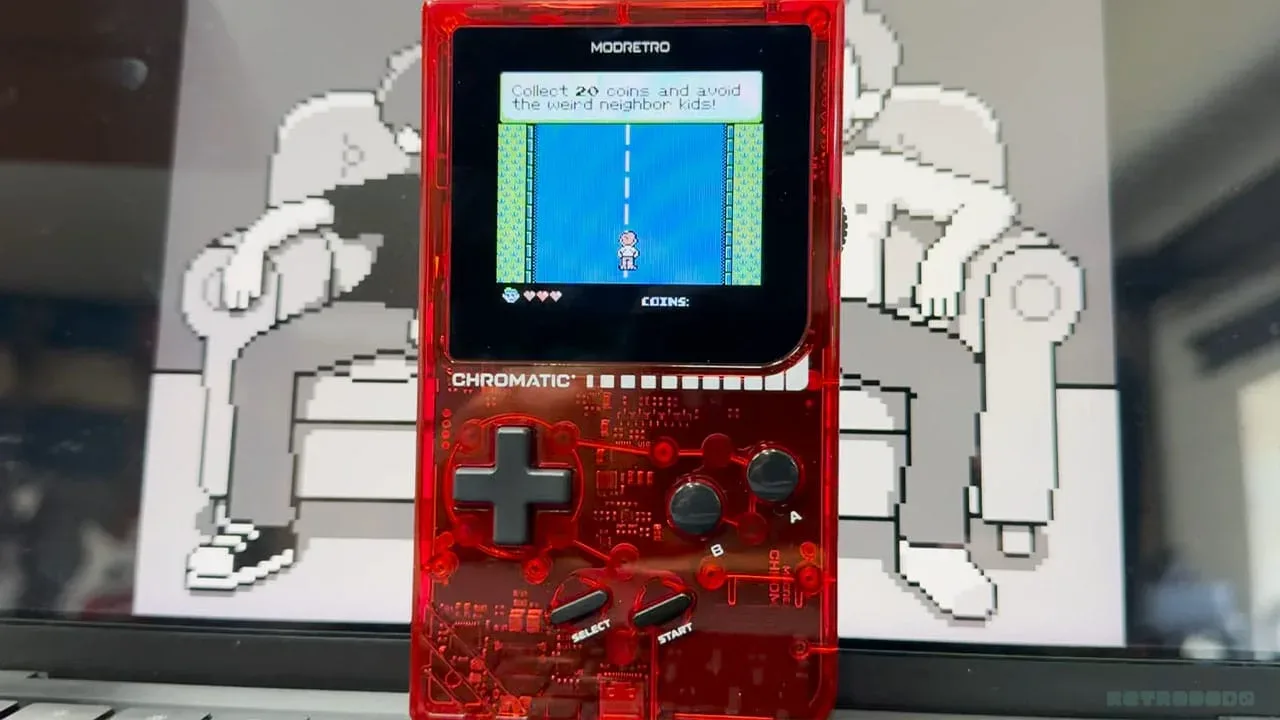
The game takes clear inspiration from the Game Boy era of The Legend of Zelda, Super Mario and Pokémon. That influence is expressed in its structure rather than as a claim to be any one of those games. Exploration, interactions and collecting evoke a Zelda-and-Pokémon-like framework, while one section shifts to side-on jumping in a Mario-style change of perspective.
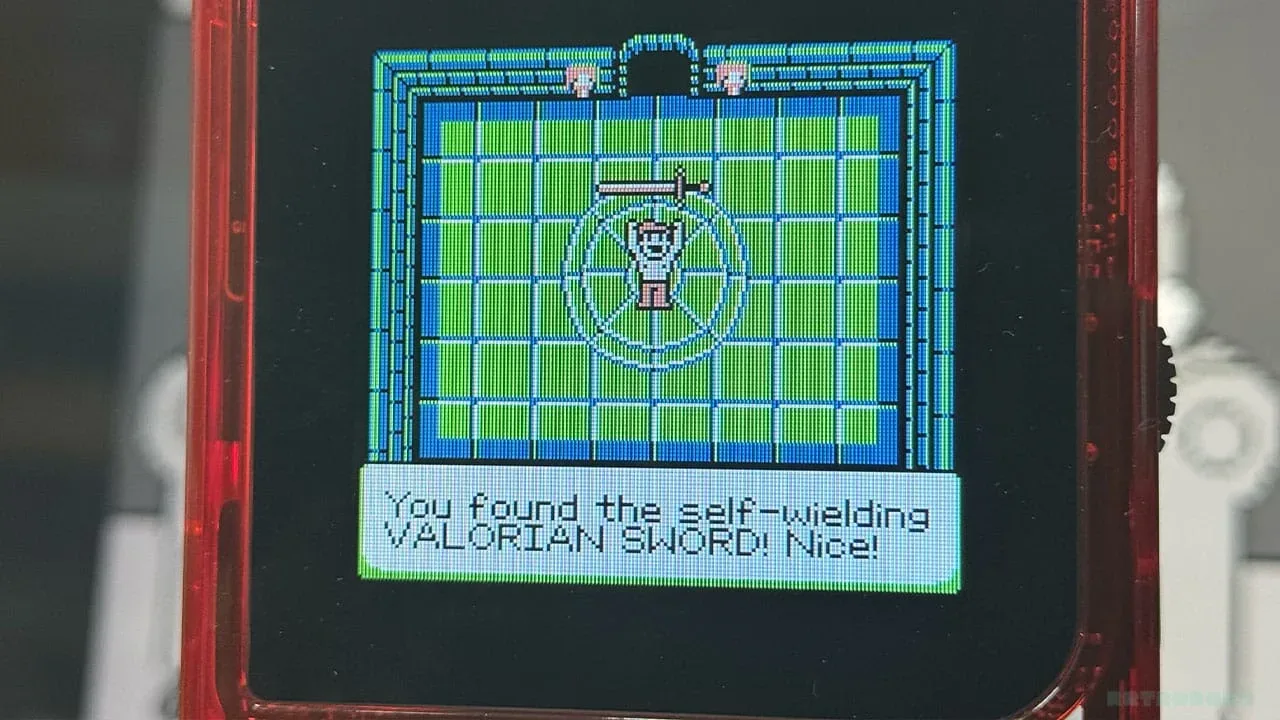
There is also a dungeon in which the player obtains a sword and confronts a fantasy creature, an obvious nod to the sort of compact adventure rhythm associated with Link’s Awakening. That comparison is useful because it describes a design vocabulary: moving through spaces, collecting an important tool, and using it to push past an obstacle or enemy. It does not mean the game is a Zelda sequel or substitute.
Related coverage includes Chauncey and the Videotic Quest Brings Zelda-Style Adventure Back to Game Boy.
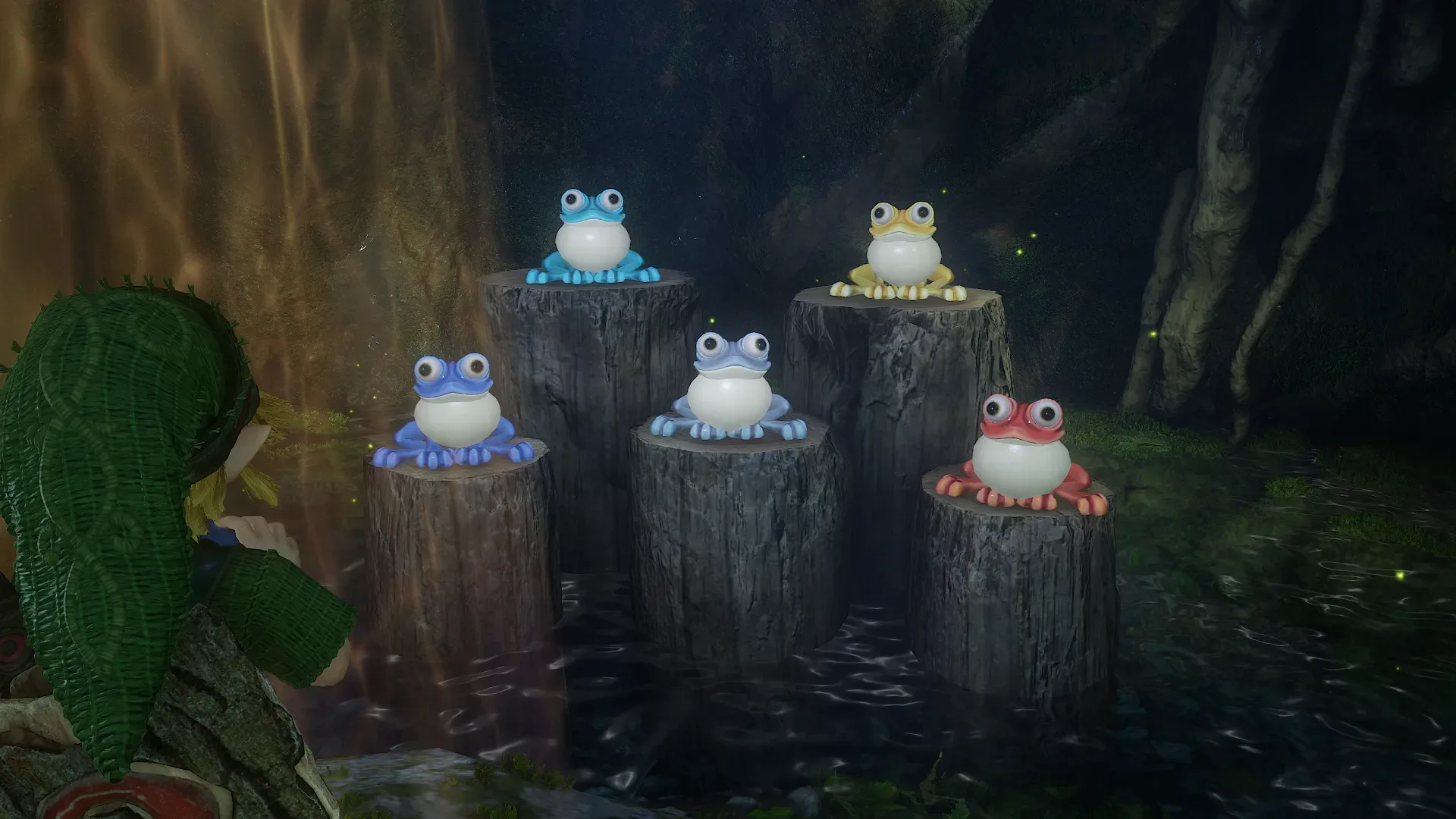
For players interested in how classic Zelda games build objectives around tools, routes and required actions, our Zelda: Ocarina of Time frog song guide offers a later example of how a series task can connect precise inputs to a reward. Videotic Quest is working with a much more informal comic premise, but its sword-and-dungeon episode clearly speaks the same broad adventure-game language.
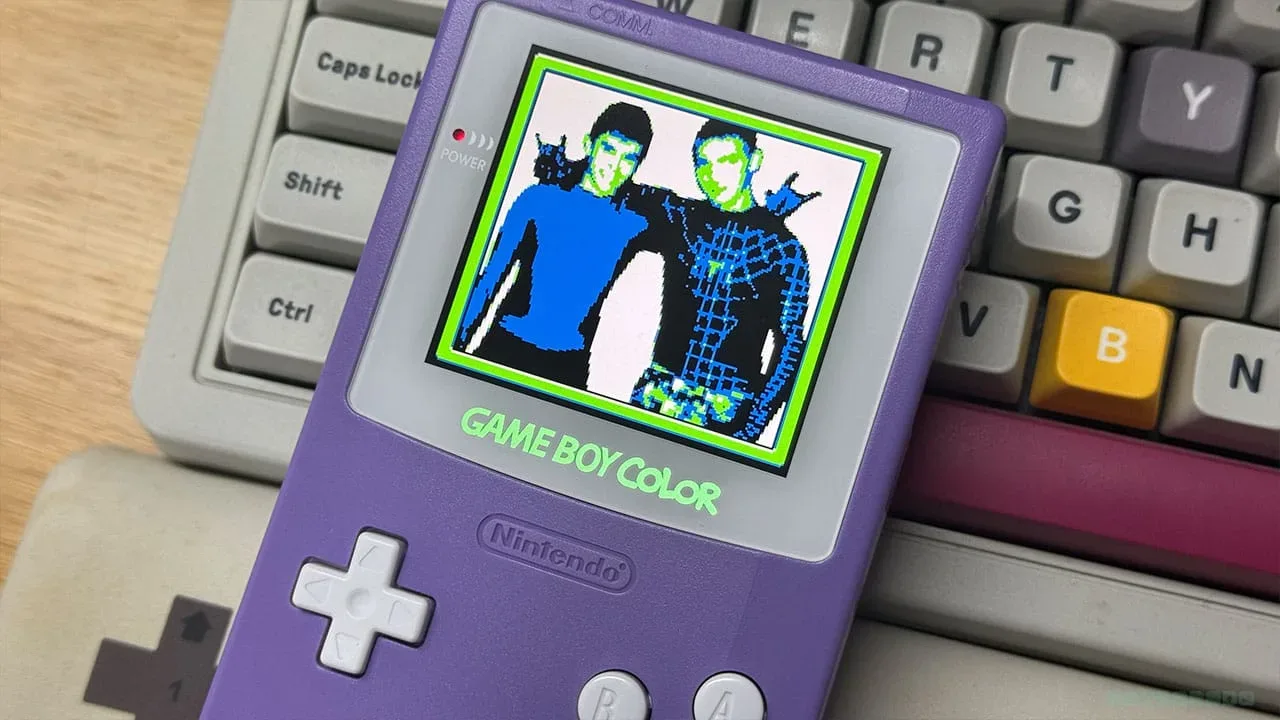
The references extend beyond mechanics. Game Boy Camera-style pictures are part of the presentation, reinforcing the game’s connection to an era when blurry, tiny monochrome images could feel like a major novelty. Their inclusion matters because the game is not solely trying to resemble an old cartridge in motion. It also reaches for the odd peripheral culture around the Game Boy: the accessories, snapshots and little experiments that made the machine feel personal.
Teenage memories are the actual quest item
The most distinctive part of Chauncey and the Videotic Quest is not that it borrows familiar genres. It is that it places the mechanics in a world built from adolescent anecdotes and intentionally immature humour. Dew is preoccupied with a girl, while the game’s general comic register includes crude jokes alongside darker, more uncomfortable punchlines. That makes the intended audience important to understand: despite its Game Boy presentation, this is not described as a children’s game.
Its episodes sound like disconnected recollections told with escalating enthusiasm. The player may see Chauncey’s brother dealt with using a fire extinguisher, take on a Spider-Man role, battle a friend at a Domino’s pizza location, avoid odd children while rollerblading, or witness a dad fixing a table. The last example is revealing. Repairing furniture is not a conventional action-game spectacle, which is exactly why it suits the game’s sensibility. Mundane family moments are granted the same comic attention as fantasy creatures and mock heroics.
The humour also goes well beyond harmless reminiscence. A joke about wishing a road had more traffic and a song about a mother’s past sepsis are examples of the game’s willingness to find comedy in grim or awkward subjects. That approach will not suit every player, but it is central to the project’s voice. It is not aiming for an all-ages pastiche of early handheld games; it is using an innocent-looking platform to tell a more unruly set of stories about growing up.
Why the setting matters
The 2010s setting is not presented as a rigorous historical reconstruction. Instead, it frames a pre-doomscrolling version of teenage downtime, where hanging around, playing console games, watching wrestling, building a den and then returning to games can occupy an entire afternoon. The source material behind the game is explicitly rooted in that kind of friendship and in the videos Sonny and Chauncey made for fun.
That distinction helps explain why the title’s nostalgia is more focused than a generic “remember old games?” exercise. Its memories are not just about Game Boy cartridges. They are about the social use of games: a handheld passed between people, a console session turning into an excuse to stay together, and private jokes surviving long enough to become material for a game. The restoration of the DMG and the creation of the software are two sides of the same gesture. One preserves the object; the other adds a new memory to it.
What the retro format adds—and what it does not promise
Modern retro releases can be misunderstood when their visual language becomes the whole story. A game running on Game Boy hardware will necessarily operate within a constrained format, but technical restriction alone does not make something meaningful. In this case, the hardware choice carries a direct narrative purpose: the game was initially made for a particular friend to play on his own childhood machine after its repair.
That gives the format emotional logic. The Game Boy is not being used merely because it is fashionable to call pixels nostalgic. It is the literal object around which the gift was planned. For retro players, that background may make the title more appealing than a broad list of references ever could. It represents a continuing homebrew scene in which old machines are still platforms for new work, not only collectible artifacts.
At the same time, prospective players should calibrate expectations. The game is described as not especially long, and there is no indication here that it aims to equal the scale of the major Zelda, Mario or Pokémon games it affectionately echoes. The draw is a concentrated, authored experience: a series of comic set pieces and adventure touches built around a specific friendship, accessible whether someone chooses original hardware or an emulator.
- Format: New Game Boy game.
- Creator: Vorvy.
- Core influences: Zelda-style exploration and dungeon ideas, Pokémon-like interaction and collecting, plus a side-on platforming segment reminiscent of Mario.
- Presentation detail: Game Boy Camera-style images.
- Play options: Original Game Boy hardware through a flashcart or emulation.
- Price stated by the creator’s sales page: $3.99, with an optional additional contribution.
A small-scale game with a clear reason to exist
There is a refreshing lack of corporate calculation in a game born from the desire to return a repaired childhood console with a surprise loaded onto it. That does not automatically guarantee broad appeal, and the deliberately juvenile and dark humour will naturally divide audiences. But the same personal angle is what keeps Chauncey and the Videotic Quest from feeling like a generic tribute to the Game Boy library.
For players who enjoy modern releases on vintage hardware, it offers a particularly direct version of the appeal: new software for an old device, using familiar adventure and platforming ideas to tell an idiosyncratic story. For anyone who has ever treated a battered console, an in-joke or a low-stakes day with friends as something worth preserving, its premise is easy to understand. Sometimes the strongest reason to make a game is not to revive a platform in the abstract. It is to give one person—and then perhaps a few more people—a new thing to remember on it.