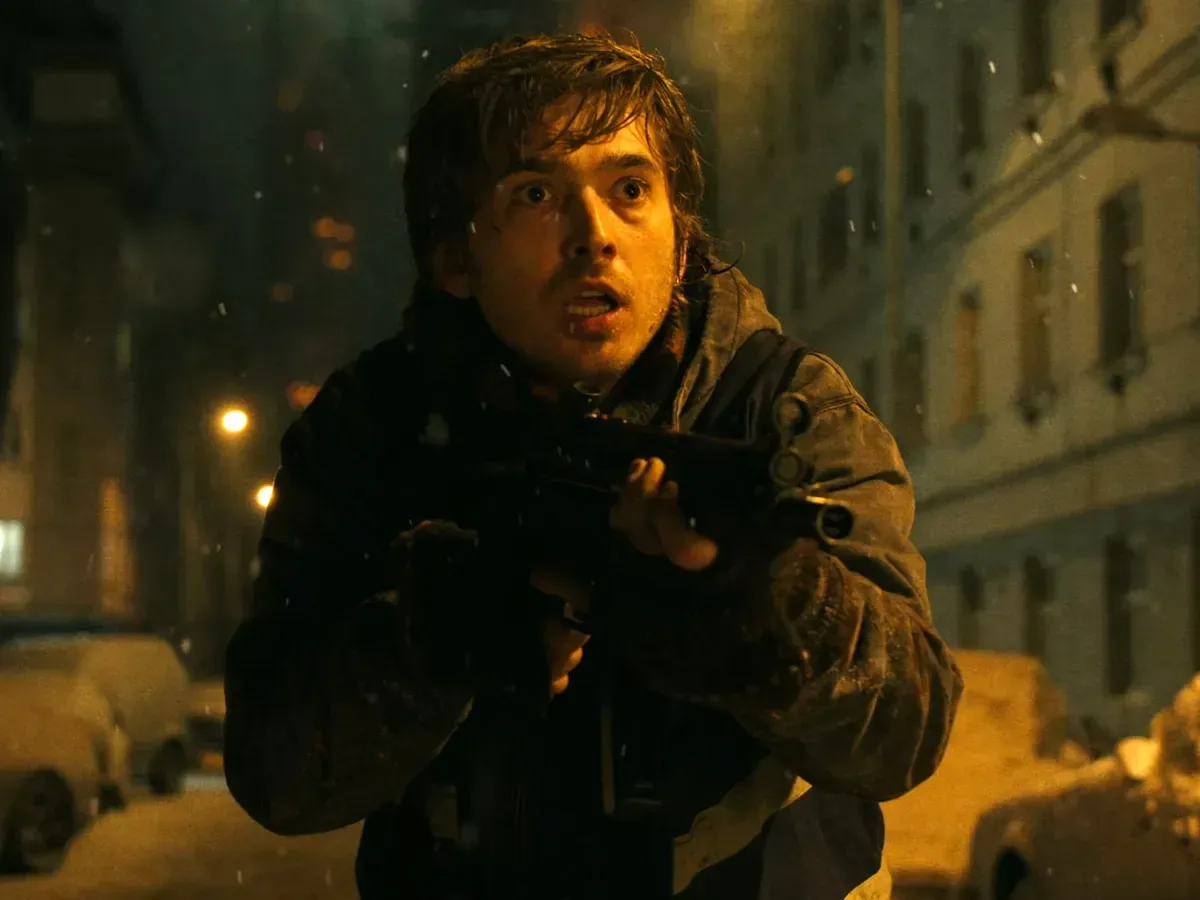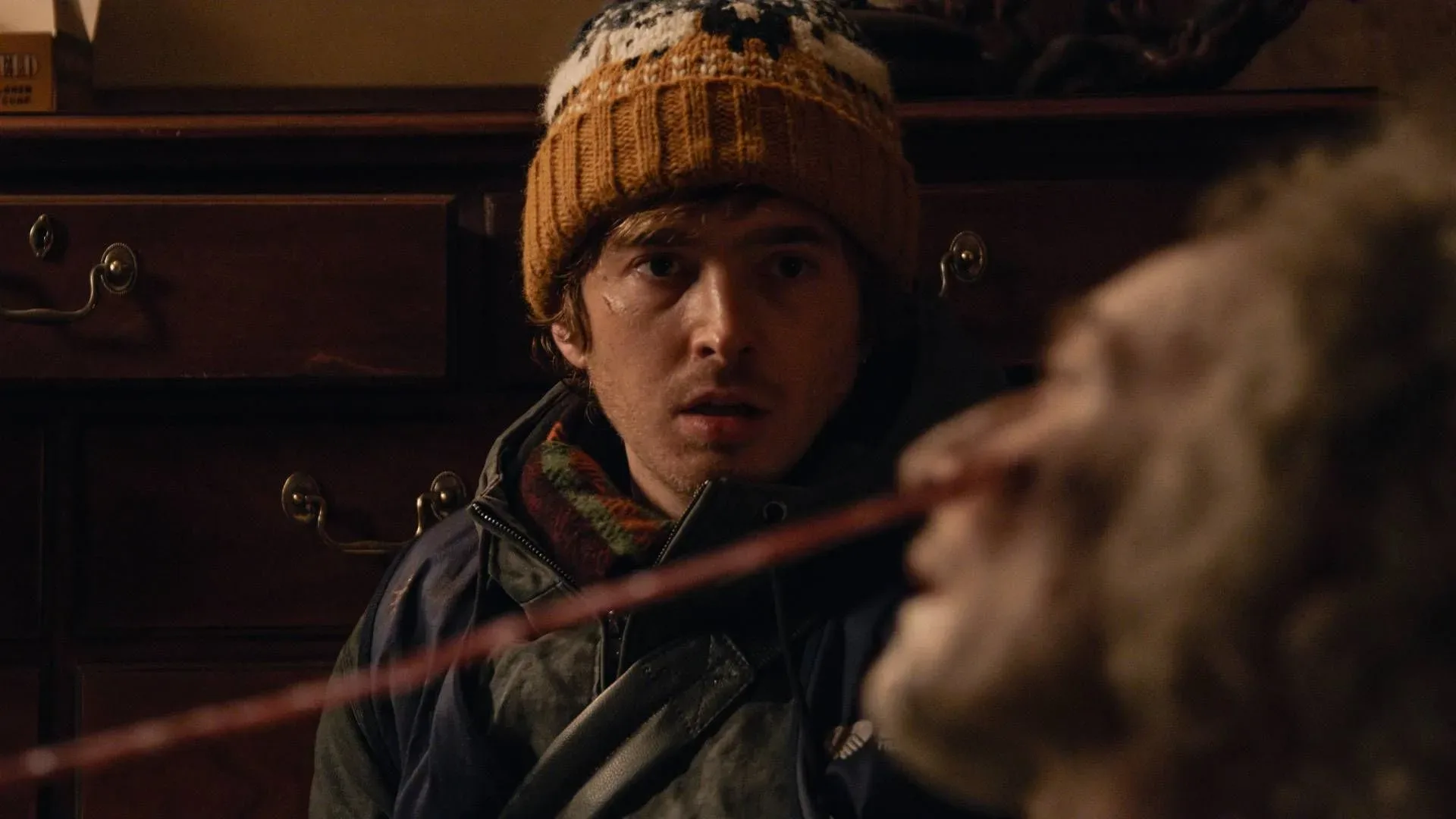
Zach Cregger has named The Binding of Isaac, Dark Souls III, Resident Evil 4, and The Last of Us Part II as the four games that come to mind when he is asked for his all-time favorites. It is the kind of deliberately difficult ranking prompt that invites second thoughts—Cregger himself described choosing the final slot as brutal—but the resulting list is useful context for his newly released Resident Evil film.
Rather than pointing to one narrow corner of games culture, the picks span roguelike repetition, unforgiving action role-playing, survival horror, and a narrative-driven action sequel. More importantly for the film conversation, Resident Evil 4 is on the list. Cregger has previously said the movie takes substantial inspiration from that game, while also pulling from elsewhere in the series rather than adapting one entry beat for beat.
Cregger’s four-game list
- The Binding of Isaac
- Dark Souls III
- Resident Evil 4
- The Last of Us Part II
A top-four list is not a production blueprint, and it should not be read as a promise that each of these games will influence Cregger’s future films. Still, the choices make clear that his interest in the medium goes beyond a single franchise. The common thread is not a shared genre so much as a preference for games with strong atmosphere, tension, escalation, and unmistakable player-facing visual identities.
Why Resident Evil 4 matters most here
Resident Evil 4 is the clearest link between Cregger’s personal favorites and his current movie. The director has said the new film draws heavily from the fourth game, and the movie includes a nod to it. At the same time, its setting is described as running parallel to Resident Evil 2, while Cregger has said he used character elements from Resident Evil 7.
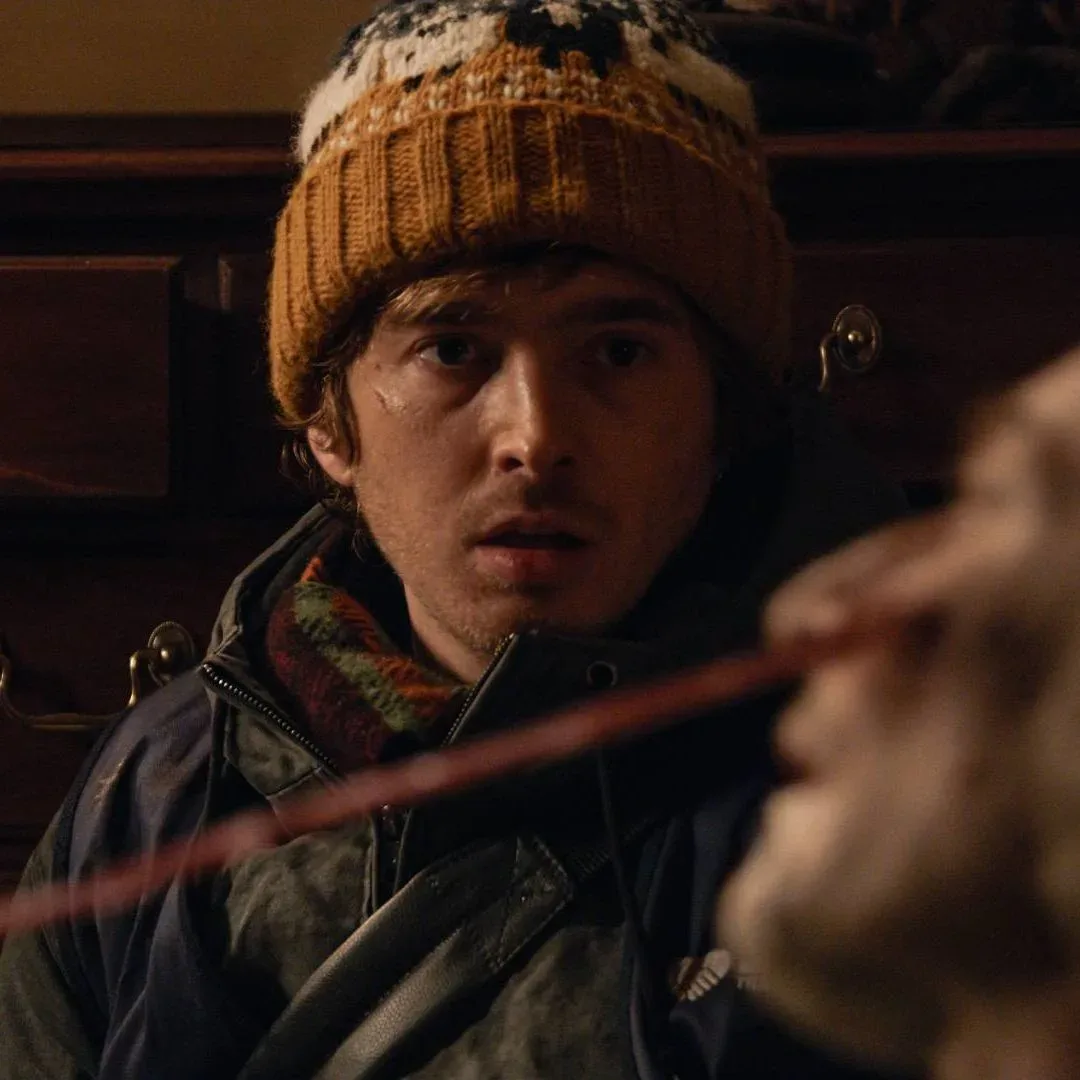
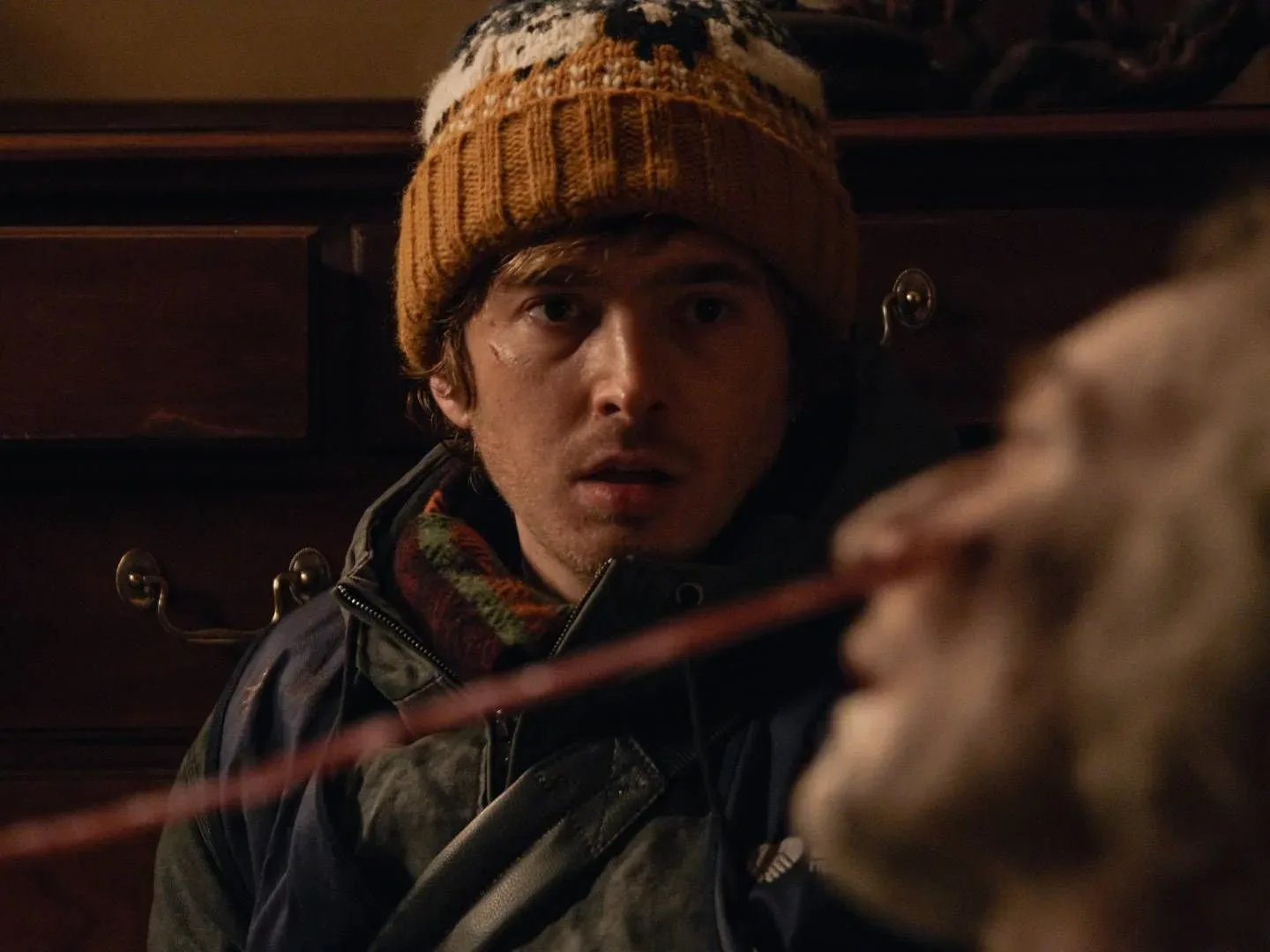
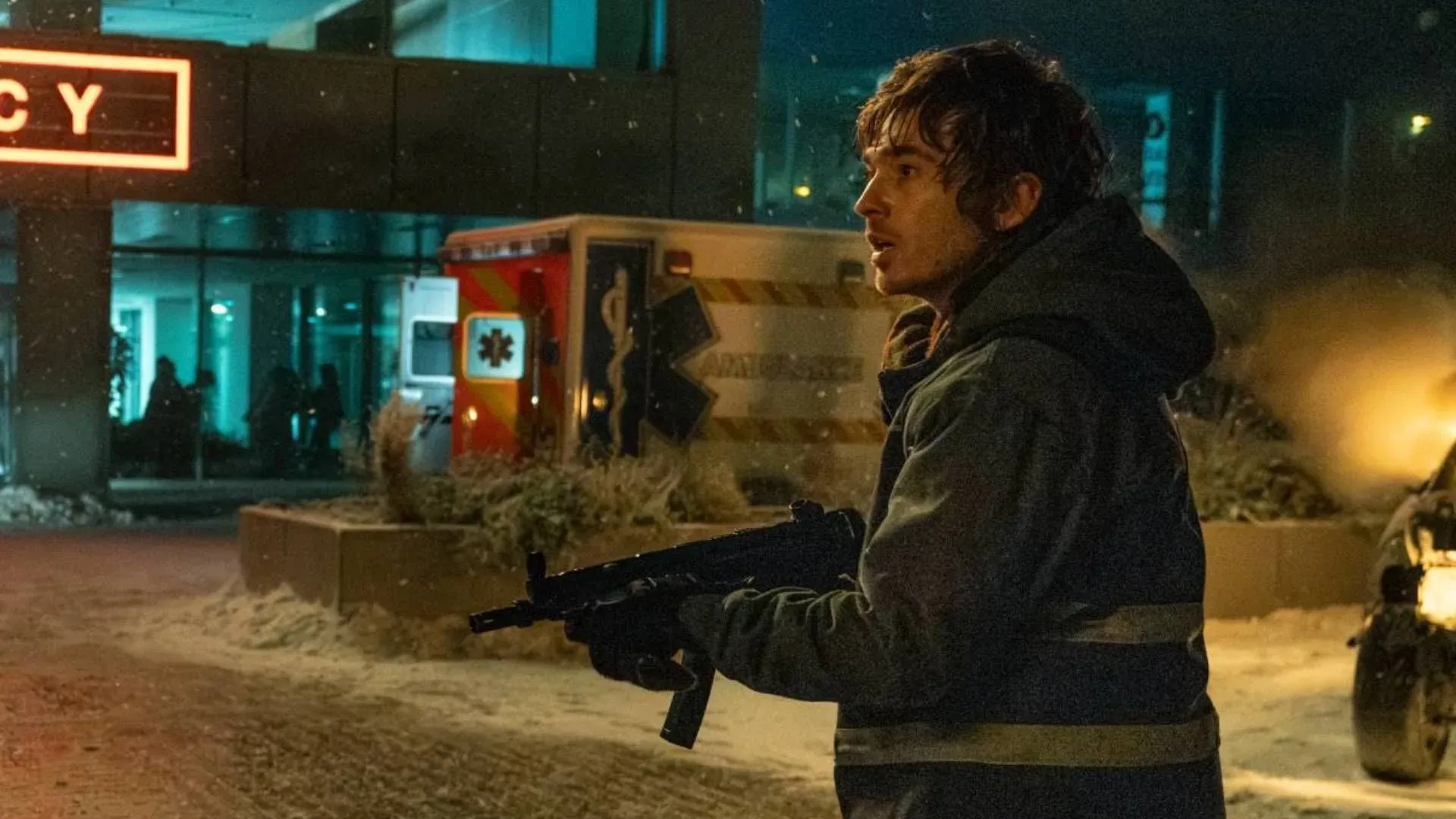
That makes the film a franchise-built original story rather than a direct transfer of one game’s plot. Its new central character is Bryan, a medical courier who is tasked with delivering a package to Raccoon City General Hospital at the end of his shift, only to encounter the outbreak as it begins. Austin Abrams plays Bryan.
The distinction matters because adaptation is often used to mean replication. In practice, there are several different approaches. A direct adaptation follows the basic events and major roles of a particular game. A franchise-set original instead borrows a world, its rules, its locations, and its horror vocabulary while creating a new route through them. Cregger’s Resident Evil falls into the latter category based on the details available so far.
That choice will inevitably disappoint viewers who wanted a film centered on Leon, one of the series’ most prominent figures. But it also gives the movie room to establish Bryan’s danger and uncertainty without requiring the audience to assume a pre-existing character will arrive at familiar milestones. The central creative question becomes whether the film can feel recognizably Resident Evil while telling a story that players have not already completed with a controller in hand.
Gaming homework for Austin Abrams
Cregger’s advice to Abrams reportedly included playing Resident Evil 2, Resident Evil 4, and Resident Evil 7. Those choices line up with the three stated sources of influence: the parallel Resident Evil 2 setting, the fourth game’s inspiration and Easter egg, and the seventh game’s character elements.
Related coverage includes Zach Cregger Names Resident Evil 4, Dark Souls 3 and More Among His All-Time Favorite Games.
“Gaming homework” should not be mistaken for evidence that the actor is recreating any one game character. Abrams plays Bryan, an original protagonist. But asking a performer to spend time with relevant games can communicate the practical feel of a franchise: how danger arrives, how spaces are framed, what tension feels like between confrontations, and how ordinary task-based movement becomes frightening once the environment turns hostile.
It is also a more specific preparation method than simply handing an actor a plot summary. The games do not only contain lore. They express mood through pacing and point of view. That is especially relevant to a series where locations, limited safety, sudden threats, and moment-to-moment uncertainty are fundamental parts of the experience.
What “video game visual vocabulary” means
Cregger has described the movie’s visual language as being taken from the games. He said it largely uses a third-person, over-the-shoulder viewpoint and regularly shifts into first person.
Those phrases refer to camera perspective. Third person shows the subject from outside their body, while an over-the-shoulder shot positions the camera behind or near a character so the viewer shares their line of travel while still seeing them in frame. In games, that perspective can keep a character, a weapon, an enemy, and the route ahead in a single tense composition.
First person, by contrast, places the audience in a character’s immediate eyeline. Used sparingly, a first-person shot can make a discovery or attack feel more intimate and disorienting. Used alongside over-the-shoulder imagery, it can contrast a viewer’s awareness of a character in danger with the character’s limited personal view of what is ahead.
The important claim is not that a film can literally duplicate gameplay. Cinema has fixed duration and fixed framing, whereas games give the player agency: the ability to look around, move forward cautiously, retreat, or choose where attention goes. A movie cannot reproduce that agency just by borrowing a camera angle. It can, however, use familiar perspectives to evoke the spatial pressure and threat-recognition habits that games teach players.
For a Resident Evil project, an over-the-shoulder emphasis is particularly legible. It puts the character and the dangerous space in visual conversation. The audience can measure the distance to a corridor, doorway, or approaching threat, but the framing may withhold what lies just outside the image. The effect is less about copying a heads-up display or controller input and more about translating a recognizable relationship between person and environment.
A list with a wide range of game design ideas
The rest of Cregger’s favorites reinforce why a simple “horror-game director” label would be too limited. The Binding of Isaac is associated with repeated runs and changing circumstances. A roguelike is generally a game structure built around starting again after failure, often with altered layouts, items, or combinations from run to run. That format makes discovery and adaptation central to its appeal.
Dark Souls III is a very different kind of game, but it is also built around learning through pressure. Its reputation rests in part on difficult combat, opaque spaces, and persistence. The source material does not establish that Cregger is pursuing a Dark Souls adaptation, and there is no reason to treat a favorite-game list as an announcement. What it does show is an appreciation for games that make atmosphere inseparable from challenge and exploration.
The Last of Us Part II is the one selection in the group identified as already having received a screen adaptation connection, while the others have not. Its inclusion also gives the list a narrative-heavy counterpoint to the more systems-driven repetition of The Binding of Isaac and the demanding fantasy action of Dark Souls III.
Taken together, the four picks suggest a player who values games as distinct experiences rather than merely reservoirs of intellectual property. That is meaningful when discussing a game-to-film project. The strongest adaptations are often judged not only by whether they recognize names, monsters, places, and plot beats, but by whether they understand what made interaction with the original compelling in the first place.
An original Raccoon City story faces a familiar challenge
Franchise adaptations walk a narrow line. Repeating every expected moment can make a movie feel like a checklist; removing too much can leave it detached from the series that gave it its identity. Cregger’s stated approach attempts to occupy the middle ground: a new protagonist and story, combined with Raccoon City, material inspired by several games, and a camera strategy meant to reflect how those games look and feel.
Whether that balance works for individual viewers will depend in part on what they want from a Resident Evil film. Players hoping for a direct Leon adaptation may see Bryan as a major departure. Others may be more interested in the chance to see an unfamiliar person navigate an outbreak without a prewritten game campaign dictating each turn.
For now, Cregger’s favorite games provide a concise map of the creative territory surrounding the project. Resident Evil 4 supplies the most overt point of connection, but the entire list underscores an interest in games with defined moods and visual logic. The film is in theaters now, and the larger question it raises is an appealing one for future adaptations: not simply which game story should be filmed next, but which parts of a game’s perspective, tension, and design language can survive the jump to the screen.
For a broader look at how games and the business around them have shaped modern play culture, read how Valve’s Sierra split helped set the stage for Steam.