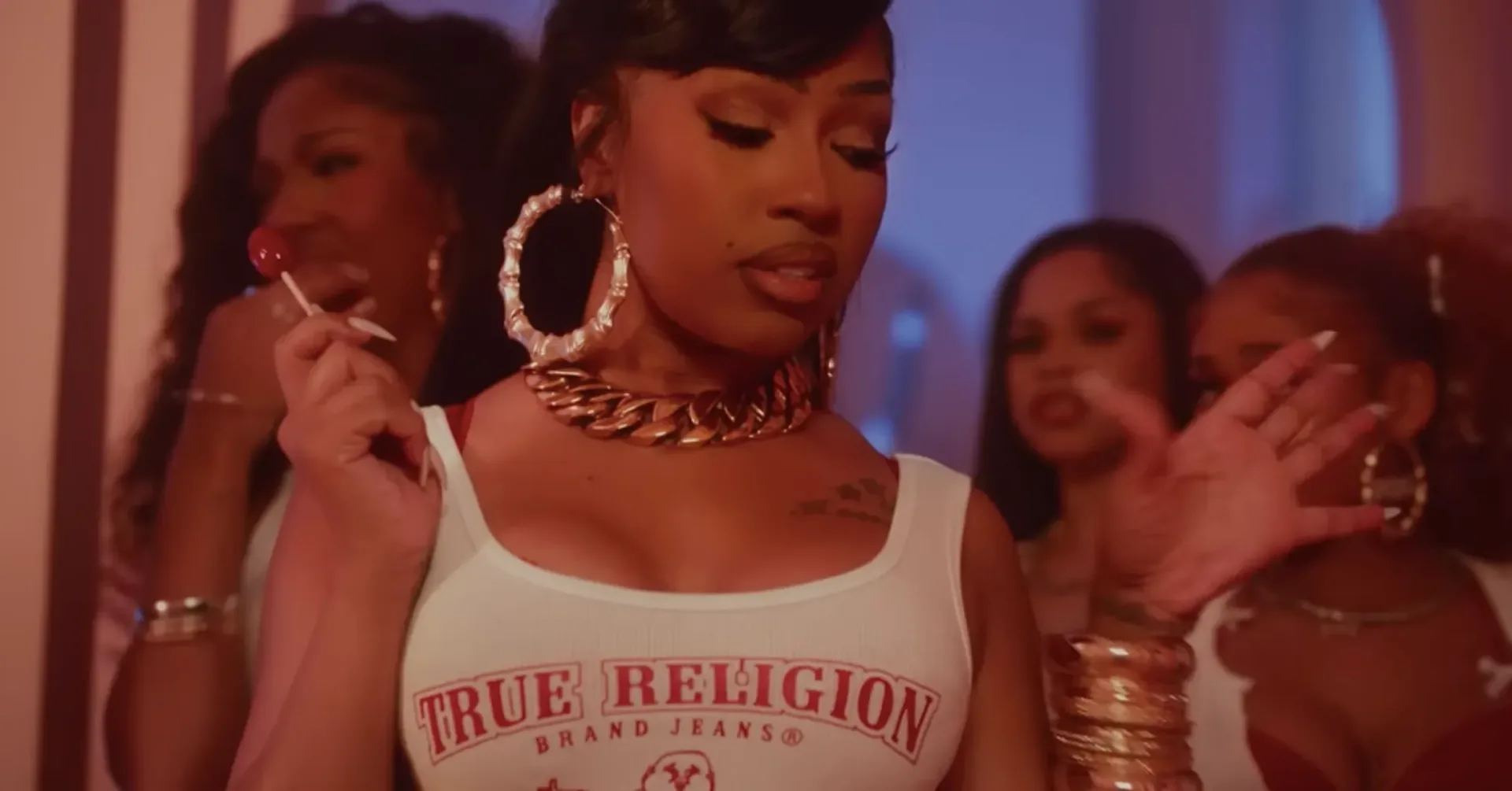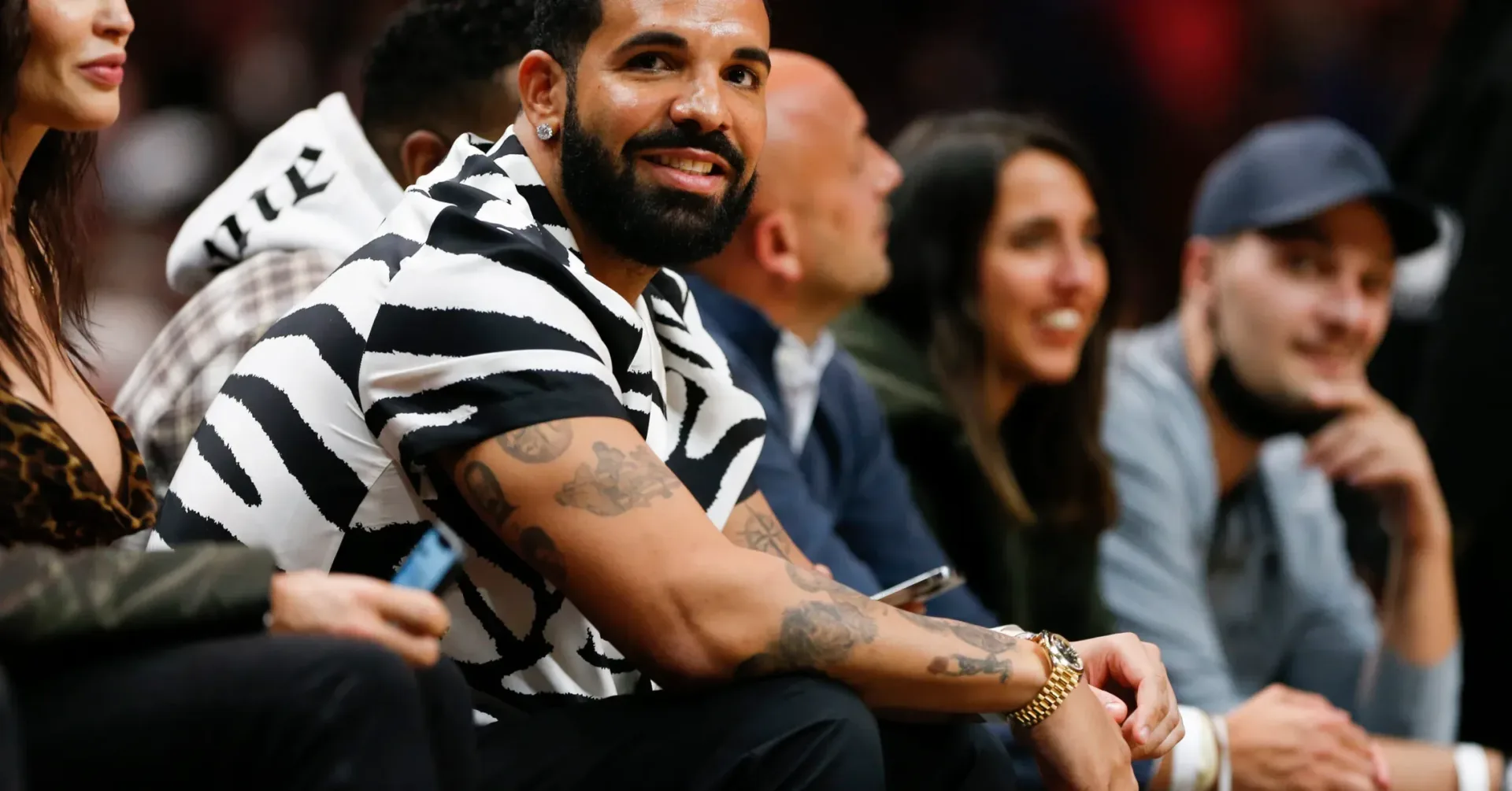
Yung Miami says a hoped-for Drake appearance on a remix of “Spend Dat” never moved beyond the message stage. In a conversation with Nessa on Hot 97, the rapper said Drake left her message unread in the practical sense that matters most: she received no answer about the collaboration.
“Drake left me on read,” Yung Miami said, adding that she would have accepted a direct rejection. “Just tell me no. I’m good with the no, but leaving me on read is like, what?”
The request concerned a remix of “Spend Dat,” a song described as one of the summer’s biggest releases. The timing also connected to Yung Miami’s album Watch Dis, which arrived the same day as the comments. A Drake verse could have put extra attention on the remix and, by extension, the larger album rollout—but Yung Miami’s remarks do not establish why he did not respond, whether he saw the request in a professional capacity, or whether a future collaboration is off the table.
The silence is the story, not a confirmed feud
It is easy to turn an unanswered message into a bigger narrative, particularly when both artists command sustained attention. But the specific claim here is narrower: Yung Miami says she contacted Drake about “Spend Dat,” and says he left the message on read. She did not describe a direct disagreement, an argument over terms, or an explicit refusal.
That distinction matters. In music reporting and fan discussion, phrases such as ghosted and left on read often get treated as proof of a personal dispute. They can simply describe an incomplete communication loop. “Left on read” generally means a recipient has viewed a digital message without sending a reply; “ghosted” is broader shorthand for communication that stops without explanation. Neither phrase, by itself, reveals motive.
Yung Miami’s own framing makes the emotional point clear. Her frustration is not presented as anger over Drake owing her a feature. Instead, she says the lack of clarity bothered her more than a possible no would have. That is a relatable distinction in an industry where a collaboration can affect a release calendar, marketing plan, fan expectations and the momentum around a song.
It also leaves room for uncertainty. High-profile artists have busy recording, release and touring commitments, while feature requests can pass through managers, labels, producers and other representatives before a final answer ever comes back. None of those behind-the-scenes details were provided here, so they should not be assumed. All that is known from Yung Miami’s account is that she wanted the remix, reached out, and did not get the response she wanted.
Why a remix feature can matter
A remix is a new version of an existing song, often built around an additional verse, altered production, or both. It can serve several purposes at once. Creatively, it lets an artist revisit a track without replacing the original. Commercially, it can renew public interest in a song that already has traction. Culturally, it can bring together audiences that might not otherwise overlap.
Related coverage includes Yung Miami Says Drake Left Her on Read Over ‘Spend Dat’ Remix.
That last point helps explain why the request drew attention. Drake’s profile makes any guest verse a major talking point, while “Spend Dat” had already given Yung Miami a song with momentum. The potential combination was easy for fans to imagine: a familiar record gets a fresh talking point, the guest draws eyes to the remix, and the principal artist benefits from renewed conversation during an album release window.
None of that guarantees that a feature is the right creative or business decision. A prominent guest can dominate the public conversation around a song, and major artists are not obligated to accept every invitation. A guest appearance also requires more than mutual enthusiasm. The artists and their teams can need to align on the record itself, timing, business arrangements and how the song fits into each performer’s plans. Those are general realities of collaborations, not explanations for this particular unanswered request.
Still, Yung Miami’s willingness to discuss the situation publicly underlines how visible even an informal outreach attempt can become. What might once have remained a private industry conversation is now part of the promotion cycle, the interview circuit and the audience’s reading of an album era.
“Spend Dat” still has a life without the remix
The absence of a Drake verse does not erase the song’s existing profile. “Spend Dat” continues to generate attention, while Watch Dis has arrived for listeners to assess on its own terms. That is the more immediate reality for Yung Miami: the album, its songs and the responses they prompt now have to stand beyond the what-if of a marquee remix.
There is a useful practical lesson in that split between a desired co-sign and a completed release. Collaborations can amplify a moment, but an artist’s rollout cannot be built entirely around an answer that has not arrived. A clear yes creates a plan. A clear no can also create a plan. Silence is difficult because it leaves a project in an unresolved middle ground, which is exactly what Yung Miami was reacting to.
Her comments also add another chapter to a public-facing stretch in which personal and professional themes have become part of the conversation around her music. For more context on that broader dynamic, read Yung Miami’s “Dear JT” and the debate around its personal message.
What listeners should—and should not—take from the exchange
- What is established: Yung Miami says she asked Drake to join a “Spend Dat” remix and says he left her message on read.
- What is not established: Drake’s reason for not replying, whether the request reached the appropriate decision-makers, or whether he made a final decision against participating.
- What is plausible but unconfirmed: that a Drake verse could have brought a notable promotional boost to the remix and the surrounding album conversation.
- What remains relevant: “Spend Dat” has continued to make waves without the announced remix feature, and Watch Dis is now the project listeners can evaluate directly.
For fans, the appeal of this story is understandable. Big-name features are easy to treat as scoreboards, as if a reply proves industry standing and no reply proves the opposite. But that reading is too simple. The only direct window into the situation is Yung Miami’s disappointment at being left without an answer. Her comments communicate a wish for basic clarity, not documented evidence of a falling-out.
And that makes the most telling line the simplest one: she says she could handle a no. In a collaboration-driven business, certainty can be more useful than possibility. For now, the Drake-assisted “Spend Dat” remix remains an unrealized idea, while Yung Miami’s released music is the part of the story audiences can actually hear.