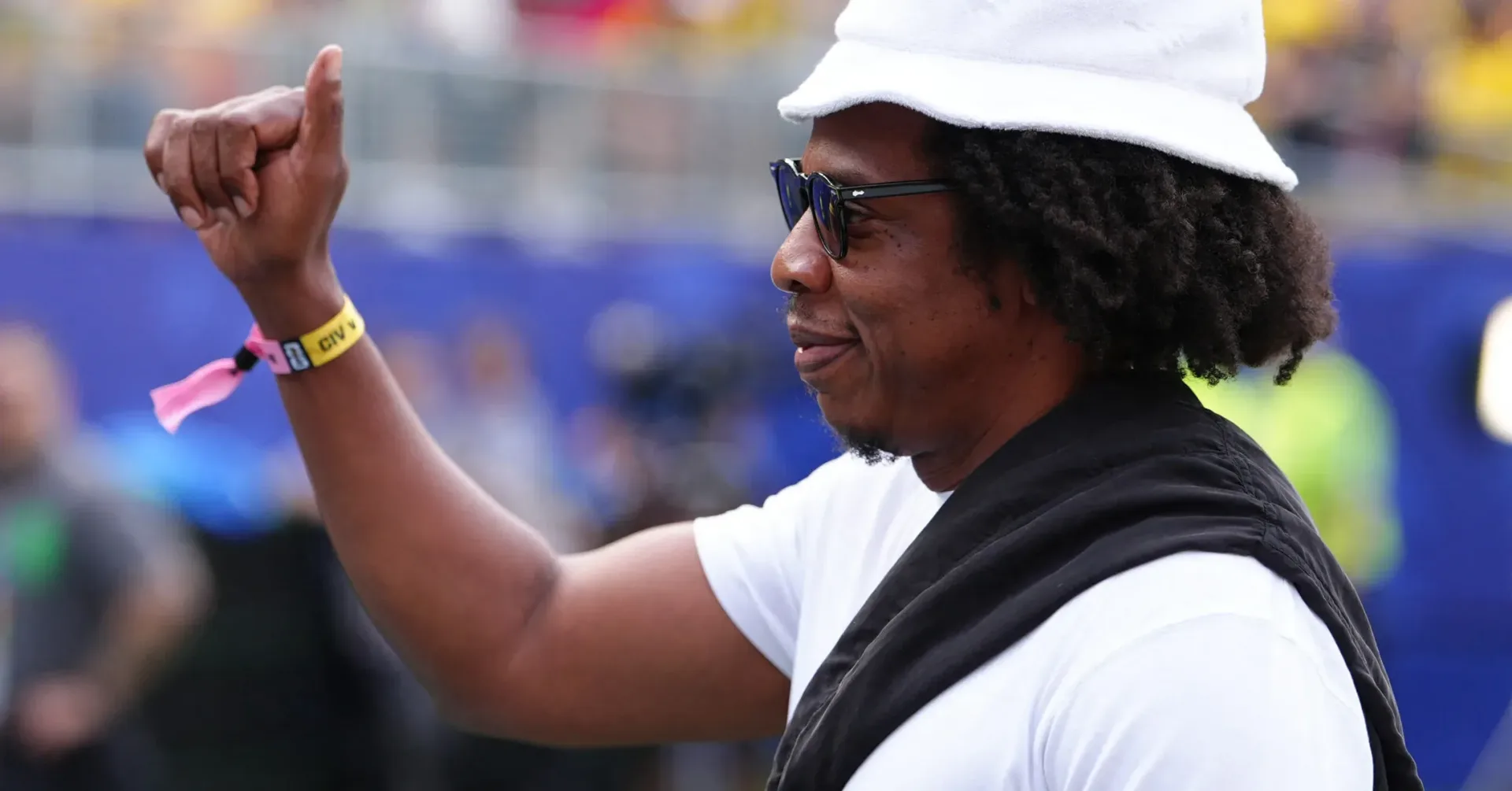
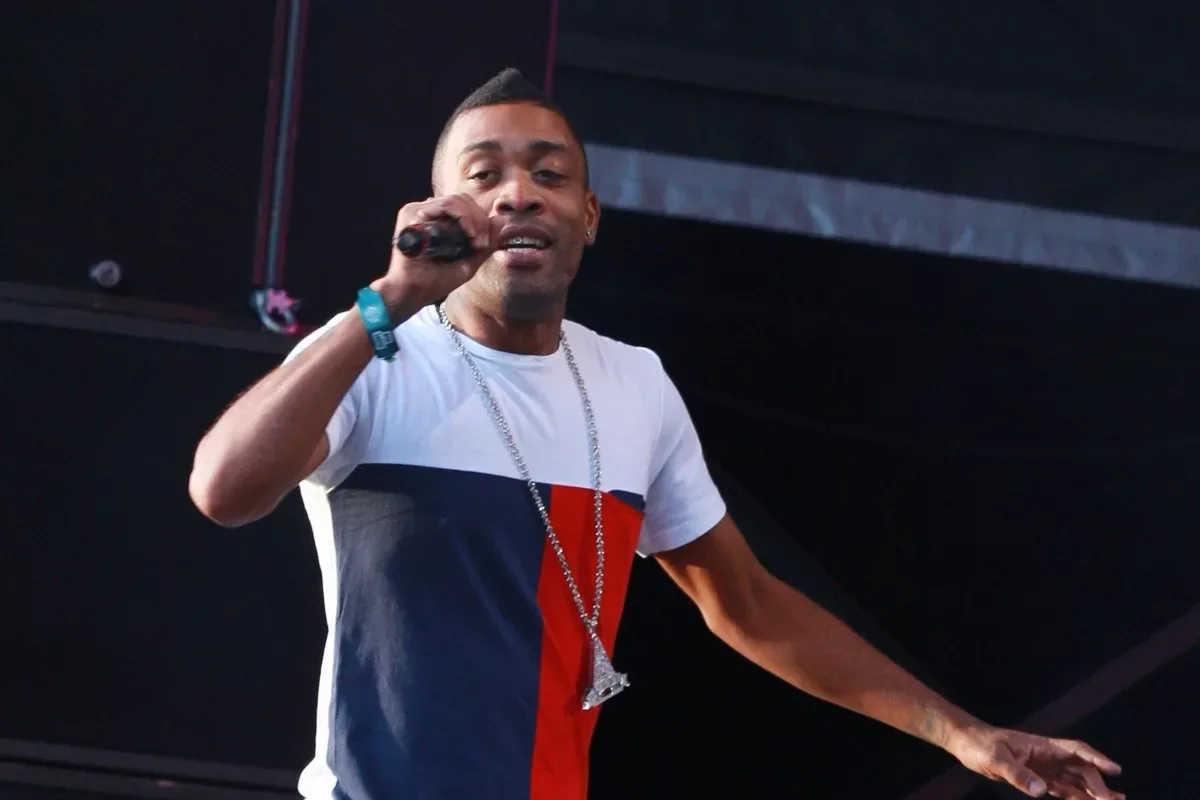
Wiley has been convicted in the Netherlands over antisemitic social media posts made in July 2020, with the court finding him guilty of group defamation and incitement to violence under Dutch law. No punishment was imposed because of the time that had elapsed, Campaign Against Antisemitism said in announcing the result on November 17.
The outcome concerns posts that, the organization said, targeted Jewish people collectively and called for violence. It is the latest formal consequence stemming from the 2020 controversy surrounding the East London MC, whose career has long been associated with the development of grime through Roll Deep.
What the Dutch case found
Campaign Against Antisemitism said the Dutch court convicted Wiley of two offenses: group defamation and incitement to violence. Those are the legal characterizations identified by the group that pursued the complaint; the supplied information does not include the court’s full written reasoning or a detailed breakdown of the individual posts considered.
In broad terms, group defamation refers to conduct that insults or demeans people because they belong to a protected group. Incitement to violence concerns communication that urges or encourages violence. The central allegation in this case was not a dispute involving a single person: the posts were said to have attacked Jewish people as a collective and included calls for violence.
Although a conviction was reached, the court did not attach a punishment. The stated reason was the amount of time that had passed since the material was posted. That distinction matters. A decision not to impose punishment does not undo the finding of guilt; rather, it means the court did not add a penalty in this instance.
Why the case was pursued in the Netherlands
The cross-border nature of online posts became central to the complaint. Campaign Against Antisemitism said British police had established that Wiley was outside the United Kingdom when the messages were posted in July 2020. Its lawyers’ complaint was subsequently received by Dutch prosecutors.
The organization credited Dutch lawyer Ronnie Eisenmann with pursuing the complaint. It also said the Community Security Trust assisted in establishing Wiley’s location at the relevant time.
That sequence illustrates a practical point about online speech: while a post can be delivered globally in moments, questions of jurisdiction can turn on physical location, the applicable national law and the evidence available to investigators. A social platform’s reach does not erase those legal questions; in some situations, it makes them more complicated.
When the Dutch complaint was announced in 2020, Campaign Against Antisemitism’s director of investigations and enforcement, Stephen Silverman, said the group would continue pursuing antisemites across national borders. After the conviction, Silverman said Wiley had now been convicted in the Netherlands of the two specified offenses.
Professional and platform consequences had already followed
The court outcome arrives after significant career and platform repercussions. Wiley’s longtime manager, John Woolf, ended their professional relationship during the original controversy. Facebook, Instagram and Twitter also removed Wiley’s accounts.
Twitter, now known by a different name, apologized at the time for the speed of its response before permanently suspending Wiley’s account. The sequence is a reminder that platform enforcement and criminal proceedings are separate processes. A company can remove an account under its own rules, while police, prosecutors and courts address whether conduct meets a criminal-law threshold in a particular jurisdiction.
Those processes also move at very different speeds. Platform actions can occur rapidly once content is reported and reviewed. A legal case can require decisions about territorial jurisdiction, evidence, charging and court procedure, meaning years can pass between a post and a final judgment. Here, the period between the July 2020 posts and the announced Dutch conviction was substantial enough that the court imposed no punishment.
Wiley’s response and the loss of his honour
Wiley later apologized in a television interview, saying his comments should not have been directed at all Jews or Jewish people. In the same interview, he denied being racist and described himself as a businessman. He also said he was prepared to give up his MBE as calls mounted for the honour to be withdrawn.
He had received the MBE in 2018 for services to music. In February 2024, he lost the honour, with the Cabinet Office citing conduct that had brought the honours system into disrepute.
An MBE is an appointment within the British honours system, awarded for achievement or service. Its removal is not itself a criminal sentence, but it is a formal institutional consequence. In Wiley’s case, it followed the broader professional fallout from the 2020 posts and preceded the reported Dutch conviction.
Grime legacy and accountability are separate questions
Wiley’s place in grime’s history is well established in the supplied record: he helped build the genre through Roll Deep, the crew that also included Dizzee Rascal. Their relationship later deteriorated, though they reunited onstage at a concert in Dubai in 2023.
That musical legacy does not reduce the seriousness of the conduct at issue in the Dutch case. Nor does a conviction erase the significance of an artist’s role in a genre. Both realities can be true at once: Wiley has been an influential figure in grime, and he has faced serious consequences for posts found by a Dutch court to amount to group defamation and incitement to violence.
For audiences, industry figures and platforms, the case also underlines why precision matters when discussing hateful speech. Criticism of a person, company, government or policy is not the same thing as rhetoric aimed at an entire religious or ethnic group. The allegation here was specifically collective targeting of Jewish people, coupled with calls for violence. That is why the case carried implications beyond a volatile personal or professional disagreement.
Wiley had suggested in his apology-era comments that the matter should have remained between him and his manager. The later legal result shows why that framing did not hold: the posts were treated as public communications with consequences for a wider group, not as a private dispute.
What this decision means—and what it does not
The reported ruling establishes a Dutch conviction on the two offenses named by Campaign Against Antisemitism. It does not, based on the available information, provide a new custodial or financial punishment. The absence of a punishment was linked to elapsed time, not to an overturning of the finding.
It also should not be conflated with the earlier decisions by social networks, the end of Wiley’s management relationship or the removal of his MBE. Those were distinct outcomes by different institutions, operating under different standards and authorities. Taken together, though, they show how public speech can trigger overlapping consequences: reputational, professional, platform-based, institutional and legal.
For a wider music audience, the ruling is another clear example of the fact that celebrity and artistic influence do not place public online conduct beyond scrutiny. The route to this conviction was unusually international, involving an assessment of Wiley’s location at the time of the posts and a complaint pursued in the Netherlands. Yet its basic lesson is less unusual: public statements directed at a protected group can have consequences well after the moment they are posted.
For more music and documentary-related coverage, see our report on JAY-Z’s Fade to Black becoming available free on YouTube.