Spoilers for the VisionQuest finale follow.
VisionQuest appears to have made a very deliberate bargain with its biggest lingering question: keep Wanda Maximoff out of the main story, then let a post-credits scene make the wider Marvel Cinematic Universe noise after Vision has had his say.
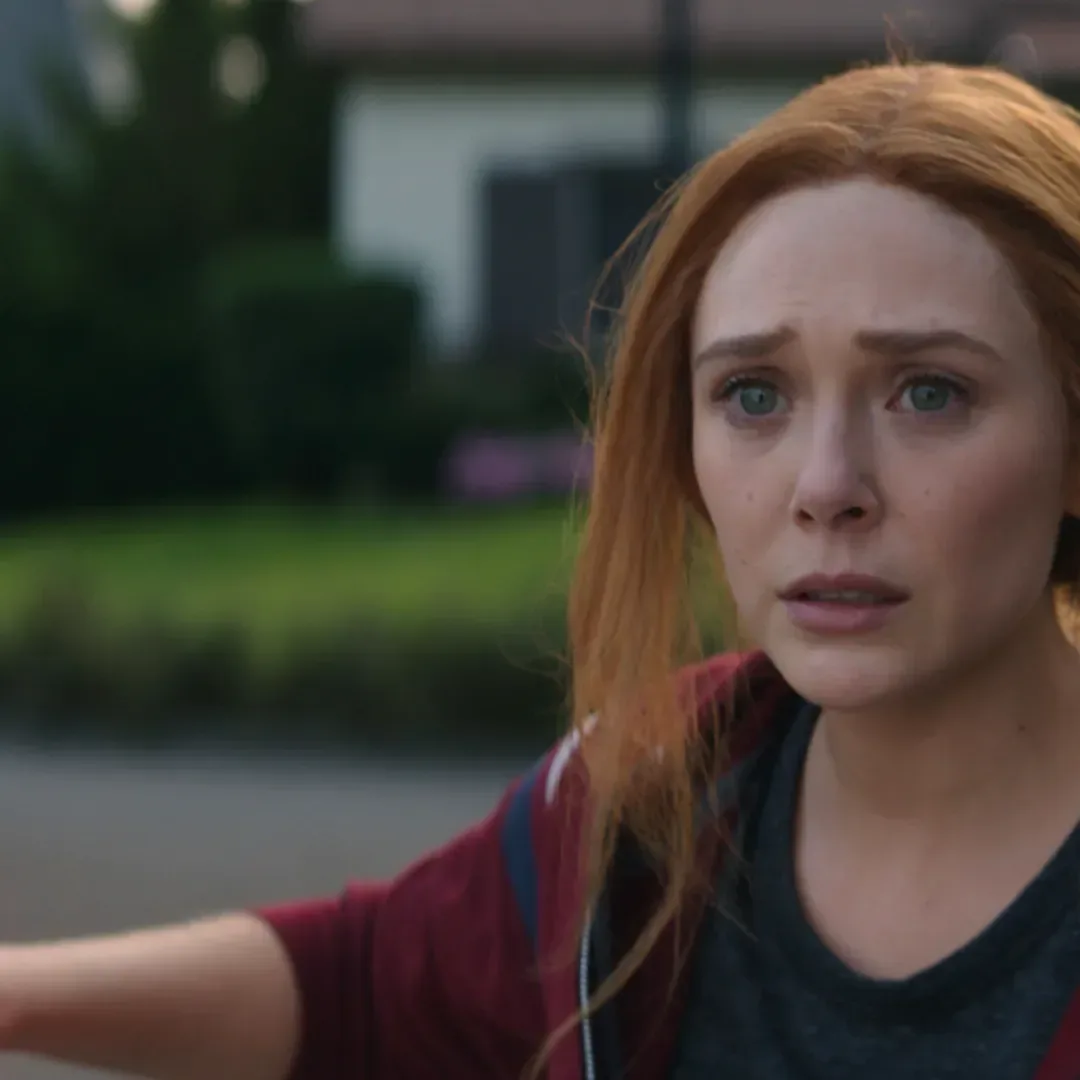
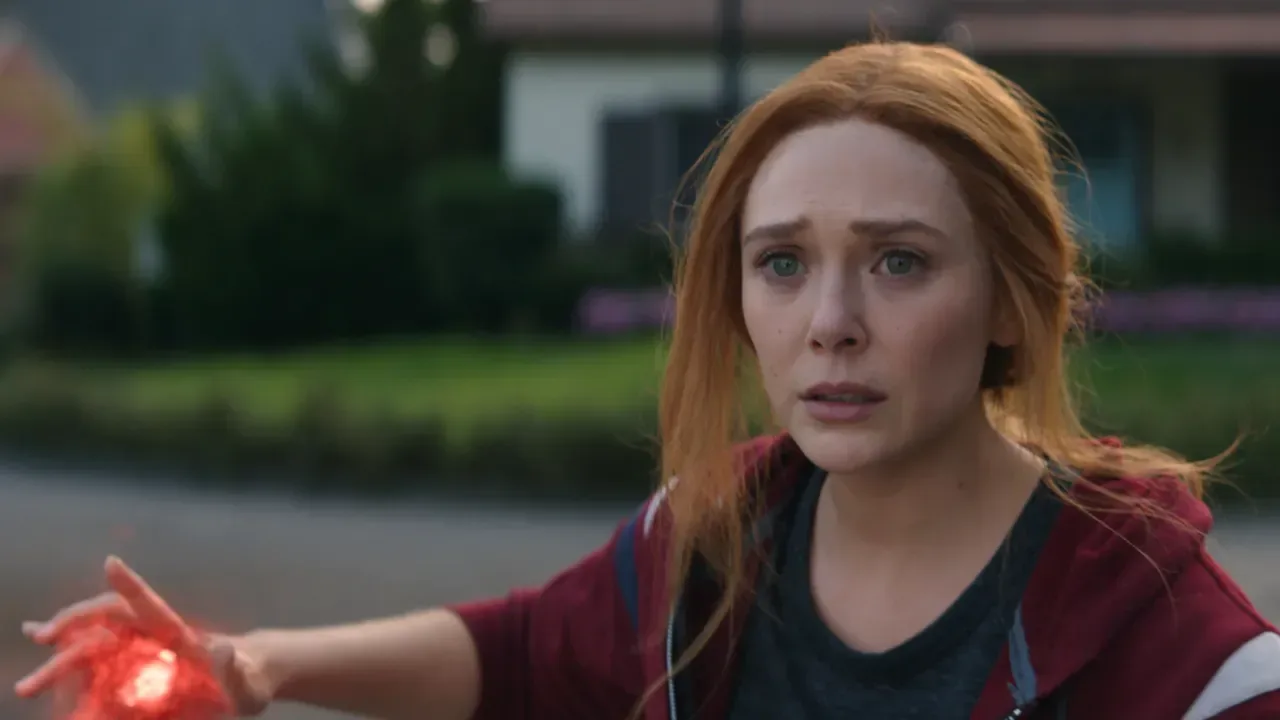
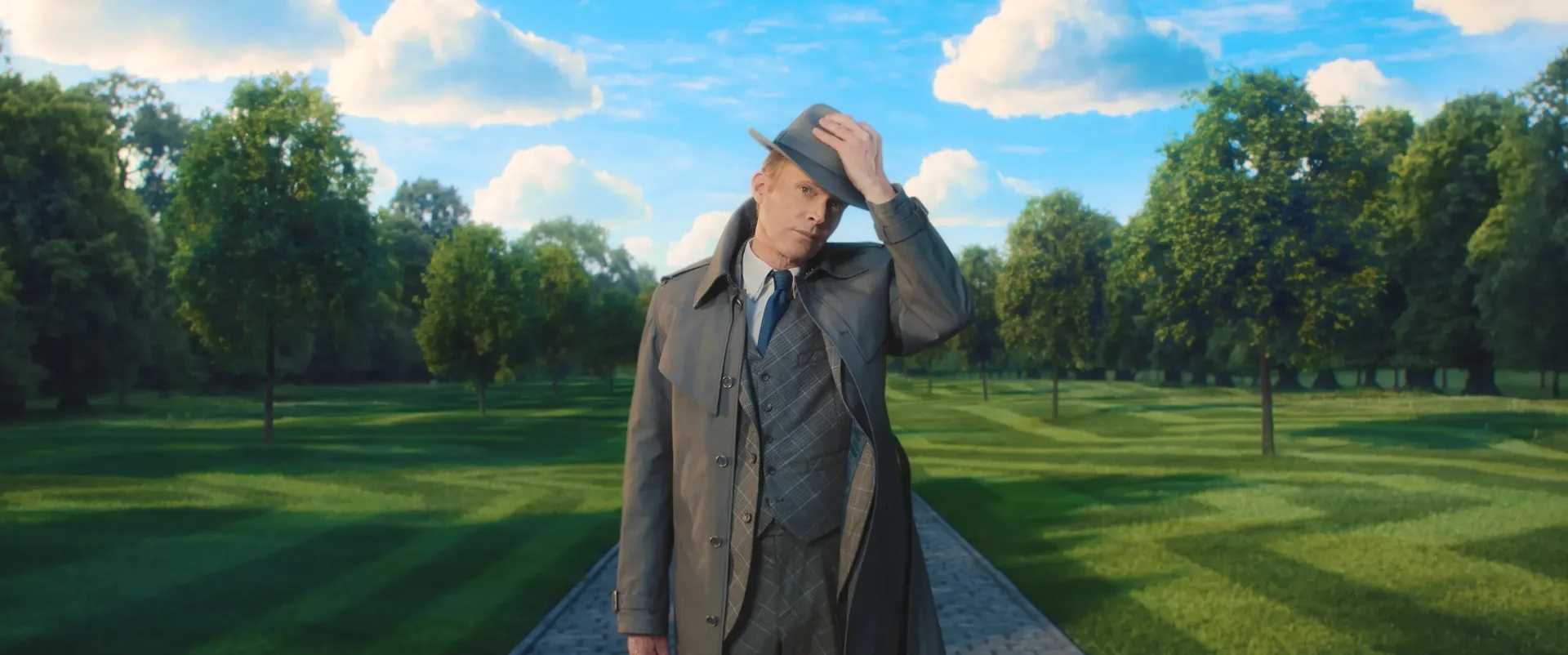
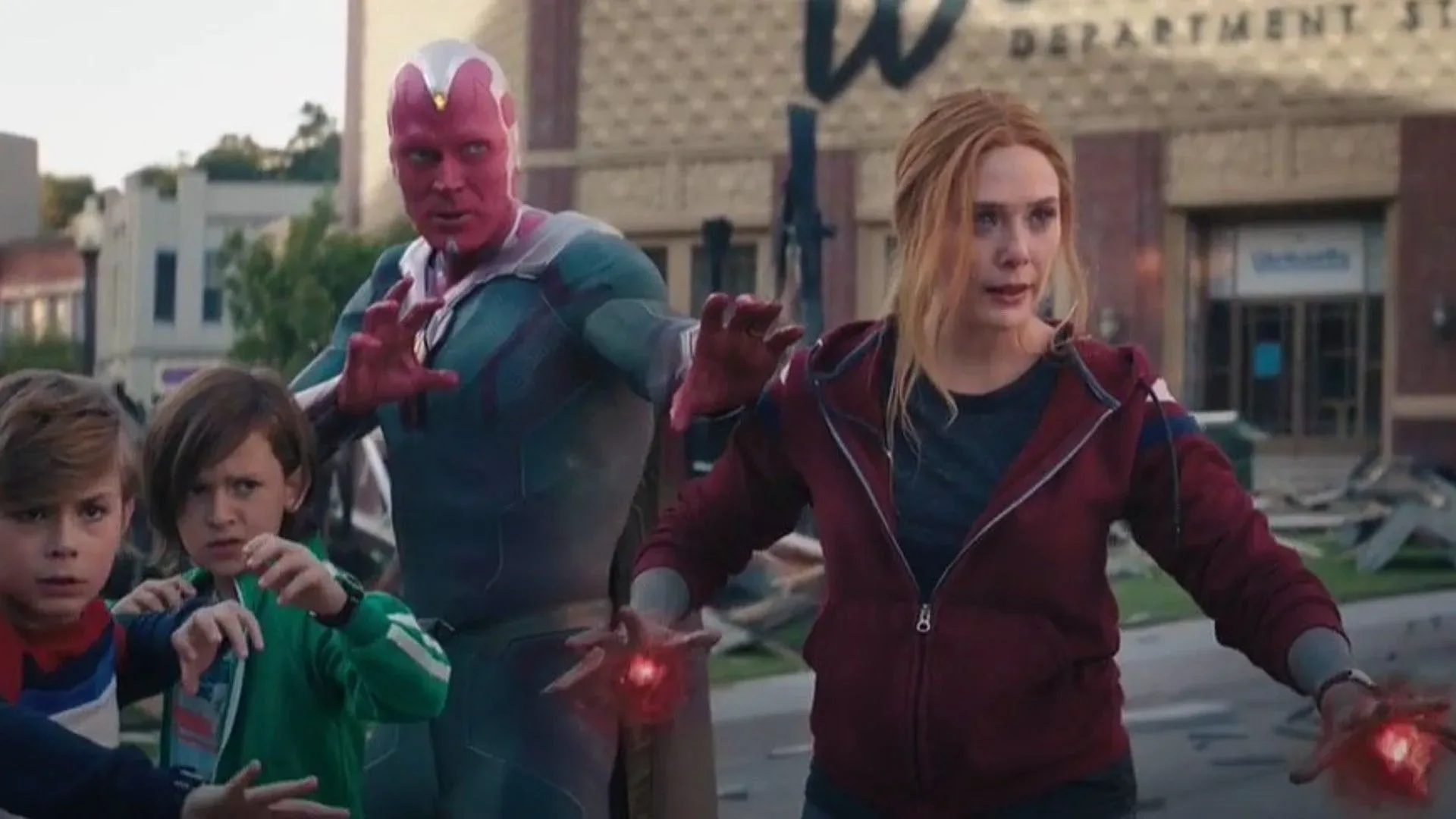
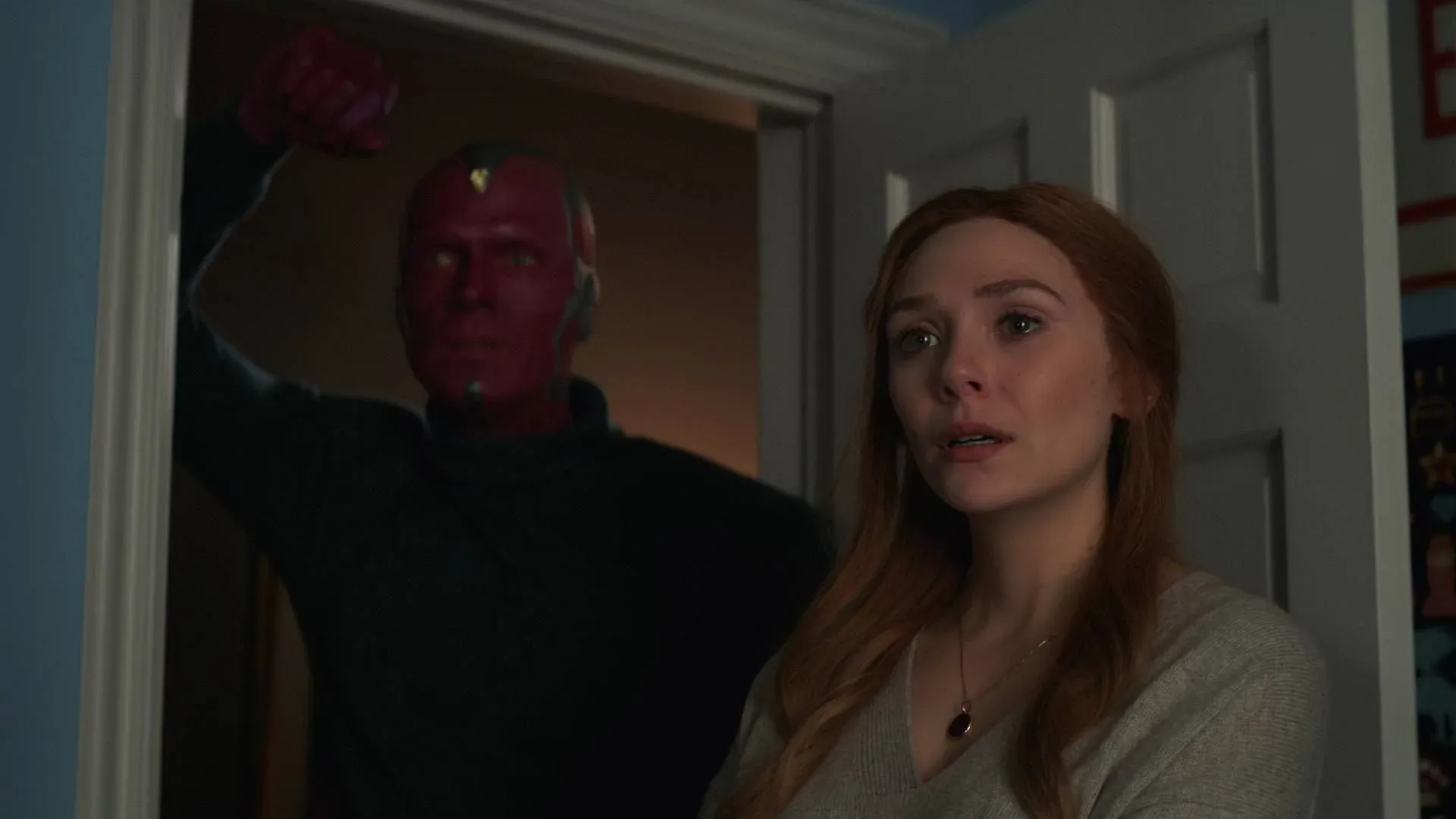
Paul Bettany has recalled that Kevin Feige was wary of bringing Elizabeth Olsen’s Wanda into the series because her presence could distract from its central character. The logic is blunt, but difficult to argue with. A Vision-and-Wanda reunion is not merely another plot point. It brings the emotional weight of WandaVision, the uncertain status of Wanda after Doctor Strange in the Multiverse of Madness, and immediate questions about Billy and Tommy. Put that inside VisionQuest’s core narrative and the show risks becoming a sequel to a different show with Vision temporarily wearing the name tag.
Instead, VisionQuest keeps the principal action focused on Vision. Wanda’s apparent return arrives only after the finale’s credits, at a substantial remove from the episode’s main resolution. It is a classic shared-universe maneuver: one story finishes, then a compact extra scene opens a door for another. In this case, it means the show can acknowledge the character viewers were waiting for without requiring Wanda to become the answer to every question the series was asking.
Feige’s concern was about story focus, not forgetting Wanda
Bettany described discussions over whether Wanda should appear and whether doing so might open too much up for the MCU at this point. He recalled Feige’s view that the work Bettany and Terry had done to make audiences care about Vision should not be undercut by offering a Wanda reunion at the end of the show. The concern was that it would cause everything to become about WandaVision again, when VisionQuest could stand on its own.
That distinction matters. “Distract” does not necessarily mean Wanda lacks importance, or that a reunion is off the table forever. It means her importance is precisely why her appearance can overwhelm another narrative. Wanda is not a low-stakes cameo who can wander through a scene, exchange a quip, and leave the furniture untouched. Her history with Vision makes any meeting feel like an event; her presumed death makes any return an event; and her connection to Billy and Tommy adds still more narrative gravity.
For a series named VisionQuest, the creative priority was evidently to ensure Vision did not become a supporting player in the moment most viewers expected. Bettany agreed with that assessment. It is also a useful reminder that a shared universe has a structural problem smaller, character-led projects must continually solve: a popular unresolved thread can become so loud that audiences start judging every scene by whether it advances that one thread.
What the finale actually does with Wanda
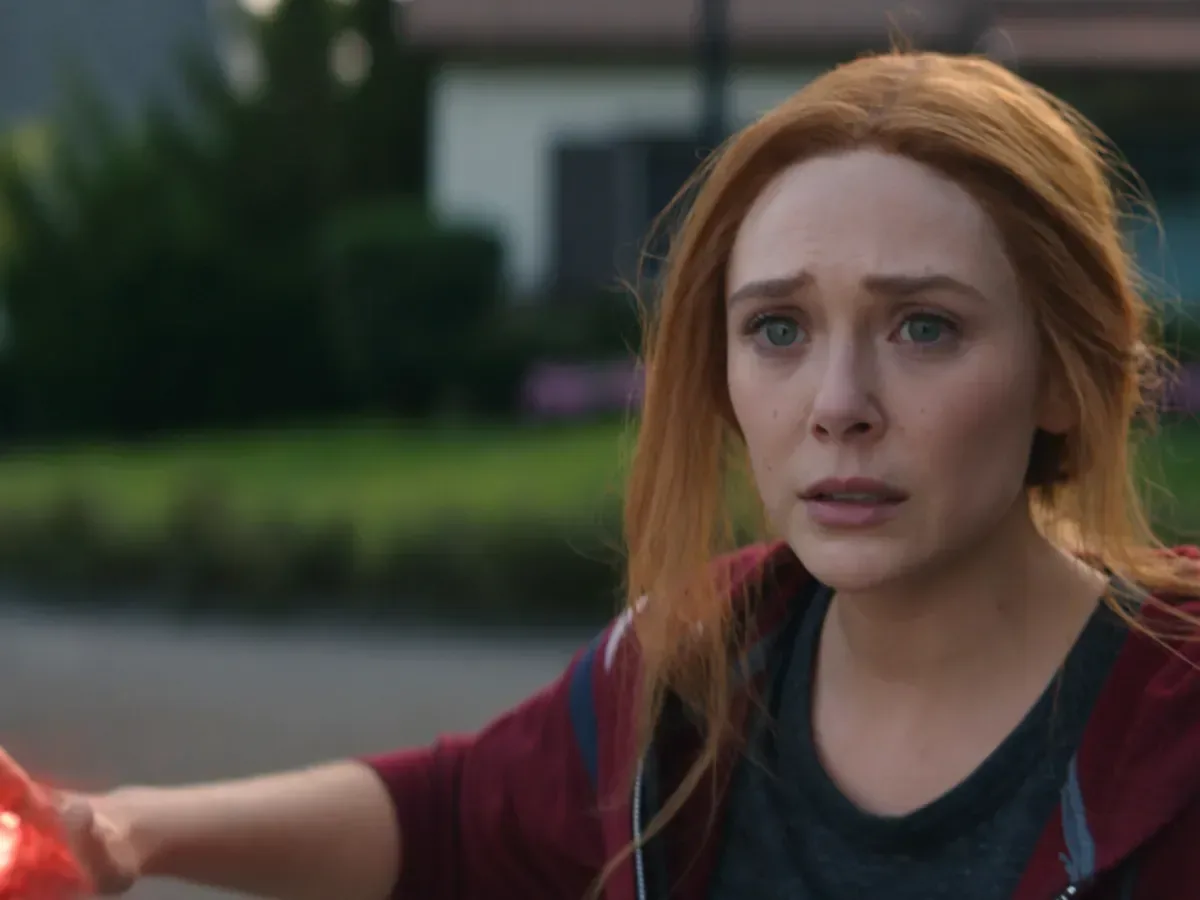
The main events of VisionQuest pass without Olsen appearing in newly recorded footage as Wanda. That initially left reunion speculation unanswered. The credits scene then returns viewers to Mount Wundagore’s snowy cliffs, the location tied to Wanda’s fate at the end of 2022’s Doctor Strange in the Multiverse of Madness.
Related coverage includes VisionQuest Kept Wanda at a Distance to Let Vision's Story Stand Alone.
A cloaked figure who looks and sounds like Robert Downey Jr.’s Victor von Doom addresses her directly: “Scarlet Witch, awaken. Your power will be mine.” Wanda’s eyes open.
That is a significant image, but the scene’s placement and construction keep it separate from the story VisionQuest has just concluded. It plays less like a late detour for Vision and more like a tag for the MCU’s next movement. The footage also appears largely to reuse material from the Doctor Strange sequel, rather than placing Olsen in new VisionQuest scenes. That leaves room for caution in how the moment is interpreted: it plainly points toward Wanda’s return, but it does not by itself explain the circumstances of her return, her condition, her goals, or whether she will soon reunite with Vision, Billy, and Tommy.
In other words, the stinger gives viewers a direction, not a completed map. The cape may be ominous; the itinerary remains annoyingly incomplete.
Why a post-credits scene is the practical compromise
A post-credits scene, sometimes called a stinger, is an additional sequence placed during or after a film or episode’s credits. In a franchise setting, it often performs two jobs at once: it rewards viewers who stay through the credits, and it plants information for a later installment without taking over the main story’s ending.
VisionQuest uses that format to compartmentalize its biggest reveal. The body of the finale can remain concerned with the show’s own characters and conflicts. Only once that story has closed does the scene introduce a larger threat and revive the question of Wanda’s future. It is not a completely frictionless solution—post-credits material can still affect how audiences remember an ending—but it is far less disruptive than turning the climax itself into a Wanda-and-Vision reunion.
It also protects the intended emotional emphasis. Had Wanda appeared during the main finale, viewers would naturally ask whether Vision recognizes her, whether they can repair their relationship, and what their family means now. Those are enormous questions, and they could easily eclipse the material involving Vision and Ultron that the series otherwise foregrounds. A post-credits tag acknowledges those questions while declining to make the finale resolve them.
The approach aligns with the response that the finale works best in its Vision and Ultron material, even as a late new villain complicates the episode. Bringing Wanda into the main action could have added another powerful element, but it would also have added another demand on an ending already carrying substantial plot weight.
A return is set up, but a reunion is not promised
The credits scene has understandably changed the conversation from “Will Wanda appear in VisionQuest?” to “Where does Wanda go next?” The clearest near-term destination is Avengers: Doomsday, which is scheduled to premiere December 18. Victor von Doom’s presence in the tag makes that connection especially difficult to ignore.
Still, the precise path remains unconfirmed. The scene does not say that Wanda is allied with Doom, under his control, opposed to him, or aware of what has happened. His line frames her power as something he wants for himself, which is a threat, not an explanation. Nor does it establish when a Vision reunion might happen. Viewers who wanted VisionQuest to provide a proper family reunion have been given a promise of future movement rather than that payoff.
That restraint may frustrate people who spent months expecting Wanda to arrive in the series itself. But it makes the show’s design more coherent. VisionQuest gets to be a project about Vision rather than a waiting room for Wanda’s comeback, while the post-credits scene confirms that the franchise has not simply abandoned Wanda’s story.
There is a commercial reality to this kind of storytelling, too, though the creative benefit is clearer here than the usual “watch the next thing” impulse. The finale can deliver a concentrated hook for Avengers: Doomsday without asking its audience to retroactively treat every VisionQuest development as setup for a different character. The character focus stays mostly intact, and the larger universe still gets its thunderclap.
The bigger implication for VisionQuest
Bettany’s recollection reframes Wanda’s absence as a choice of emphasis rather than a missing piece. The series does not avoid her because she is irrelevant. It avoids deploying her in the central plot because she is too relevant to use casually.
That is also why the credits scene is designed to be far from the show’s main story. It makes a loud promise while preserving a boundary. Vision’s journey is allowed to stand in the foreground; Wanda’s apparent awakening becomes a separate, forward-looking complication. The series can therefore be read on its own terms, even though it remains connected to a much bigger MCU board.
For viewers following Marvel’s next moves, Wanda’s opened eyes at Mount Wundagore are the headline image. For VisionQuest itself, the more revealing detail may be the decision to wait until after the credits to show them. The show wanted the audience to care about Vision first. Then, once his story had room to land, it let the Scarlet Witch wake up and steal just enough of the conversation.
That careful split may also help explain the intense interest in the ending. VisionQuest’s finale drew 3.7 million global views in its first day on Disney+, and a post-credits reveal built around one of the MCU’s largest unresolved character arcs gives audiences plenty to parse before Avengers: Doomsday arrives.